The global demand for efficient water management solutions is continually increasing, driving a focused interest in components like the water pump impeller. The water pump impeller price is a critical factor in the overall cost and performance of water pumping systems, impacting industries from agriculture and municipal water supply to oil & gas and power generation. Understanding the factors that influence this price is essential for informed procurement and optimized system design.
Fluctuations in raw material costs, manufacturing techniques, and the specific impeller design all contribute to the final water pump impeller price. A thorough grasp of these variables allows businesses and organizations to make strategic decisions about component sourcing and long-term maintenance, ultimately reducing operational expenditures. The increasing need for sustainable water solutions further amplifies the importance of cost-effective impeller options.
Effective water pumping is fundamental to modern life, and the water pump impeller is the heart of that process. A well-chosen impeller, at a competitive water pump impeller price, can significantly improve efficiency, reduce energy consumption, and extend the lifespan of water pumping infrastructure. This benefits both financial bottom lines and environmental sustainability.
Introduction to Water Pump Impeller Price
The water pump impeller price isn't simply a cost; it’s a reflection of material quality, engineering precision, and manufacturing efficiency. A lower initial price doesn't always equate to a lower total cost of ownership, as impeller durability and efficiency directly impact long-term maintenance and energy consumption. Considering the entire lifecycle cost is crucial when evaluating options.
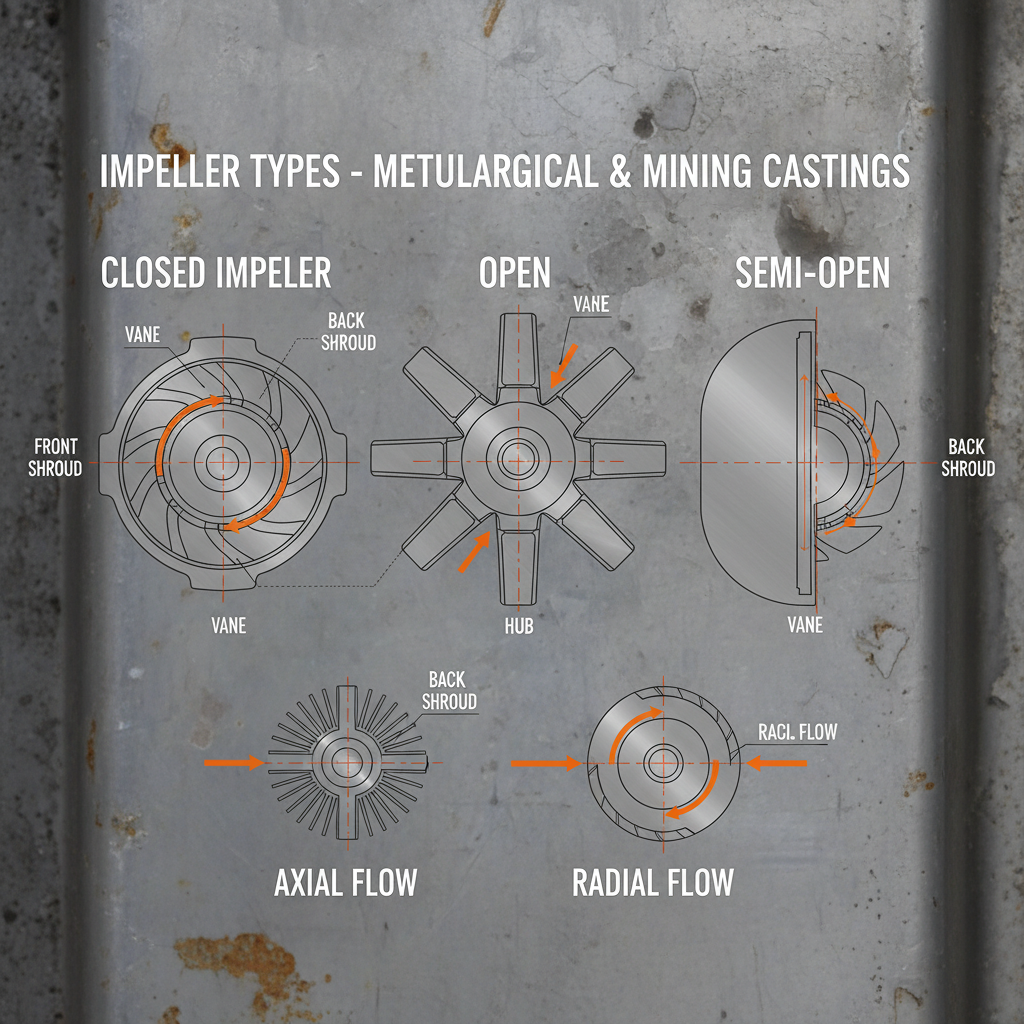
Understanding the nuances of impeller pricing allows for strategic sourcing and informed investment. Factors such as impeller material (stainless steel, bronze, polymers), impeller type (closed, semi-open, open), and the complexity of the design all significantly contribute to the final price point. Proper selection can optimize system performance and minimize operational expenses.
Global Context and Relevance
Water scarcity is a growing global challenge, with the United Nations estimating that billions of people lack access to safely managed drinking water. Efficient water pumping, enabled by reliable impellers, is vital for addressing this crisis, whether through irrigation for agriculture, water distribution networks for cities, or emergency water supply in disaster relief situations. The water pump impeller price plays a role in making these vital systems affordable and accessible.
The global water pump market is substantial and steadily growing, driven by population growth, industrial expansion, and increasing environmental concerns. According to industry reports, the market is projected to reach billions of dollars in the coming years. Impeller costs represent a significant portion of the overall pump expense, influencing project feasibility and return on investment, particularly in developing economies.
Furthermore, regulations surrounding water usage and discharge are becoming more stringent worldwide. This drives the need for higher-efficiency pumps and impellers that minimize energy consumption and environmental impact, impacting both design requirements and the associated water pump impeller price.
Defining Water Pump Impeller Price
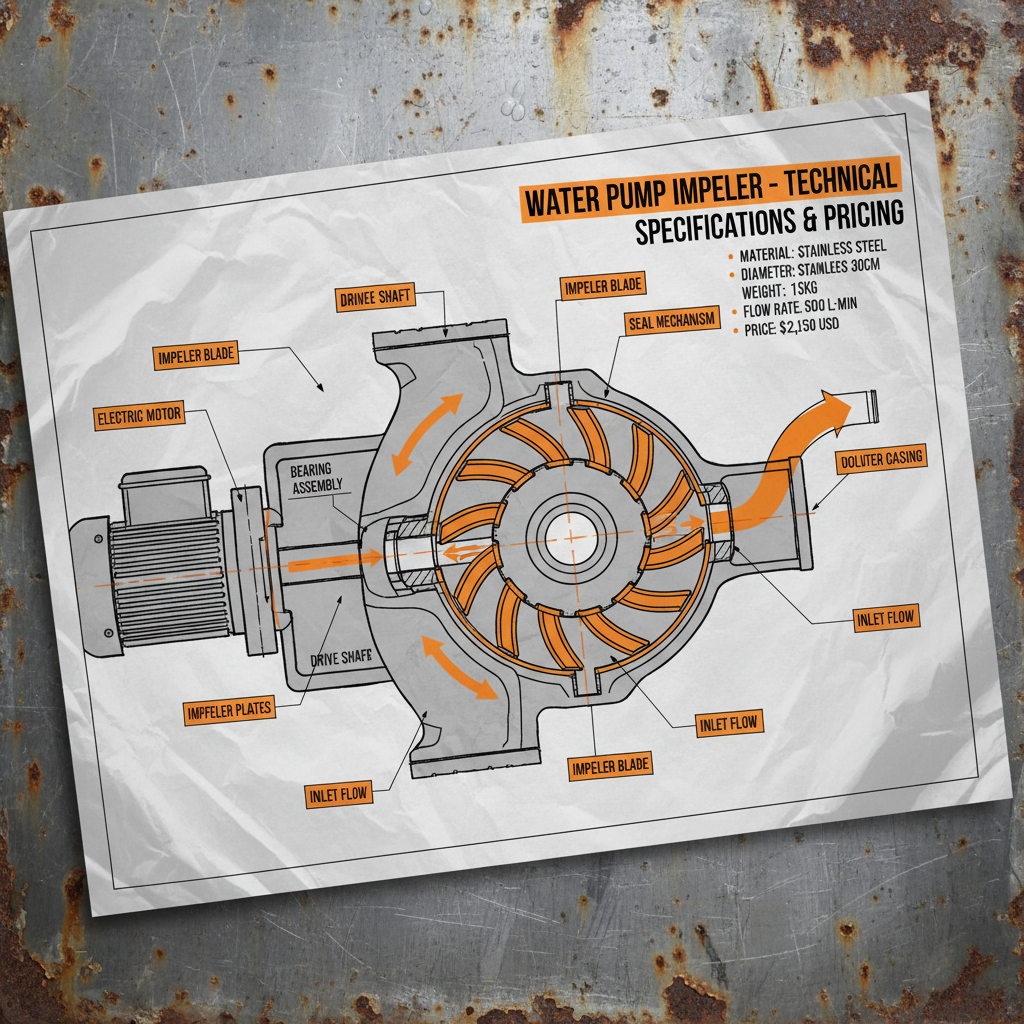
The water pump impeller price refers to the cost associated with acquiring a rotating component designed to transfer energy to a fluid, typically water, through centrifugal force. This price includes the cost of raw materials, manufacturing, quality control, and distribution. It can vary widely depending on the impeller's size, material, design complexity, and the supplier.
It's more than just a purchase price. The true cost of an impeller incorporates installation, maintenance, and potential replacement costs. Considering these factors offers a more comprehensive understanding of the value proposition and helps in making informed decisions. A seemingly cheaper impeller might require more frequent replacements, ultimately costing more in the long run.
The water pump impeller price is intrinsically linked to the efficiency and reliability of water pumping systems, which are foundational to numerous essential industries. From providing potable water to supporting agricultural yields and enabling industrial processes, the cost of this component impacts countless aspects of modern life.
Key Factors Influencing Price
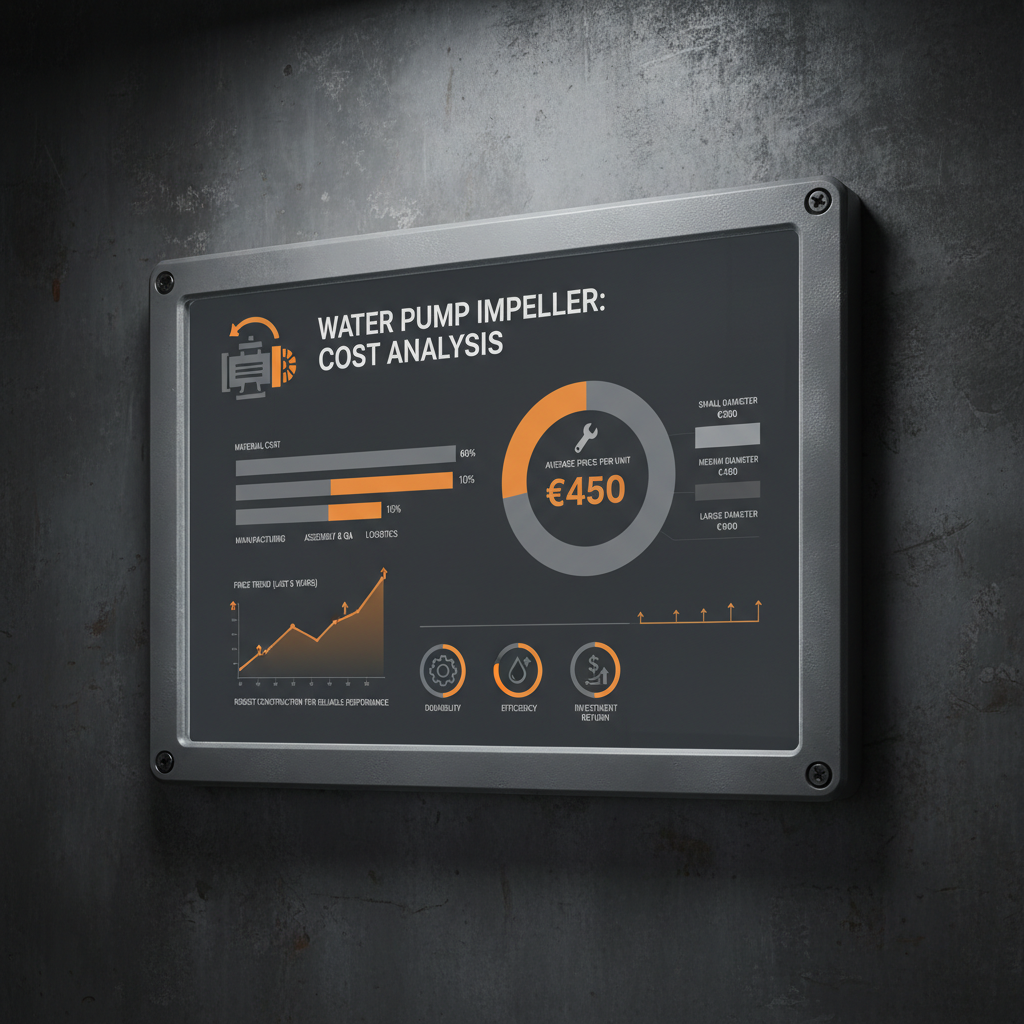
Several key factors dictate the water pump impeller price. Material selection is paramount – stainless steel impellers are more durable and corrosion-resistant but generally more expensive than those made from cast iron or polymers. The impeller’s design, including its blade geometry and number of vanes, impacts its efficiency and manufacturing complexity, influencing the price.
Manufacturing processes also play a significant role. Impellers produced using advanced techniques like CNC machining and 3D printing typically command higher prices than those manufactured using traditional casting methods. Quality control standards and certification requirements further contribute to the overall cost, ensuring product reliability and performance.
Water Pump Impeller Price Comparison (By Manufacturing Method)
Global Applications and Use Cases
Water pump impellers are ubiquitous across diverse industries. In agriculture, they power irrigation systems, crucial for crop production and food security. Municipal water treatment plants rely heavily on impellers to distribute clean water to communities. Industrial facilities use them for cooling systems, wastewater management, and process fluid transfer.
In remote industrial zones, such as mining operations in Australia or oil & gas facilities in the Middle East, reliable and cost-effective impellers are essential for maintaining continuous operations. Following natural disasters, such as hurricanes or earthquakes, portable water pumps with durable impellers are deployed for emergency water supply and flood control.
Advantages and Long-Term Value
Investing in a high-quality water pump impeller, even at a slightly higher initial water pump impeller price, offers significant long-term benefits. Increased efficiency translates to reduced energy consumption and lower operating costs. Improved durability minimizes downtime and replacement frequency, contributing to greater overall system reliability.
Furthermore, selecting the right impeller material enhances corrosion resistance and extends the lifespan of the pump, particularly in harsh operating environments. This contributes to sustainability by reducing waste and minimizing the environmental impact of frequent replacements. A robust impeller fosters trust and peace of mind, knowing that critical water systems will function reliably when needed.
Future Trends and Innovations
The future of water pump impeller technology is focused on enhancing efficiency, durability, and sustainability. Research and development efforts are exploring new materials, such as advanced composites and alloys, to create lighter, stronger, and more corrosion-resistant impellers. Additive manufacturing (3D printing) is gaining traction, enabling the creation of complex impeller geometries optimized for specific applications.
Digitalization and the integration of sensor technology are also playing a role. Smart impellers equipped with sensors can monitor performance in real-time, providing valuable data for predictive maintenance and optimizing pump operation. The increasing emphasis on green energy and water conservation will further drive innovation in impeller design and materials, pushing the boundaries of efficiency and sustainability.
Automation in impeller manufacturing is also emerging, leading to increased precision, reduced lead times, and potentially lower water pump impeller price points through economies of scale.
FAQS
Several factors affect the water pump impeller price, including the material used (stainless steel, bronze, polymers), the manufacturing method (casting, machining, 3D printing), the complexity of the design, and the size/capacity of the impeller. Demand, supplier location, and quantity ordered also play a role.
More durable and corrosion-resistant materials like stainless steel generally have a higher initial cost but offer a longer lifespan and reduced maintenance. Polymers are typically cheaper but may be less suitable for abrasive fluids or high-temperature applications. Choosing the right material balances cost and performance requirements.
CNC-machined impellers offer greater precision, tighter tolerances, and smoother surface finishes, leading to improved hydraulic efficiency. While more expensive upfront, they can result in lower energy consumption and longer service life. Cast impellers are typically more cost-effective for high-volume production but may have less precise geometries.
Consider the fluid being pumped (viscosity, abrasiveness, temperature), the required flow rate and pressure, and the operating environment. Closed impellers are best for clean fluids and high efficiency, while open impellers are better for fluids containing solids. Semi-open impellers offer a compromise. Consult with a pump specialist for guidance.
Refurbishing or reconditioning existing impellers can be a cost-effective option, especially for less critical applications. However, this requires careful inspection and repair by qualified technicians. Evaluating the cost of refurbishment versus replacement is essential.
Impeller efficiency directly impacts energy consumption. A more efficient impeller requires less energy to pump the same volume of fluid, resulting in lower electricity bills over the pump's lifespan. Even a small improvement in efficiency can translate to significant cost savings, especially for continuous-operation applications.
Conclusion
The water pump impeller price is a multifaceted metric, influenced by materials, manufacturing, and application needs. Understanding these factors is critical for procuring reliable, efficient components that contribute to sustainable water management. Strategic sourcing, coupled with consideration of lifecycle costs, can unlock significant value for businesses and organizations relying on water pumping systems.
Looking ahead, continued innovation in materials, manufacturing processes, and digital technologies promises to further optimize impeller performance and reduce costs. By embracing these advancements, we can ensure access to clean, affordable water for all, while minimizing environmental impact. For all your impeller needs, visit our website at www.ydcastings.com.