The humble water pump casing is a critical, yet often overlooked, component in a vast array of systems essential to modern life. From supplying clean drinking water to communities and irrigating agricultural lands, to powering industrial processes and supporting disaster relief efforts, the effective functioning of a water pump relies heavily on a robust and well-engineered casing. Understanding the nuances of water pump casing – its materials, design, and manufacturing – is crucial for ensuring reliable operation, maximizing efficiency, and minimizing environmental impact. This knowledge directly influences public health, economic productivity, and sustainable resource management on a global scale.
Globally, access to clean water remains a significant challenge. According to the UN, billions of people lack access to safely managed drinking water services. Effective water pumping systems are paramount to addressing this need, and a durable, efficient water pump casing is fundamental to their longevity and performance. Furthermore, the increasing demand for water in agriculture and industry necessitates increasingly sophisticated pumping solutions, placing further emphasis on the importance of casing design and material science. The World Bank estimates significant investment is needed in water infrastructure to meet future demands, highlighting the critical role of components like the water pump casing.
Beyond basic needs, water pump casings are integral to numerous industrial applications, from power generation to chemical processing. Their reliable performance is essential for maintaining operational efficiency and preventing costly downtime. The development of specialized casing materials and designs – resistant to corrosion, abrasion, and high pressures – are constantly evolving to meet the demands of these diverse and challenging environments. Investing in understanding and optimizing water pump casing technology is, therefore, an investment in global infrastructure and sustainable development.
Introduction: Global or Industry Context
The water pump casing isn't merely a housing; it's the structural backbone that contains and protects the internal workings of a pump, directing fluid flow and withstanding significant pressure. Its design directly impacts the pump's efficiency, reliability, and longevity. Considering the immense scale of water management systems globally, the cumulative impact of casing performance is substantial, affecting everything from municipal water supplies to large-scale agricultural irrigation projects.
The global water pump market is projected to continue its growth trajectory, driven by factors such as increasing population, urbanization, and the need for improved water infrastructure in developing nations. This growth inevitably translates to a heightened demand for high-quality water pump casings. Manufacturers are continually striving to optimize casing designs and materials to meet these demands, focusing on factors like weight reduction, corrosion resistance, and improved hydraulic performance.
Definition & Meaning
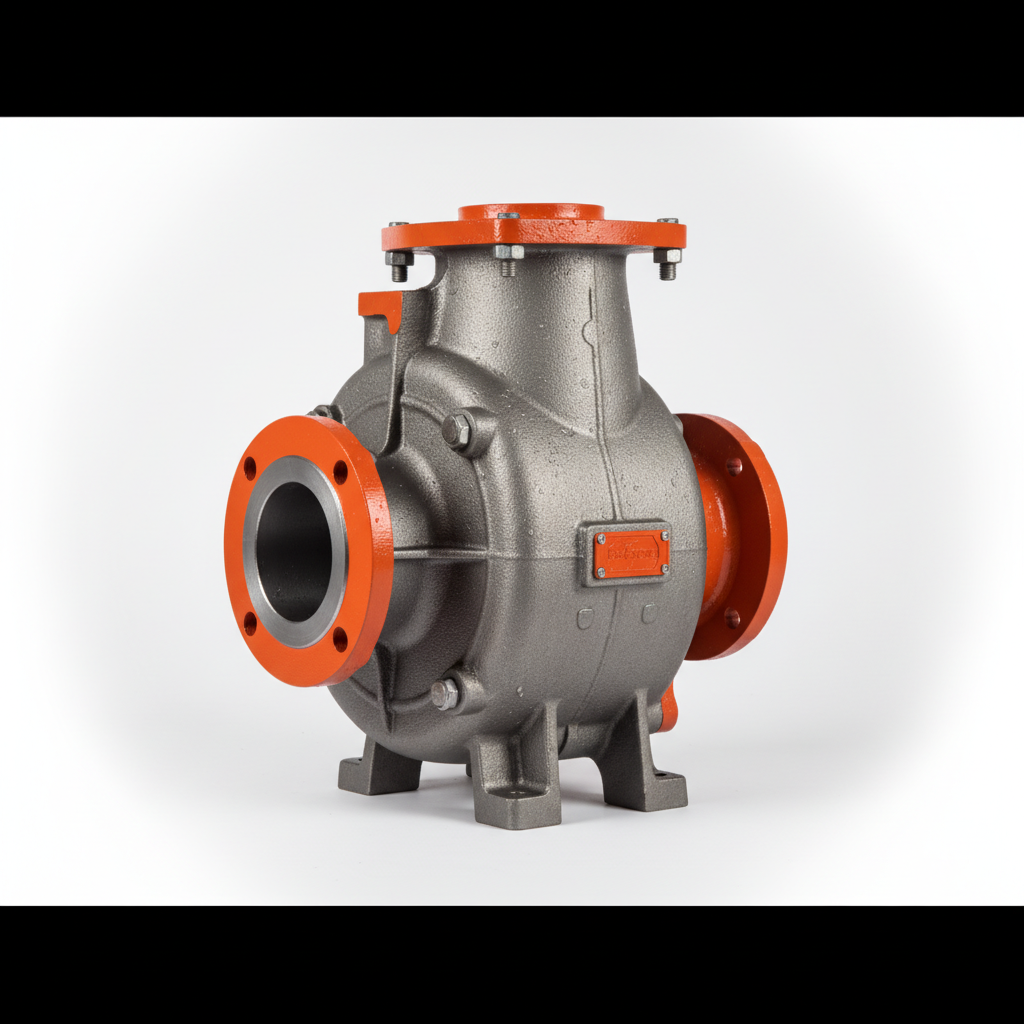
A water pump casing is the pressure-containing housing for a pump, providing a sealed enclosure for the impeller and other rotating components. It's designed to convert mechanical energy from the motor into fluid energy, efficiently transferring water or other liquids. The casing's internal geometry is crucial in guiding the flow of fluid and maximizing pump efficiency, and it needs to be robust enough to withstand the pressures generated during operation.
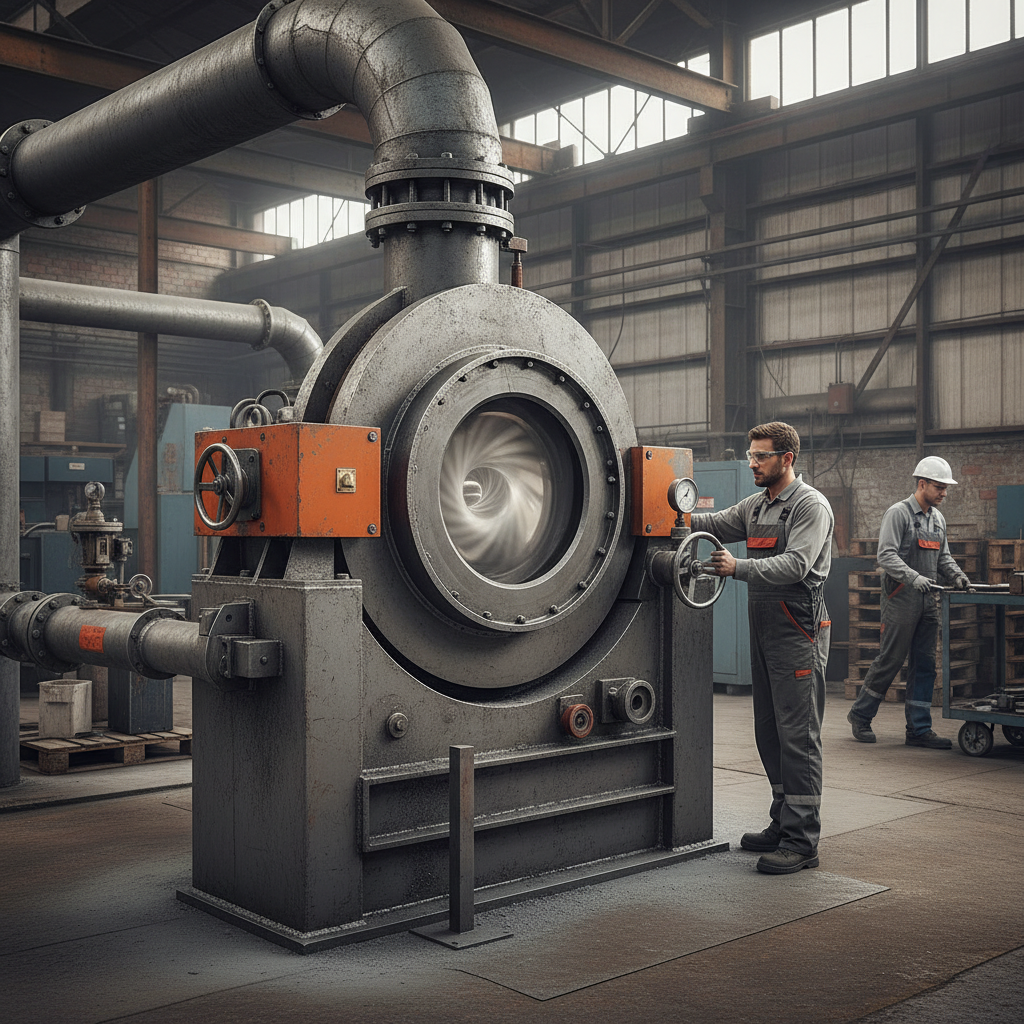
In the context of modern industry, a well-designed water pump casing is essential for a multitude of processes. From cooling systems in power plants to chemical transfer in manufacturing, and even life-support systems in hospitals, these casings play a vital role in maintaining operational integrity. The need for reliable and efficient water pumping is directly linked to humanitarian needs, ensuring access to safe drinking water and sanitation.
Beyond simply containing the pump’s mechanics, a high-quality casing contributes to reducing vibration, noise, and overall energy consumption. Advanced materials and precision manufacturing techniques are used to achieve these performance characteristics, making the casing an integral part of a comprehensive water management solution.
Key Factors or Core Components
Durability: The casing must withstand constant exposure to fluids, varying temperatures, and potentially corrosive substances. Materials like cast iron, stainless steel, and engineered polymers are commonly used to ensure long-term structural integrity. The durability of a water pump casing directly impacts the lifespan of the pump and reduces the need for frequent replacements.
Hydraulic Efficiency: The internal design of the casing—including the volute or diffuser—is critical for minimizing energy losses and maximizing the pump's hydraulic performance. Optimized flow paths reduce turbulence and improve overall efficiency, translating to lower energy costs and reduced environmental impact.
Pressure Resistance: Depending on the application, the casing must be capable of withstanding significant internal pressures. This requires careful material selection and structural design, ensuring the casing can safely operate under its intended conditions.
Corrosion Resistance: Exposure to various fluids can lead to corrosion, compromising the casing’s structural integrity. Selecting materials with inherent corrosion resistance, or applying protective coatings, is vital for ensuring long-term reliability, especially in harsh environments.
Manufacturing Precision: Accurate manufacturing tolerances are crucial for ensuring proper alignment of internal components and minimizing leakage. Precise casting and machining processes contribute to optimal pump performance and reduced maintenance requirements.
Weight Considerations: In certain applications, such as mobile pumping systems, the weight of the casing can be a significant factor. Lightweight materials like aluminum alloys or engineered polymers are often used to reduce overall weight without compromising structural integrity.
Global Applications & Use Cases
Water pump casings are indispensable across numerous sectors. In agriculture, they power irrigation systems vital for food production, particularly in arid and semi-arid regions. In municipal water treatment plants, casings house pumps that distribute clean drinking water to millions. Industrial facilities utilize them for cooling, process fluid transfer, and wastewater management.
In post-disaster relief operations, portable pumps with durable casings are essential for providing access to clean water and sanitation to affected communities. In remote industrial zones, like oil and gas fields or mining operations, robust casings are critical for maintaining uninterrupted operation in challenging environments.
The demand for specialized water pump casings is growing in emerging markets, particularly in regions undergoing rapid urbanization and industrialization. For example, countries in Southeast Asia and Africa are investing heavily in water infrastructure projects, driving the need for high-quality pumping solutions.
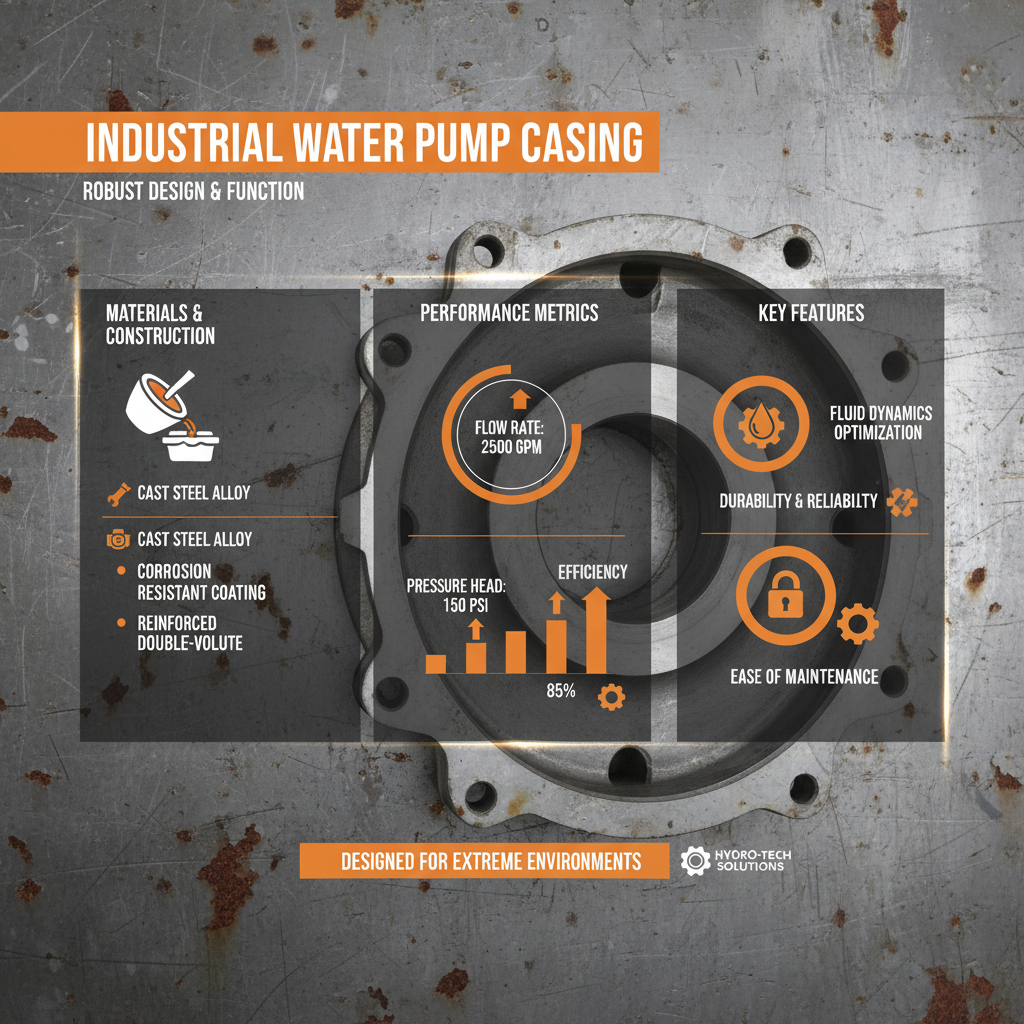
Performance Metrics of Different water pump casing Materials
Advantages & Long-Term Value
Investing in high-quality water pump casings translates to significant cost savings over the pump’s lifespan. Reduced maintenance, fewer repairs, and extended operational life all contribute to a lower total cost of ownership. Furthermore, efficient casing designs minimize energy consumption, resulting in lower operating costs and a smaller carbon footprint.
From a sustainability perspective, durable water pump casings reduce the need for frequent replacements, minimizing waste and conserving valuable resources. Choosing materials with high recyclability further enhances the environmental benefits. The long-term value extends to social impact as well—reliable water pumping systems improve public health, support economic development, and enhance quality of life.
A robust and reliable water pump casing also provides peace of mind. Knowing that critical infrastructure is protected by a high-performing component fosters trust and confidence in the system's ability to deliver essential services. This translates to increased safety, improved productivity, and a more resilient operation.
Future Trends & Innovations
The future of water pump casing technology is being shaped by several key trends. The development of new, lightweight materials – like advanced composites – is enabling the creation of casings that offer superior strength and corrosion resistance while reducing weight. Digital technologies, such as 3D printing and advanced simulation tools, are revolutionizing the design and manufacturing processes.
Integration of sensors and smart monitoring systems within the casing itself allows for real-time performance analysis, predictive maintenance, and optimized operation. This data-driven approach can significantly reduce downtime and improve overall efficiency. The increasing focus on sustainability is driving demand for eco-friendly materials and manufacturing processes.
Challenges & Solutions
One of the primary challenges in water pump casing design is balancing performance requirements with cost constraints. Optimizing material selection and manufacturing processes to achieve the desired level of durability and efficiency without exceeding budget limitations requires careful engineering and innovation. Another challenge is mitigating the risk of corrosion, particularly in harsh operating environments.
Solutions include the development of advanced coating technologies and the use of corrosion-resistant alloys. Utilizing advanced simulation tools to predict fluid flow patterns and stress concentrations can help optimize casing designs and prevent premature failure. Embracing additive manufacturing (3D printing) enables the creation of complex geometries tailored to specific application requirements.
Finally, promoting collaboration between manufacturers, researchers, and end-users is essential for identifying emerging challenges and developing innovative solutions that address the evolving needs of the water pump industry.
Summary of Core Challenges & Potential Solutions for water pump casing
| Challenge |
Severity (1-10) |
Potential Solution |
Implementation Cost (1-10) |
| Corrosion in Aggressive Fluids |
8 |
Specialized Alloy Selection & Coatings |
7 |
| High Manufacturing Costs |
7 |
Optimized Casting/Machining Processes |
6 |
| Weight of Traditional Materials |
6 |
Utilizing Lightweight Composites |
8 |
| Pressure Handling Capacity |
9 |
Advanced Structural Design & Materials |
9 |
| Maintaining Hydraulic Efficiency |
7 |
Computational Fluid Dynamics (CFD) Optimization |
5 |
| Supply Chain Disruptions |
5 |
Diversification of Suppliers & Local Production |
6 |
FAQS
Common materials include cast iron, stainless steel, ductile iron, and various polymers. Cast iron is cost-effective but can be prone to corrosion. Stainless steel offers excellent corrosion resistance but is more expensive. Ductile iron balances strength and cost, and polymers are used for lightweight applications or corrosive environments. The best material depends on the specific application and fluid being pumped.
The internal design – specifically the volute or diffuser shape – is crucial for guiding fluid flow and minimizing energy losses. A well-designed casing reduces turbulence, creates a smooth flow path, and optimizes pressure conversion. These factors directly contribute to higher pump efficiency and lower energy consumption. Computational Fluid Dynamics (CFD) is often used to refine casing designs for optimal performance.
Signs of a failing casing include visible cracks, leaks, excessive vibration, unusual noises, and a decrease in pump performance. Corrosion, erosion, and structural fatigue can all contribute to casing failure. Regular inspections and preventative maintenance can help identify potential issues before they lead to costly downtime.
Corrosion resistance is extremely important, especially in applications involving aggressive fluids or harsh environments. Corrosion can weaken the casing, leading to leaks, failures, and costly repairs. Selecting corrosion-resistant materials, applying protective coatings, or implementing cathodic protection are essential for ensuring long-term reliability.
Yes, 3D printing (additive manufacturing) is increasingly being used to create water pump casings, particularly for low-volume production runs or highly customized designs. It allows for complex geometries and the use of specialized materials. However, factors like material properties and production costs need to be carefully considered.
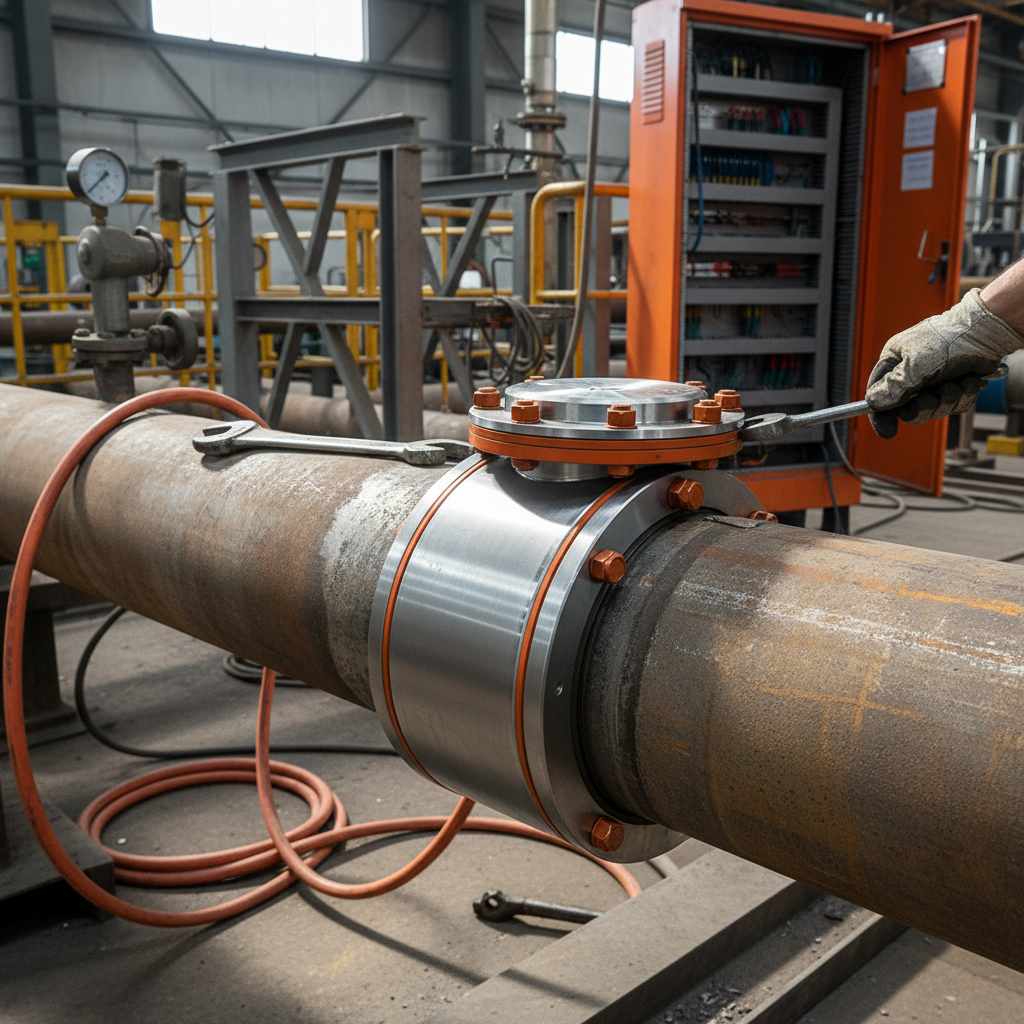
Regular maintenance includes visual inspections for cracks, leaks, or corrosion; cleaning to remove debris; and ensuring proper bolting and sealing. Lubricating bearings and checking for unusual vibrations are also important. Following the manufacturer's recommendations for maintenance schedules is crucial for extending the casing’s lifespan.
Conclusion
In conclusion, the water pump casing is a foundational component in countless essential systems. Its design, material, and manufacturing quality directly impact efficiency, reliability, and sustainability. Understanding the key factors governing casing performance – durability, hydraulic efficiency, corrosion resistance – is paramount for ensuring optimal operation and minimizing lifecycle costs. Continued innovation in materials science, manufacturing techniques, and digital technologies will continue to drive advancements in this critical field.
Looking forward, the integration of smart monitoring systems and the adoption of sustainable materials will be key trends shaping the future of water pump casing technology. By embracing these advancements, we can build more resilient, efficient, and environmentally responsible water management systems, contributing to a more sustainable future for all. For superior quality water pump casings, visit our website today: www.ydcastings.com