English

0%

Table of Contents

Stainless steel pipe cap are critical components in a vast array of industries, serving as robust and reliable end closures for piping systems. Their widespread use stems from the inherent properties of stainless steel – corrosion resistance, high strength, and durability – making them ideal for applications ranging from chemical processing and pharmaceuticals to food and beverage production and even residential plumbing. Understanding the nuances of these caps, from material grades to different types of connections, is paramount for ensuring system integrity and longevity.

The global demand for stainless steel pipe cap is intrinsically linked to infrastructure development, industrial growth, and increasingly stringent safety regulations. According to a report by the World Steel Association, stainless steel production reached over 50 million tonnes in 2022, highlighting its crucial role in modern manufacturing. The increasing focus on hygiene and process purity in sectors like food and pharmaceuticals drives the demand for high-quality stainless steel caps.

The effectiveness of stainless steel pipe cap lies in their ability to prevent leaks, maintain system pressure, and protect the contents of the piping from contamination. They are often the last line of defense in ensuring safe and efficient operations, and their selection is a vital part of any engineering design. This article will delve into the specifics of stainless steel pipe cap, their applications, advantages, and future trends.
The Critical Role of Stainless Steel Pipe Cap in Modern Industries

The Significance of Stainless Steel Pipe Cap

The Critical Role of Stainless Steel Pipe Cap in Modern Industries

The importance of a properly selected and installed stainless steel pipe cap cannot be overstated. It's the final barrier against leaks, contamination, and potential system failures. Choosing the wrong cap can lead to costly repairs, production downtime, and even safety hazards. Ensuring the cap’s material grade matches the piping system and the intended application is vital.

Beyond simple containment, stainless steel pipe cap contribute to the overall efficiency and sustainability of fluid handling systems. Their durability minimizes the need for frequent replacements, reducing waste and maintenance costs. Properly sealed systems also prevent energy loss and ensure accurate process control.

Defining Stainless Steel Pipe Cap

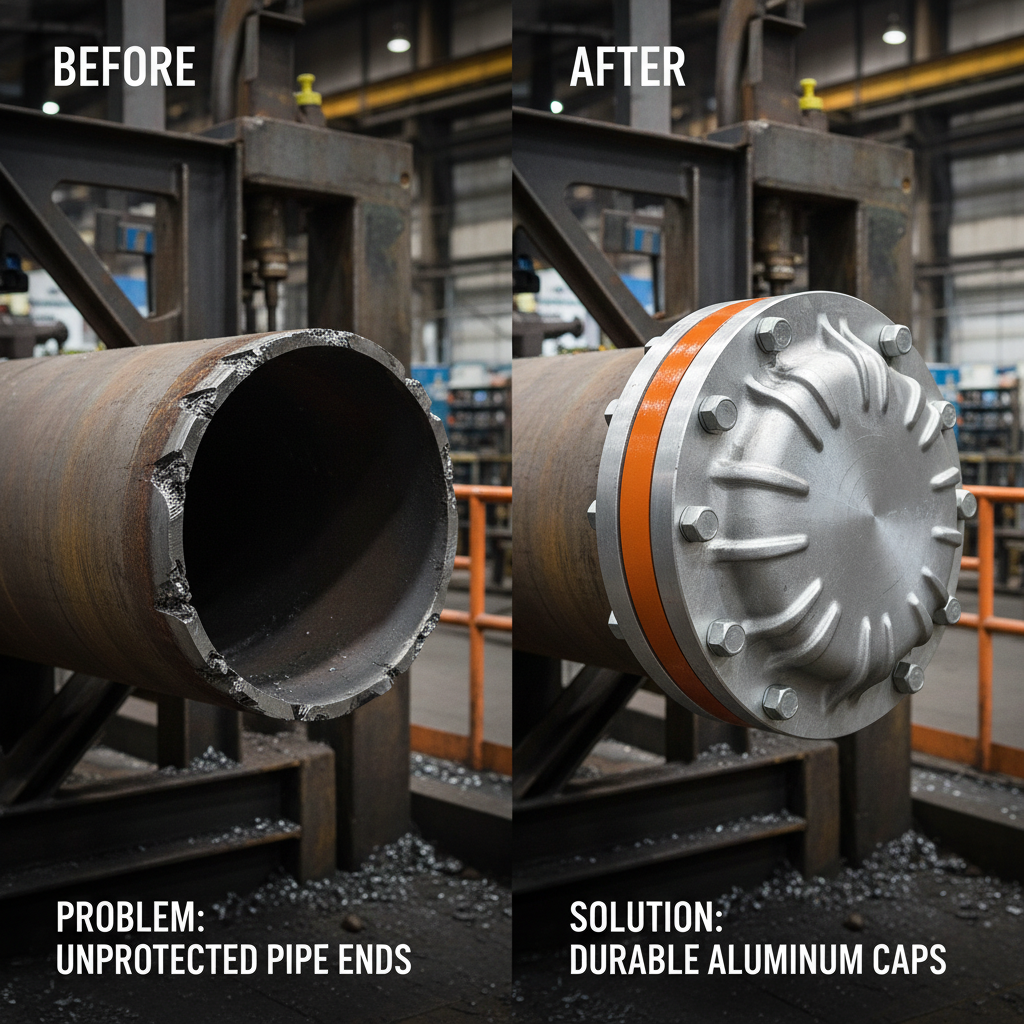
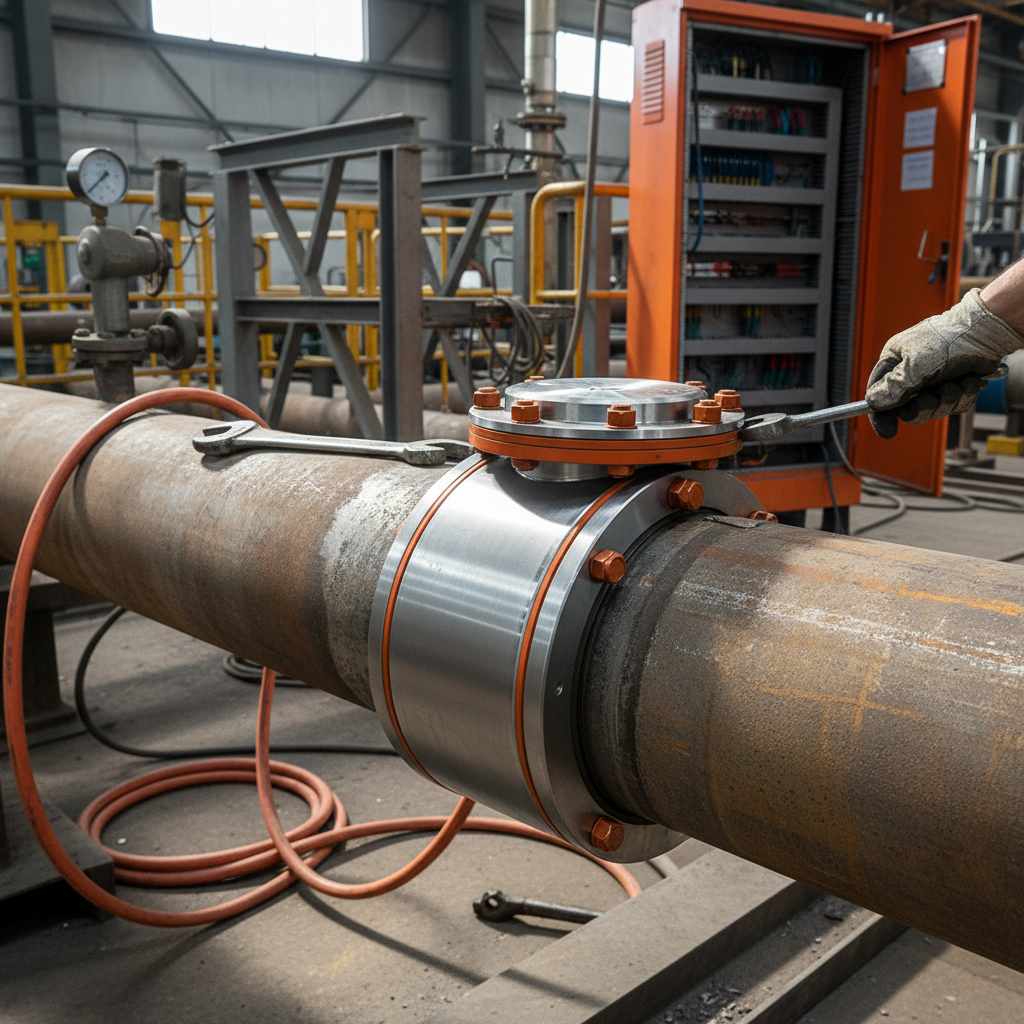
A stainless steel pipe cap is a fitting designed to cover and seal the open end of a pipe. It functions as an end closure, preventing the flow of fluids or gases and protecting the internal components of the piping system. They are typically manufactured from various grades of stainless steel, selected based on the specific application and the media being contained.

These caps come in various connection types, including threaded, welded, and flanged, each offering unique advantages in terms of installation, sealing integrity, and maintenance requirements. The selection process heavily depends on factors like pressure rating, temperature, and compatibility with the fluid or gas being handled.

In the modern industrial landscape, stainless steel pipe cap are integral to maintaining the integrity of complex fluid handling systems across numerous sectors. From ensuring the purity of potable water to safely transporting corrosive chemicals, these components play a vital, often unseen, role in our daily lives.

Core Properties and Material Grades

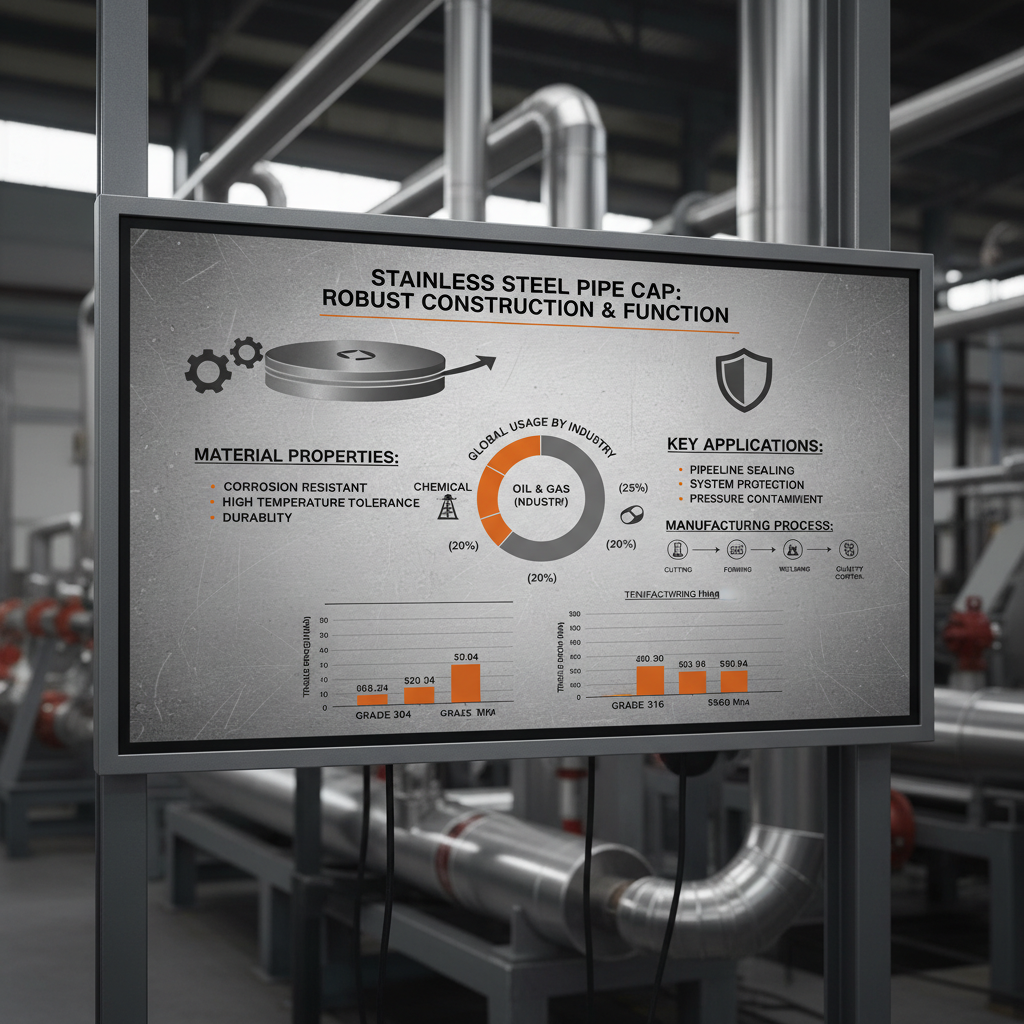
The defining characteristic of stainless steel is its resistance to corrosion, thanks to the presence of chromium. However, different grades of stainless steel offer varying levels of corrosion resistance, strength, and temperature tolerance. Common grades used in pipe cap manufacturing include 304/304L, 316/316L, and duplex stainless steels.

304/304L stainless steel is a general-purpose grade known for its excellent corrosion resistance and weldability. 316/316L offers superior resistance to chlorides and is commonly used in marine environments and chemical processing. Duplex stainless steels combine the benefits of austenitic and ferritic stainless steels, providing high strength and excellent corrosion resistance. Selecting the appropriate grade is crucial for long-term performance.

Beyond composition, factors like surface finish and manufacturing processes influence the corrosion resistance of stainless steel pipe cap. Polished surfaces offer better resistance to the adhesion of contaminants, while proper welding techniques ensure the integrity of the cap’s seal and prevent localized corrosion.

Key Factors Influencing Performance

Several factors contribute to the optimal performance of a stainless steel pipe cap. Thread accuracy and quality are paramount for threaded caps, ensuring a tight and leak-proof seal. For welded caps, the welding procedure and the skill of the welder significantly impact the cap's structural integrity and corrosion resistance.

Pressure and temperature ratings are also critical considerations. Caps must be selected to withstand the maximum operating pressure and temperature of the system. Compatibility with the fluid or gas being contained is crucial to prevent corrosion or material degradation.

Stainless Steel Pipe Cap Performance Metrics


Global Applications and Industry Impact

Stainless steel pipe cap find extensive applications across a multitude of industries. In the pharmaceutical sector, they ensure the sterility and purity of critical fluid handling systems. In the food and beverage industry, they are used in processing equipment to maintain hygiene standards.

Chemical processing plants rely on stainless steel pipe cap to safely contain corrosive substances. Oil and gas pipelines utilize them to prevent leaks and ensure efficient transportation of hydrocarbons. Even in residential plumbing, stainless steel caps are increasingly preferred for their durability and resistance to corrosion.

Advantages and Long-Term Value Proposition

The advantages of using stainless steel pipe cap are numerous. Their exceptional corrosion resistance translates to a longer lifespan, reducing replacement costs and minimizing downtime. Their high strength and durability ensure reliable performance, even under demanding conditions.

The long-term value extends beyond cost savings. Stainless steel is a recyclable material, contributing to sustainable practices. Its hygienic properties contribute to product safety and quality. And its reliability fosters trust and confidence in the integrity of the entire system.

Future Trends and Innovations in Stainless Steel Pipe Cap

Ongoing research and development are focused on enhancing the performance and sustainability of stainless steel pipe cap. Innovations in alloy composition are leading to even greater corrosion resistance and strength. Advanced manufacturing techniques, such as additive manufacturing (3D printing), are enabling the creation of custom caps with complex geometries.

The integration of smart sensors into pipe cap is an emerging trend, allowing for real-time monitoring of pressure, temperature, and corrosion levels. These sensors can provide valuable data for predictive maintenance and prevent catastrophic failures. Furthermore, the increasing focus on circular economy principles is driving the development of more efficient recycling processes for stainless steel.

The shift towards green energy and sustainable manufacturing processes is also influencing the demand for high-quality, durable stainless steel pipe cap that can withstand the rigors of these new applications.

FAQS

What factors should I consider when choosing a stainless steel pipe cap?

When selecting a stainless steel pipe cap, consider the fluid or gas being contained, the operating pressure and temperature, the connection type required (threaded, welded, flanged), and the grade of stainless steel needed for optimal corrosion resistance. Compatibility with existing piping materials is also crucial. A thorough assessment of these factors will ensure the cap provides long-term reliability and prevents failures.

What is the difference between 304 and 316 stainless steel pipe cap?

304 stainless steel is a general-purpose grade with excellent corrosion resistance. 316 stainless steel contains molybdenum, which significantly improves its resistance to chloride corrosion, making it ideal for marine environments and applications involving chemicals. 316 is typically more expensive than 304 but offers superior performance in harsh conditions.

How do I ensure a leak-proof seal with a threaded stainless steel pipe cap?

To ensure a leak-proof seal, use appropriate pipe thread sealant (PTFE tape or pipe dope) and tighten the cap to the manufacturer's specified torque. Ensure the threads on both the cap and the pipe are clean and undamaged. Avoid over-tightening, which can damage the threads and compromise the seal.

Are stainless steel pipe cap suitable for high-temperature applications?

Some grades of stainless steel, such as 316L, are suitable for high-temperature applications, but it depends on the specific temperature and the duration of exposure. Consult the manufacturer's specifications to determine the maximum operating temperature for a particular cap. Consider using specialized high-temperature alloys for extreme conditions.

What is the best way to prevent corrosion in stainless steel pipe cap?

Regular cleaning and inspection are essential for preventing corrosion. Avoid exposing stainless steel to chlorides or other corrosive substances whenever possible. Select the appropriate grade of stainless steel for the application and ensure proper welding techniques are used if welding is required. Passivation treatments can also enhance corrosion resistance.

Can stainless steel pipe caps be recycled?

Yes, stainless steel is highly recyclable. Recycling stainless steel conserves natural resources and reduces energy consumption. Many scrap metal recyclers accept stainless steel pipe caps. Ensure the caps are free of contaminants before recycling.

Conclusion

In conclusion, stainless steel pipe cap are indispensable components in a wide range of industries, providing reliable and durable end closures for piping systems. Their corrosion resistance, high strength, and versatility make them a preferred choice over other materials. Selecting the appropriate grade of stainless steel, connection type, and ensuring proper installation are crucial for maximizing their performance and lifespan.

Looking ahead, innovations in alloy composition, manufacturing techniques, and smart sensor integration will further enhance the capabilities of stainless steel pipe cap. Embracing sustainable practices, such as recycling and responsible material sourcing, will be essential for ensuring their long-term viability and minimizing environmental impact. For high-quality stainless steel pipe cap and expert advice, visit our website: stainless steel pipe cap.

Robert Miller

Robert Miller

Robert Miller is a seasoned Mechanical Engineer at Hebei Yuanda Trade Co., Ltd., with over 15 years of experience in the metal casting industry. He specializes in sand casting and lost foam casting for pump and automotive applications. Robert is instrumental in bridging the gap between customer specifications and our
Previous The Critical Role of Water Pump Casing in Modern Infrastructure Systems
Next Advancements in Vortex Casing Technology for Efficient Fluid Handling Systems