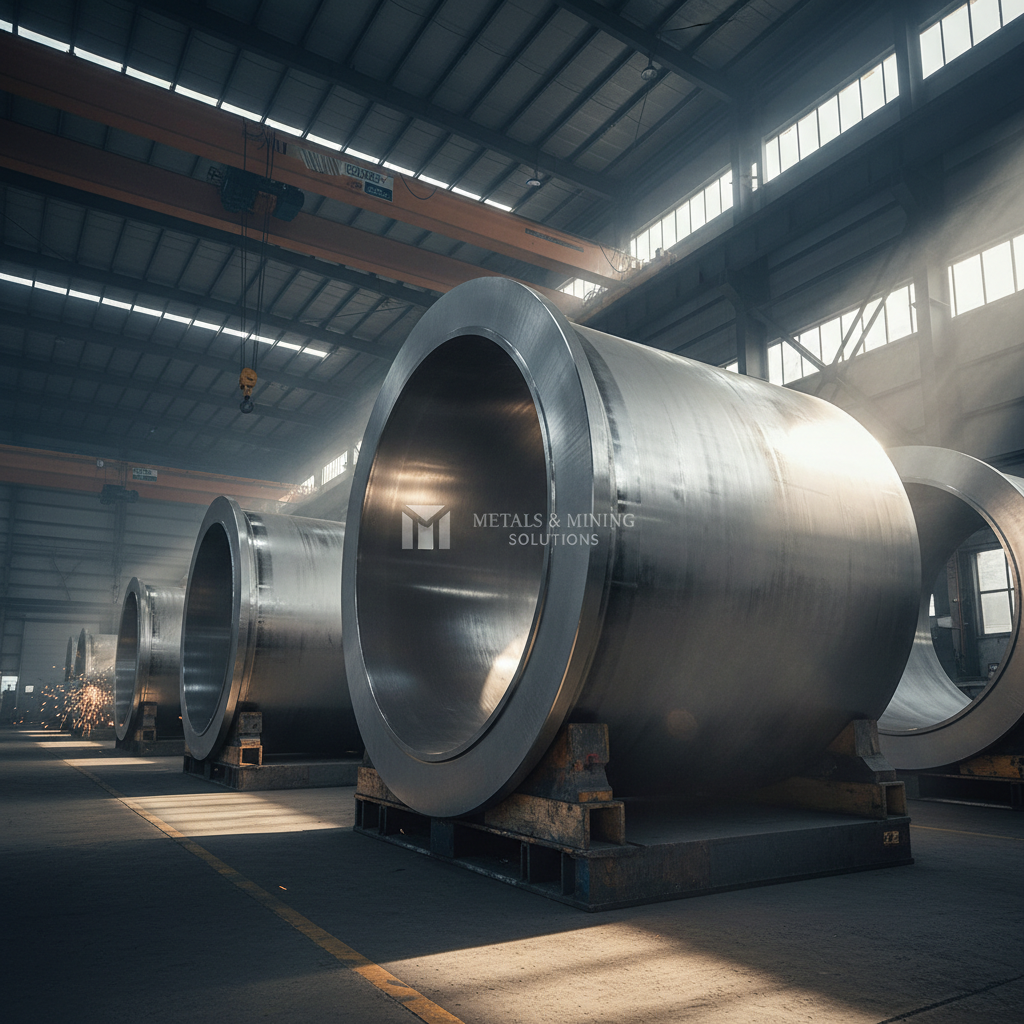
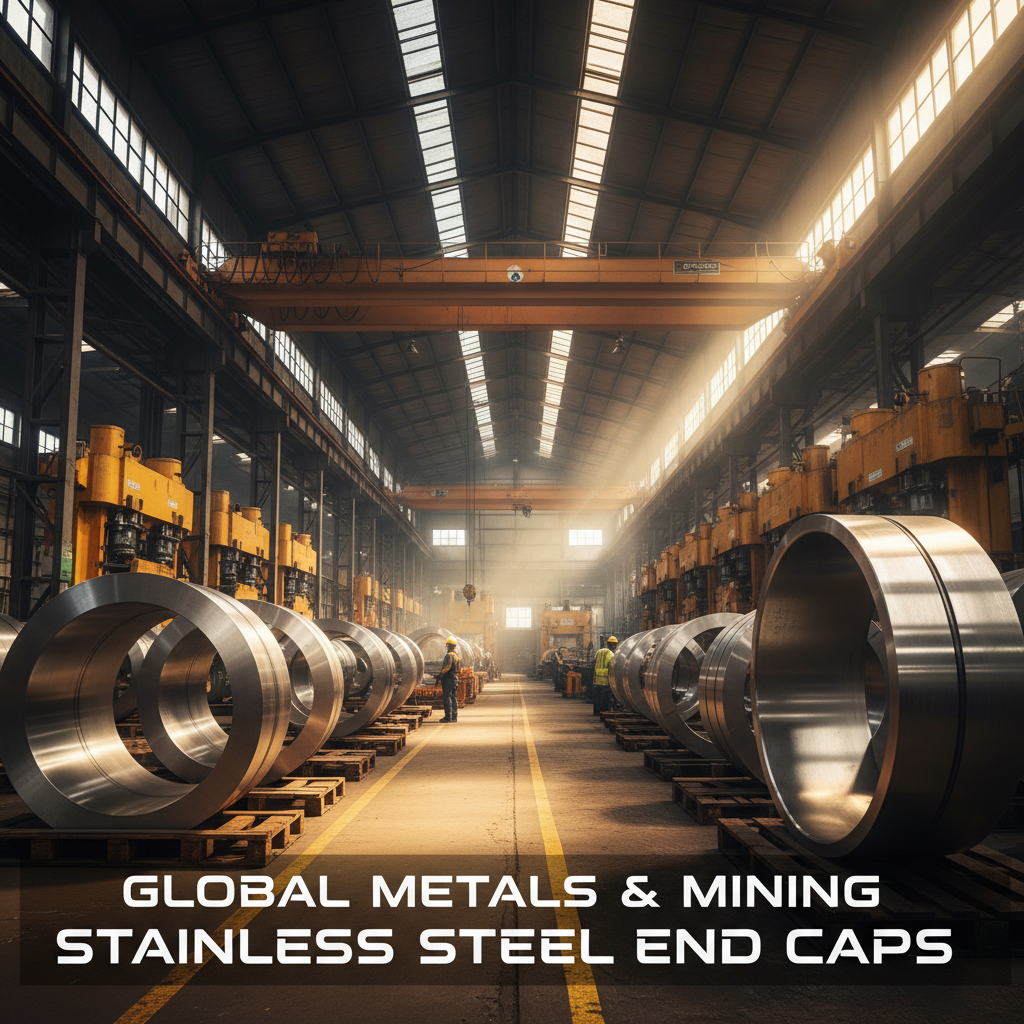
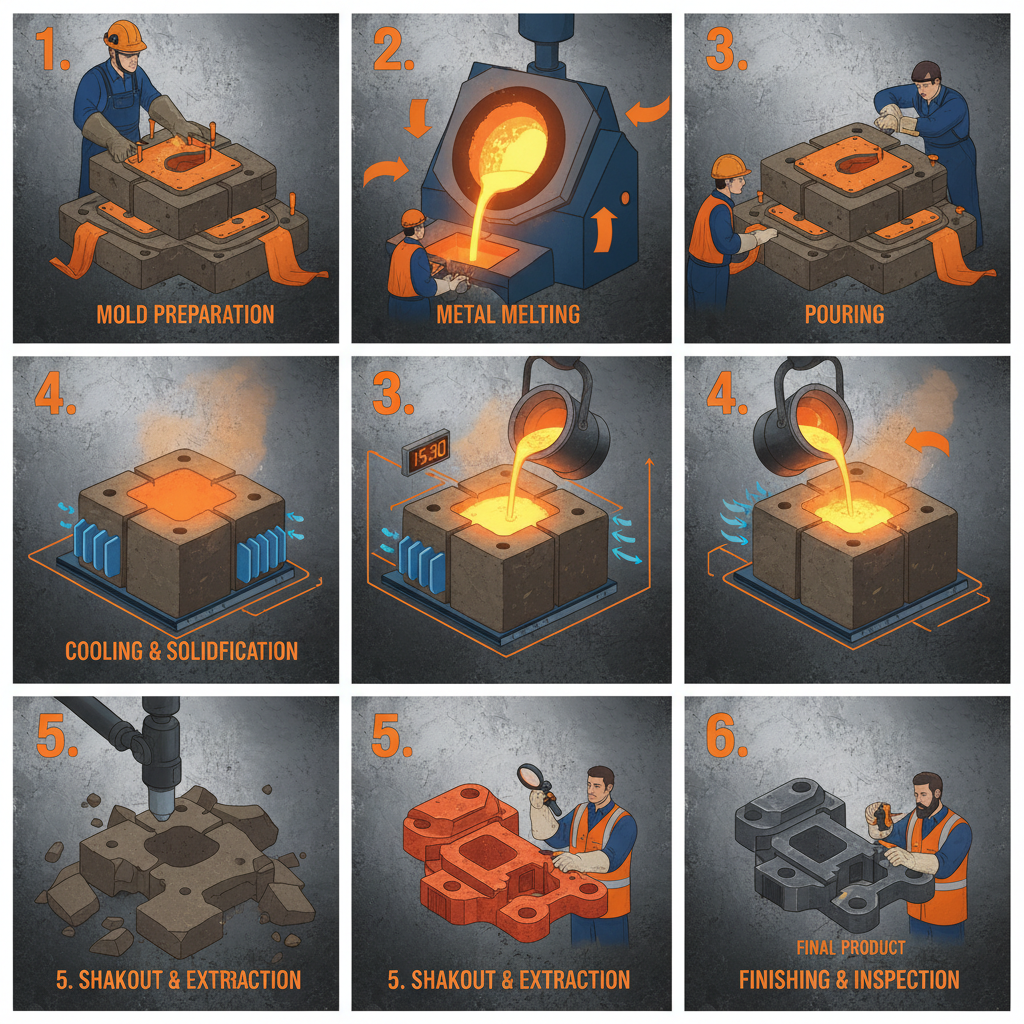
Stainless steel end caps are critical components in a wide array of industries, ranging from plumbing and construction to chemical processing and marine engineering. Their importance stems from their ability to provide a secure, leak-proof seal for pipes, tubes, and vessels, protecting the integrity of the systems they serve. Understanding the properties, applications, and advancements in stainless steel end cap technology is therefore paramount for engineers, designers, and procurement professionals alike.
The global market for stainless steel end caps is substantial and continues to grow, driven by increasing infrastructure development, stringent safety regulations, and the demand for corrosion-resistant materials. According to industry reports, the market is projected to reach significant valuations in the coming years, with key growth areas in emerging economies. This growth underscores the essential role these components play in modern infrastructure and industrial processes.
The benefits of utilizing stainless steel end caps are numerous. Beyond corrosion resistance, they offer high strength, durability, and compatibility with a wide range of fluids and pressures. This makes them a reliable and cost-effective solution for applications where failure is not an option, contributing to the long-term safety and efficiency of countless systems.
Introduction to Stainless Steel End Caps
Stainless steel end caps represent a fundamental element in fluid handling systems across numerous sectors. Their primary function is to terminate piping, providing a secure closure that prevents leakage and maintains system integrity. The choice of stainless steel as a material provides exceptional corrosion resistance, making these components ideal for use in harsh environments where other materials would quickly degrade.
The evolution of stainless steel end caps has seen continuous improvements in manufacturing processes, material grades, and design features. These advancements have resulted in end caps that are not only more durable and reliable but also offer enhanced performance characteristics tailored to specific application requirements. Understanding these developments is crucial for selecting the optimal end cap for a given task.
Defining Stainless Steel End Caps
Stainless steel end caps are closures designed to be welded, threaded, or otherwise attached to the open end of a pipe, tube, or fitting. They provide a protective barrier against contaminants and prevent the escape of fluids or gases contained within the system. Fundamentally, they serve the same purpose as end caps made from other materials, but the use of stainless steel distinguishes them through superior resistance to corrosion, oxidation, and high temperatures.
The connection to modern industry is undeniable. Stainless steel end caps are integral to industries like pharmaceuticals, food and beverage processing, oil and gas, and chemical manufacturing, where maintaining product purity and safety is paramount. Their role extends beyond these industries, impacting everyday life through applications in water supply systems, building infrastructure, and transportation.
In essence, stainless steel end caps represent a critical link in maintaining the efficiency and reliability of countless industrial and commercial operations. Their seemingly simple function underpins the safety and functionality of complex systems relied upon worldwide.
Core Characteristics of Stainless Steel End Caps
The defining characteristic of stainless steel end caps is, of course, their resistance to corrosion. This is due to the presence of chromium in the alloy, which forms a passive layer that protects the underlying metal from environmental attack. Different grades of stainless steel offer varying levels of corrosion resistance, with 304 and 316 being the most common choices for end caps.
Another critical factor is the strength and durability of stainless steel. It can withstand high pressures and temperatures without deformation or failure, ensuring the long-term integrity of the piping system. The mechanical properties can be further enhanced through heat treatment and other processing techniques.
Furthermore, stainless steel end caps exhibit excellent weldability, allowing for seamless integration into existing piping networks. This simplifies installation and reduces the risk of leaks. They also maintain their structural integrity over a wide range of temperatures, making them suitable for diverse applications. Finally, the material is hygienic and easy to clean, crucial for applications in food processing and pharmaceutical industries.
Global Applications of Stainless Steel End Caps
Stainless steel end caps are extensively used in the chemical processing industry to handle corrosive chemicals and maintain process purity. In the oil and gas sector, they are vital for transporting and storing hydrocarbons in harsh offshore environments. The food and beverage industry relies on these end caps for hygienic fluid handling during production and packaging.
Across the globe, applications are diverse. In Europe, stringent environmental regulations drive demand for corrosion-resistant materials like stainless steel in water and wastewater treatment plants. North America utilizes these end caps extensively in pharmaceutical manufacturing and the energy sector. In Asia, rapid industrialization fuels demand in infrastructure development and chemical production.
Even in remote industrial zones or in post-disaster relief operations, stainless steel end caps play a crucial role, providing reliable and long-lasting solutions for critical infrastructure needs. Their durability and resistance to degradation make them a preferred choice in challenging environments.
Application Performance of Stainless Steel End Caps
Advantages and Long-Term Value
The primary advantage of using stainless steel end caps lies in their exceptional lifespan and minimal maintenance requirements. This translates directly into reduced lifecycle costs compared to alternative materials like carbon steel or plastic. The long-term reliability minimizes downtime and reduces the need for frequent replacements, significantly impacting operational efficiency.
Beyond cost savings, stainless steel end caps contribute to sustainability by reducing waste and conserving resources. Their durability means fewer replacements are needed, lowering the environmental footprint of industrial operations. They also promote safety by ensuring the integrity of fluid handling systems, preventing leaks and potential hazards.
Future Trends in Stainless Steel End Caps
The future of stainless steel end caps is intertwined with advancements in materials science and manufacturing technology. We are seeing the development of new stainless steel alloys with enhanced corrosion resistance and mechanical properties, specifically tailored for demanding applications. These include duplex and super-duplex stainless steels.
Digital transformation is also playing a role, with the integration of sensors and data analytics to monitor the performance of end caps and predict potential failures. This predictive maintenance approach can optimize maintenance schedules and prevent costly downtime. Automation in the manufacturing process further improves precision and reduces production costs.
Challenges and Mitigation Strategies
One significant challenge is the potential for pitting corrosion in chloride-rich environments. This can be mitigated by selecting appropriate stainless steel grades (like 316) and implementing proper surface treatment techniques. Another concern is the cost of high-performance stainless steel alloys, which can be substantial.
To address the cost issue, careful material selection and optimized design can minimize the amount of expensive alloy required. Furthermore, exploring alternative joining methods, such as orbital welding, can enhance the integrity of the connection and reduce the risk of failure. Ongoing research into new materials and manufacturing processes continues to offer potential solutions.
Maintaining quality control throughout the manufacturing process is also critical, ensuring that end caps meet stringent industry standards and performance requirements. Regular inspections and testing are essential to identify and address any defects before they can lead to problems in the field.
Summary of Key Challenges and Mitigation Strategies for Stainless Steel End Caps
| Challenge |
Severity (1-10) |
Mitigation Strategy |
Implementation Cost (1-10) |
| Pitting Corrosion |
7 |
Use 316 Stainless Steel, Surface Treatment |
4 |
| High Material Cost |
8 |
Optimize Design, Selective Alloy Use |
3 |
| Welding Defects |
6 |
Orbital Welding, Qualified Welders |
5 |
| Manufacturing Tolerances |
5 |
Automated Manufacturing, Quality Control |
6 |
| Supply Chain Disruptions |
4 |
Diversify Suppliers, Maintain Inventory |
2 |
| Lack of Standardization |
3 |
Adherence to Industry Standards (e.g., ASTM) |
1 |
FAQS
The two most prevalent grades are 304 and 316 stainless steel. 304 offers excellent corrosion resistance in a wide range of applications, while 316 contains molybdenum, enhancing its resistance to chloride corrosion, making it ideal for marine environments and chemical processing. The selection depends on the specific environmental conditions and fluid handled.
Accurate sizing is crucial for a leak-proof seal. You'll need to know the outer diameter of the pipe or tube you're capping. Thread type (NPT, BSP, etc.) must match the threads on the existing piping system. Refer to piping schematics, use a thread gauge, or consult with a qualified engineer to ensure compatibility. Incorrect sizing can lead to significant issues.
TIG (Tungsten Inert Gas) welding is generally recommended for stainless steel end caps due to its precision and ability to create clean, high-quality welds. Using the correct filler metal, maintaining proper shielding gas flow, and ensuring the weld area is clean are essential for achieving a strong and corrosion-resistant joint. Avoid overheating the material.
Selecting the appropriate grade of stainless steel is the first step. For chloride-rich environments, 316 is preferred. Regular cleaning and passivation can help restore the protective chromium oxide layer. Avoid contact with dissimilar metals that can cause galvanic corrosion. Consider applying protective coatings for particularly severe conditions.
Yes, stainless steel end caps can be designed and manufactured to withstand high pressures. The pressure rating depends on the material grade, wall thickness, and the type of connection (welded, threaded, etc.). Ensure the end cap is certified to meet the required pressure standards for your application. Consult with a qualified engineer for critical applications.
Threaded end caps offer easier installation and removal, making them suitable for applications where frequent access is needed. Welded end caps provide a stronger, more permanent connection and are often preferred for high-pressure or critical applications. The choice depends on the specific requirements of the system.
Conclusion
In conclusion, stainless steel end caps are indispensable components across a multitude of industries, providing reliable, durable, and corrosion-resistant solutions for terminating piping systems. Their versatility, long-term value, and increasing sophistication driven by materials science and technology, make them a critical element in ensuring the safe and efficient operation of countless processes globally. Understanding the nuances of their selection, application, and maintenance is key to maximizing their benefits.
Looking ahead, continued innovation in stainless steel alloys, manufacturing techniques, and predictive maintenance strategies will further enhance the performance and longevity of these vital components. By embracing these advancements and adhering to best practices, industries can ensure the continued integrity and reliability of their fluid handling systems, contributing to both economic prosperity and environmental sustainability. Visit our website at stainless steel end caps to explore our comprehensive range of products and solutions.