Maintaining the integrity of fluid systems often comes down to the smallest components, and a high-quality cap for garden hose serves as a critical barrier against contamination and water waste. In both residential gardening and industrial OEM applications, the ability to securely seal a line prevents debris from entering the system and ensures that pressure is maintained when the line is not in active use.
From a global perspective, the demand for precision-engineered hose accessories has grown as water conservation policies become more stringent. A malfunctioning or low-quality seal can lead to thousands of gallons of wasted water annually, making the selection of a durable, leak-proof cap a matter of both economic efficiency and environmental responsibility.
Whether you are sourcing components for pump parts, valve systems, or general hardware, understanding the metallurgy and design of a cap for garden hose is essential. This guide explores the technical nuances, material science, and industrial applications that transform a simple accessory into a vital piece of equipment.
The Industrial Significance of Garden Hose Caps
In the realm of metal casting and processing, a cap for garden hose is more than a simple plastic lid; it is a precision-engineered component designed to withstand specific torque and pressure requirements. When integrated into larger systems like pump parts or valve assemblies, these caps prevent the ingress of particulates that could cause catastrophic failure in high-pressure environments.
The global relevance of these components is highlighted by the ISO standards governing fluid connectors. By ensuring a standardized fit and a reliable seal, manufacturers can reduce downtime in industrial settings and prevent the degradation of expensive hose materials, thereby extending the overall lifecycle of the irrigation or cooling system.
Material Science and Durability Factors
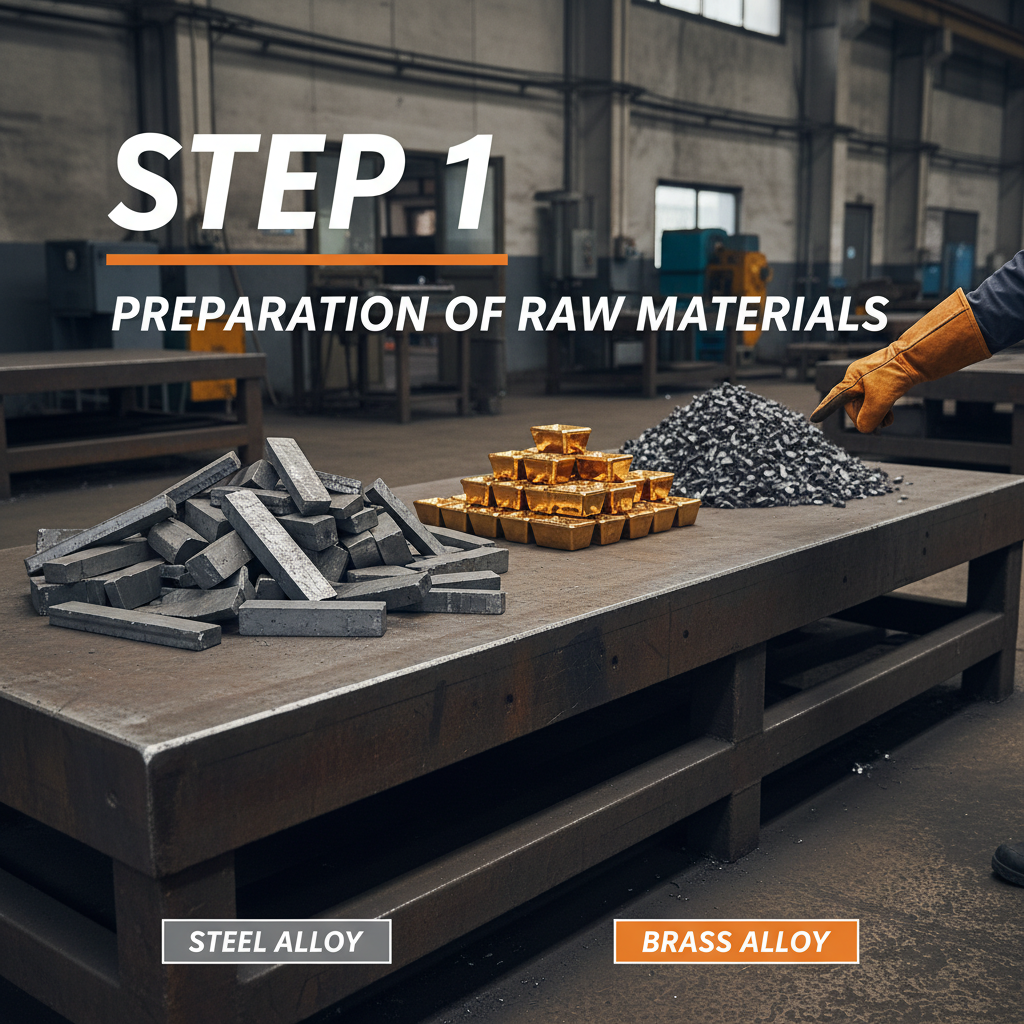
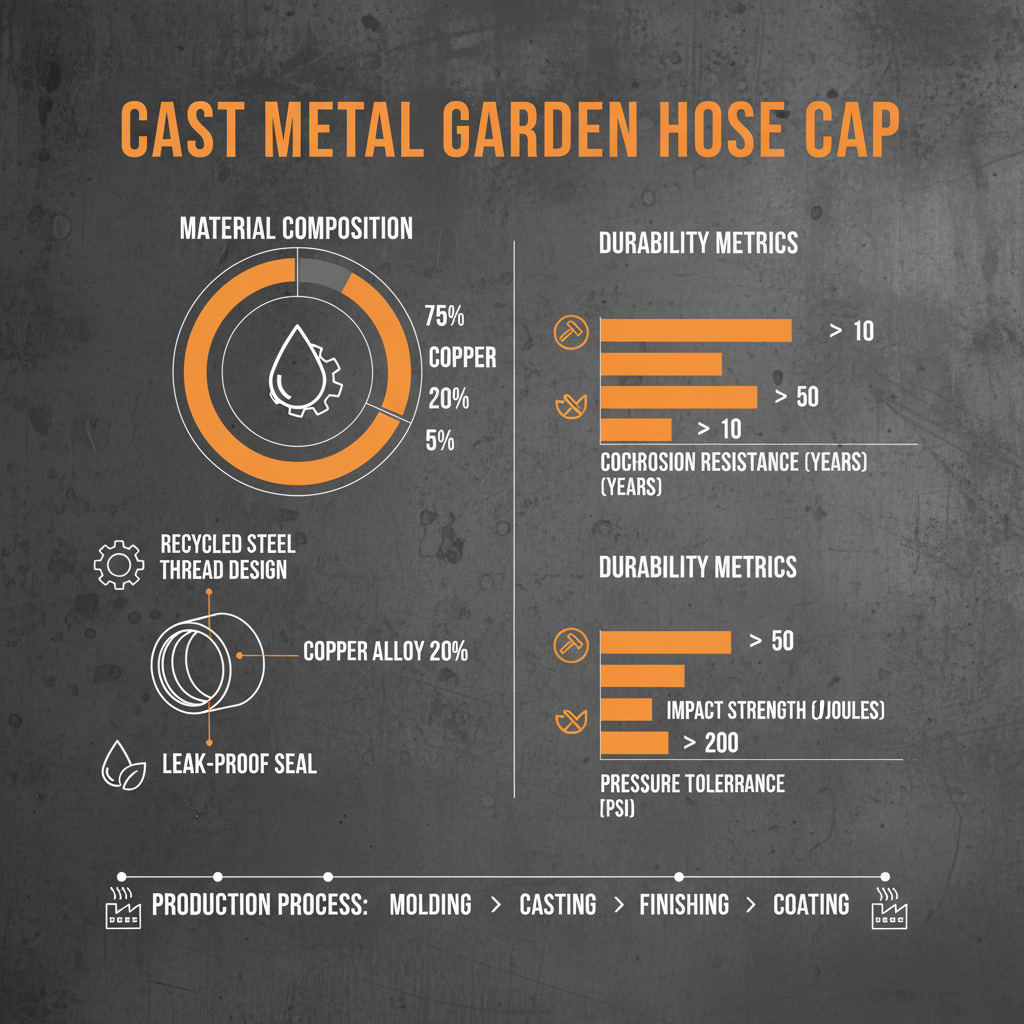
The selection of materials for a cap for garden hose determines its resistance to corrosion, UV degradation, and mechanical wear. While plastic is common for consumer-grade products, industrial-grade caps often utilize brass, stainless steel, or reinforced polymers to handle extreme temperature fluctuations and chemical exposure.
Durability is further enhanced through advanced casting techniques that eliminate porosity in the metal. A dense, uniform grain structure ensures that the threads of the cap do not strip under heavy use, which is a common failure point in low-cost alternatives. This focus on material integrity is what separates OEM-quality parts from generic hardware.
Furthermore, the addition of corrosion-resistant coatings or plating allows these caps to function in saline or acidic environments. For those in the electric power accessories or pump parts sectors, utilizing materials that resist oxidation is paramount to maintaining a leak-proof seal over several years of outdoor exposure.
Engineering the Perfect Seal for Fluid Systems
The mechanical efficiency of a cap for garden hose depends heavily on the geometry of its internal seating. A precision-machined thread ensures a tight fit, reducing the reliance on excessive force which can deform the hose coupling.
Integration of EPDM or nitrile rubber gaskets within the cap for garden hose creates a compression seal that is virtually impermeable. This hybrid approach combines the structural strength of metal casting with the flexibility of elastomers, ensuring a drip-free experience even under fluctuating water pressures.
From a design perspective, ergonomics also play a role. Knurled edges or winged handles allow users to achieve the necessary torque for a secure seal without needing specialized tools, bridging the gap between industrial robustness and user-friendly application.
Performance Comparison of Sealing Methods
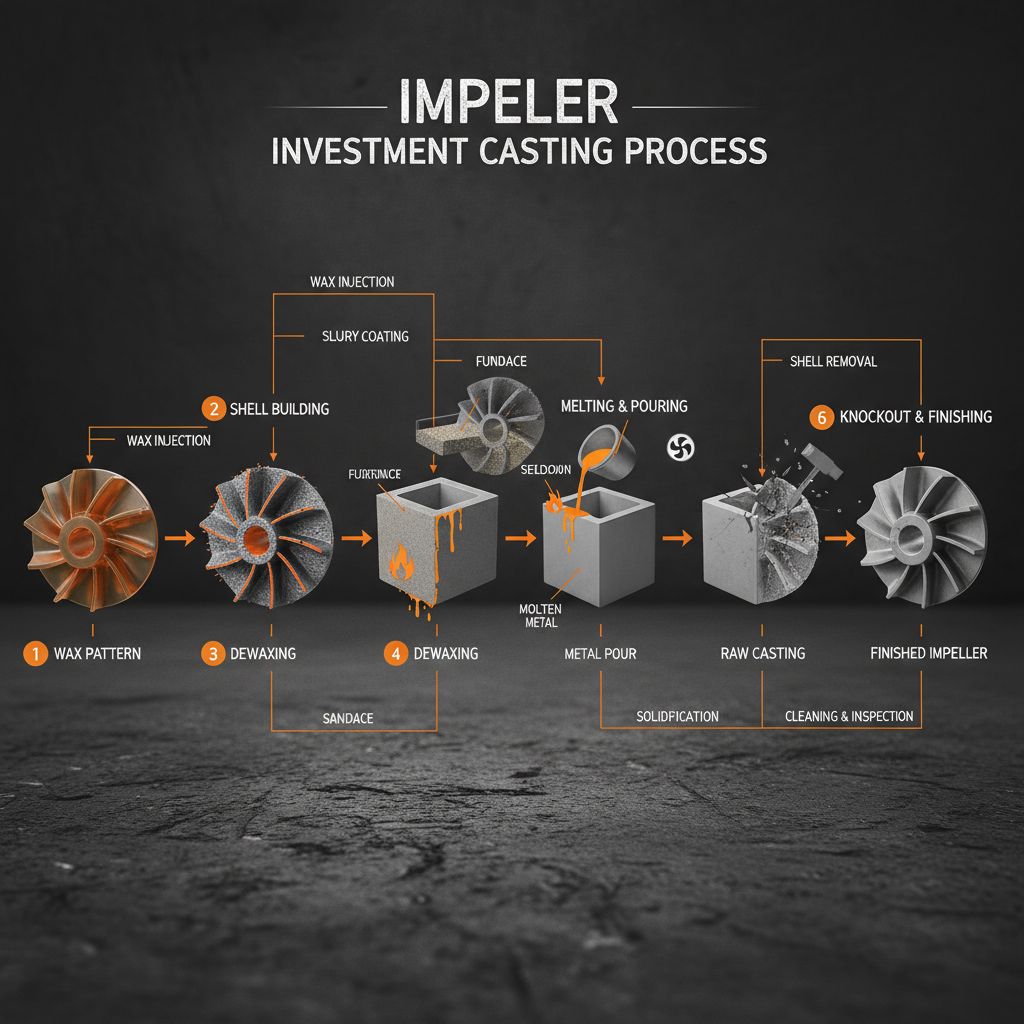
Different manufacturing methods for a cap for garden hose result in varying levels of pressure resistance and longevity. Investment casting provides superior detail and tighter tolerances compared to die-casting, which is essential for high-end pump and valve parts.
To better understand the efficacy of various cap designs, we analyze the performance ratings based on seal integrity, ease of installation, and resistance to wear over a 12-month period.
Sealing Efficiency by Cap Design Type
Global Applications Across Diverse Sectors
The utility of a cap for garden hose extends far beyond the residential backyard. In agricultural sectors across Southeast Asia and Africa, these caps are essential for protecting irrigation lines from silt and insect infestation during the off-season, ensuring that water delivery systems remain operational without expensive dredging or flushing.
In industrial zones, particularly within the electric power and pump parts industries, specialized caps are used to seal off temporary cooling lines. By preventing the entry of moisture and corrosive agents during maintenance shutdowns, these components reduce the risk of internal oxidation and extend the operational life of the entire fluid transport network.
Long-Term Economic and Environmental Value
Investing in a high-quality cap for garden hose provides immediate tangible benefits through the reduction of water waste. In regions facing severe drought, a secure seal on every outlet can collectively save millions of cubic meters of water, aligning industrial operations with global sustainability goals.
From an economic standpoint, the "buy once, cry once" philosophy applies here. While a precision-cast metal cap has a higher initial cost than a plastic one, its lifespan is often ten times longer. This reduces the frequency of replacement and the volume of plastic waste entering landfills, creating a circular economy of durability.
Beyond the numbers, there is a psychological value in reliability. In critical OEM applications, knowing that a system is hermetically sealed provides peace of mind to engineers and operators, ensuring that safety protocols are met and that equipment remains in peak condition regardless of the environment.
Future Innovations in Casting and Design
The future of the cap for garden hose lies in the integration of smart materials and additive manufacturing. We are seeing a shift toward 3D-printed metal components that allow for complex internal geometries, enabling "self-sealing" mechanisms that adapt to the pressure of the fluid without requiring manual tightening.
Sustainability is also driving the adoption of recycled alloys in the casting process. By using reclaimed brass and aluminum, manufacturers can produce industrial-grade caps with a significantly lower carbon footprint, meeting the green energy mandates of the modern era.
Moreover, the trend toward digitalization is bringing "smart caps" into existence—components embedded with sensors that can detect leaks or pressure drops and alert operators via IoT networks. This transforms a passive accessory into an active part of a predictive maintenance strategy.
Analysis of Cap Material and Design Specifications
| Material Type |
Pressure Rating (PSI) |
Corrosion Resistance |
Expected Lifespan |
| Industrial Brass |
150-300 |
High |
10+ Years |
| Stainless Steel 316 |
500+ |
Extreme |
20+ Years |
| Reinforced PVC |
50-100 |
Moderate |
2-3 Years |
| Aluminum Alloy |
100-200 |
Moderate |
5-7 Years |
| Composite Polymer |
80-120 |
High |
4-6 Years |
| Cast Iron (Coated) |
200-400 |
Low (unless coated) |
8-12 Years |
FAQS
For maximum longevity, stainless steel (grade 316) or high-quality industrial brass are the best choices. Unlike plastic, these materials do not degrade under UV exposure and can withstand significantly higher torque and pressure without stripping the threads. Brass is typically the industry standard for a balance of cost and performance, while stainless steel is reserved for highly corrosive environments.
Check for "weeping" around the thread line. If water escapes even when the cap is tightened, the internal gasket may be worn or the threads may be cross-threaded. In industrial applications, we recommend a soap-bubble test; apply a soapy solution to the seal—if bubbles form, the cap is not providing a hermetic seal and needs replacement or a new washer.
While many follow standard GHT (Garden Hose Thread) specifications, there are variations in international markets (such as BSP or NPT). To ensure a perfect fit, always verify the thread pitch and diameter. Our OEM-grade caps are designed to meet strict ISO standards to maximize compatibility across different pump and valve system brands.
Standard consumer caps are not rated for high pressure. However, our industrial-cast caps are specifically engineered for higher PSI environments. Always check the pressure rating of the specific material—stainless steel and cast alloys are generally suited for industrial lines, whereas plastic caps should only be used for low-pressure drainage or residential use.
For residential use, seals typically last 2-3 seasons. In industrial or agricultural settings, we recommend an annual inspection. If the elastomer gasket appears cracked, flattened, or brittle, it should be replaced immediately to prevent contamination of the fluid system and to avoid water loss.
Yes, custom casting allows for modifications such as specific thread types, added handles for easier grip, or integrated sensors for smart-system monitoring. We work closely with partners in the auto parts and electric power sectors to develop bespoke components that fit perfectly into their existing hardware ecosystems.
Conclusion
The humble cap for garden hose is a testament to the fact that precision in the smallest details leads to excellence in the largest systems. By focusing on material science, casting quality, and seal integrity, we move from mere "accessories" to critical components that ensure water conservation, system longevity, and industrial safety.
As we look toward a future of smart irrigation and sustainable manufacturing, the evolution of these components will continue to play a pivotal role. Whether you are upgrading residential hardware or sourcing for a global OEM project, prioritizing quality over cost will yield long-term dividends in reliability and efficiency. Visit our website to explore our precision casting solutions: www.ydcastings.com