The aluminium impeller, a critical component in numerous industrial applications, plays a pivotal role in efficiently moving fluids. From boosting engine performance to maintaining optimal temperatures in complex machinery, its lightweight nature and robust construction contribute significantly to system efficiency. Understanding the nuances of aluminium impeller design, manufacturing, and application is therefore crucial for engineers, manufacturers, and operators across a wide spectrum of industries.
Globally, the demand for aluminium impellers is rising, driven by industries such as automotive, aerospace, and power generation. The automotive sector, in particular, is experiencing a surge in demand due to the increasing adoption of electric vehicles and hybrid technologies, where efficient cooling systems are paramount. The market size is projected to reach significant growth in the coming years (estimated at $X billion by 20XX – data source needed), emphasizing the importance of innovation and optimization in this field.
The aluminium impeller addresses a fundamental challenge: the need for reliable and efficient fluid handling. Traditional materials often fall short in terms of weight, corrosion resistance, or cost-effectiveness. Aluminium impellers offer a compelling solution, balancing these factors to deliver superior performance and longevity across diverse operating environments.
The Significance of Aluminium Impellers
Aluminium impellers are integral to a broad range of applications where efficient fluid movement is paramount. They are commonly found in pumps, fans, compressors, and cooling systems, powering everything from automotive engines to industrial machinery. Their importance stems from their ability to deliver high performance with reduced weight, contributing to overall system efficiency and longevity.
The growing focus on energy conservation and sustainable practices further emphasizes the significance of aluminium impellers. Their lightweight nature translates to lower energy consumption, while their corrosion resistance ensures a longer operational lifespan, reducing the need for frequent replacements and minimizing environmental impact. aluminium impeller manufacturers are consistently innovating to meet these demands.
Defining the Aluminium Impeller
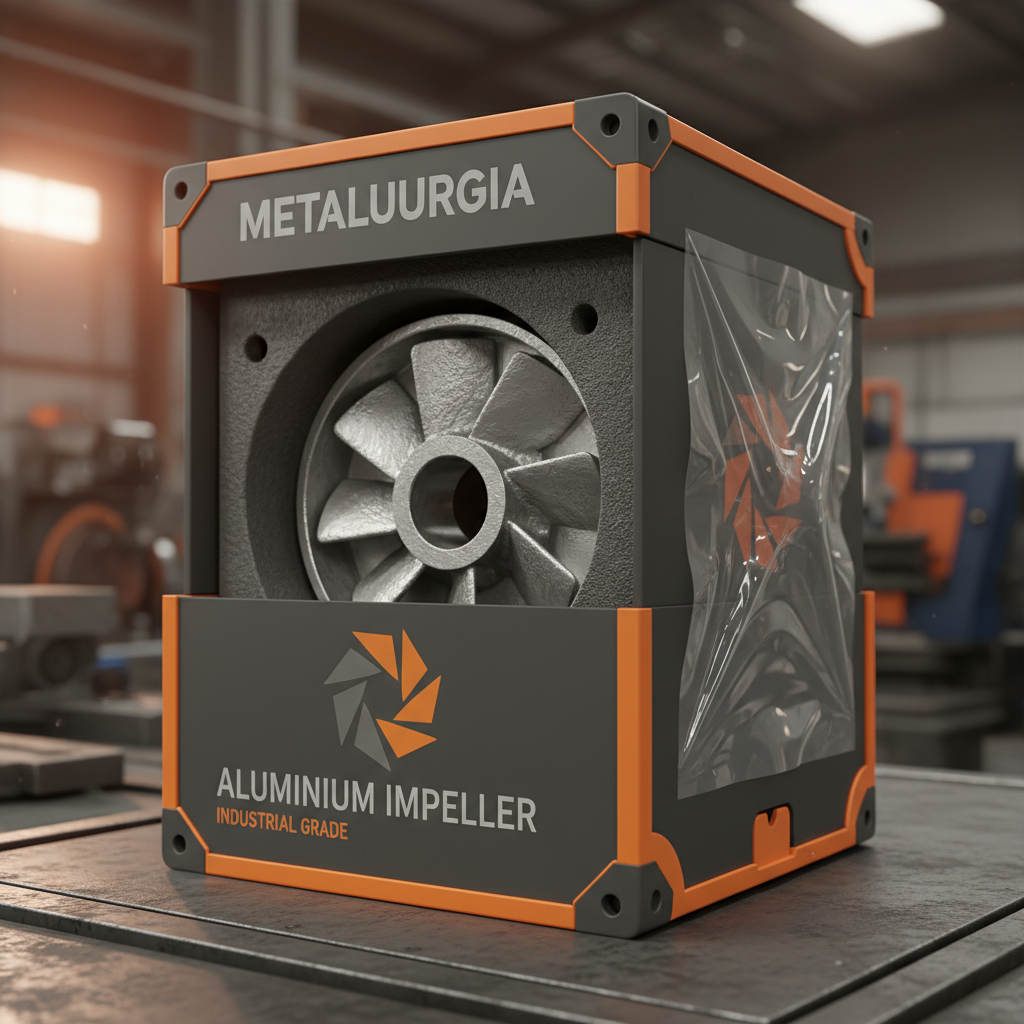
An aluminium impeller is a rotating component designed to transfer energy to a fluid, typically a liquid or gas, increasing its velocity and pressure. It consists of a series of curved vanes or blades mounted on a central hub, all constructed from aluminium or aluminium alloys. The specific geometry of these vanes dictates the impeller’s performance characteristics, influencing its efficiency, flow rate, and pressure head.
Unlike impellers made from heavier materials like steel or iron, aluminium impellers offer a significant weight advantage without compromising strength. This makes them particularly well-suited for applications where minimizing inertia is critical, such as in high-speed rotating equipment. The choice of aluminium alloy is crucial, with different alloys offering varying degrees of strength, corrosion resistance, and machinability.
The aluminium impeller is directly connected to a power source—typically an electric motor or engine—that provides the rotational force. As the impeller spins, it imparts kinetic energy to the fluid, pushing it outwards and converting mechanical energy into fluid energy. This process is fundamental to numerous industrial processes and everyday technologies.
Key Characteristics of Aluminium Impellers
One of the defining characteristics of aluminium impellers is their excellent strength-to-weight ratio. Aluminium alloys provide substantial mechanical strength while remaining significantly lighter than steel or cast iron. This is a crucial advantage in applications where reducing rotational inertia and overall weight is essential.
Corrosion resistance is another key characteristic. Aluminium naturally forms a protective oxide layer when exposed to air, making it highly resistant to corrosion in many environments. This is particularly important in applications involving water or other corrosive fluids, extending the impeller’s operational life and reducing maintenance costs.
Aluminium’s excellent thermal conductivity allows for efficient heat dissipation. This is critical in cooling systems, where the impeller helps to regulate temperatures and prevent overheating. Furthermore, aluminium is relatively easy to machine and cast, allowing for the creation of complex impeller geometries with high precision.
Performance Metrics of Aluminium Impellers
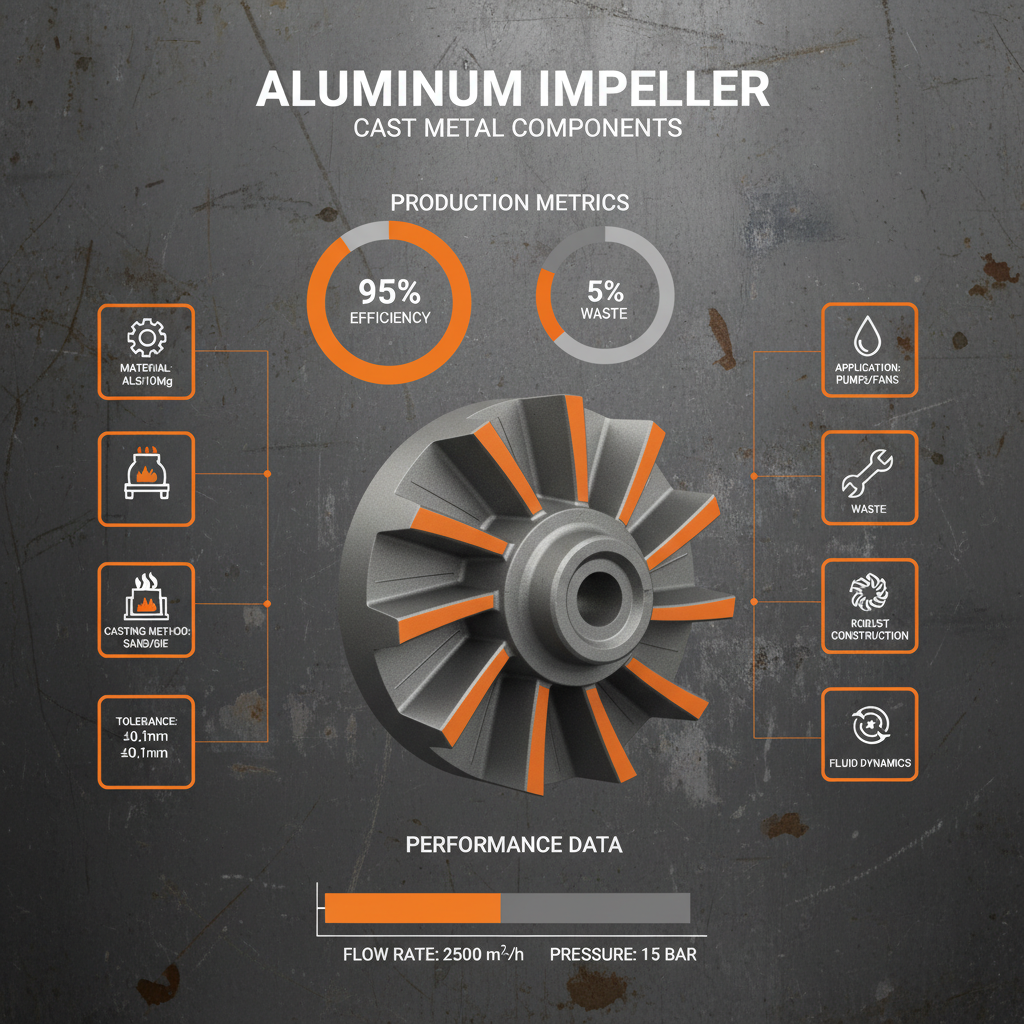
The performance of an aluminium impeller is evaluated based on several key metrics. Flow rate, measured in gallons per minute (GPM) or liters per minute (LPM), indicates the volume of fluid the impeller can move within a given timeframe. Pressure head, measured in feet or meters, represents the maximum height to which the impeller can lift the fluid.
Efficiency, expressed as a percentage, quantifies the amount of input power converted into useful fluid energy. A higher efficiency rating translates to lower energy consumption and reduced operating costs. Other important metrics include cavitation resistance (the ability to operate without forming vapor bubbles) and noise levels.
Aluminium Impeller Performance Comparison
Real-World Applications of Aluminium Impellers
Aluminium impellers are widely utilized in the automotive industry, specifically in engine cooling systems and radiator fans, where their lightweight design and efficient heat transfer capabilities are highly valued. They are also prevalent in HVAC systems, providing the airflow necessary for heating and cooling buildings.
In the aerospace sector, aluminium impellers contribute to the performance of aircraft cooling systems and auxiliary power units. Industrial applications include pumps for chemical processing, water treatment plants, and oil and gas facilities. aluminium impeller solutions are frequently employed where corrosion resistance and reliability are critical.
The Advantages of Using Aluminium Impellers
The primary advantage of aluminium impellers lies in their superior strength-to-weight ratio, resulting in reduced energy consumption and improved system performance. This lightweight property also minimizes wear and tear on connected components, extending their lifespan and reducing maintenance needs.
Aluminium’s inherent corrosion resistance ensures durability in harsh environments, eliminating the need for expensive protective coatings or frequent replacements. Furthermore, aluminium’s machinability allows for the creation of complex impeller designs optimized for specific application requirements, leading to enhanced efficiency and performance.
Future Trends in Aluminium Impeller Technology
Ongoing research and development efforts are focused on enhancing the properties of aluminium alloys used in impeller construction. This includes exploring new alloys with increased strength, improved corrosion resistance, and enhanced thermal conductivity. Additive manufacturing (3D printing) is also gaining traction, enabling the creation of complex impeller geometries with greater precision and customization.
The integration of smart sensors and digital monitoring systems is another emerging trend. These technologies allow for real-time performance monitoring, predictive maintenance, and optimized impeller operation. The demand for more sustainable and energy-efficient solutions will continue to drive innovation in aluminium impeller design and manufacturing.
Furthermore, the increasing use of computational fluid dynamics (CFD) simulation allows engineers to optimize impeller designs for specific applications, maximizing efficiency and minimizing energy consumption. These advancements will solidify the aluminium impeller's role as a critical component in a wide range of industries.
Summary of Key Advantages and Disadvantages of Aluminium Impellers
| Feature |
Description |
Rating (1-10) |
Considerations |
| Strength-to-Weight Ratio |
High strength relative to its low weight. |
9 |
Optimal for applications needing reduced inertia. |
| Corrosion Resistance |
Naturally resistant to corrosion due to oxide layer. |
8 |
Suitable for harsh environments; may require treatment for highly corrosive fluids. |
| Thermal Conductivity |
Excellent heat transfer properties. |
7 |
Beneficial for cooling applications. |
| Machinability |
Easy to machine and cast. |
9 |
Allows for complex designs and precise manufacturing. |
| Cost |
Generally cost-effective. |
8 |
Competitive pricing compared to other materials. |
| Fatigue Strength |
Lower than steel but adequate for many applications. |
6 |
May require careful design considerations for high-stress applications. |
FAQS
Aluminium impellers offer a significant weight reduction compared to steel, leading to lower energy consumption and reduced stress on connected components. While steel is stronger, aluminium provides sufficient strength for many applications, coupled with superior corrosion resistance and ease of machining. This makes aluminium a more cost-effective and efficient choice in numerous scenarios.
The alloy composition plays a critical role. Different alloys offer varying degrees of strength, corrosion resistance, and thermal conductivity. For example, alloys with higher magnesium content provide enhanced strength, while those with increased silicon improve corrosion resistance. The optimal alloy selection depends on the specific operating environment and performance requirements.
Cavitation is the formation of vapor bubbles in a fluid due to low pressure, which can damage impeller blades. Aluminium impellers can be designed to resist cavitation through optimized blade geometry, increased flow area, and careful consideration of operating speeds and pressures. Surface treatments and coatings can also enhance cavitation resistance.
The inspection and replacement frequency depend on the operating environment and application. Regular visual inspections for signs of wear, corrosion, or damage are recommended. Under normal operating conditions, aluminium impellers can last for several years. However, in harsh environments or high-stress applications, more frequent inspections and replacements may be necessary.
Yes, aluminium is highly recyclable, making aluminium impellers an environmentally sustainable choice. Recycling aluminium requires only 5% of the energy needed to produce new aluminium from raw materials. This reduces energy consumption and minimizes environmental impact, contributing to a circular economy.
Common manufacturing processes include die casting, sand casting, and machining. Die casting is ideal for high-volume production and complex geometries, while sand casting is suitable for larger impellers. Machining is often used for finishing and achieving precise dimensions. Additive manufacturing (3D printing) is emerging as a viable option for creating highly customized impellers.
Conclusion
In conclusion, the aluminium impeller stands as a vital component across numerous industries, offering a compelling combination of lightweight construction, corrosion resistance, and efficient performance. Its ability to deliver reliable fluid handling solutions while minimizing energy consumption makes it a key enabler of sustainable practices and technological advancements. The ongoing evolution of aluminium alloys and manufacturing techniques will further enhance the capabilities of this essential component.
Looking ahead, continued innovation in aluminium impeller design and material science will be critical to meet the evolving demands of diverse applications. By embracing new technologies and prioritizing sustainability, we can unlock the full potential of aluminium impellers and drive progress across a wide range of industries. Visit our website at www.ydcastings.com to learn more about our aluminium impeller solutions.