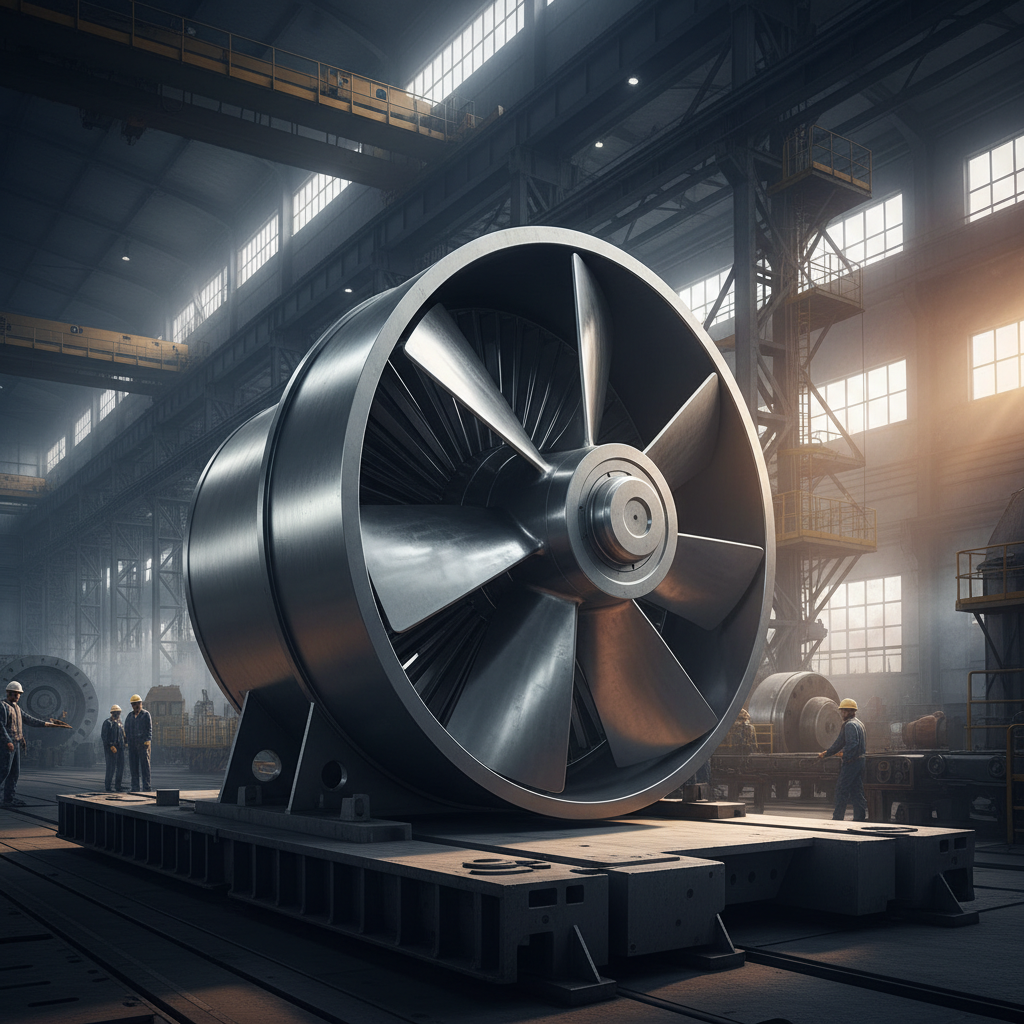
The exhaust housing turbo is a critical component in forced induction systems, playing a vital role in managing exhaust gases and optimizing engine performance. Understanding its function and nuances is paramount for anyone involved in automotive engineering, performance tuning, or diesel engine maintenance. A well-designed exhaust housing turbo system can significantly improve fuel efficiency, increase power output, and reduce emissions.
Globally, the demand for efficient and powerful engines continues to rise, driving innovation in turbocharger technology and, consequently, exhaust housings. From passenger vehicles to heavy-duty trucks and industrial machinery, the exhaust housing turbo is essential. The automotive industry alone represents a multi-billion dollar market, with turbocharger adoption rates steadily increasing due to stricter emissions regulations and consumer demand for performance.
The increasing focus on sustainability also highlights the importance of optimizing engine efficiency, and the exhaust housing turbo is a key enabler in achieving this goal. Properly engineered housings contribute to cleaner combustion and reduced environmental impact.
Introduction to Exhaust Housing Turbo
The exhaust housing is the component that directly receives exhaust gases from the engine’s cylinders. It’s more than just a conduit; its design dramatically impacts the turbocharger’s efficiency and responsiveness. The shape, size, and internal features of the exhaust housing affect exhaust flow velocity and pressure, influencing how quickly the turbine spins up. This, in turn, determines boost pressure and overall engine performance.
A properly matched exhaust housing turbo is critical for achieving optimal engine tuning. Different designs cater to different engine characteristics and performance goals, whether it's low-end torque for towing or high-end horsepower for racing. The materials used in the housing also play a crucial role in resisting heat stress and ensuring longevity.
Defining the Exhaust Housing Turbo
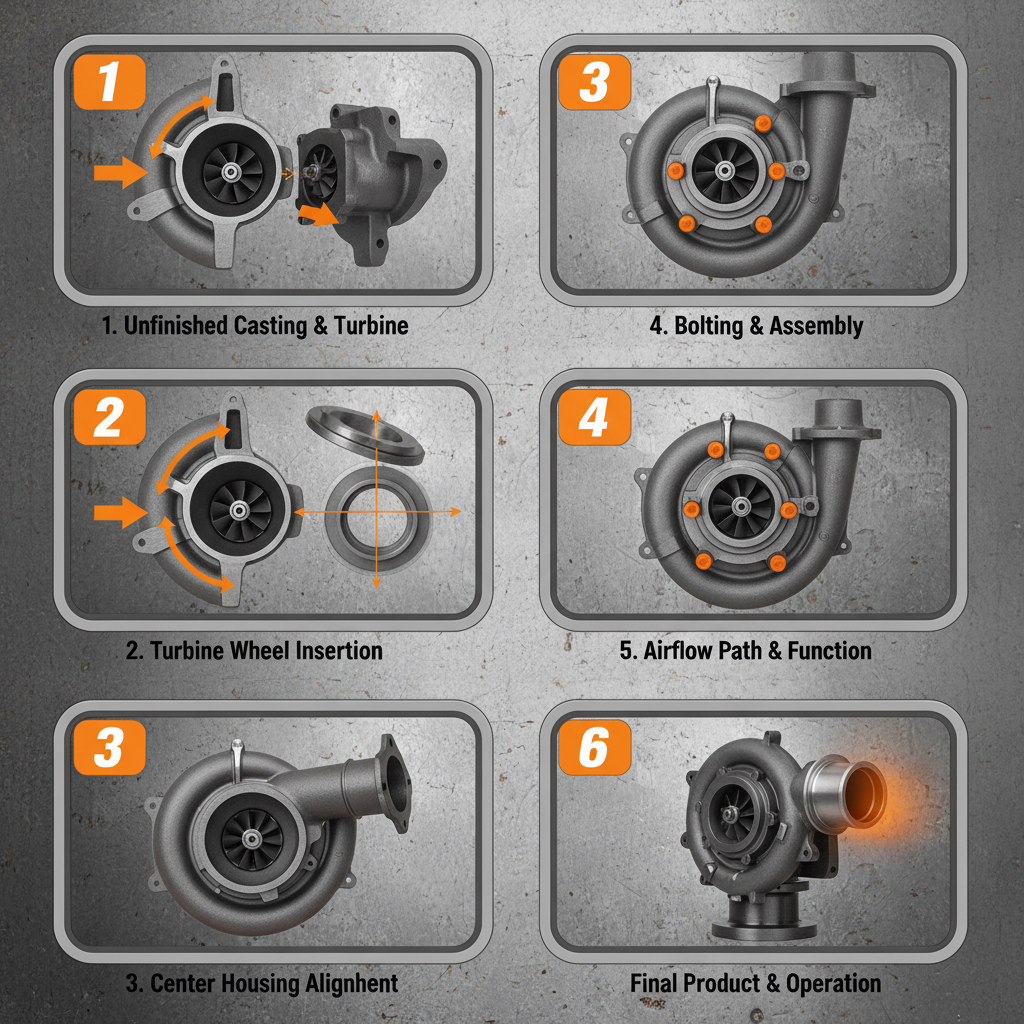
At its core, an exhaust housing turbo is the volute-shaped component that directs exhaust gases onto the turbine wheel of a turbocharger. It's specifically designed to convert the thermal and kinetic energy of the exhaust gases into rotational energy, spinning the turbine. This spinning turbine then drives the compressor wheel, which draws in and compresses intake air. The exhaust housing's design impacts this entire process.
The exhaust housing isn't merely a passive component. Its internal geometry – the volute shape, the A/R ratio (more on that later), and the presence of wastegates – are all carefully engineered to control exhaust flow and optimize turbocharger performance. It represents a key point of optimization within the entire forced induction system.
Understanding the exhaust housing is crucial to understanding the overall function of a turbocharger system. Without an efficient exhaust housing turbo, even the most advanced compressor wheel will be limited in its ability to deliver significant performance gains.
Core Components & Design Factors
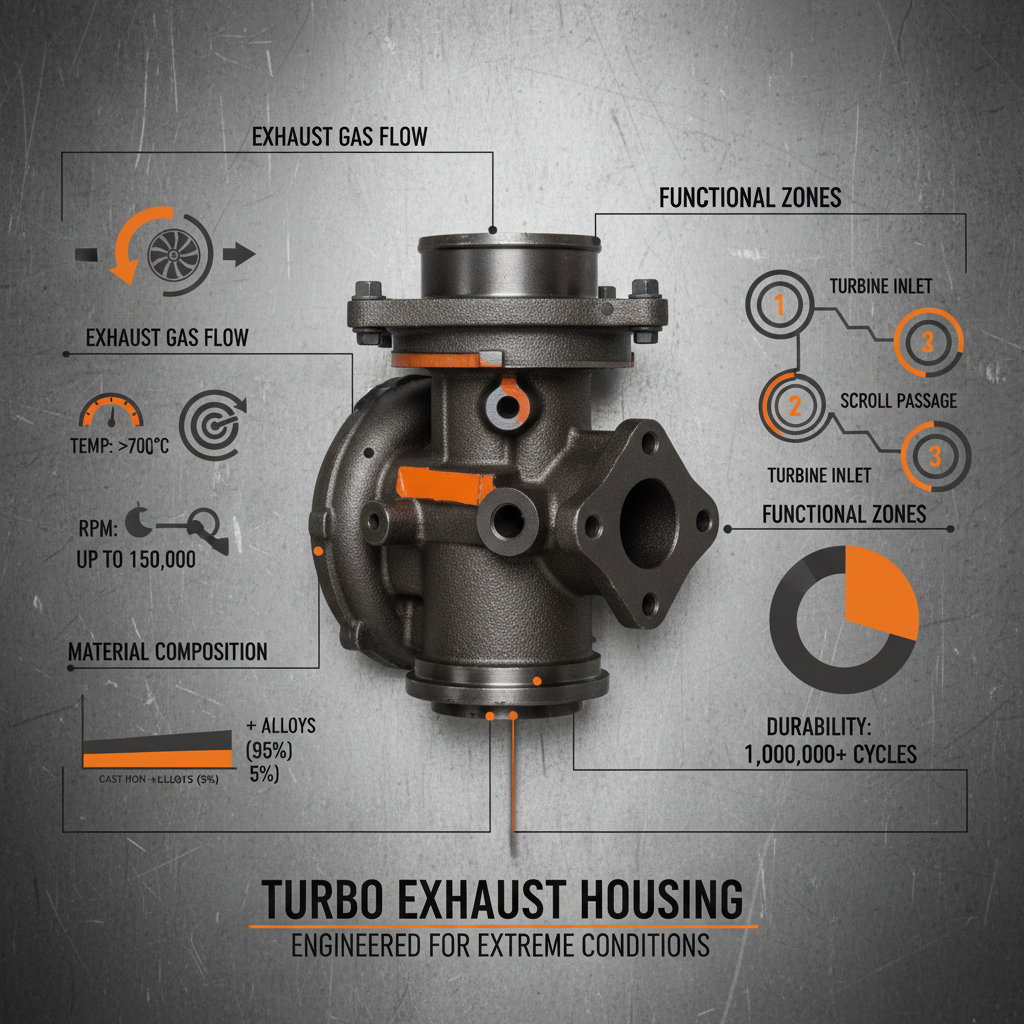
Several key factors dictate the performance characteristics of an exhaust housing turbo. The most prominent is the A/R ratio, which stands for Area/Radius. This ratio represents the cross-sectional area of the volute divided by its radius. A lower A/R ratio generally results in faster spool-up (quicker turbine response) but may restrict flow at higher RPMs. A higher A/R ratio offers better top-end flow but can lead to slower spool-up.
Material selection is another vital factor. Cast iron is commonly used due to its cost-effectiveness and heat retention, but it's heavier and more prone to cracking under extreme thermal stress. Stainless steel offers superior strength, durability, and corrosion resistance, making it ideal for high-performance applications, although it’s generally more expensive. Inconel alloys are also used for extreme high-temperature applications.
Wastegate integration is also crucial. Wastegates regulate boost pressure by diverting exhaust gases away from the turbine. Internal wastegates are integrated into the exhaust housing, while external wastegates are separate components. The design and positioning of the wastegate significantly impact boost control accuracy.
Global Applications of Turbo Exhaust Housings
The applications of exhaust housing turbo technology are widespread and diverse. In the automotive industry, they are ubiquitous in both gasoline and diesel engines, powering everything from compact cars to heavy-duty trucks. The increased fuel efficiency and reduced emissions offered by turbocharging are key drivers for their adoption.
Beyond automotive applications, exhaust housing turbo systems are vital in industrial settings. They are used in power generation, marine engines, and large reciprocating engines. In these applications, they help to improve efficiency and reduce operating costs.
Even in aerospace, smaller turbocharger systems utilizing advanced exhaust housings are finding applications in auxiliary power units (APUs) and some experimental engine designs. The demand for compact, high-power density solutions makes them increasingly attractive in this sector.
Exhaust Housing Turbo Performance Metrics
Advantages & Long-Term Value
The benefits of utilizing a well-designed exhaust housing turbo system extend far beyond simply increasing horsepower. Improved fuel efficiency is a primary advantage, leading to lower operating costs for both consumers and businesses. Reduced emissions contribute to a cleaner environment and help meet increasingly stringent regulations.
From a long-term perspective, a durable and properly maintained exhaust housing turbo can significantly extend the life of an engine. By optimizing combustion and reducing stress on engine components, it contributes to greater reliability and reduced downtime.
Future Trends in Turbo Exhaust Housing Technology
The future of exhaust housing turbo technology is focused on further improving efficiency, reducing weight, and enhancing durability. Additive manufacturing (3D printing) is playing an increasingly important role, allowing for the creation of complex geometries that were previously impossible to achieve with traditional manufacturing methods.
New materials, such as ceramic matrix composites, are also being explored for their superior heat resistance and lightweight properties. Variable geometry turbine nozzles (VGTs) are becoming more sophisticated, allowing for even greater control over exhaust flow and improved responsiveness.
Challenges and Solutions in Exhaust Housing Design
One of the biggest challenges in exhaust housing turbo design is managing thermal stress. The extreme temperatures of exhaust gases can cause cracking and deformation, leading to premature failure. Solutions include utilizing advanced materials and incorporating sophisticated cooling strategies.
Another challenge is optimizing the A/R ratio for a wide range of engine speeds and loads. A compromise must often be made between fast spool-up and high-end flow. Variable geometry turbines help to mitigate this issue by allowing the A/R ratio to be adjusted on the fly.
Finally, minimizing turbulence and pressure drop within the exhaust housing is crucial for maximizing efficiency. Computational fluid dynamics (CFD) simulations are used extensively to optimize the internal geometry and ensure smooth flow.
Summary of Exhaust Housing Turbo Challenges and Solutions
| Challenge |
Impact on exhaust housing turbo Performance |
Potential Solution |
Implementation Complexity (1-10) |
| Thermal Stress |
Cracking, Deformation, Reduced Lifespan |
Advanced Materials (Inconel, Ceramics) |
7 |
| A/R Ratio Optimization |
Compromise Between Spool-Up and High-End Flow |
Variable Geometry Turbines (VGT) |
9 |
| Turbulence & Pressure Drop |
Reduced Efficiency, Lower Power Output |
CFD Optimization of Internal Geometry |
6 |
| Material Weight |
Overall Vehicle/Engine Weight Increase |
Lightweight Alloys (Titanium, Magnesium) |
8 |
| Manufacturing Complexity |
Higher Production Costs |
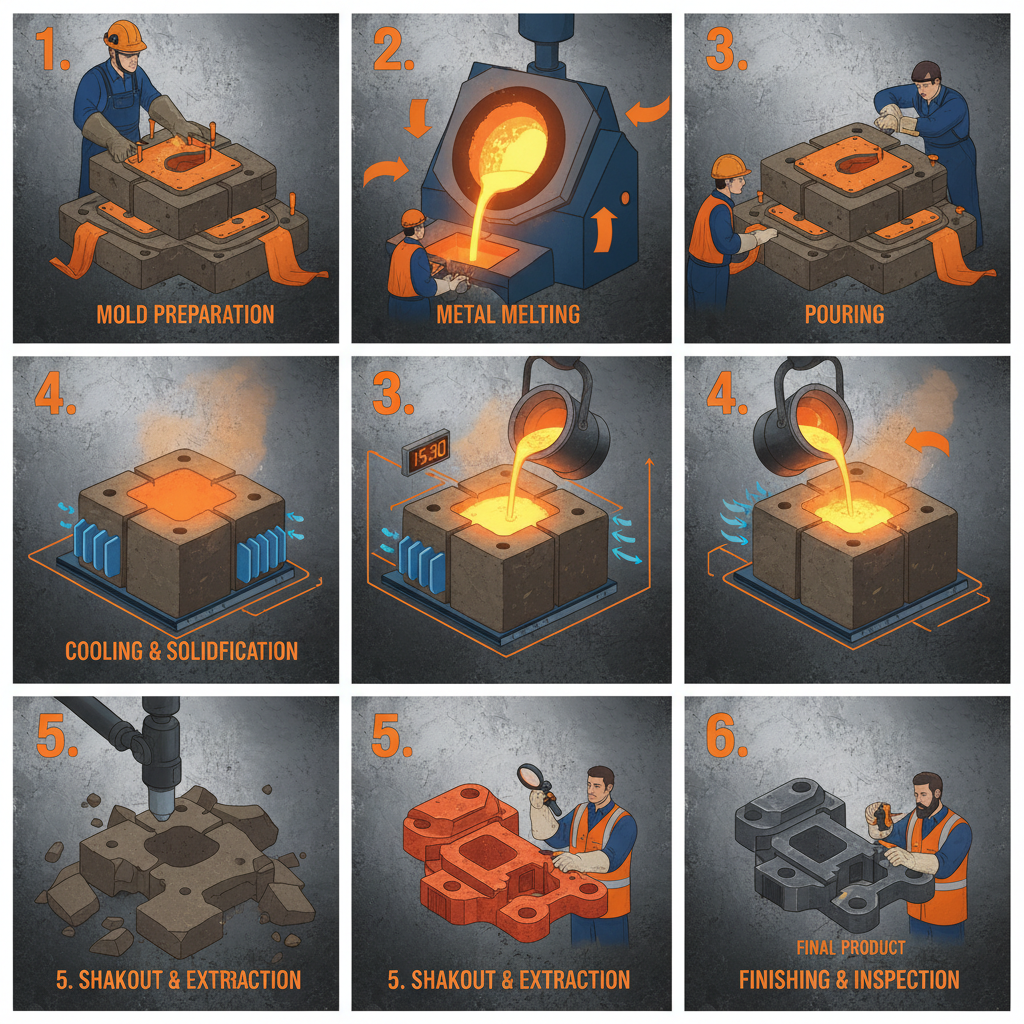
Additive Manufacturing (3D Printing) |
5 |
| Corrosion Resistance |
Reduced Component Lifespan, Potential for Failure |
Protective Coatings, Stainless Steel |
4 |
FAQS
The A/R ratio (Area/Radius) is a critical specification of an exhaust housing turbo. It represents the ratio between the cross-sectional area of the volute and its radius. A lower A/R ratio generally means faster spool-up due to increased exhaust gas velocity, but it can limit top-end power. Conversely, a higher A/R ratio provides better flow at higher RPMs but may result in slower spool-up. Choosing the correct A/R ratio depends on the engine’s intended use.
Common materials include cast iron, stainless steel, and Inconel alloys. Cast iron is cost-effective but prone to cracking under high heat. Stainless steel offers superior strength, corrosion resistance, and durability. Inconel is used for extreme high-temperature applications, providing exceptional heat resistance but at a higher cost. Material selection depends on the application and performance requirements.
A wastegate regulates boost pressure by diverting exhaust gases away from the turbine. This prevents the turbocharger from overspeeding and potentially damaging the engine. Internal wastegates are integrated into the exhaust housing, while external wastegates are separate components. Proper wastegate control is essential for maintaining consistent and safe boost levels.
A VGT allows for adjusting the turbine inlet area, effectively changing the A/R ratio on the fly. This provides a wider operating range, combining the benefits of both low and high A/R ratios. VGTs improve spool-up at low RPMs and maintain high boost pressure at higher RPMs, resulting in enhanced performance and fuel efficiency.
The internal geometry, particularly the volute shape, is crucial for smooth exhaust flow and minimizing turbulence. A well-designed volute accelerates the exhaust gases towards the turbine, maximizing energy transfer. Computational fluid dynamics (CFD) is often used to optimize the internal geometry for specific engine applications.
Signs of a failing exhaust housing turbo include decreased power, increased exhaust smoke, unusual noises (whining or whistling), oil leaks, and a noticeable lag in acceleration. Regular inspection and maintenance are crucial for identifying potential issues early on and preventing catastrophic failure.
Conclusion
In conclusion, the exhaust housing turbo is a fundamental component of modern forced induction systems. Its design and material selection have a profound impact on engine performance, fuel efficiency, and emissions. Understanding the intricacies of A/R ratios, wastegate operation, and material properties is essential for optimizing turbocharger systems for various applications.
As technology advances, we can expect to see further innovations in exhaust housing turbo design, driven by the need for greater efficiency, reduced weight, and enhanced durability. Additive manufacturing, new materials, and sophisticated simulation techniques will play a key role in shaping the future of this critical component. For more information and to explore our range of turbocharger components, visit our website: www.ydcastings.com.