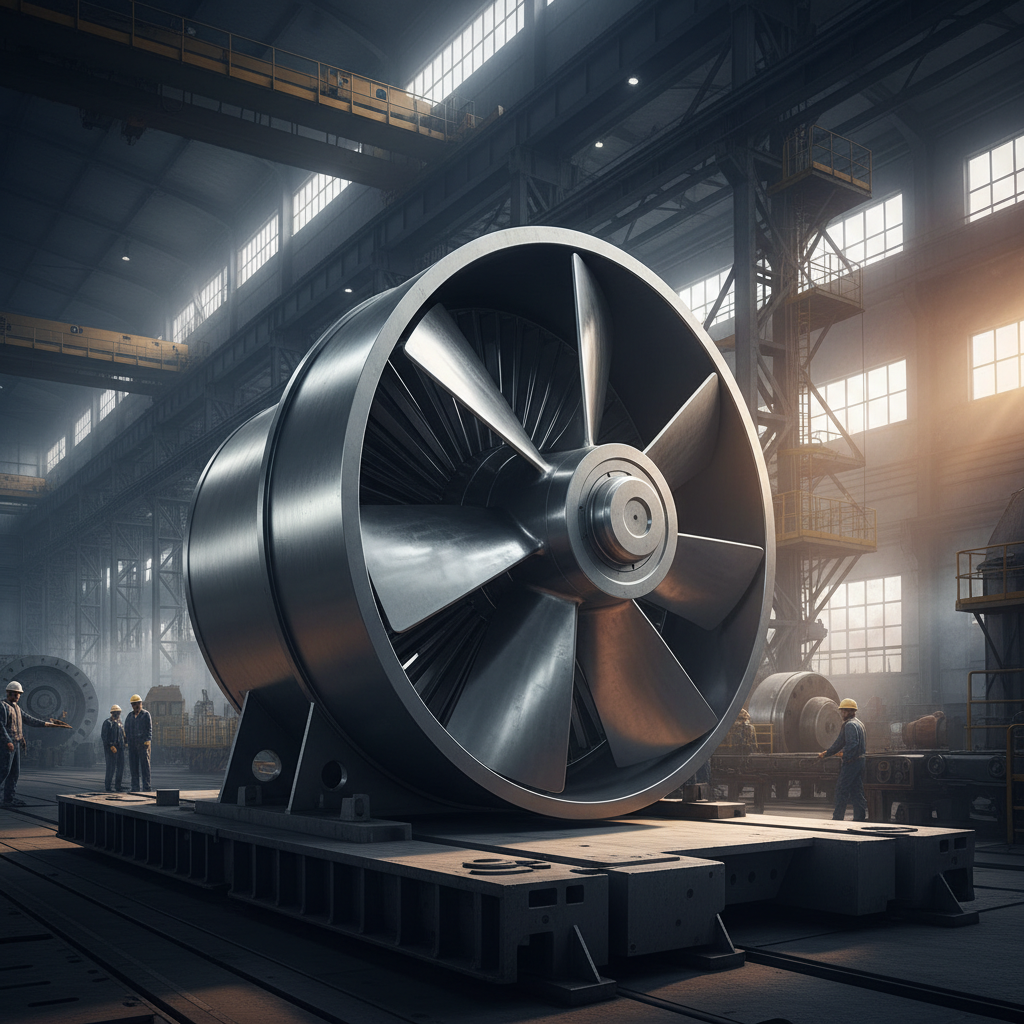
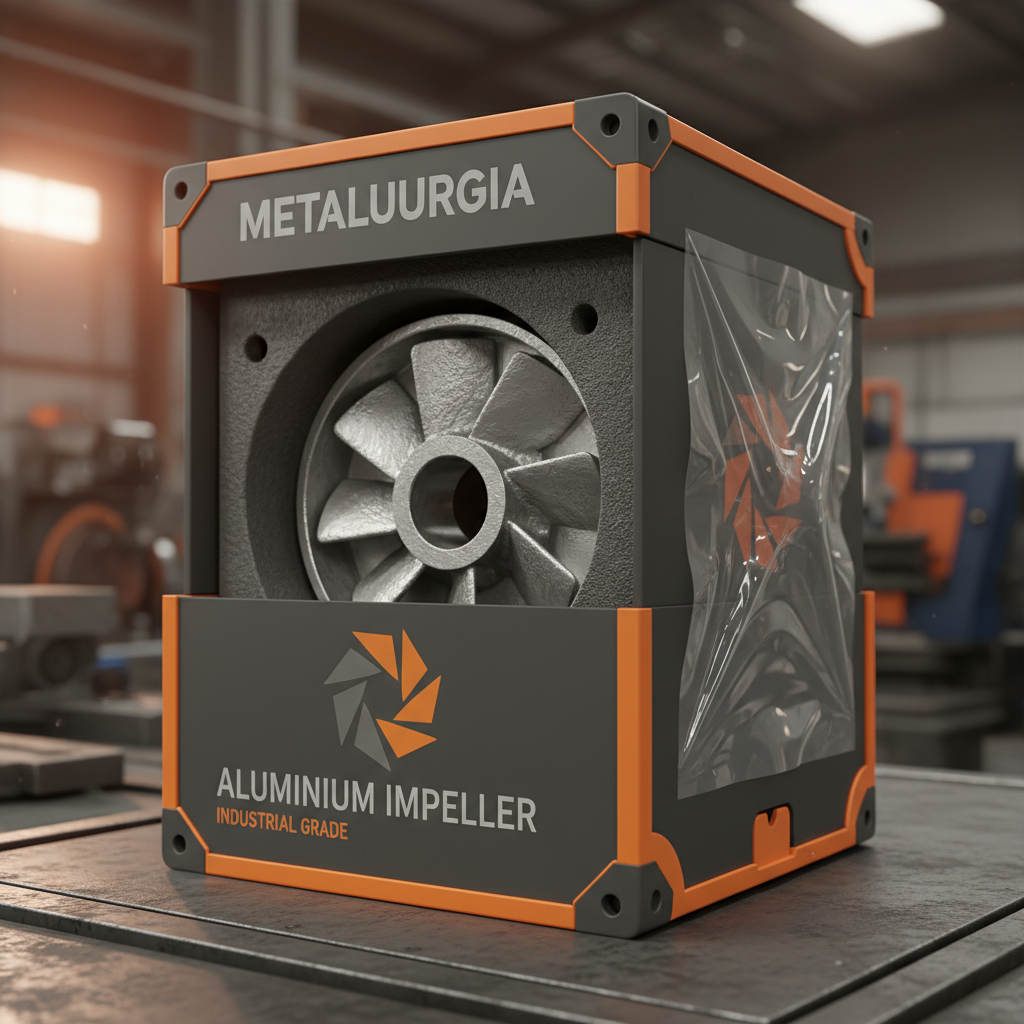
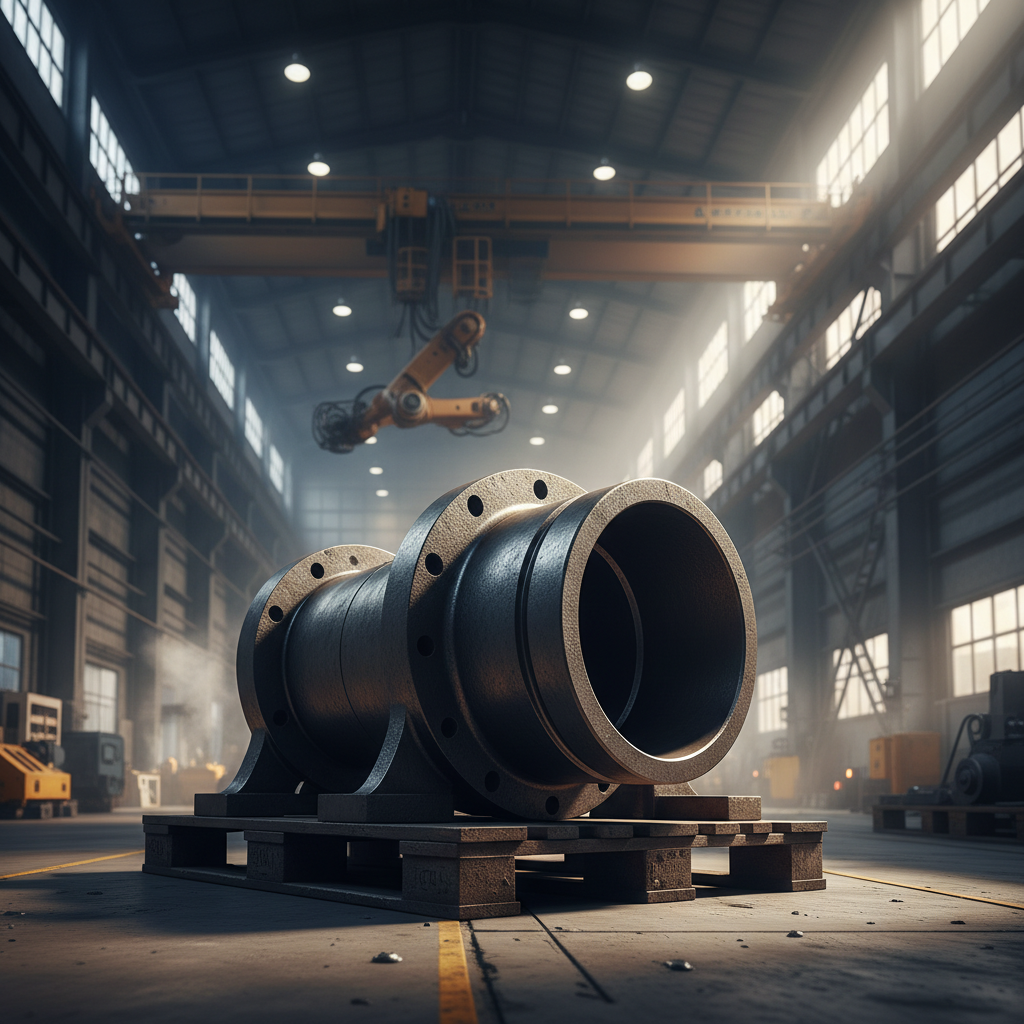
Impeller stainless steel plays a crucial role in modern industrial processes, acting as the driving force behind fluid movement in a vast array of applications. Its exceptional corrosion resistance, coupled with high strength and durability, makes it a preferred material in sectors ranging from chemical processing to wastewater treatment and beyond. Understanding the properties and applications of impeller stainless steel is essential for engineers, designers, and operators seeking optimal performance and longevity in their systems.
The global demand for impeller stainless steel is steadily increasing, driven by factors such as expanding industrialization, stricter environmental regulations, and the need for efficient and reliable fluid handling solutions. Regions experiencing rapid economic growth, particularly in Asia-Pacific, represent significant markets for this material. According to industry reports, the stainless steel impeller market is projected to grow at a compound annual growth rate (CAGR) of around 4-6% over the next decade, highlighting its sustained importance.
The inherent qualities of impeller stainless steel – its resistance to wear, erosion, and chemical attack – translate directly into reduced maintenance costs, increased operational efficiency, and prolonged equipment lifespan. This makes it a cost-effective solution in the long run, despite the potentially higher initial investment compared to other materials. Further development of advanced manufacturing techniques is continuously enhancing the performance capabilities of impeller stainless steel components.
Introduction to impeller stainless steel
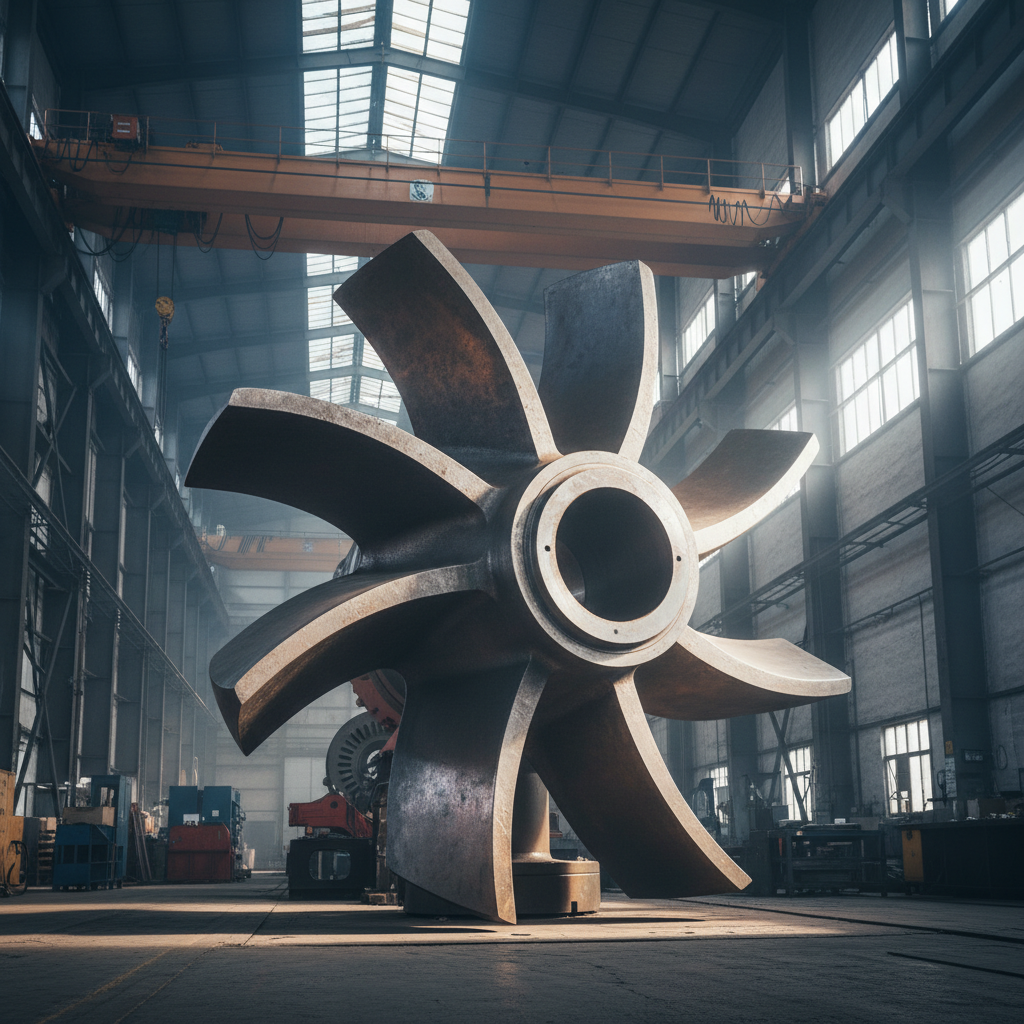
Impeller stainless steel is a crucial component in numerous industrial applications, serving as the rotating element responsible for imparting energy to fluids. These impellers, crafted from various grades of stainless steel, are designed to efficiently move liquids, gases, or slurries, making them essential in pumps, mixers, compressors, and other fluid handling equipment. The selection of the correct stainless steel grade is paramount, based on the fluid's characteristics and the operating environment.
The versatility of impeller stainless steel stems from its ability to withstand harsh conditions, including corrosive environments, high temperatures, and abrasive materials. This makes it a superior choice compared to alternative materials like cast iron or plastics in many applications. The use of advanced casting and machining techniques ensures precise impeller geometry, maximizing efficiency and minimizing energy consumption.
Defining Impeller Stainless Steel
At its core, impeller stainless steel refers to impellers manufactured using stainless steel alloys. Stainless steel is not a single material, but rather a family of iron-based alloys containing at least 10.5% chromium. This chromium content forms a passive layer of chromium oxide on the surface, protecting the underlying metal from corrosion. Different grades of stainless steel are available, each offering unique properties suited to specific applications. Common grades used in impeller manufacturing include 304, 316, and duplex stainless steels.
These impellers are integral to the function of various machines – think of the pump circulating water in your home, the mixer blending ingredients in a food processing plant, or the compressor driving airflow in a ventilation system. Without a robust and reliable impeller, these processes would be significantly less efficient or even impossible. The selection of the right stainless steel grade is critical for optimal performance.
Impeller stainless steel's connection to modern industry and humanitarian needs is undeniable. From providing clean water access in developing nations to enabling efficient manufacturing processes in industrialized countries, these components play a silent but vital role in supporting global infrastructure and improving quality of life. Their reliability and longevity contribute significantly to sustainability efforts by reducing the need for frequent replacements.
Core Properties of impeller stainless steel
The remarkable properties of impeller stainless steel are a direct result of its alloy composition and manufacturing processes. The primary benefit is its exceptional corrosion resistance, enabling it to withstand exposure to a wide range of corrosive fluids without degradation. This is vital in chemical processing, wastewater treatment, and marine environments. Beyond corrosion resistance, the material boasts high tensile strength, allowing it to withstand substantial mechanical stress.
Another crucial property is the material's excellent fatigue strength, meaning it can endure repeated cycles of stress and strain without failure. This is particularly important in dynamic applications where the impeller is constantly rotating under load. Furthermore, impeller stainless steel maintains its mechanical properties over a wide temperature range, making it suitable for both hot and cold process environments. The ease of fabrication and machining also contributes to its widespread adoption.
Finally, stainless steel is hygienic and easy to clean, making it a preferred material in industries like food and beverage processing and pharmaceuticals where maintaining sanitary conditions is paramount. The smooth surface finish minimizes the risk of bacterial adhesion and contamination, ensuring product safety and quality. The inherent properties make impeller stainless steel an excellent choice where long-term reliability and resistance to failure are essential.
Durability and Performance Characteristics
Impeller stainless steel excels in durability and performance due to its inherent resistance to wear, erosion, and cavitation. Cavitation, the formation of vapor bubbles within a liquid due to rapid pressure changes, can cause significant damage to impeller blades. Stainless steel alloys, particularly those with higher chromium and molybdenum content, exhibit increased resistance to cavitation erosion.
The performance of an impeller is directly influenced by its precision and balance. Advanced manufacturing techniques, such as precision casting and CNC machining, ensure accurate impeller geometry and minimal imbalance. This translates to smoother operation, reduced vibration, and increased efficiency. Properly designed and manufactured impeller stainless steel components can operate reliably for extended periods with minimal maintenance.
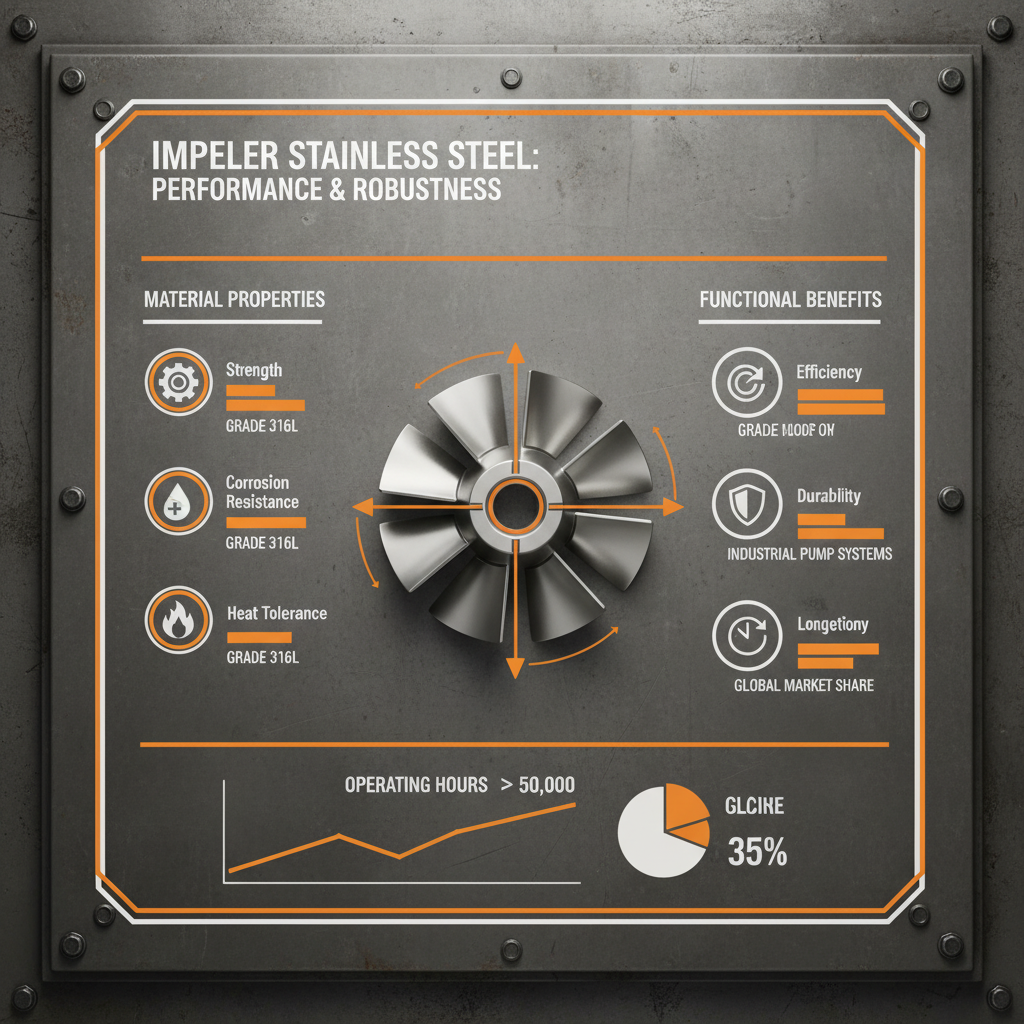
Impeller Stainless Steel Performance Metrics
Global Applications of impeller stainless steel
The applications of impeller stainless steel are incredibly diverse, spanning numerous industries worldwide. In the chemical processing industry, they are used in pumps and mixers handling corrosive acids, alkalis, and solvents. The power generation sector relies on impeller stainless steel in cooling water pumps and condensate systems. Wastewater treatment plants utilize them in aeration blowers and centrifugal pumps to efficiently manage and treat effluent.
The food and beverage industry benefits from the hygienic properties of impeller stainless steel in mixing, blending, and pumping applications, ensuring product purity and safety. Pharmaceutical companies also rely on these impellers for similar reasons, meeting stringent regulatory requirements. In remote industrial zones, the durability and low maintenance requirements of impeller stainless steel make it an ideal choice for critical fluid handling equipment.
Advantages and Long-Term Value
The advantages of employing impeller stainless steel extend beyond its technical capabilities. The long-term cost savings associated with reduced maintenance, increased reliability, and extended equipment lifespan represent significant economic benefits. Investing in high-quality impeller stainless steel components minimizes downtime and prevents costly repairs, ultimately improving operational profitability.
From a sustainability perspective, the durability and recyclability of stainless steel contribute to a reduced environmental footprint. The reduced need for frequent replacements minimizes waste generation and conserves resources. Furthermore, the reliability of impeller stainless steel enhances safety by preventing equipment failures and potential hazards. Building trust through the selection of quality materials is an important consideration in responsible engineering practice.
Future Trends in impeller stainless steel
The future of impeller stainless steel is intertwined with advancements in materials science and manufacturing technologies. Research and development efforts are focused on creating new stainless steel alloys with enhanced corrosion resistance, higher strength, and improved cavitation resistance. Additive manufacturing (3D printing) is emerging as a promising technique for creating complex impeller geometries with optimized performance characteristics.
Digitalization and the Industrial Internet of Things (IIoT) are also playing a role, enabling real-time monitoring of impeller performance and predictive maintenance. Sensors embedded within the impeller can provide valuable data on vibration, temperature, and fluid flow, allowing for proactive interventions to prevent failures. Sustainability considerations will continue to drive innovation, with a focus on developing more eco-friendly manufacturing processes and utilizing recycled materials.
The integration of impeller stainless steel with smart systems and automation will lead to more efficient and reliable fluid handling solutions. The increasing demand for energy efficiency will further drive the development of optimized impeller designs and materials, contributing to a greener and more sustainable future.
Key Comparison of impeller stainless steel Alloys
| Alloy Grade |
Corrosion Resistance |
Tensile Strength (MPa) |
Typical Application |
| 304 Stainless Steel |
Good |
490-790 |
Food Processing, Water Treatment |
| 316 Stainless Steel |
Excellent |
585-860 |
Chemical Processing, Marine Applications |
| Duplex Stainless Steel |
Superior |
700-930 |
Oil & Gas, High-Pressure Pumps |
| 2205 Duplex |
Very High |
550-790 |
Aggressive Chemical Environments |
| Super Duplex 2507 |
Exceptional |
780-980 |
Severe Corrosive Environments |
| 410 Stainless Steel |
Moderate |
517-724 |
General Purpose, Low-Cost Applications |
FAQS
316 stainless steel contains molybdenum, which significantly enhances its corrosion resistance, particularly against chlorides and other halides. This makes 316 a better choice for marine environments and applications involving exposure to salt water or harsh chemicals. While 304 is suitable for less corrosive environments, 316 offers superior durability and longevity in demanding conditions. Selecting the correct grade ensures optimal performance and minimizes the risk of premature failure.
Impeller stainless steel generally exhibits good performance in high-temperature applications, but the specific grade plays a crucial role. Austenitic stainless steels like 304 and 316 maintain their mechanical properties at elevated temperatures, typically up to 870°F (465°C). However, prolonged exposure to extreme temperatures can lead to creep or oxidation. Selecting the appropriate alloy and considering the operating conditions are essential for long-term reliability.
Cavitation is the formation of vapor bubbles within a liquid due to rapid pressure changes. These bubbles collapse violently, causing erosion damage to impeller blades. Impeller stainless steel resists cavitation through its inherent hardness and resistance to fatigue. Alloys with higher chromium and molybdenum content offer improved cavitation resistance. Proper impeller design and operating conditions can also minimize the risk of cavitation.
While highly corrosion-resistant, impeller stainless steel can still be susceptible to certain types of corrosion, such as pitting corrosion and crevice corrosion, particularly in chloride-rich environments. These forms of corrosion can be mitigated by selecting the appropriate stainless steel grade (e.g., 316 or duplex stainless steel), proper surface finishing, and avoiding stagnant conditions. Regular inspection and maintenance can also help detect and address corrosion issues.
Determining the optimal stainless steel grade requires considering several factors, including the fluid being handled, the operating temperature, the pressure, and the presence of corrosive substances. Consulting with a materials engineer or stainless steel supplier is highly recommended. They can assess your specific application requirements and recommend the most suitable alloy for long-term performance and reliability.
Impeller stainless steel offers several environmental benefits. It is 100% recyclable, reducing waste and conserving resources. Its durability and longevity minimize the need for frequent replacements, further reducing environmental impact. The corrosion resistance of stainless steel eliminates the risk of contamination and prevents the release of harmful substances into the environment. Sustainable manufacturing practices within the stainless steel industry also contribute to a lower carbon footprint.
Conclusion
Impeller stainless steel stands as a cornerstone material in modern fluid handling systems. Its exceptional corrosion resistance, durability, and adaptability to diverse applications make it an indispensable component across numerous industries. From ensuring efficient chemical processing to providing clean water access and supporting sustainable manufacturing practices, the benefits of impeller stainless steel are far-reaching and impactful.
Looking ahead, continued innovation in materials science and manufacturing techniques promises even more advanced impeller stainless steel solutions. The integration of smart technologies and a growing emphasis on sustainability will further enhance the performance and environmental compatibility of these critical components. For robust, reliable, and long-lasting fluid handling solutions, impeller stainless steel remains the material of choice. Visit our website: ydcastings.com to learn more.