English

0%

Table of Contents

Aluminium end caps, seemingly simple components, play a crucial role in a vast range of industries globally. From protecting the edges of tubing in furniture manufacturing to safeguarding the integrity of hydraulic cylinders in heavy machinery, these caps offer essential protection against damage, corrosion, and environmental factors. Understanding their design, materials, and applications is paramount for engineers, manufacturers, and procurement professionals seeking optimal performance and longevity in their products.

The global market for aluminium end caps is driven by expanding industrial sectors, particularly in Asia-Pacific, due to increased infrastructure development and manufacturing output. According to industry reports, the demand for protective caps is experiencing steady growth, fueled by a need for durable and cost-effective solutions. Challenges exist in maintaining consistent quality across diverse manufacturing processes and sourcing sustainable materials, but innovation continues to address these concerns.

The increasing focus on safety regulations and product standards further elevates the importance of quality aluminium end caps. They ensure that products meet required specifications, minimizing risks of failure and protecting end-users. A comprehensive understanding of aluminium end caps facilitates informed decision-making and contributes to more reliable and robust products across numerous applications.
The Crucial Role of Aluminium End Caps in Modern Industries

Introduction to aluminium end caps

The Crucial Role of Aluminium End Caps in Modern Industries

Aluminium end caps are protective coverings designed to be fitted onto the open ends of tubes, pipes, profiles, and other hollow structural components. These caps are typically manufactured from various grades of aluminium, offering a lightweight yet robust solution for sealing, finishing, and safeguarding these elements.

The selection of the appropriate aluminium alloy for an end cap is crucial, depending on the application's requirements. Factors such as corrosion resistance, strength, and machinability are carefully considered during the design and manufacturing process. aluminium end caps are often utilized to prevent ingress of moisture, dust, and contaminants, which can lead to corrosion or damage to the underlying component.

The Global Relevance of aluminium end caps

The demand for aluminium end caps is intrinsically linked to the growth of industries that rely on tubular structures, including automotive, aerospace, construction, furniture, and medical equipment. As these sectors expand, particularly in emerging economies, the need for effective end-cap solutions increases proportionally. The UN estimates a continued global growth in construction and manufacturing, driving the demand for aluminium components, including end caps.

Moreover, the increasing emphasis on sustainable manufacturing practices has favored aluminium as a material of choice. Aluminium is readily recyclable, contributing to a circular economy and reducing environmental impact. This aligns with ISO 14001 standards for environmental management, which are increasingly adopted by manufacturers globally.

A significant challenge lies in ensuring consistent quality and reliable supply chains, especially amidst geopolitical uncertainties. The current global supply chain disruptions highlight the importance of diversified sourcing and robust quality control measures when procuring aluminium end caps.

Defining aluminium end caps

At its core, an aluminium end cap is a closure device used to seal the end of a tubular object. They come in a variety of forms – domed, flat, flanged, or threaded – depending on the specific application and the level of sealing required. The purpose extends beyond simple closure; they often provide aesthetic finishing, improve safety by preventing sharp edges, and enhance the structural integrity of the assembly.

The connection to modern industry is undeniable. From the intricate tubing systems in aircraft to the protective caps on furniture legs, aluminium end caps are integral to countless products we use daily. Their ability to provide a durable, lightweight, and corrosion-resistant seal makes them essential in critical applications.

In humanitarian contexts, durable aluminium end caps can play a vital role in temporary shelters or medical equipment, where reliability and hygiene are paramount. The robustness of aluminium ensures longevity, even in challenging environments.

Key Factors Influencing aluminium end caps Performance

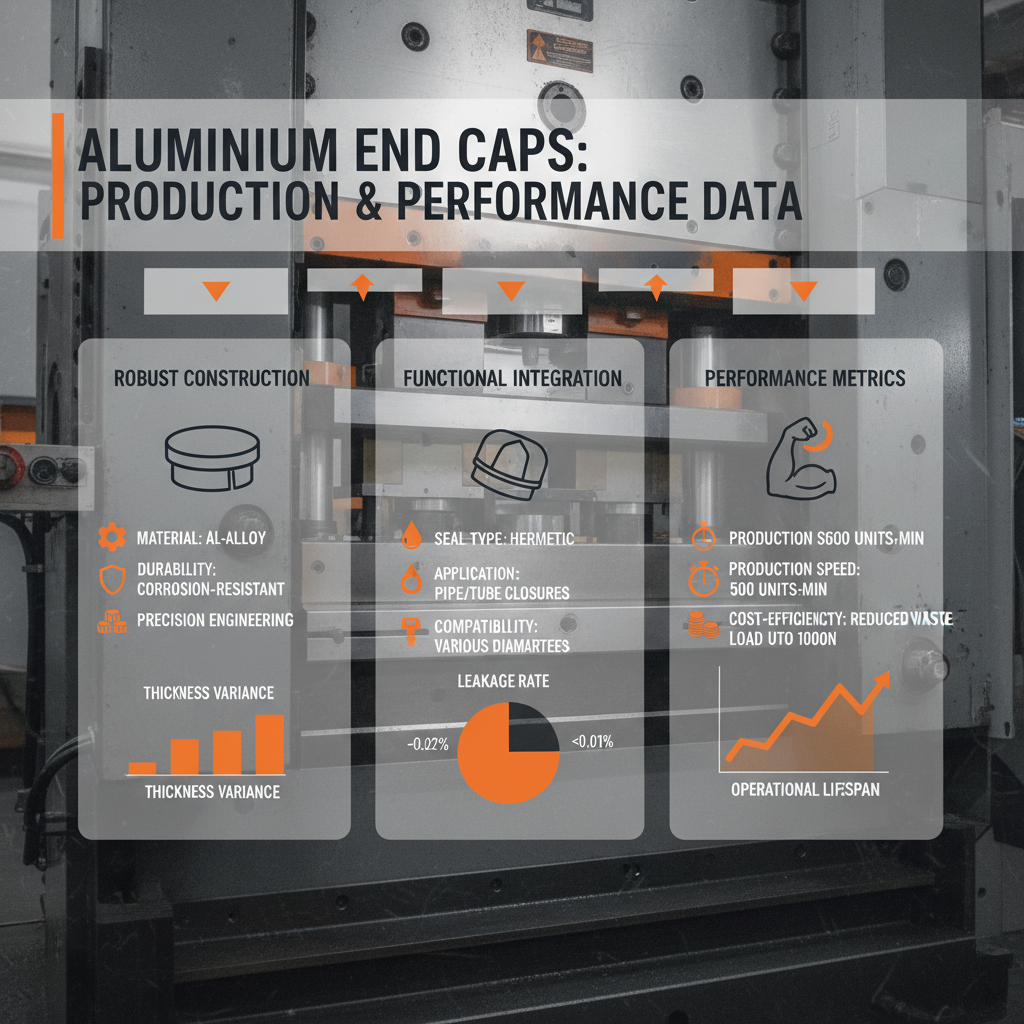
The effectiveness of aluminium end caps isn’t simply down to the material; several key factors impact their overall performance. Durability, for example, is heavily influenced by the alloy selected and the manufacturing process. Higher-grade alloys offer superior resistance to wear and tear, making them ideal for demanding applications.

Corrosion resistance is another crucial factor, particularly in environments exposed to moisture, chemicals, or saltwater. Different aluminium alloys exhibit varying levels of corrosion protection, and surface treatments like anodizing can further enhance this characteristic. Proper sealing and fit are also vital for preventing ingress of contaminants.

Performance Metrics of Common aluminium end caps Manufacturing Methods


Diverse Applications of aluminium end caps

The versatility of aluminium end caps manifests in a wide array of applications. Within the automotive industry, they are used to cap hydraulic lines, protect exposed metal edges, and enhance the aesthetic appeal of interior components. The aerospace sector utilizes them for similar purposes, demanding high strength-to-weight ratios and exceptional corrosion resistance.

In the construction industry, aluminium end caps are commonly found on handrails, fencing, and structural supports, providing a clean finish and preventing injury. The furniture industry relies on them to protect the legs of chairs and tables, as well as to conceal the ends of metal tubing.

Even in medical equipment, where hygiene and durability are critical, aluminium end caps play a role in sealing and protecting various components. From wheelchair frames to hospital beds, their protective qualities are highly valued.

Advantages and Long-Term Value of aluminium end caps

The benefits of using aluminium end caps extend beyond simple protection. Cost-effectiveness is a significant advantage, as aluminium is a relatively abundant and affordable material. The lightweight nature of aluminium contributes to reduced shipping costs and easier handling. Furthermore, its exceptional recyclability aligns with sustainable manufacturing practices.

From a long-term perspective, aluminium end caps provide durability and reliability, minimizing the need for frequent replacements. This reduces maintenance costs and ensures consistent performance. The aesthetic appeal they offer also contributes to product value and customer satisfaction.

Future Trends in aluminium end caps Technology

The future of aluminium end caps is intertwined with advancements in materials science and manufacturing technologies. Research into new aluminium alloys with enhanced corrosion resistance and strength is ongoing. Additive manufacturing (3D printing) offers the potential to create complex end-cap designs tailored to specific applications.

The increasing integration of smart technologies, such as sensors embedded within the end caps, could enable real-time monitoring of structural integrity and detect potential failures before they occur. This predictive maintenance capability would be particularly valuable in safety-critical applications.

Furthermore, the drive for greater sustainability will likely lead to increased use of recycled aluminium and the development of eco-friendly manufacturing processes. Innovation in surface treatments, such as bio-based coatings, could further minimize environmental impact.

FAQS

What is the typical lifespan of aluminium end caps in outdoor applications?

The lifespan of aluminium end caps in outdoor applications depends heavily on the alloy used, the environmental conditions, and any surface treatments applied. Generally, with appropriate alloy selection (e.g., 6061, 5052) and protective coatings like anodizing, aluminium end caps can last 10-20 years or even longer with minimal degradation. Factors like salt spray, UV exposure, and pollution can accelerate corrosion, reducing the lifespan. Regular inspection and maintenance are recommended.

Are aluminium end caps suitable for use with food-grade tubing?

Yes, certain aluminium alloys are approved for use in food-grade applications, but it's crucial to verify the specific alloy meets relevant regulatory standards (e.g., FDA in the US, EFSA in Europe). Typically, alloys with low levels of impurities and a protective surface finish are preferred. It's also important to consider the cleaning and sanitization procedures used, ensuring they don't compromise the integrity of the end cap or the tubing.

How do I determine the correct size aluminium end cap for my tubing?

Accurate measurement is key. Measure the outer diameter (OD) of the tubing precisely. Aluminium end caps are typically sized to match the OD of the tubing they are intended to fit. It's also important to consider the wall thickness of the tubing. Some end caps are designed for specific wall thicknesses, and using the wrong size can result in a loose or overly tight fit. Consult manufacturer specifications for detailed sizing information.

What surface treatments are available for aluminium end caps?

Common surface treatments for aluminium end caps include anodizing, powder coating, and painting. Anodizing creates a protective oxide layer that enhances corrosion resistance and wear resistance. Powder coating provides a durable and aesthetically pleasing finish, offering a wide range of colors. Painting is a more cost-effective option but may offer less protection. The choice of treatment depends on the application's requirements.

Can aluminium end caps be used in high-temperature environments?

The temperature resistance of aluminium end caps depends on the alloy used. Some alloys, like those in the 6000 series, maintain good strength at moderately elevated temperatures (up to around 150-200°C). However, at higher temperatures, aluminium's strength can decrease significantly. For high-temperature applications, it's essential to select an alloy specifically designed for that purpose or consider alternative materials.

What are the advantages of using aluminium end caps compared to plastic end caps?

Aluminium end caps offer several advantages over plastic end caps. They generally have superior strength, durability, and corrosion resistance. They can withstand higher temperatures and are less prone to deformation. Aluminium is also recyclable, making it a more sustainable option. While plastic end caps are often more cost-effective initially, aluminium end caps offer a longer service life and greater reliability.

Conclusion

In conclusion, aluminium end caps represent a crucial, yet often overlooked, component in a diverse range of industries. Their ability to provide protection, enhance durability, and improve aesthetics makes them indispensable in countless applications. From automotive and aerospace to construction and medical equipment, these seemingly simple caps contribute significantly to the performance and longevity of a wide variety of products.

Looking ahead, continued innovation in materials science and manufacturing technologies will further enhance the capabilities of aluminium end caps. Embracing sustainable practices, exploring new alloys, and integrating smart technologies will ensure that aluminium end caps remain a vital and relevant solution for decades to come. For high-quality aluminium end caps and custom solutions, visit our website today.

Daniel Green

Daniel Green

Daniel Green is a Sales and Application Engineer at Hebei Yuanda Trade Co., Ltd. with a strong focus on the American market. He possesses a deep understanding of pump casing, valve body, motor casing, auto parts and engineering castings applications. Daniel excels at identifying customer needs and recommending the most
Previous Exploring the Versatile Applications of End Cap Aluminium Components
Next Optimizing Turbocharger Performance with Advanced Compressor Housing Turbo Designs