English

0%

Table of Contents

Honestly, the pump casing world… it’s been wild lately. Everybody’s chasing bigger, faster, more efficient. Seems like yesterday we were all happy with cast iron, now it's all duplex stainless, super duplex, even some of these new polymer linings. It’s not just about pumping water anymore, you know? It's everything – chemicals, slurries, stuff that'll eat through anything if you aren’t careful. And everyone wants it yesterday.

You wouldn’t believe the amount of time I spend telling guys, "Don't just look at the spec sheet!" That’s the biggest trap, really. A fancy alloy doesn’t mean a thing if the welding is bad. I encountered this at a factory in Ningbo last time – beautiful casing, top-of-the-line material, but the weld prep was atrocious. Failed the hydro test before it even left the shop. Makes you wonder, doesn't it?

The core of it all, though, remains the casing itself. We're using a lot of ductile iron still, good old stuff. Feels solid, smells… well, like iron. Can be a bit rough on the hands, though. And then there's the stainless – 316, mostly. That’s smoother, cooler to the touch. The polymers are interesting. They’re light, corrosion resistant, but they just feel different. Hard to explain, almost… plasticky. And you’ve gotta be careful handling them, some of those coatings can scratch easily.
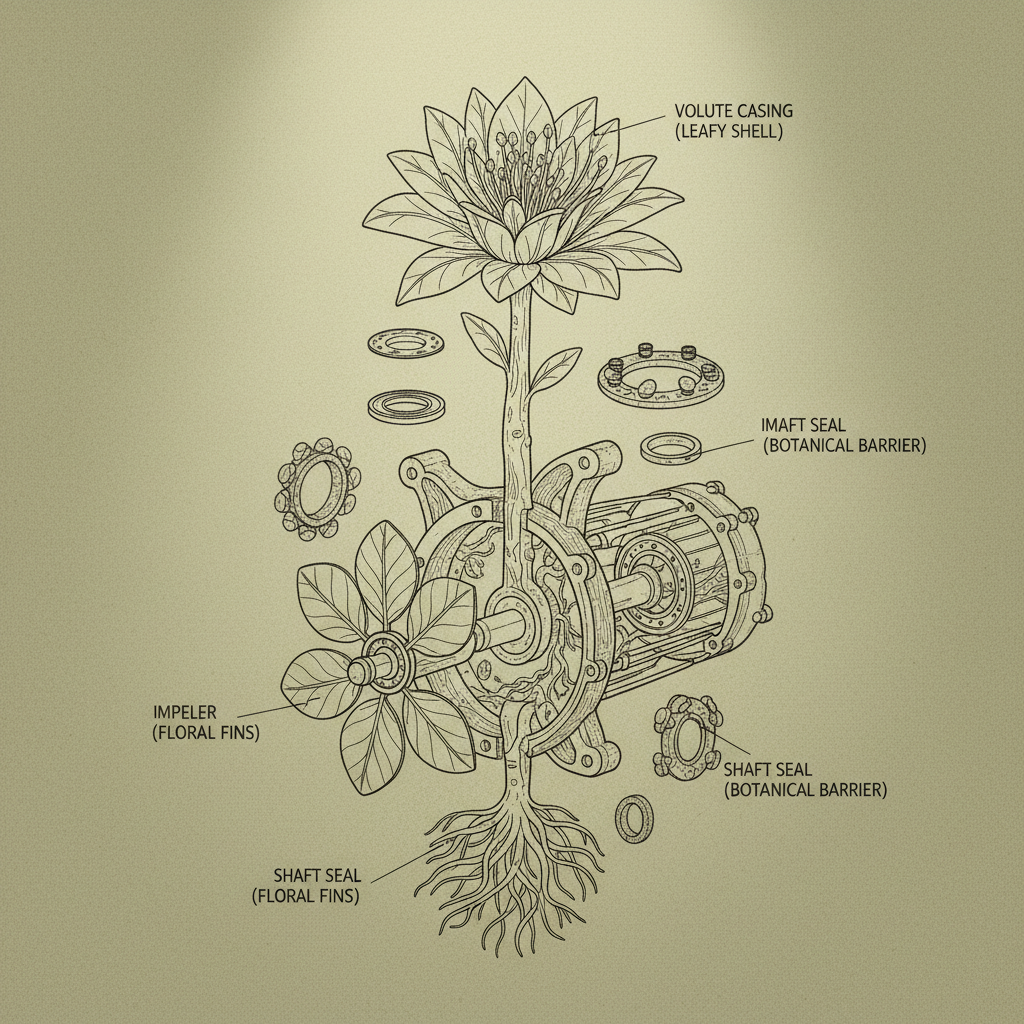
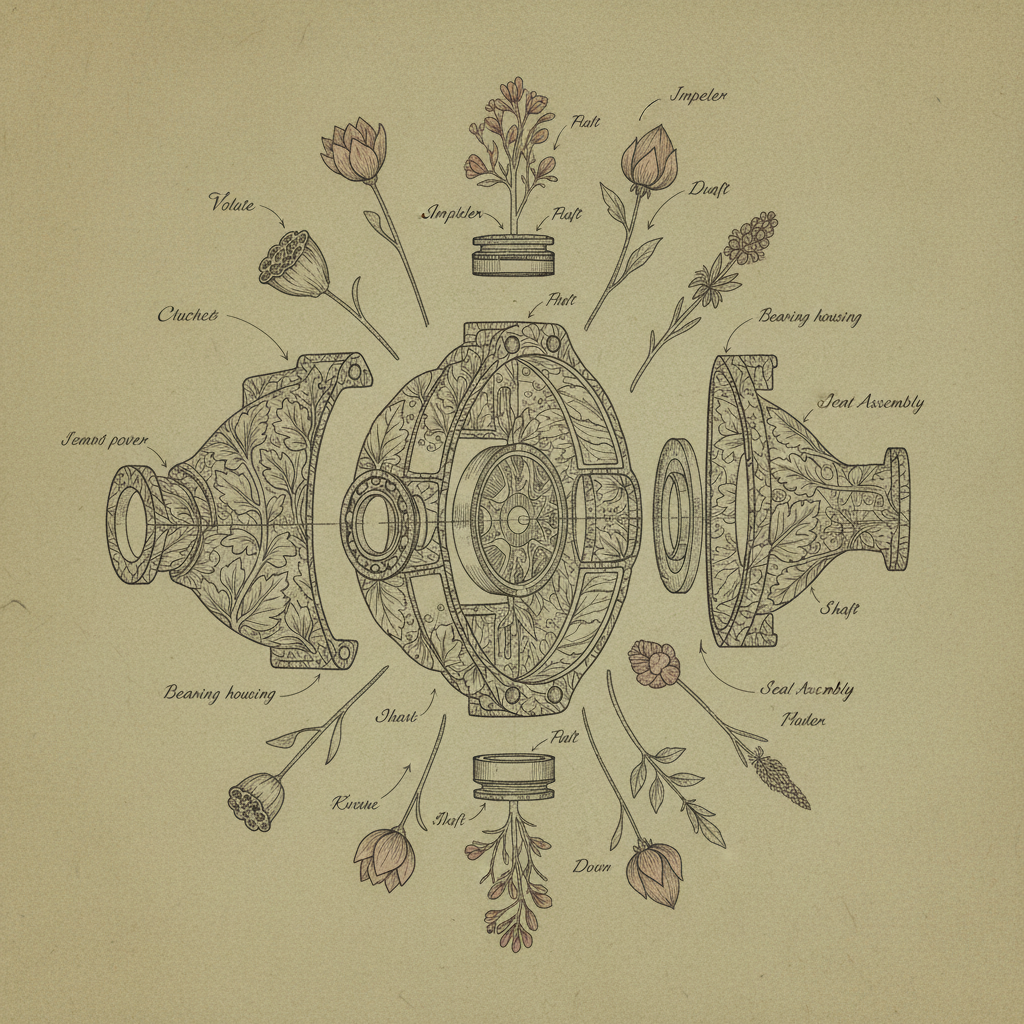
Advancements and Critical Considerations for Modern Pump Casing Design

The Latest Trends in Pump Casing Materials

Advancements and Critical Considerations for Modern Pump Casing Design

To be honest, it’s all about extending the life cycle. Everyone’s looking for something that lasts longer, requires less maintenance, and can handle harsher conditions. That’s why we're seeing so much interest in things like super duplex stainless and those ceramic coatings. They're expensive, yeah, but if it saves you downtime and replacement costs in the long run… well, it adds up.

Have you noticed how much everyone’s talking about reducing weight? Especially in the offshore industry. Lighter casings mean easier installation, lower transportation costs, all that good stuff. That’s where these composite materials are starting to gain traction. But getting the bonding right? That’s a whole other challenge.

Common Design Pitfalls

Strangely, the biggest problems often come down to the basics. Undersized flanges, inadequate wall thickness, poor access for maintenance. You’d think engineers would catch these things, but they do happen. And then you get into the complexities of thermal expansion and contraction. If you don't account for that properly, you're gonna have stress fractures, leaks… headaches all around.

Another thing I've seen way too often is neglecting the suction side. Everyone focuses on the discharge, but if the suction isn’t properly designed, you’re asking for cavitation. And cavitation will eat a pump casing alive, guaranteed. It's like letting a tiny jackhammer loose inside your pump.

And don’t even get me started on improper impeller clearances. Too tight, and you’ll have friction and overheating. Too loose, and you'll lose efficiency. It’s a delicate balance, and it’s easy to mess up.

Material Properties and Handling

Ductile iron – reliable, affordable, but heavy. You need the right lifting gear, and you need to be careful with it. Drops can ruin the temper. It’s relatively easy to weld, though, which is a plus.

Stainless – lighter, corrosion resistant, but more expensive and can be tricky to weld. You need skilled welders with the right filler metals, and proper shielding gas. And watch out for sensitization – that's when the chromium carbides precipitate out, leaving the material vulnerable to corrosion. I encountered a case of that at a desalination plant in Saudi Arabia. Messy.

Polymers – lightweight, incredibly corrosion resistant, but… they're polymers. They scratch easily, they can deform under high temperatures, and they’re not as structurally strong as metal. But they’re getting better all the time. New formulations are much more durable than the stuff we were using just a few years ago.

Real-World Testing Protocols

Look, I'm not a lab guy. I don't trust those fancy computer simulations. Give me a hydro test any day. Fill it with water, pressurize it, look for leaks. Simple, effective. We also do a lot of vibration testing, especially for pumps that are going into critical applications. It's amazing what vibrations can do to a casing over time.

And then there’s the impact testing. You gotta simulate real-world scenarios. Dropping a wrench on the casing, bumping it with a forklift… these things happen. You need to know how the casing will hold up.

Pump Casing Testing Rigor


Actual Usage Patterns

You know, it’s never what you expect. We designed this one casing for a really high-pressure application, figuring it would be running at full tilt all the time. Turns out, the customer was using it for intermittent duty. They weren’t even pushing it half of its capacity. Kind of a waste, but hey, it still worked.

What surprises me is how much abuse these things take. Operators leaving tools on top of the casing, vibrations from nearby equipment, people just generally banging on things… It’s a tough life for a pump casing, let me tell you.

Advantages and Disadvantages

Okay, so the advantages are pretty clear: corrosion resistance, strength, durability. But, anyway, I think the biggest disadvantage is cost. Especially with these exotic materials. It can price you right out of the market. And then there’s the lead time. Getting a custom casing made can take months, which isn’t ideal when you’ve got a deadline looming.

Another issue is weight. Some of these heavy-duty casings are a nightmare to move around. Requires specialized lifting equipment, which adds to the cost and complexity. Ultimately, it’s all about finding the right balance between performance, cost, and practicality.

Customization Options

We do a lot of customization. Flange sizes, port locations, material selection… you name it. Last month, that small boss in Shenzhen who makes smart home devices insisted on changing the interface to – said he wanted it to “look modern”. It was a complete pain, involved re-tooling the whole line, but he was adamant. Said it was a marketing thing. Later... Forget it, I won't mention it.

We can also add features like integrated heating or cooling jackets for extreme temperature applications. And we've done a few jobs where the customer wanted us to embed sensors directly into the casing for monitoring purposes. It’s all about solving their specific problems.

Honestly, if you can dream it, we can probably build it. Although, I draw the line at gold plating. I’ve been asked that once. Once.

Key Design Considerations for Pump Casings

Material Selection Wall Thickness Corrosion Protection Weld Quality
Ductile Iron 8-12mm Epoxy Coating Radiographic Inspection
316 Stainless Steel 6-10mm Passivation Visual Inspection & Dye Penetrant
Super Duplex Stainless 5-8mm None Required (High Corrosion Resistance) Automated Welding
Polymer Lined Steel 5-7mm Polymer Lining (PTFE, PFA) Bond Strength Testing
Ceramic Coated Iron 7-11mm Ceramic Coating Coating Adhesion Testing
Composite Materials Variable (Design Dependent) Resin Matrix Fiber Orientation Analysis

FAQS

What is the most common cause of pump casing failure?

Honestly, it’s almost always corrosion. Even with stainless, if the environment is harsh enough, you’re going to see problems. We see a lot of failures due to pitting corrosion, especially in seawater applications. Proper material selection and protective coatings are crucial to prevent it. Ignoring the water chemistry is a quick path to disaster. You've got to know what the fluid's doing to the casing.

How do I determine the correct wall thickness for a pump casing?

That depends on a lot of factors: operating pressure, temperature, fluid properties, and safety factors. There are formulas you can use, but honestly, I always recommend consulting with a qualified engineer. They’ll take all the relevant variables into account and ensure that the casing is strong enough to withstand the stresses it will be subjected to. It's not something to guess at.

What are the benefits of using a duplex stainless steel casing?

Duplex stainless offers superior corrosion resistance compared to standard stainless steels, particularly in chloride-rich environments. It's also stronger, which allows for thinner wall thicknesses and reduced weight. The downside is it’s more expensive and can be more difficult to weld. But for demanding applications, the benefits often outweigh the costs.

Can pump casings be repaired if they develop cracks?

Sometimes. It depends on the size and location of the crack. Small, non-critical cracks can often be repaired by welding, but it’s essential to use the correct welding procedures and filler metals. Larger or critical cracks usually require replacement of the entire casing. Don’t try to patch something up if it’s seriously compromised - it's a safety hazard.

What’s the best way to prevent cavitation damage?

Cavitation is caused by a drop in pressure on the suction side of the pump. To prevent it, ensure that the suction lift is minimized, the suction piping is adequately sized, and the pump is operating within its designed flow rate. A properly designed impeller can also help to reduce the risk of cavitation. Proper maintenance of the suction strainer is a big one too, often overlooked.

How important is non-destructive testing (NDT) for pump casings?

Very important. NDT methods like radiographic testing, ultrasonic testing, and dye penetrant inspection can detect hidden flaws and defects that could lead to failure. It’s a crucial step in quality control, especially for critical applications. Don't skip it. You might not see a problem until it's too late.

Conclusion

So, that's the world of pump casings in a nutshell. It’s a lot more complicated than most people realize. You've got materials science, fluid dynamics, welding, corrosion protection… it all comes together in this one little component. And frankly, getting it right is crucial for keeping things running smoothly.

Ultimately, whether this thing works or not, the worker will know the moment he tightens the screw. It’s a tactile thing. A good casing feels right. And that experience, that gut feeling... that’s what separates the good ones from the bad ones. Now, if you'll excuse me, I need a coffee. And maybe a vacation. Visit our website at www.ydcastings.com.

Michael Evans

Michael Evans

Michael Evans is a Senior Procurement Specialist at Hebei Yuanda Trade Co., Ltd., responsible for managing relationships with our extensive network of foundry resources in Northern China. He has a proven track record of negotiating favorable terms and ensuring a stable supply chain for our diverse range of casting materials,
Previous Optimizing Pump Performance with Durable Volute Casing Designs and Materials
Next Robust Water Pump Impeller Design for Real World Industrial Applications