English

English
Mobile:+86-311-808-126-83
Email:info@ydcastings.com
English
You know, these days everyone’s talking about miniaturization. Smaller, lighter, more efficient… sounds good in the boardroom, but out on the site, sometimes bigger is just better. Easier to handle, less fiddly. I spent a week last month at a pump factory in Jiangsu province – the smell of resin still clings to my clothes, honestly – and they were pushing this new composite impeller, claiming a 20% weight reduction. 20%! Sounds amazing, right? But when you’re trying to wrestle a 50kg pump into position on a muddy embankment, those few kilos matter less than you’d think. And let me tell you, that composite felt… fragile. You just don’t get the same solid feel as a good cast iron impeller.
To be honest, what I’ve noticed is people often overthink the design. They get so focused on optimizing flow dynamics in a simulation that they forget about the real world. Like, have you noticed how many impeller designs have these ridiculously thin vanes? Beautiful on paper, maybe, but they’re the first thing to go when you hit a bit of grit in the water. That leads to imbalance, vibration, premature failure… a whole headache. I encountered this at a wastewater treatment plant near Shanghai last time, they’d fitted a batch of these fancy impellers, and within six months, half of them were needing replacement.
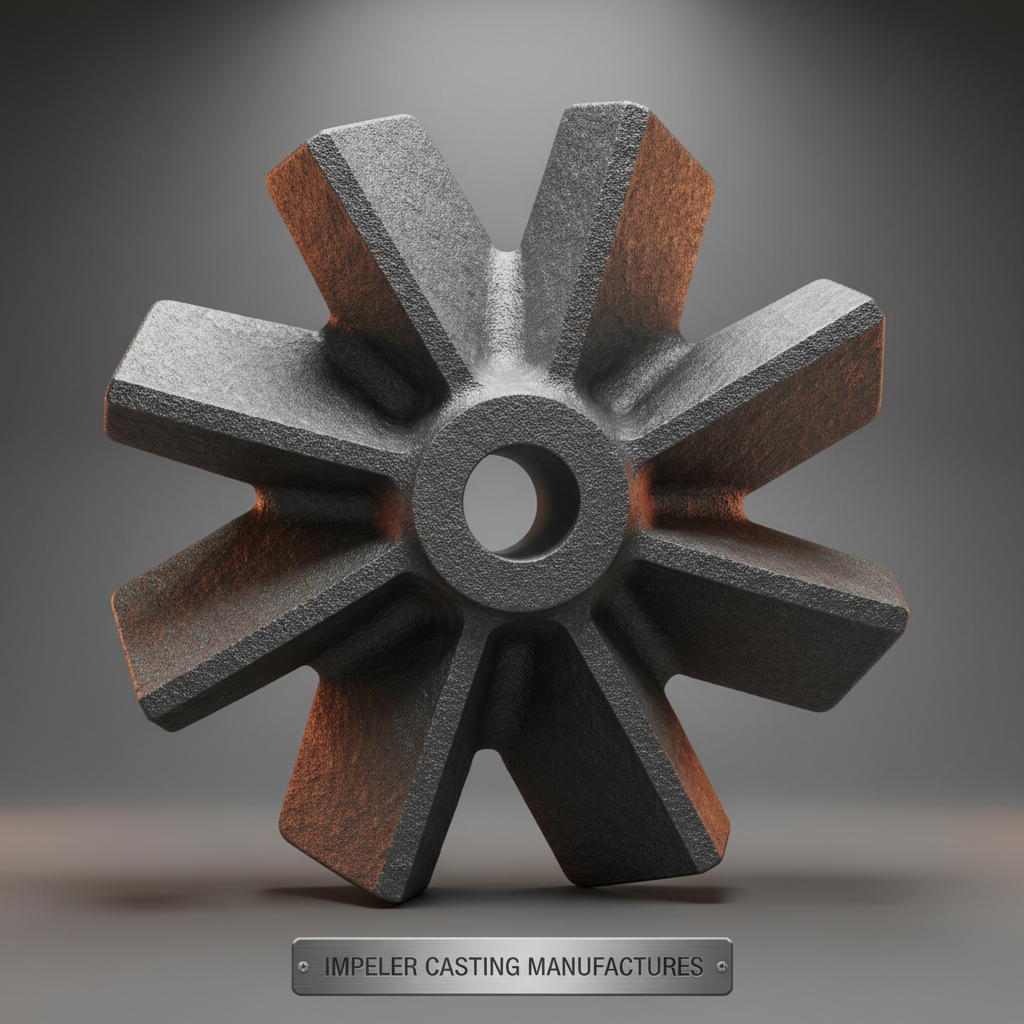
Anyway, I think focusing on robustness is key. And the material is everything. We’re mostly using cast iron – still – for the bulk of industrial applications. Good old grey cast iron. You can feel the weight of it, the density. It’s forgiving. We also do stainless steel, of course, 316 specifically, for corrosive environments. It’s cold to the touch, smells… clean, I guess. It's expensive though. And increasingly, we’re seeing a move towards some of the more advanced alloys – duplex stainless steels – for seriously harsh conditions. These are tough but also difficult to weld, so you need skilled operators.

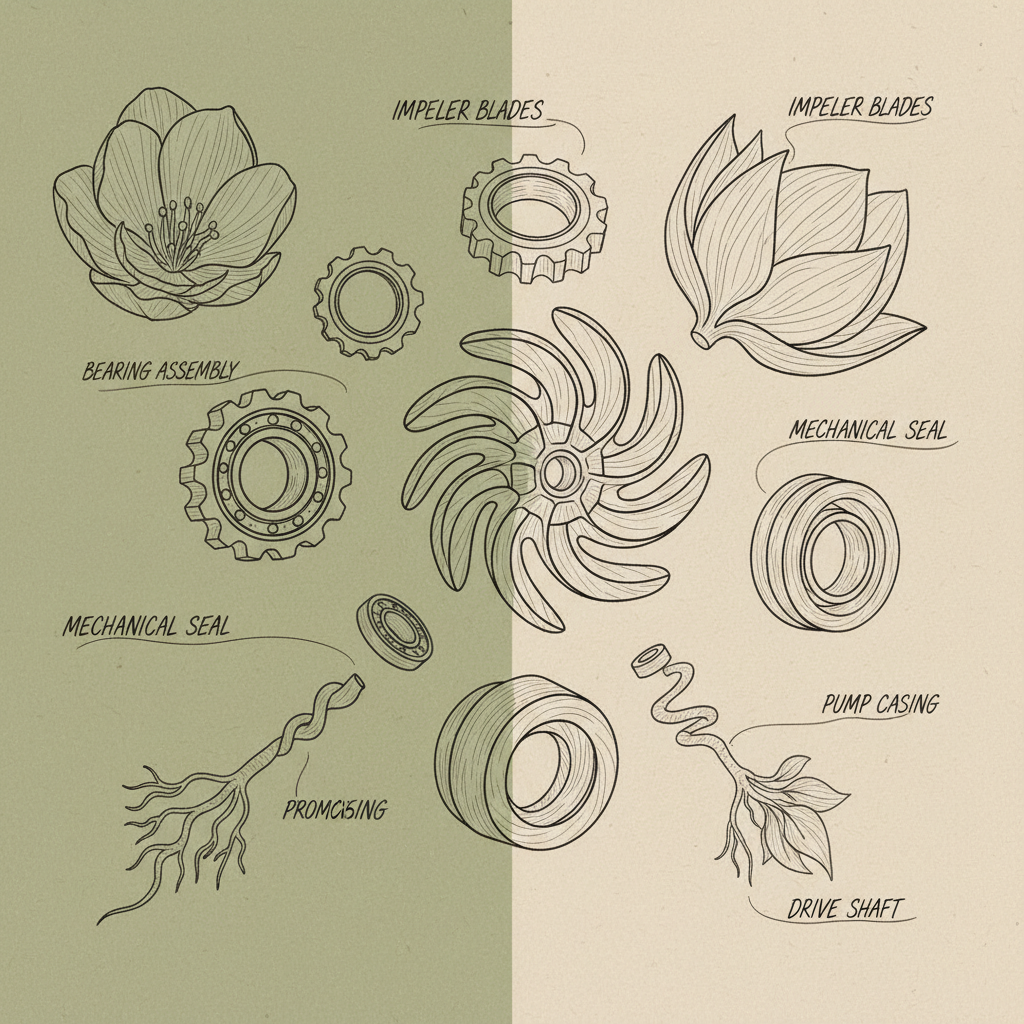
Strangely, everyone's chasing efficiency, which is good, but they’re forgetting about reliability. I've seen too many designs with incredibly complex geometries that look fantastic in a CFD simulation, but are nightmares to manufacture and even more of a nightmare when they get clogged with debris. The focus is all on squeezing out that last little bit of performance, ignoring the practical realities of the environment. It’s a balance, you know?
And the pressure for lower costs is relentless. They want thinner walls, cheaper materials... which inevitably leads to shorter lifespans. It's a constant battle.
Honestly, it’s often underestimating the abrasiveness of the fluid they’re pumping. People think “water” and assume it’s clean, but even seemingly clean water can contain sand, grit, and other particles that will quickly erode an impeller. You've got to consider the entire system, not just the pump itself. Always ask about the fluid composition and potential solids content.
Critically important. An unbalanced impeller will cause vibration, which leads to premature bearing failure and can even damage the pump casing. We do dynamic balancing on all our impellers to ensure they meet strict tolerances. It's a bit of a pain, but it saves our customers a lot of headaches down the line. Think of it like balancing your car tires – if they're off, you'll feel it.
Stainless steel is a good starting point, especially 316. But for really aggressive chemicals, you'll need something more exotic like Hastelloy or even titanium. The key is to understand the chemical composition of the fluid and choose a material that’s compatible. It's not always the most expensive material that’s the best; sometimes a simpler alloy will do the job just fine.
It depends on the extent of the damage. Minor erosion can often be repaired with welding or grinding. But if the impeller is cracked or severely deformed, it’s usually best to replace it. Trying to repair a badly damaged impeller is often a false economy, as it’s likely to fail again soon. It's a judgment call, really. If in doubt, replace it.
Reduced flow rate, increased vibration, and unusual noises are all red flags. Also, check for signs of erosion or cavitation on the impeller blades. A simple visual inspection can often reveal a lot. Regularly monitoring pump performance is the best way to catch problems early before they become serious.
Proper maintenance is key. Regularly clean the pump and impeller to remove debris. Ensure the pump is properly aligned and lubricated. Avoid running the pump dry. And most importantly, choose the right impeller material for the application. A little preventative maintenance can save you a lot of money and downtime in the long run.
Ultimately, it all boils down to finding the right balance between performance, durability, and cost. There’s no one-size-fits-all solution. You've got to consider the specific application, the fluid being pumped, the operating conditions, and the budget. These fancy simulations are good, but they are never going to fully capture the reality on a construction site.
But remember this: whether this thing works or not, the worker will know the moment he tightens the screw. That's the truth of it. If it feels solid, if it fits right, and if it doesn't leak, then you're probably on the right track. And if you ever see me on site, feel free to buy me a coffee - I'll gladly share a story or two (and maybe a warning or two). Visit our website to see what we've got: www.ydcastings.com.