English

0%

Table of Contents

The air pump hose connector, a seemingly simple component, plays a vital role in a diverse range of industries and applications globally. From maintaining efficient pneumatic systems in manufacturing to enabling life-saving respiratory support in healthcare, these connectors are essential for the safe and reliable transfer of air and gases. Understanding their design, materials, and applications is crucial for optimizing performance and ensuring safety across numerous sectors. A robust and well-maintained air pump hose connector can directly translate to increased productivity, reduced downtime, and improved safety standards.

The global demand for air pump hose connectors is driven by the continuous growth in industries like automotive, construction, food and beverage, and pharmaceuticals. According to market research, the pneumatic components market – of which these connectors are a significant part – is projected to reach \$18.5 billion by 2028, growing at a CAGR of 4.2% (source: Global Industry Analysts, Inc.). This growth is fueled by increasing automation, a rising need for efficient material handling, and the development of advanced pneumatic systems. This widespread industrial need highlights the importance of durable and reliable air pump hose connector solutions.

Addressing the challenges associated with maintaining airtight seals, withstanding high pressures, and resisting corrosion is critical. Poorly designed or manufactured connectors can lead to air leaks, system failures, and potentially dangerous situations. This drives the innovation in materials, manufacturing processes, and connector designs, ensuring the availability of high-quality air pump hose connector solutions tailored to specific applications.

Essential Air Pump Hose Connector Solutions for Industrial and Pneumatic Systems

Introduction to air pump hose connector

Essential Air Pump Hose Connector Solutions for Industrial and Pneumatic Systems

Air pump hose connectors aren’t simply adapters; they represent a critical link in countless systems, ensuring fluid and gas transfer remains efficient and reliable. Their design directly influences system performance, and careful selection based on application demands is paramount. A properly selected air pump hose connector minimizes leakage, maximizes flow rates, and contributes to overall system longevity.

The range of available materials and configurations underscores the versatility of these components. From brass and stainless steel to specialized polymers, each material offers unique advantages in terms of corrosion resistance, temperature tolerance, and pressure handling. This adaptability allows air pump hose connector to be used across vastly different environments and applications.

Defining the air pump hose connector

An air pump hose connector is a mechanical component designed to join sections of hoses to air pumps or other pneumatic equipment, enabling the transfer of compressed air or other gases. It acts as an interface, creating a secure and leak-proof connection while allowing for easy assembly and disassembly when maintenance or component changes are required. The connectors come in various sizes, materials, and thread types to accommodate diverse hose diameters and connection standards.

In modern industry, efficient pneumatic systems are vital for a huge range of tasks, from automated assembly lines to powering tools and machinery. The air pump hose connector is the enabling component in these systems. They facilitate the delivery of compressed air, which powers actuators, valves, and other pneumatic devices.

Beyond industrial applications, air pump hose connector have critical humanitarian applications. In disaster relief scenarios, they are used with portable air pumps to inflate shelters, provide respiratory support, and power essential equipment in areas without established power infrastructure. This demonstrates their versatility and importance in addressing critical needs worldwide.

Core Characteristics of air pump hose connector

Durability is a foundational characteristic of effective air pump hose connector. They must withstand repeated connections and disconnections, exposure to environmental factors like moisture and temperature fluctuations, and the constant pressure of the air or gas flowing through them. Connectors made from high-quality materials like brass or stainless steel offer superior longevity and resistance to wear and tear.

Compatibility is equally crucial. Air pump hose connector must be compatible with the hoses they are connecting, as well as the equipment they are interfacing with. Incorrectly sized or threaded connectors can lead to leaks, reduced performance, and even damage to the system. Standardization of thread types and hose diameters helps ensure compatibility across different components.

Leak-proof performance is non-negotiable. Even minor leaks can reduce system efficiency, increase energy consumption, and compromise safety. Connectors should incorporate robust sealing mechanisms, such as O-rings or gaskets, to ensure a tight and secure connection. Regular inspection and maintenance of these sealing components are essential to maintain leak-proof operation.

Key Performance Metrics for air pump hose connector

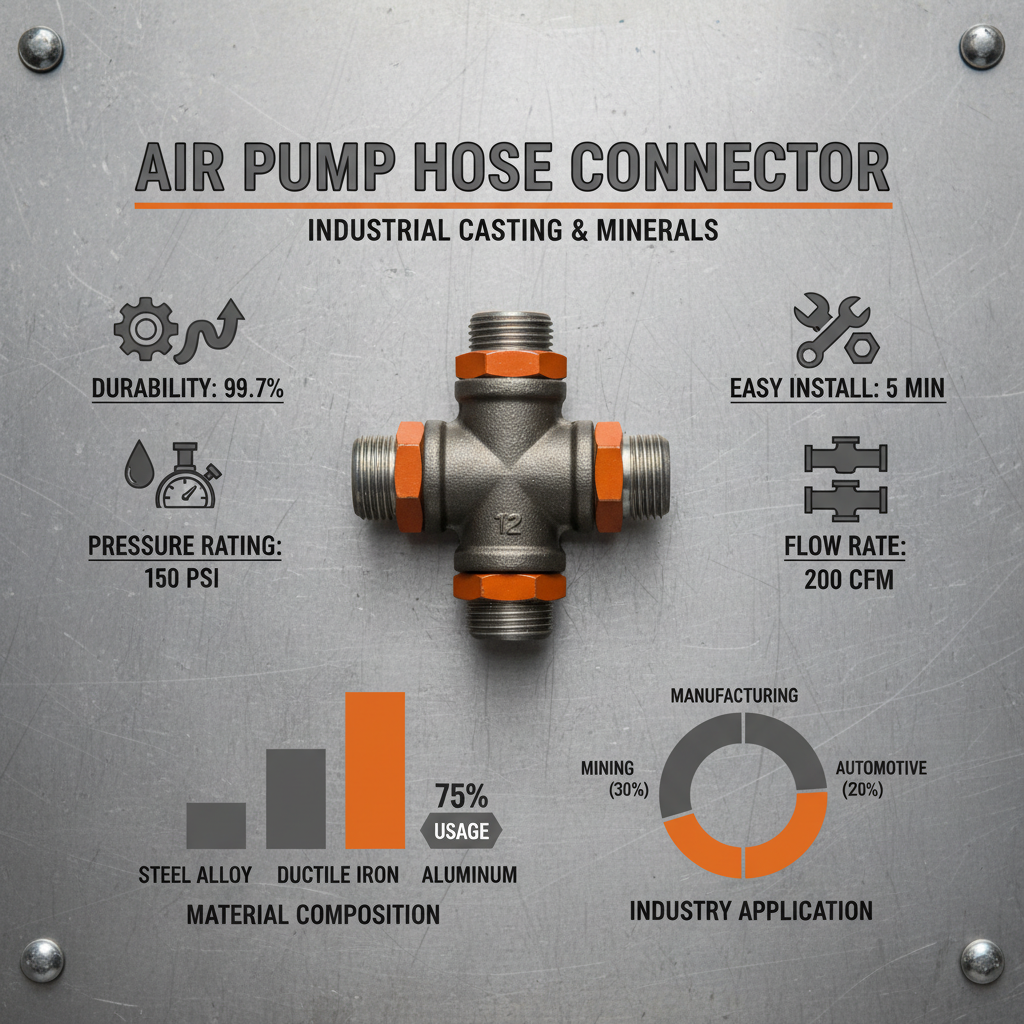
Pressure Rating is a crucial metric, indicating the maximum pressure an air pump hose connector can safely withstand. Selecting a connector with an appropriate pressure rating for the intended application is critical to prevent failure and ensure safety. Different applications will require different ratings; higher pressure applications, such as industrial machinery, will necessitate connectors with higher pressure thresholds.

Flow Rate Capacity measures the volume of air or gas that can pass through the connector without significant restriction. A higher flow rate capacity is desirable in applications where rapid air delivery is required, such as pneumatic tools or automated systems. The connector's internal diameter and streamlined design contribute to maximizing flow rate.

air pump hose connector Performance Comparison


Global Applications of air pump hose connector

The automotive industry heavily relies on air pump hose connector in manufacturing processes such as paint spraying, welding, and robotic assembly. Pneumatic tools powered by compressed air require reliable connectors to deliver consistent performance. Furthermore, they are integral to the operation of vehicle braking systems and air suspension.

In the food and beverage industry, air pump hose connector are used in packaging, filling, and labeling equipment. Sanitary connectors made from food-grade materials are essential to maintain hygiene and prevent contamination. These connectors must withstand frequent cleaning and sterilization processes.

Advantages of High-Quality air pump hose connector

Cost Efficiency: High-quality air pump hose connector, while potentially having a higher upfront cost, often result in long-term cost savings. Their durability minimizes the need for frequent replacements, reducing downtime and maintenance expenses. Reliable performance also optimizes energy efficiency by preventing air leaks.

Enhanced Safety: Leak-proof connections and robust construction significantly improve safety in pneumatic systems. Preventing air leaks reduces the risk of accidents and ensures the reliable operation of safety-critical equipment. This is especially important in industries handling hazardous materials.

Future Trends in air pump hose connector Technology

The integration of smart technology into air pump hose connector is an emerging trend. Sensors can be embedded within connectors to monitor pressure, flow rate, and temperature, providing real-time data for predictive maintenance and system optimization. This data can be transmitted wirelessly for remote monitoring and analysis.

Sustainable Materials: There’s a growing demand for air pump hose connector made from eco-friendly and recyclable materials. Manufacturers are exploring alternatives to traditional metals and polymers to reduce environmental impact. Bioplastics and recycled materials are becoming increasingly viable options.

Summary of Key Factors Impacting air pump hose connector Performance

Material Composition Connection Type Operating Pressure Environmental Resistance
Brass (7/10) Threaded (8/10) 150 PSI (9/10) Moderate (6/10)
Stainless Steel (9/10) Quick Connect (7/10) 200 PSI (10/10) High (9/10)
Polypropylene (6/10) Barb (5/10) 80 PSI (7/10) Good (7/10)
Aluminum (5/10) Flange (6/10) 100 PSI (8/10) Moderate (6/10)
PVC (4/10) Slip (4/10) 50 PSI (5/10) Limited (4/10)
Nylon (6/10) Hose Stem (7/10) 120 PSI (7/10) Good (7/10)

FAQS

What materials are best for air pump hose connector in corrosive environments?

For corrosive environments, stainless steel (particularly 316 grade) and certain specialized polymers like PTFE are ideal. Stainless steel offers excellent resistance to a wide range of chemicals, while PTFE is inert to virtually all corrosive substances. Avoid materials like brass or aluminum in these applications, as they are prone to corrosion. Consider factors like temperature and specific chemical exposure when making your selection, as even stainless steel has limitations.

How do I determine the correct thread size for my air pump hose connector?

The correct thread size is crucial for a leak-proof connection. Refer to the hose and equipment specifications. Common thread types include NPT (National Pipe Thread), BSP (British Standard Pipe), and metric threads. Carefully measure the existing threads or consult the manufacturer's documentation. Using an incorrect thread size can damage the connector and the equipment, or cause leaks and system failures. Always ensure threads are clean and free of debris.

What is the difference between quick-connect and threaded air pump hose connector?

Quick-connect connectors offer faster assembly and disassembly, making them suitable for applications requiring frequent hose changes. Threaded connectors provide a more secure and durable connection, ideal for applications where the connection is rarely disturbed. Quick-connects are convenient but may be more prone to accidental disconnection under pressure. Threaded connectors require more time for installation but offer greater reliability in static applications.

How do I prevent leaks in my air pump hose connector connections?

Preventing leaks involves several steps. Ensure the connector is properly tightened, but avoid over-tightening, which can damage the threads. Use appropriate thread sealant tape (Teflon tape) on threaded connections. Inspect O-rings or gaskets for wear and tear and replace them as needed. Confirm the connector is compatible with the hose and equipment. Regularly inspect connections for any signs of leaks and address them promptly.

What are the advantages of using a swivel air pump hose connector?

Swivel connectors allow for rotational movement between the hose and the connected equipment, reducing strain on the hose and preventing kinking or twisting. This is particularly beneficial in applications where the equipment is moved or rotated during operation. Swivel connectors enhance the flexibility of the pneumatic system and prolong the life of the hose. They are often used in air tools and machinery where maneuverability is important.

How often should I inspect and replace my air pump hose connector?

The inspection frequency depends on the application and operating conditions. Regular visual inspections should be performed to check for signs of wear, corrosion, or damage. Replace connectors that show any signs of deterioration. In high-usage or harsh environments, more frequent inspections are recommended. As a general guideline, replace connectors annually, or sooner if necessary, to ensure continued safety and reliability.

Conclusion

In conclusion, the air pump hose connector, though often overlooked, is an indispensable component in a vast array of industrial, commercial, and even humanitarian applications. Its critical functions – ensuring safe, efficient, and reliable transfer of compressed air – directly impact system performance and operational safety. Selecting the appropriate connector based on material compatibility, pressure requirements, and environmental conditions is essential for long-term success.

Looking ahead, advancements in materials science and smart technology promise even more innovative air pump hose connector solutions. Sustainable materials and integrated sensors will drive improved performance, reduced environmental impact, and enhanced predictive maintenance capabilities. By prioritizing quality, innovation, and a thorough understanding of application needs, industries can unlock the full potential of these vital components. For high-quality air pump hose connector solutions, visit our website: www.ydcastings.com

Joseph Baker

Joseph Baker

Joseph Baker is a Project Engineer at Hebei Yuanda Trade Co., Ltd., dedicated to managing customized metal part projects from initial inquiry to final delivery. He works closely with customers to understand their specific requirements and translates those needs into detailed manufacturing specifications. Joseph is particularly knowledgeable in molten mold
Previous Precision Investment Casting for Impellers
Next Optimizing Fluid Transfer with High Performance Stainless Steel Pump Impeller Solutions