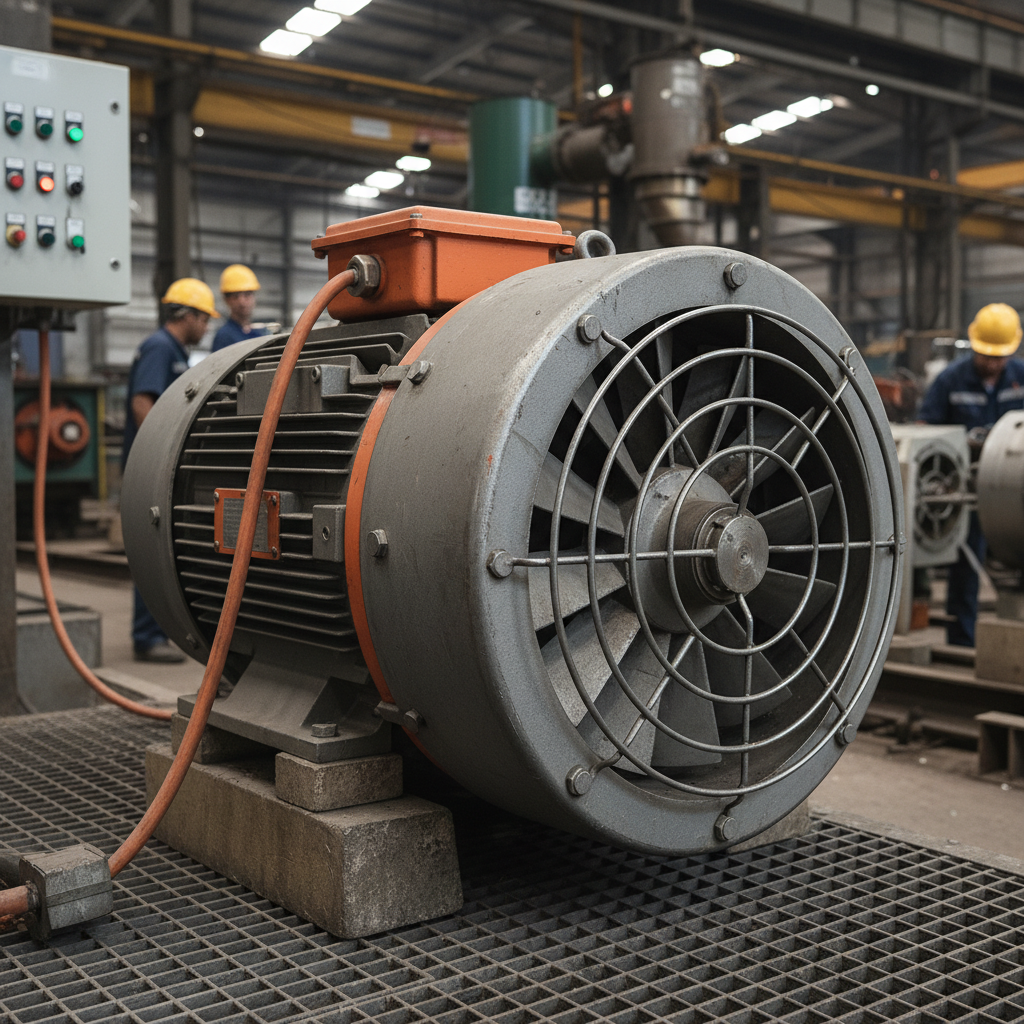
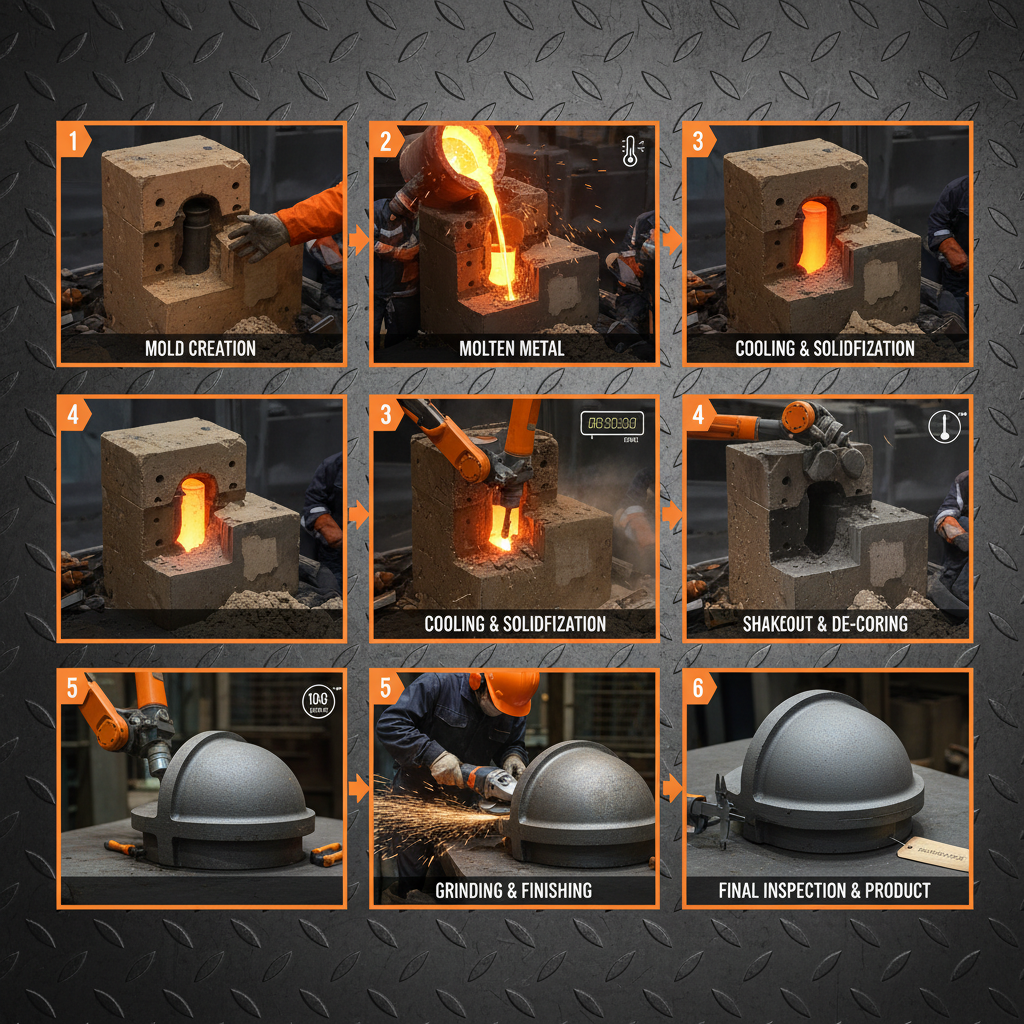
The modern industrial landscape relies heavily on the precise movement of fluids and gases, a feat made possible by the integration of the impeller motor. As the driving force behind centrifugal pumps and ventilation systems, this synergy of electrical energy and hydrodynamic design is critical for maintaining operational efficiency across diverse sectors, from automotive cooling to large-scale power generation.
Understanding the intricacies of an impeller motor is not merely a technical necessity but a commercial advantage. By optimizing the interaction between the motor's torque and the impeller's blade geometry, companies can significantly reduce energy consumption and minimize downtime, directly impacting the bottom line and operational sustainability in heavy manufacturing.
Whether you are sourcing components for pump parts or upgrading electric power accessories, the quality of the motor-impeller assembly determines the lifespan of the entire system. This guide explores the technical benchmarks, global applications, and future innovations that define the current state of high-performance impeller motor technology.
Global Relevance of Impeller Motor Systems
On a global scale, the demand for efficient fluid transport has pushed the impeller motor to the forefront of industrial engineering. From the ISO standards governing pump efficiency to the massive infrastructure projects in emerging economies, the ability to move water, chemicals, or air reliably is a cornerstone of modern civilization. In regions where industrialization is accelerating, the adoption of high-efficiency motors has become a key metric for reducing carbon footprints and operational costs.
However, the industry faces a persistent challenge: the struggle between high output and energy wastage. Many legacy systems utilize outdated motor designs that lead to excessive heat generation and premature wear. By transitioning to precision-cast impellers paired with variable-speed motors, industries can solve the problem of "over-pumping," ensuring that energy is used only when necessary, thereby aligning with global sustainability goals and reducing total cost of ownership.
Technical Definition and Industrial Meaning
In simple technical terms, an impeller motor is an integrated system where an electric motor provides the rotational torque necessary to spin an impeller—a rotating disk with vanes. This rotation creates a pressure differential, accelerating the fluid outward through centrifugal force. While it sounds basic, the "meaning" of this technology in a modern context is the bridge between electrical energy and mechanical fluid dynamics.
Beyond the mechanics, this system represents the heartbeat of critical infrastructure. In humanitarian contexts, such as providing clean water to remote villages or maintaining sewage systems in disaster-prone areas, the reliability of the motor-impeller assembly is a matter of public health. The ability to maintain steady flow rates under varying loads is what separates an industrial-grade solution from a consumer-grade product.
In the realm of OEM manufacturing, specifically for Auto Parts and Pump Parts, the impeller motor is defined by its tolerance and material science. The shift toward lightweight, corrosion-resistant alloys ensures that these motors can operate in harsh environments—such as saline coastal air or acidic chemical plants—without sacrificing the structural integrity of the rotating components.
Core Components for Maximum Performance
The durability of an impeller motor begins with the material selection of the impeller itself. High-grade stainless steel or specialized polymers are often used to prevent cavitation—the formation of vapor bubbles that can erode the metal. When the motor's RPM is perfectly synced with the impeller's pitch, the system achieves a state of harmonic efficiency that maximizes flow while minimizing vibration.
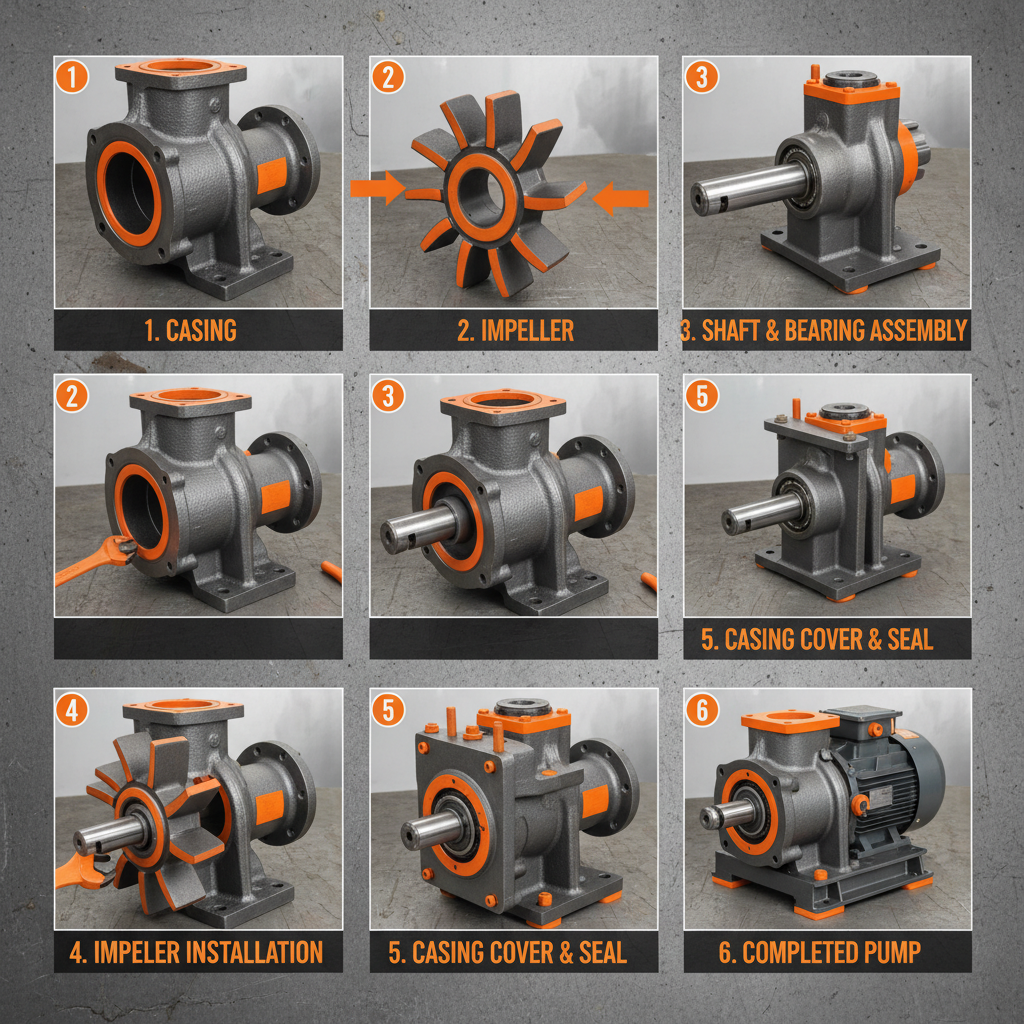
Scalability is another critical factor. A professional impeller motor assembly must be adaptable to various housing sizes and power inputs. By utilizing modular motor frames and interchangeable impeller diameters, engineers can fine-tune the system to meet specific head pressure requirements without redesigning the entire pump architecture from scratch.
Finally, cost-efficiency is realized through the integration of smart controllers. Modern motors are often equipped with Variable Frequency Drives (VFDs), which allow the impeller motor to adjust its speed in real-time based on sensor data. This prevents the mechanical stress associated with sudden starts and stops, extending the service life of the bearings and seals.
Efficiency Benchmarks and Operational Metrics
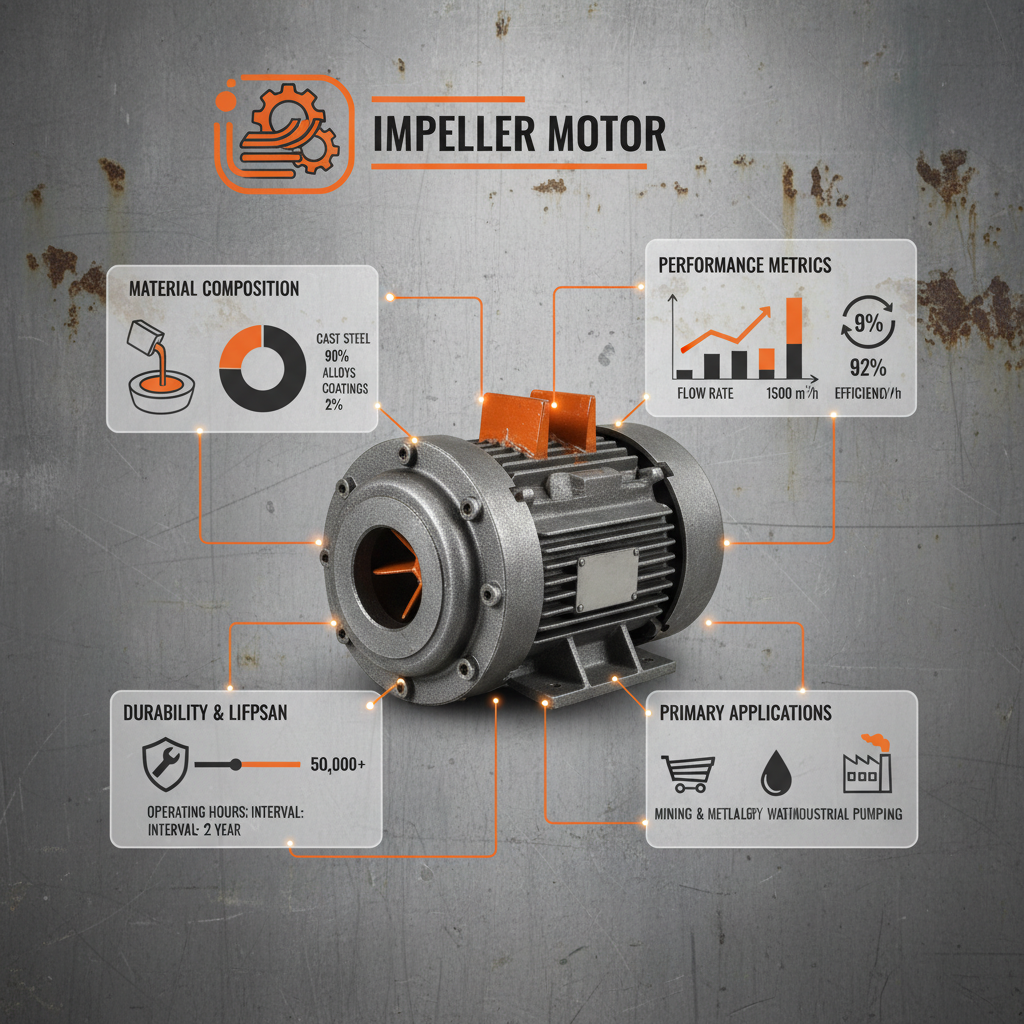
Measuring the success of an impeller motor requires a look at the synergy between hydraulic efficiency and electrical input. A high-performing system is characterized by a low "slip" rate and a high coefficient of discharge. When these metrics are optimized, the energy lost to friction and turbulence is minimized, allowing for a more streamlined flow of the medium.
To provide a clear comparison, we evaluate different configurations of motor-impeller pairings based on their operational reliability and energy savings. The following data illustrates how different design approaches impact the overall rating of the system in a heavy-duty industrial setting.
Performance Analysis of Impeller Motor Configurations
Global Applications and Real-World Use Cases
The versatility of the impeller motor allows it to function across disparate environments. In the automotive industry, these motors drive the water pumps that prevent engine overheating, ensuring that vehicles can operate in extreme climates from the Sahara to the Arctic. The precision of the casting here is paramount to reduce noise, vibration, and harshness (NVH) for the end user.
In remote industrial zones, such as mining operations in the Andes or oil rigs in the North Sea, the impeller motor is used for slurry transport and coolant circulation. In these high-stakes environments, a motor failure can lead to catastrophic system shutdowns. Consequently, these regions prioritize "over-engineered" motor assemblies that feature reinforced bearings and extreme-temperature insulation.
Long-Term Value and Sustainability Benefits
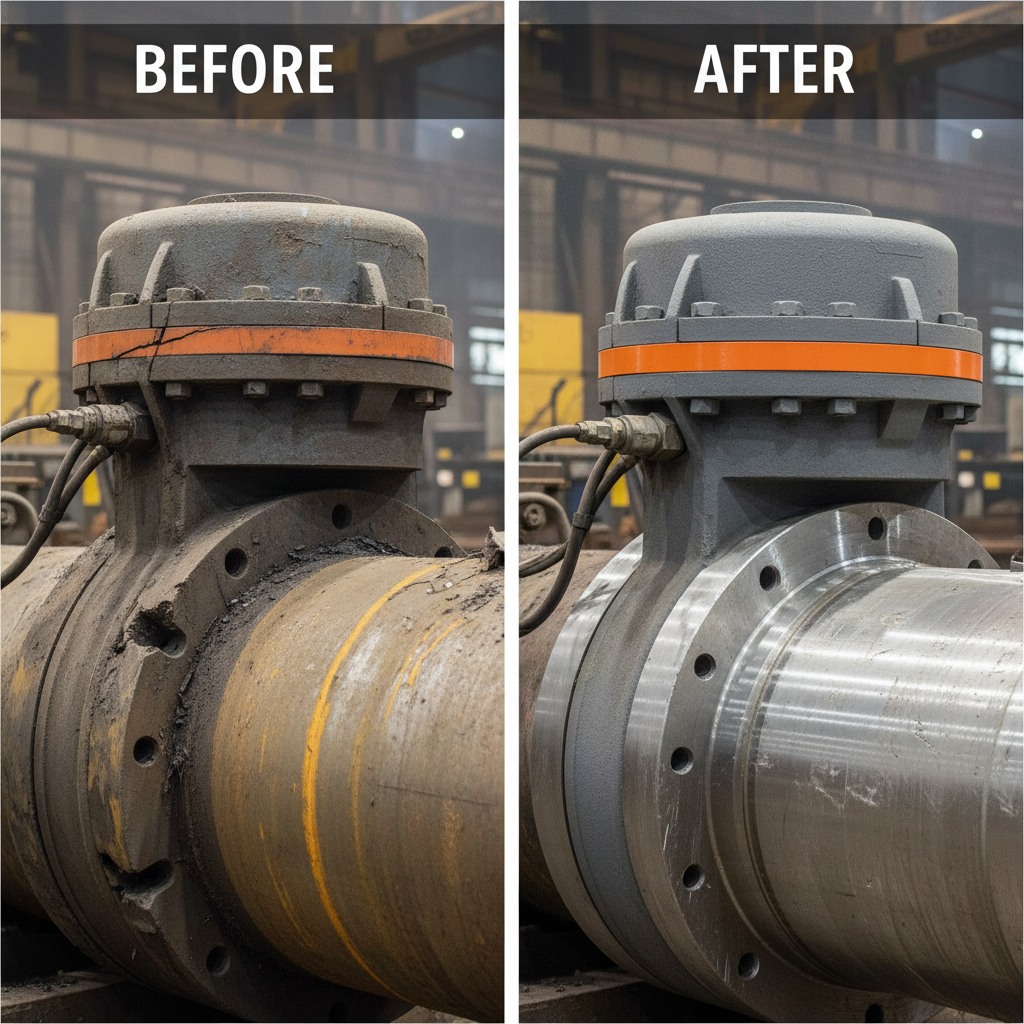
Investing in a premium impeller motor provides tangible long-term value through reduced maintenance cycles. When a motor is perfectly balanced with its impeller, the mechanical stress on the shaft is minimized, which drastically lowers the frequency of seal replacements. This reliability translates to higher uptime and greater trust in the production line.
From a sustainability perspective, the shift toward "Green" motors—those with IE3 or IE4 efficiency ratings—significantly reduces the energy waste associated with fluid movement. By optimizing the hydrodynamic profile of the impeller, the motor does not have to work as hard to achieve the same flow rate, lowering electricity costs and reducing the carbon footprint of the industrial plant.
Moreover, there is an emotional component to this innovation: safety. A reliable motor ensures that cooling systems in power plants or pressure regulators in valve parts never fail, protecting workers and the surrounding community from industrial accidents. Innovation in this field is not just about profit; it is about building a safer, more resilient industrial world.
Future Trends in Motor-Impeller Innovation
The future of the impeller motor is being shaped by digital transformation. The integration of IoT sensors directly into the motor housing allows for "predictive maintenance." Instead of scheduled checks, the system can now alert operators when vibration patterns suggest that the impeller is beginning to wear or that the motor bearings are failing.
Material science is also evolving, with the introduction of 3D-printed metal impellers. These allow for complex internal geometries—such as biomimetic blade designs—that were previously impossible to cast. These "bionic" impellers can move fluid with significantly less turbulence, allowing the impeller motor to operate at lower power levels while maintaining the same output.
Additionally, the move toward hydrogen-powered or fully electric industrial grids is pushing the development of ultra-high-efficiency permanent magnet motors. These motors offer a superior torque-to-weight ratio, making the overall pump system more compact and easier to integrate into the next generation of modular factories.
Comparative Analysis of Impeller Motor Technology Evolutions
| Technology Era |
Material Focus |
Control Method |
Efficiency Score |
| Legacy Systems |
Cast Iron / Steel |
On/Off Switch |
4/10 |
| Standard Industrial |
Stainless Steel |
Basic VFD |
6/10 |
| High-Performance |
Alloy Composites |
Smart PID Control |
8/10 |
| Eco-Efficient |
Lightweight Alloys |
AI-Optimized VFD |
9/10 |
| Next-Gen Bionic |
3D Printed Titanium |
Predictive IoT |
10/10 |
| Specialized OEM |
Ceramic Coated |
Custom Frequency |
9/10 |
FAQS
For high-viscosity fluids, you need an impeller motor with higher torque capabilities and a specifically designed impeller (such as a wide-vane or positive displacement style). It is crucial to ensure the motor can handle the increased drag without overheating, which typically requires a lower RPM but higher torque output, often managed via a heavy-duty gear reducer or a high-torque VFD.
The most common causes include cavitation, which erodes the impeller blades; misalignment between the motor shaft and the impeller, leading to bearing wear; and electrical surges that burn out motor windings. Regular lubrication and the installation of surge protectors, along with periodic vibration analysis, can prevent these failures.
Yes, in most modular designs, the impeller can be replaced independently. However, it is essential to ensure that the new impeller's weight and hydrodynamic profile match the motor's torque specifications. If the new impeller is significantly heavier or creates more drag, you may overload the motor, leading to premature burnout.
While not strictly necessary for simple, constant-flow applications, a Variable Frequency Drive (VFD) is highly recommended for systems with varying load demands. VFDs reduce energy consumption by matching motor speed to the actual need and reduce mechanical stress by providing "soft starts," which significantly extends the life of the impeller and motor bearings.
Material affects efficiency through weight and surface friction. Lighter materials like advanced polymers or titanium alloys reduce the inertia the motor must overcome to reach full speed. Furthermore, smooth, corrosion-resistant coatings reduce fluid friction (drag), allowing the impeller motor to move more fluid using less electrical energy.
Noise is usually a result of vibration or turbulence. To reduce it, ensure the motor is mounted on vibration-damping pads and that the impeller is dynamically balanced. Additionally, optimizing the impeller blade geometry to reduce turbulence and ensuring the motor is operating at its optimal RPM (avoiding resonance frequencies) will significantly quiet the system.
Conclusion
The impeller motor serves as a critical intersection of electrical power and fluid mechanics, driving efficiency in everything from automotive cooling to global power infrastructure. By focusing on high-precision casting, material innovation, and smart control systems, industries can achieve a balance of high performance and low energy consumption, ensuring that their operations remain competitive and sustainable in an increasingly demanding global market.
Looking forward, the integration of AI-driven predictive maintenance and bionic impeller designs will further redefine the limits of fluid transport. For businesses looking to upgrade their systems or source high-quality OEM components, investing in a precision-engineered motor-impeller assembly is the most effective way to ensure long-term reliability and operational excellence. Visit our website: www.ydcastings.com