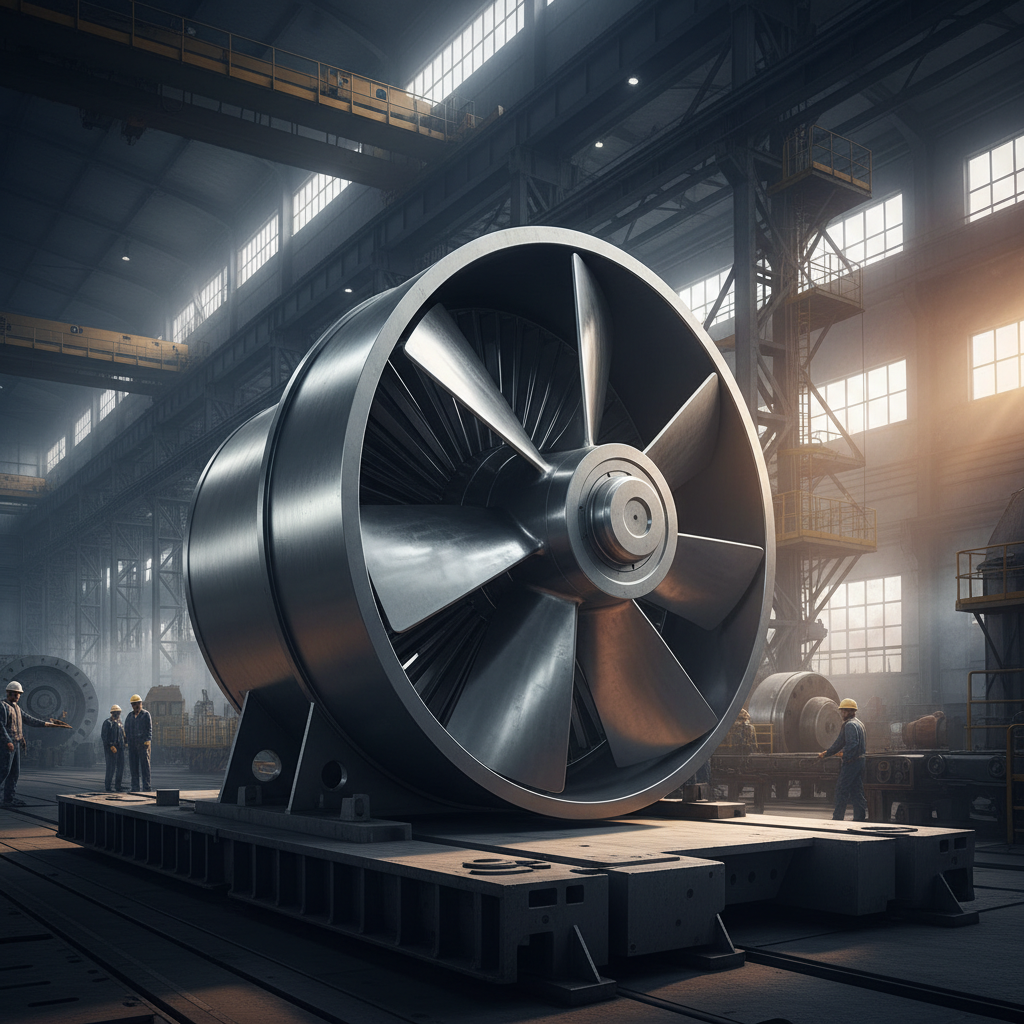
Look, I’ve spent the last fifteen years knee-deep in dust and concrete, watching projects go up from the ground. And let me tell you, a reliable connection is everything. Whether it’s water, gas, or compressed air, you need to be absolutely certain that pipework isn't going to fail. That's where a good cap end pipe comes in. It's not glamorous, but it's fundamental. It’s the silent guardian of efficiency and, frankly, safety on any construction site. We're talking about preventing leaks, maintaining pressure, and ensuring the whole system operates as intended.
I’ve seen projects delayed, budgets blown, and reputations damaged by simple failures in pipe termination. Using a poorly manufactured or incorrectly sized cap end pipe can create headaches downstream – and I mean serious headaches. It’s not just about the cost of the cap itself; it’s about the cost of rework, downtime, and potential safety hazards.
The thing is, people often overlook the cap end pipe until something goes wrong. They focus on the main lines, the valves, the pumps. But the last few feet are just as critical. A solid cap end pipe isn’t just a fitting; it’s a safeguard, an investment in the longevity and reliability of the entire system. And that, at the end of the day, is what we’re all aiming for.
The Critical Role of cap end pipe in Infrastructure
Let's be clear: a cap end pipe isn’t a component you skimp on. I've seen too many projects where saving a few bucks on fittings resulted in significant problems later down the line. It's a small part of the overall system, sure, but a crucial one. Think of it like the last bolt on a critical piece of machinery; if it fails, everything else can come undone.
The sheer scale of infrastructure reliant on these fittings is staggering. Water distribution networks, oil and gas pipelines, industrial processing plants – they all depend on reliable end caps to maintain integrity and prevent costly leaks. Globally, the demand for robust and durable cap end pipe is only going to increase as infrastructure ages and new projects are developed.
Understanding cap end pipe: A Definition
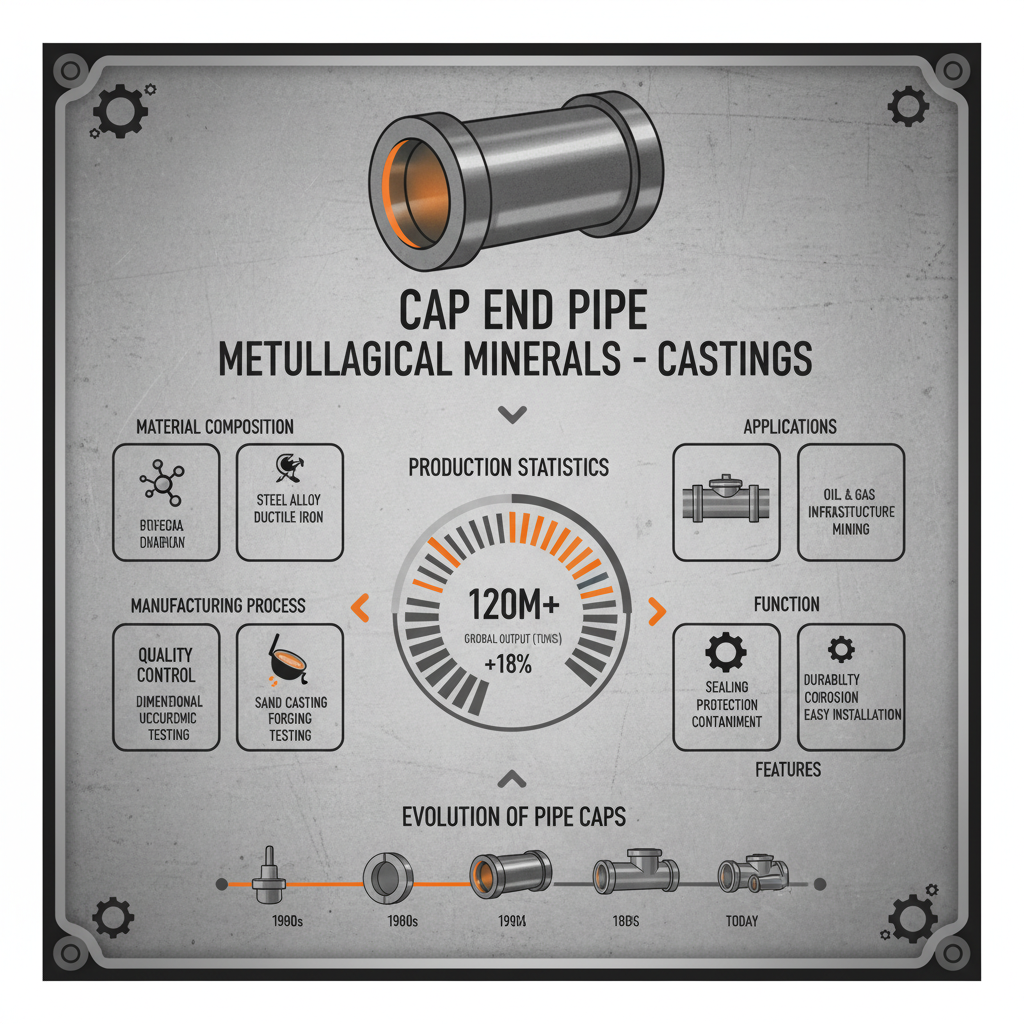
Simply put, a cap end pipe is a fitting used to seal the open end of a pipe. Sounds basic, right? But there’s a lot more to it than that. They come in a variety of materials – steel, stainless steel, ductile iron, plastic – each suited to different applications and pressure requirements. The way they’re connected also varies: threaded, welded, flanged. Choosing the right type is essential for ensuring a secure, leak-proof seal.
These aren’t just about capping off a pipe. They’re integral to pressure testing, system isolation, and preventing contamination. In modern industry, where efficiency and safety are paramount, a cap end pipe isn’t just a convenience; it’s a necessity.
And it's not just industrial. Think about agricultural irrigation, residential plumbing, even firefighting systems. They all rely on the humble cap end pipe to deliver critical functionality.
Key Characteristics of High-Quality cap end pipe
When I’m on a site, I look for three things in a cap end pipe: material integrity, precision manufacturing, and proper coating. The material has to be able to withstand the pressure, temperature, and corrosive environment it’s going to be exposed to. You can’t just grab the cheapest option and expect it to hold up.
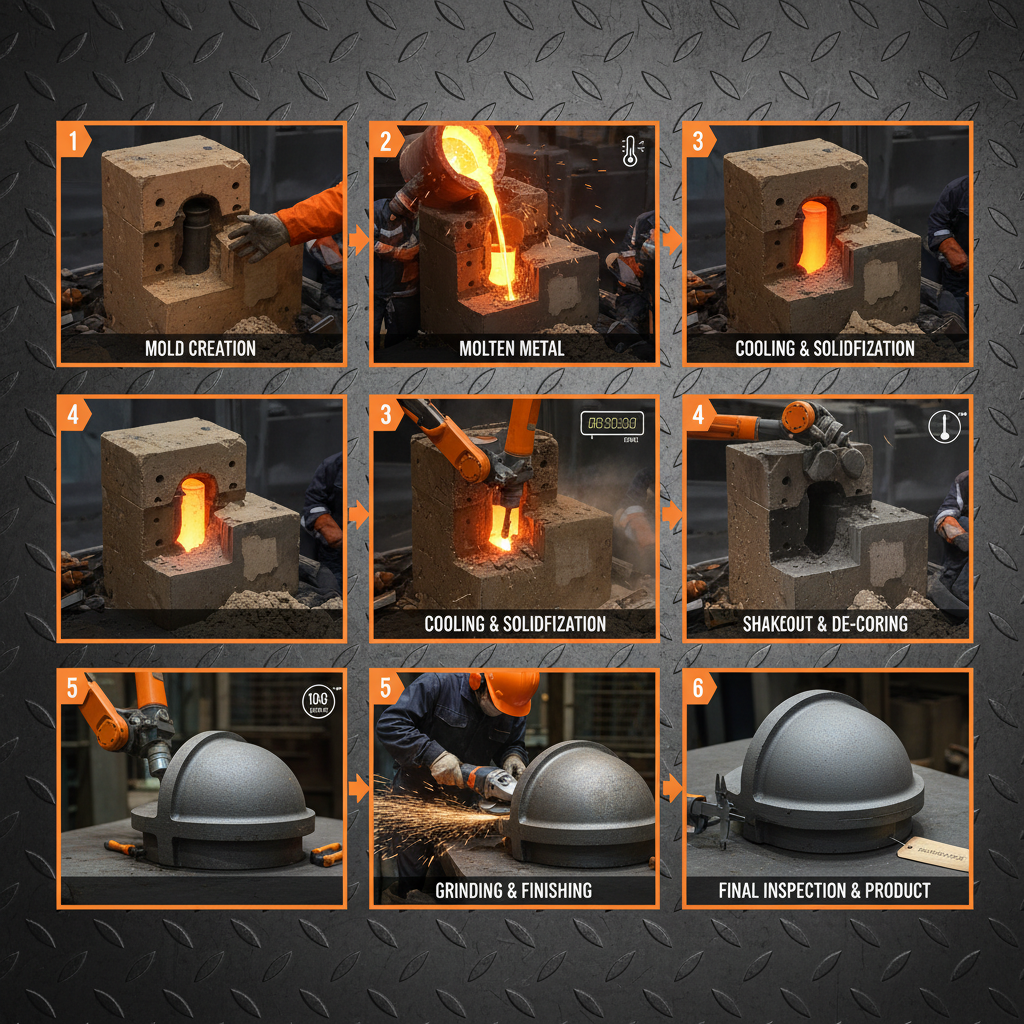
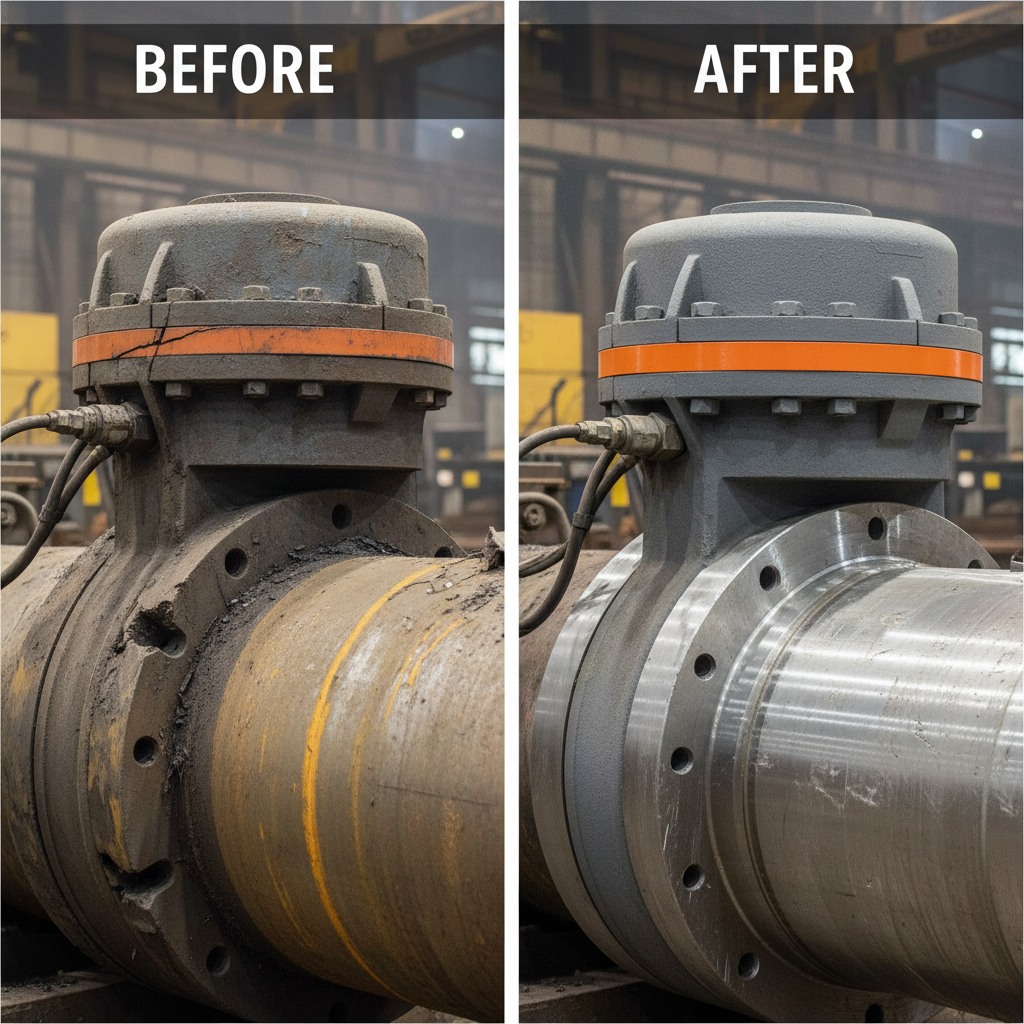
Precision is key. Sloppy threads, uneven surfaces, or poorly formed welds are all red flags. A properly manufactured cap end pipe will fit snugly and securely, creating a watertight seal. And the coating – whether it’s galvanization, epoxy, or another protective layer – is crucial for preventing corrosion and extending the life of the fitting. Remember, prevention is always cheaper than repair.
Don’t forget about certifications. Look for fittings that meet industry standards like ANSI, ASTM, or ISO. These certifications provide assurance that the cap end pipe has been tested and meets specific performance criteria. It’s a small detail, but it can save you a lot of trouble in the long run.
Practical Applications of cap end pipe Across Industries
I've seen cap end pipe used in everything from massive municipal water systems to small-scale residential plumbing. In the oil and gas industry, they’re critical for sealing off pipelines during maintenance and repair. In chemical processing plants, they’re used to isolate sections of the system for cleaning or inspection.
In the power generation sector, they are vital for steam and cooling water systems. The agricultural sector uses them extensively in irrigation lines. And let's not forget firefighting, where reliable cap end pipe connections can be a matter of life and death. The versatility of these fittings is truly remarkable.
Cap end pipe Application Ratings by Industry
The Long-Term Advantages of Investing in Superior cap end pipe
Look, it’s easy to see cap end pipe as a commodity item. But treating it as such is a mistake. Investing in high-quality fittings upfront can save you a fortune in the long run. Reduced maintenance, fewer leaks, and increased system reliability all translate into cost savings.
Beyond the financial benefits, there’s the peace of mind that comes with knowing your systems are secure and operating efficiently. And that, in my experience, is priceless.
Global Use Cases for cap end pipe
I’ve worked on projects all over the world, and the need for dependable cap end pipe is universal. In developing countries, where infrastructure is often lacking, reliable pipe fittings are essential for providing access to clean water and sanitation. In industrialized nations, they're critical for maintaining aging infrastructure and supporting economic growth.
From large-scale desalination plants in the Middle East to irrigation projects in Africa, and industrial facilities in Europe, the demand for robust and durable cap end pipe is consistently high.
Future Trends and Challenges in cap end pipe Technology
We’re seeing a growing demand for smarter fittings – those that incorporate sensors and monitoring capabilities. These "intelligent" cap end pipe can provide real-time data on pressure, temperature, and flow, allowing for proactive maintenance and preventing catastrophic failures.
Another trend is the development of more sustainable materials. Manufacturers are exploring alternatives to traditional metals, such as recycled plastics and bio-based polymers. The challenge, however, is ensuring these materials meet the same performance standards as their conventional counterparts.
Summary of Key Future Trends in cap end pipe Technology
| Technology Area |
Current Status |
Potential Impact |
Adoption Rate (1-10) |
| Smart cap end pipe (integrated sensors) |
Pilot projects, limited commercial availability |
Proactive maintenance, reduced downtime |
4 |
| Bio-Based Materials |
Research and development phase |
Reduced environmental impact |
3 |
| Advanced Coating Technologies |
Improved corrosion resistance coatings available |
Extended lifespan, reduced maintenance |
7 |
| 3D-Printed cap end pipe |
Early prototyping, material limitations |
Customized solutions, on-demand manufacturing |
2 |
| Self-Healing Polymers |
Laboratory research, high cost |
Increased durability, reduced leak risk |
1 |
| Digital Twin Integration |
Growing use of digital twins for asset management |
Improved monitoring and predictive maintenance |
5 |
FAQS
Cap end pipe are commonly made from carbon steel, stainless steel, ductile iron, and various plastics. For highly corrosive environments, stainless steel – particularly grades like 316 – is the best choice. It offers superior resistance to chlorides, acids, and other corrosive agents. While plastic options exist, they often have limitations in terms of temperature and pressure resistance.
Determining the correct size is critical. You need to precisely match the outer diameter of the pipe you're capping. Always double-check your measurements! Use a calibrated measuring tool, and account for any potential variations in pipe dimensions. Using the wrong size can lead to leaks, pressure loss, or even damage to the pipe system.
Threaded caps are easier to install and remove, making them ideal for temporary connections or applications where frequent access is required. Welded caps create a permanent, leak-proof seal and are preferred for high-pressure systems or applications where absolute reliability is essential. The choice depends on the specific requirements of your project.
Absolutely! Look for certifications from organizations like ANSI (American National Standards Institute), ASTM International, and ISO (International Organization for Standardization). These certifications verify that the cap end pipe meets specific quality and performance criteria. This provides peace of mind and ensures you're getting a reliable product.
Corrosion prevention starts with choosing the right material – stainless steel is a great option for corrosive environments. Coatings like galvanization, epoxy, or specialized paints can also provide excellent protection. Regularly inspect your cap end pipe for signs of corrosion and address any issues promptly. Proper maintenance is key to extending its lifespan.
The lifespan varies depending on the material, operating conditions, and maintenance practices. Stainless steel caps can last for decades with minimal maintenance. Carbon steel caps, with proper coating and regular inspection, can also provide years of reliable service. Plastic caps may have a shorter lifespan, particularly in harsh environments.
Conclusion
From the smallest residential plumbing setup to the largest industrial complex, the cap end pipe plays a critical, often overlooked role in ensuring the safety, efficiency, and longevity of countless systems. Understanding the nuances of material selection, manufacturing quality, and proper application is crucial for anyone involved in construction, maintenance, or infrastructure management.
Looking ahead, the integration of smart technologies and the development of sustainable materials will continue to shape the future of cap end pipe. By embracing innovation and prioritizing quality, we can build more resilient, reliable, and environmentally responsible infrastructure for generations to come. For all your cap end pipe needs, visit our website: www.ydcastings.com.