Water pump hose connectors are critical components in a vast array of fluid transfer systems, spanning industries from agriculture and construction to automotive and emergency response. Their seemingly simple function – securely joining hoses to pumps and other equipment – underpins the efficient and reliable movement of liquids essential for countless processes. Understanding the nuances of water pump hose connector design, materials, and applications is paramount for engineers, technicians, and anyone involved in maintaining and optimizing fluid handling systems. This knowledge directly translates to improved operational efficiency, reduced downtime, and enhanced safety.
The global demand for robust and reliable water pump hose connectors is driven by several key factors, including increasing industrialization, rapid urbanization, and the growing need for effective water management solutions. According to the United Nations, global water demand is projected to exceed supply by 40% by 2030, highlighting the critical importance of efficient water distribution and utilization. High-quality connectors play a vital role in minimizing leaks and ensuring that water resources are used effectively. Furthermore, stringent safety regulations across various industries necessitate the use of connectors that can withstand high pressures, temperatures, and corrosive environments.
The escalating need for disaster relief and emergency response also significantly contributes to the demand for dependable water pump hose connectors. In the aftermath of natural disasters, rapid deployment of water pumping systems is often crucial for providing clean water to affected populations. Consequently, durable and easily connectable hose connectors are essential tools for humanitarian organizations and emergency responders. These connectors often need to function reliably in challenging conditions, further emphasizing the importance of quality and performance.
Introduction to water pump hose connector
A water pump hose connector, in its simplest form, is an interface designed to create a secure and leak-proof connection between a flexible hose and a water pump or other fluid transfer equipment. These connectors come in a diverse range of designs, materials, and sizes to accommodate various hose types, pump configurations, and application requirements. Their primary role is to facilitate the efficient and safe transfer of fluids, preventing loss and maintaining system pressure. water pump hose connector are vital components.
The significance of a correctly selected and installed water pump hose connector extends beyond simply preventing leaks. A robust connector contributes to the overall reliability and longevity of the entire fluid handling system, reducing the risk of costly downtime and maintenance. Modern connectors are often designed with features such as quick-connect mechanisms, corrosion resistance, and the ability to withstand extreme temperatures and pressures, making them suitable for a wide range of demanding applications.
Defining the water pump hose connector
A water pump hose connector is a fitting used to join a hose to a pump, pipe, or another hose. These connectors are essential for creating a sealed and secure connection that allows for the effective transfer of water or other fluids. They are integral to countless systems, from irrigation and drainage to firefighting and industrial cooling. They're often constructed from materials like brass, stainless steel, aluminum, or durable plastics, selected based on the fluid being transported and the environmental conditions.
The evolution of water pump hose connectors is closely tied to advancements in materials science and engineering. Early connectors were often made from simple metal clamps and fittings, prone to leaks and corrosion. Modern connectors utilize precision machining, advanced polymers, and innovative sealing technologies to achieve higher levels of reliability and performance. The ongoing demand for lightweight, durable, and easy-to-use connectors continues to drive innovation in this field.
In essence, the water pump hose connector bridges the gap between the flexible nature of hoses and the rigid structure of pumps and piping systems. Without these connectors, effective fluid transfer would be significantly more challenging and prone to inefficiencies. They are a fundamental component in maintaining the integrity and functionality of fluid handling systems across various industries and applications.
Core Components and Key Factors
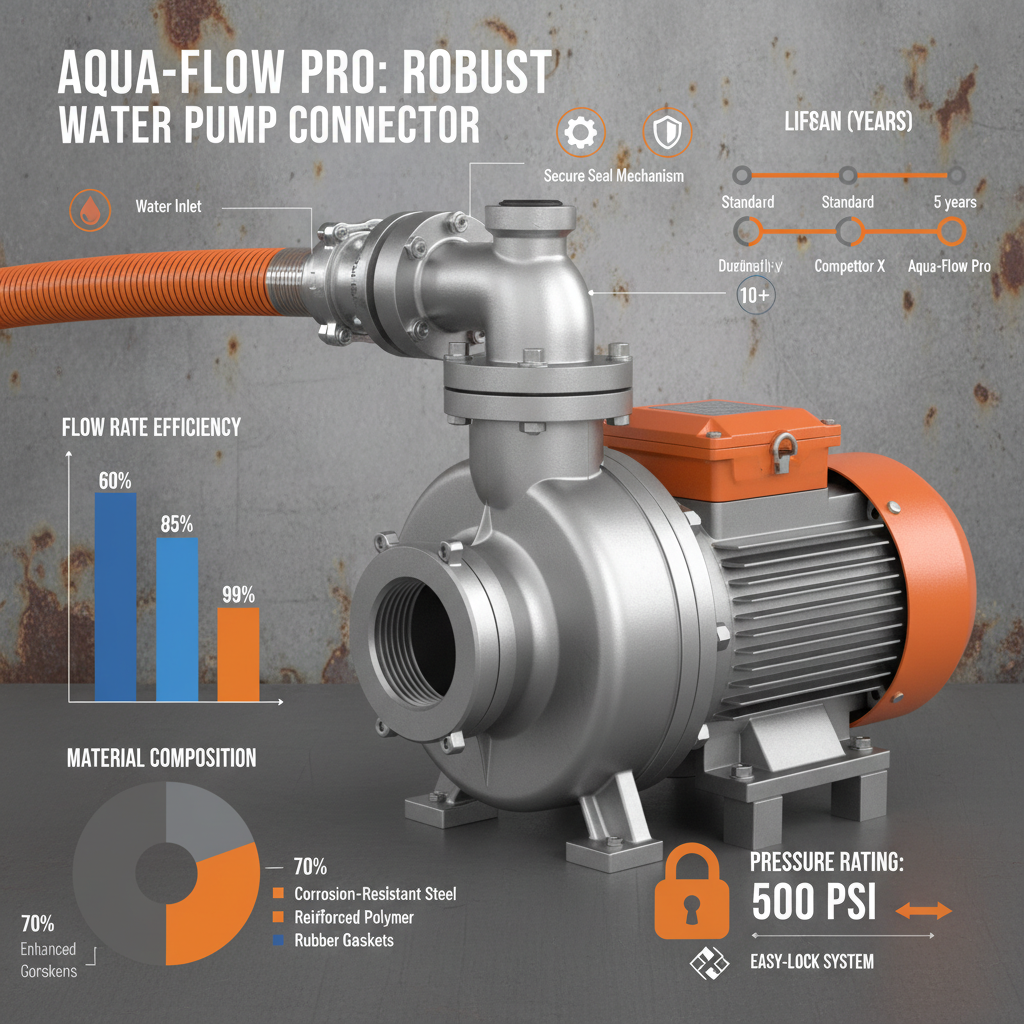
Several core factors dictate the performance and suitability of a water pump hose connector for a specific application. Firstly, Durability is paramount. Connectors must withstand repeated use, exposure to harsh environments, and the stresses associated with fluid pressure and temperature fluctuations. The material composition, manufacturing process, and overall design all contribute to a connector's longevity.
Secondly, Compatibility with the hose and pump is crucial. The connector’s size, thread type, and material must be matched to the corresponding components to ensure a secure and leak-proof connection. Mismatched components can lead to failures and costly repairs. Using water pump hose connector ensures compatibility.
Thirdly, Pressure Rating is a critical consideration. Connectors must be able to withstand the maximum pressure generated by the pump or system without failing. Exceeding the pressure rating can result in leaks, damage, or even catastrophic failure. Fourthly, Corrosion Resistance is essential for applications involving corrosive fluids or harsh environmental conditions. Stainless steel, brass, and specialized polymers are often used to provide enhanced corrosion protection.
Global Applications of water pump hose connector
Water pump hose connectors are ubiquitous across a diverse range of industries and applications. In Agriculture, they are used extensively in irrigation systems, connecting pumps to hoses for efficient water distribution. In Construction, they’re vital for dewatering sites, supplying water to concrete mixers, and powering hydraulic equipment. The quality of the water pump hose connector impacts these systems.
The Firefighting industry relies heavily on robust and reliable connectors to quickly deploy water pumps and hoses to extinguish fires. These connectors must be able to withstand high pressures and operate reliably in extreme conditions. In Industrial Manufacturing, they are used in cooling systems, chemical transfer processes, and a multitude of other fluid handling applications.
Furthermore, in post-disaster relief operations, rapidly deployable water pumping systems utilizing durable connectors are critical for providing clean water to affected populations. In remote industrial zones, where access to specialized equipment and maintenance personnel is limited, the reliability and longevity of connectors are paramount. The demand for efficient and robust solutions drives ongoing innovation.
Connector Performance Metrics by Method
Advantages and Long-Term Value
Investing in high-quality water pump hose connectors yields significant long-term benefits. From a cost perspective, durable connectors reduce the frequency of replacements and minimize downtime associated with leaks and failures. This translates to lower maintenance costs and increased operational efficiency. A properly selected water pump hose connector saves money.
From a sustainability standpoint, reducing leaks conserves valuable water resources and minimizes environmental impact. Durable connectors also reduce the need for frequent manufacturing and disposal, lessening the overall carbon footprint. Moreover, the enhanced safety provided by reliable connectors minimizes the risk of accidents and injuries in various applications.
Future Trends in water pump hose connector Technology
The future of water pump hose connector technology is likely to be shaped by several key trends. The increasing adoption of smart connectors, equipped with sensors to monitor pressure, temperature, and flow rates, will enable predictive maintenance and optimize system performance. Advancements in materials science will lead to the development of even more durable, lightweight, and corrosion-resistant connectors.
The integration of digital technologies, such as 3D printing and automated manufacturing processes, will allow for the creation of customized connectors tailored to specific applications. Furthermore, the growing emphasis on sustainability will drive the demand for connectors made from recycled or biodegradable materials.
Challenges and Innovative Solutions
Despite advancements in connector technology, several challenges remain. One common issue is the difficulty of achieving a leak-proof seal in harsh environments or with older, worn hoses. Another challenge is the vulnerability of certain materials to corrosion or degradation over time. To address these issues, ongoing research and development efforts are focused on innovative sealing mechanisms, corrosion-resistant coatings, and advanced materials.
Innovative solutions include the development of self-sealing connectors that automatically compensate for wear and tear, the use of nanotechnology to create ultra-durable and corrosion-resistant materials, and the implementation of smart connector systems that provide real-time feedback on connector performance. Utilizing cutting-edge technology to enhance the lifespan and reliability of these components is a continuous process.
Furthermore, standardized connector designs and compatibility protocols are crucial for simplifying maintenance and reducing the risk of errors. Collaborations between manufacturers, engineers, and end-users are essential for identifying and addressing these challenges and driving innovation in the field of water pump hose connectors.
Summary of key aspects influencing the selection of water pump hose connectors
| Material Composition |
Pressure Resistance (PSI) |
Operating Temperature Range (°C) |
Connection Type |
| Brass |
300 |
-20 to 100 |
Threaded |
| Stainless Steel |
500 |
-50 to 200 |
Clamp |
| Aluminum |
200 |
-30 to 80 |
Quick Connect |
| Polypropylene |
150 |
0 to 60 |
Barbed |
| Nylon |
250 |
-10 to 70 |
Hose Barb |
| PVC |
100 |
0 to 50 |
Slip |
FAQS
The most common materials include brass, stainless steel, aluminum, and various plastics like polypropylene and nylon. The choice of material depends heavily on the intended application, considering factors like corrosion resistance, pressure requirements, and temperature tolerance. Brass is often favored for its affordability and good corrosion resistance, while stainless steel is preferred for high-pressure and corrosive environments. Plastics offer lightweight and cost-effective solutions for lower-pressure applications.
Determining the correct size involves matching the connector's internal diameter to the outer diameter of the hose and the pump's inlet/outlet ports. You'll also need to consider the thread type and size if using threaded connectors. Incorrect sizing can lead to leaks, reduced flow rates, and potential damage to the system. Always refer to the manufacturer's specifications for both the hose and the pump to ensure compatibility.
The pressure rating indicates the maximum pressure the connector can safely withstand. Exceeding this rating can cause the connector to fail, leading to leaks, damage, or even catastrophic system failure. It’s crucial to choose a connector with a pressure rating that is equal to or greater than the maximum pressure generated by the pump or system. Always factor in potential pressure surges or spikes when making this selection.
Preventing leaks involves several steps, including ensuring correct sizing, using appropriate sealing tape or compound (for threaded connections), tightening connections securely (but not over-tightening), and regularly inspecting connections for wear and tear. Replacing worn or damaged connectors and hoses is also essential. A good quality water pump hose connector helps to minimize leaks.
Quick-connect connectors allow for rapid and easy hose attachment and detachment without the need for tools. Their benefits include reduced setup time, increased efficiency, and improved safety. They are particularly useful in applications where hoses need to be frequently connected and disconnected, such as emergency response or irrigation systems. However, it’s crucial to ensure a secure locking mechanism to prevent accidental disconnection.
For corrosive environments, opt for connectors made from corrosion-resistant materials like stainless steel, brass, or specialized polymers. Consider the specific chemicals or substances the connector will be exposed to and select a material that is compatible. Coatings and treatments can also be applied to enhance corrosion resistance. Regular inspection and maintenance are vital for identifying and addressing any signs of corrosion early on.
Conclusion
In conclusion, water pump hose connectors are indispensable components in a wide spectrum of fluid handling systems, silently enabling countless processes across diverse industries. Their reliable performance, coupled with ongoing advancements in materials science and design, directly impacts operational efficiency, safety, and sustainability. Selecting the appropriate connector, based on factors like pressure rating, material compatibility, and application-specific requirements, is crucial for maximizing system performance and minimizing downtime.
Looking ahead, the integration of smart technologies, the development of eco-friendly materials, and the focus on customized solutions will further refine the role of water pump hose connectors. By embracing innovation and prioritizing quality, we can continue to optimize these critical components, ensuring the efficient and reliable transfer of fluids for generations to come. For high-quality and reliable solutions, visit our website: www.ydcastings.com.