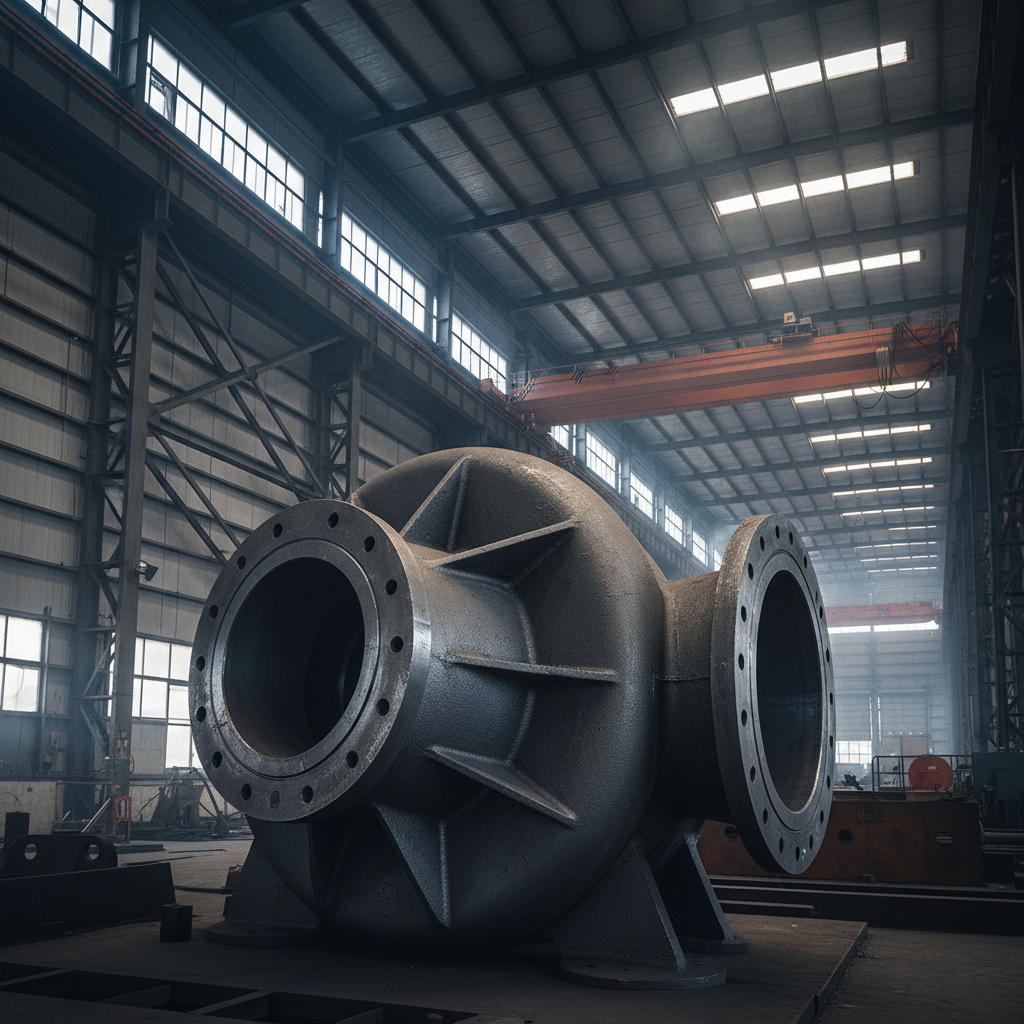
Pump casing type refers to the protective housing surrounding the impeller and other working parts of a pump. It’s a critical component influencing pump performance, efficiency, and longevity, impacting a vast range of industries globally. Understanding the nuances of different pump casing type designs—volute, diffuser, and others—is essential for selecting the optimal solution for specific applications, minimizing downtime, and maximizing return on investment.
The global demand for efficient and reliable pumping systems is steadily increasing, driven by factors like population growth, industrial expansion, and the need for sustainable water management. According to the World Bank, investment in water infrastructure alone requires hundreds of billions of dollars annually. Choosing the right pump casing type is pivotal in meeting these challenges. The choice directly affects energy consumption, maintenance costs, and overall system effectiveness, making it a key consideration for both developed and developing nations.
Ultimately, a thorough understanding of pump casing type isn’t merely a technical detail; it’s a foundational element for optimizing fluid handling processes across diverse sectors, from agriculture and municipal water supply to oil and gas and power generation.
The Role of Pump Casing Type in Global Fluid Handling
Globally, efficient fluid handling is integral to numerous critical sectors, and the pump casing type forms the core of these systems. From transporting water to remote communities to powering industrial processes, the pump casing dictates the ability to move fluids effectively and reliably. The selection of appropriate pump casing type directly impacts operational costs, energy efficiency, and environmental sustainability, areas increasingly scrutinized on a global scale.
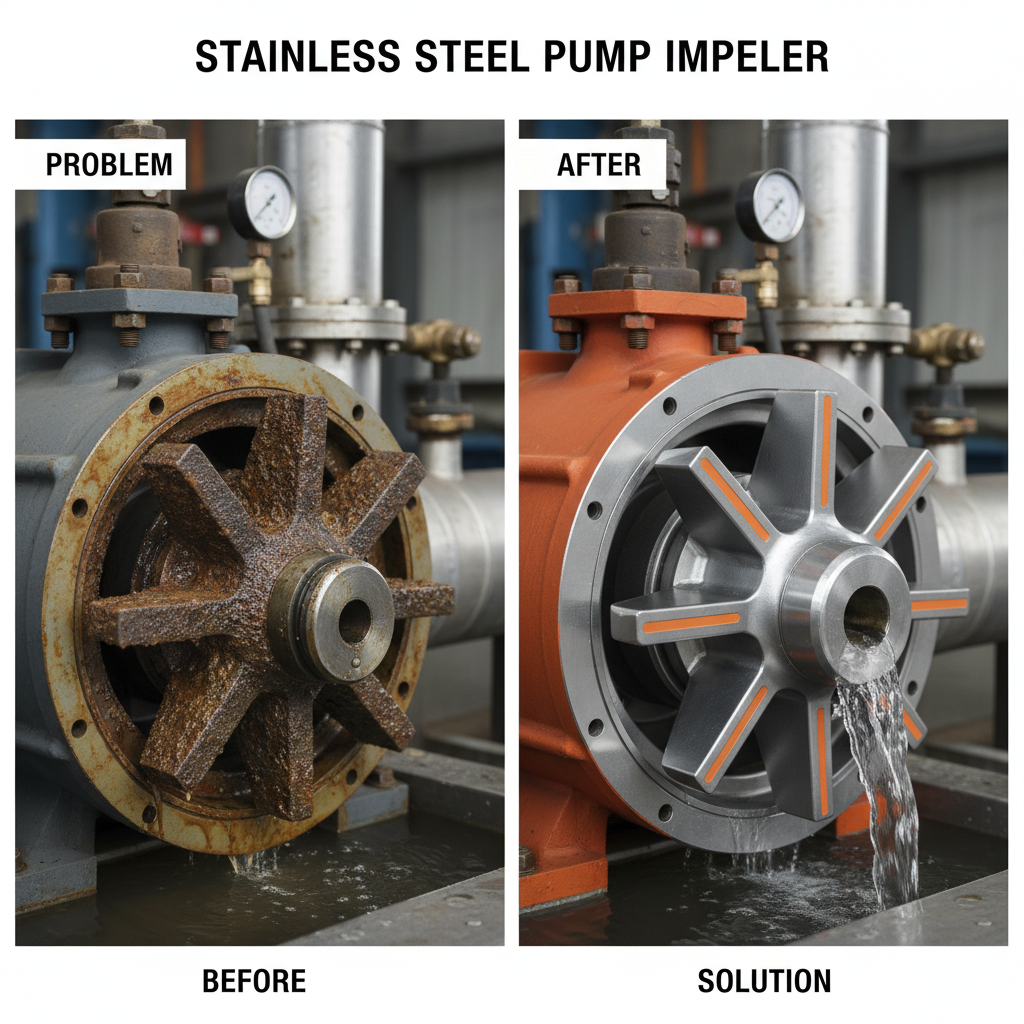
The materials and construction of pump casings are evolving to address demands for increased durability, corrosion resistance, and compatibility with diverse fluids. Modern designs increasingly incorporate advanced materials like stainless steel, polymers, and composites, extending service life and reducing maintenance requirements. These advancements are crucial for ensuring long-term operational viability and minimizing environmental impact.
Defining Pump Casing Type and Its Relevance
A pump casing type is the housing that surrounds the pump’s impeller and other rotating components. Its primary functions are to contain the pumped fluid, direct it to the impeller, collect the fluid discharged from the impeller, and convert kinetic energy into pressure energy. Different pump casing type designs—volute, diffuser, and others—are optimized for varying flow rates, pressures, and fluid characteristics.
In modern industry, the correct pump casing type is paramount for optimizing system performance and reducing energy consumption. For example, in water treatment facilities, selecting a casing type that minimizes hydraulic losses directly contributes to lower energy bills and reduced environmental impact. Moreover, proper casing selection safeguards the pump from damage caused by abrasion, corrosion, or cavitation, ensuring operational reliability.
Beyond industry, the importance extends to humanitarian applications. Providing access to clean water in developing countries often relies on robust and efficient pumping systems. The durability and suitability of the pump casing are critical in these environments, where maintenance resources may be limited.
Core Aspects of Pump Casing Type Selection
Durability: The casing must withstand the pressures, temperatures, and corrosive properties of the pumped fluid. Material selection, such as cast iron, stainless steel, or specialized polymers, is critical to ensuring longevity and minimizing the risk of failure.
Hydraulic Efficiency: The internal design of the casing—whether volute, diffuser, or other type—significantly influences the pump’s efficiency. Minimizing hydraulic losses translates to lower energy consumption and reduced operating costs. Optimizing the casing’s flow path is crucial for maximizing performance.
Cost-Effectiveness: Balancing initial investment with long-term operating costs is essential. While more expensive materials may offer superior durability, the reduced maintenance and energy savings can often justify the higher upfront expense. A comprehensive life cycle cost analysis is recommended.
Applications Across Diverse Industries
The application of specific pump casing type varies greatly depending on the industry and application. In the oil and gas sector, robust casings designed to handle high pressures and corrosive fluids are essential for extracting and transporting hydrocarbons. In the water and wastewater treatment industry, casings must be compatible with a wide range of water chemistries and capable of handling solids.
In agricultural irrigation, centrifugal pumps with volute casings are widely used to efficiently deliver water to crops. In the power generation industry, large-scale pumps with diffuser casings are employed in cooling water systems. Even in remote industrial zones, choosing the correct casing is critical to ensure reliable operations without immediate access to extensive maintenance facilities.
Pump Casing Type Performance Comparison
Advantages and Long-Term Value Proposition
Selecting the optimal pump casing type delivers tangible benefits that extend beyond initial cost savings. Reduced energy consumption translates to lower operating expenses and a smaller carbon footprint. Increased reliability minimizes downtime and associated productivity losses, enhancing overall operational efficiency.
From a sustainability perspective, durable casings that require less frequent replacement contribute to reduced waste and resource consumption. The improved safety and reliability of pumping systems also offer peace of mind, fostering trust and confidence in critical infrastructure.
Future Trends and Innovations in Pump Casing Design
The future of pump casing design is intertwined with broader trends in sustainability, digital transformation, and automation. The development of new materials – such as advanced polymers and composites – promises increased durability, corrosion resistance, and lighter weights. These materials will enable the creation of more efficient and longer-lasting pump casings.
Digital twins and predictive maintenance techniques, enabled by sensors embedded within the casing, will allow for real-time monitoring of pump performance and early detection of potential failures. Additive manufacturing (3D printing) offers the potential to create customized casings tailored to specific applications, optimizing hydraulic efficiency and reducing material waste.
Furthermore, integrating pumps with renewable energy sources—such as solar or wind power—will further enhance their sustainability and reduce reliance on fossil fuels.
Challenges and Solutions in Implementing Optimal Pump Casing Type
One common challenge is accurately assessing the specific fluid characteristics and operating conditions to select the most appropriate casing type. Improper selection can lead to premature failure, reduced efficiency, and increased maintenance costs. Utilizing advanced computational fluid dynamics (CFD) simulations can help engineers optimize casing designs for specific applications.
Another challenge is the cost of implementing advanced materials and technologies. However, the long-term benefits – reduced energy consumption, lower maintenance costs, and extended service life – often outweigh the initial investment. Exploring government incentives and funding opportunities can help offset these costs.
Finally, ensuring proper installation and maintenance is critical for maximizing the performance and longevity of the pump casing. Training personnel and establishing robust maintenance schedules are essential for preventing failures and ensuring reliable operation.
Summary of Pump Casing Type Selection Factors
| Fluid Compatibility |
Pressure Requirements |
Flow Rate & Efficiency |
Material Durability |
| Chemical resistance and potential for corrosion |
Maximum operating pressure and pressure fluctuations |
Required flow rate and hydraulic efficiency |
Resistance to abrasion, erosion, and fatigue |
| Compatibility with suspended solids |
Impact of pressure on casing stress |
Pump efficiency at various flow rates |
Impact of temperature on material properties |
| Considerations for abrasive fluids |
Static and dynamic pressure loads |
Head loss within the casing |
Long-term corrosion resistance |
| Influence of fluid viscosity |
Stress concentration points |
Cavitation risk assessment |
Resistance to chemical attack |
| Impact of fluid temperature |
Fatigue life and cyclic loading |
NPSH requirements |
Material cost and availability |
| Potential for scaling or fouling |
Sealing effectiveness under pressure |
Overall pump system efficiency |
Compliance with industry standards |
FAQS
Volute casings are simpler in design and suitable for high-flow, low-head applications. They feature a spiral-shaped casing that collects fluid discharged from the impeller. Diffuser casings, on the other hand, incorporate diffuser vanes to slow down the fluid and convert kinetic energy into pressure, making them ideal for high-head, low-flow applications. The choice depends on the specific system requirements and desired performance characteristics.
The material directly influences the casing’s resistance to corrosion, erosion, and fatigue. Cast iron is cost-effective but susceptible to corrosion. Stainless steel offers superior corrosion resistance but is more expensive. Polymers and composites provide excellent chemical resistance and lightweight properties but may have limitations in temperature and pressure applications. Selecting the appropriate material based on the pumped fluid and operating conditions is crucial for maximizing lifespan.
Cavitation occurs when vapor bubbles form in the fluid due to low pressure, and subsequently collapse, causing damage to the impeller and casing. Casing designs that minimize pressure drops and ensure adequate Net Positive Suction Head Available (NPSHA) can help prevent cavitation. Features like optimized impeller inlet geometry and diffuser vanes can reduce the risk of bubble formation.
The frequency of inspection depends on the operating conditions and the nature of the pumped fluid. As a general guideline, annual inspections are recommended for critical pumps. More frequent inspections – quarterly or even monthly – may be necessary for pumps handling abrasive or corrosive fluids. Inspections should focus on identifying signs of corrosion, erosion, cracks, and leaks.
Yes, several emerging materials are gaining traction. Ceramic-reinforced polymers offer high wear resistance and corrosion protection. Carbon fiber composites provide exceptional strength-to-weight ratios. Self-healing polymers, though still under development, hold promise for automatically repairing minor damage, extending casing lifespan.
The pump casing can significantly impact noise and vibration levels. A well-designed casing incorporates features to dampen vibrations and reduce hydrodynamic noise. Properly sized casings and optimized flow paths contribute to smoother fluid flow and minimize turbulence, reducing noise generation. The material of the casing also plays a role, with denser materials generally providing better sound dampening.
Conclusion
In conclusion, understanding pump casing type is crucial for ensuring efficient, reliable, and sustainable fluid handling across a multitude of industries. From selecting the appropriate material and design to implementing proper maintenance practices, the casing plays a vital role in optimizing pump performance, minimizing costs, and protecting the environment. A strategic approach to pump casing selection delivers significant long-term benefits.
Looking ahead, embracing advancements in materials, digital technologies, and sustainable design principles will be essential for addressing the evolving challenges of fluid handling. Investing in research and development, fostering collaboration between industry experts and academia, and prioritizing life cycle cost analysis will pave the way for a future of more efficient, durable, and environmentally responsible pumping systems. Visit our website at www.ydcastings.com to learn more about our range of pump casings and solutions.