The impeller propeller, a vital component in numerous industrial and mechanical systems, is fundamental to the efficient movement of fluids. Its application spans a vast range of sectors, from aerospace and automotive engineering to chemical processing and wastewater management. Understanding the principles governing impeller propeller design and function is crucial for optimizing performance, reducing energy consumption, and ensuring operational reliability. The efficiency of an impeller propeller directly translates to cost savings and reduced environmental impact, making it a topic of increasing global significance.
Globally, the demand for high-performance impeller propeller systems is driven by advancements in various industries. The International Organization for Standardization (ISO) continually sets benchmarks for impeller propeller quality and efficiency. The United Nations Sustainable Development Goals (SDGs), particularly those relating to clean water and sanitation (SDG 6) and affordable and clean energy (SDG 7), are directly impacted by improvements in impeller propeller technology, especially in water pumping and renewable energy generation. The market size for impeller propeller systems is estimated to be in the billions, and is projected to continue growing as demand increases for more sustainable and efficient fluid handling solutions.
A significant challenge facing many industries is the need for more energy-efficient fluid handling systems. Traditional designs often suffer from cavitation, erosion, and suboptimal hydraulic performance. The development of innovative impeller propeller geometries and materials addresses these challenges, leading to improved overall system efficiency and reduced maintenance costs. This is where understanding and utilizing advanced impeller propeller designs becomes critical for progress.
Introduction: Global or Industry Context
The impeller propeller serves as a critical component in a broad spectrum of industries, fundamentally impacting global efficiency in fluid transfer. Its significance extends from large-scale infrastructure projects – such as water treatment facilities and power plants – to smaller, more specialized applications in automotive cooling systems and even household appliances. Modern advancements continually push the boundaries of impeller propeller technology, driving innovation in related fields.
The demand for efficient impeller propeller systems is directly correlated with global population growth and increasing industrialization. As populations expand, the need for effective water management, energy production, and waste disposal solutions intensifies. Furthermore, a growing awareness of environmental sustainability drives the demand for impeller propeller designs that minimize energy consumption and reduce greenhouse gas emissions. This, in turn, fuels continuous research and development efforts focused on optimizing impeller propeller performance.
Definition & Meaning
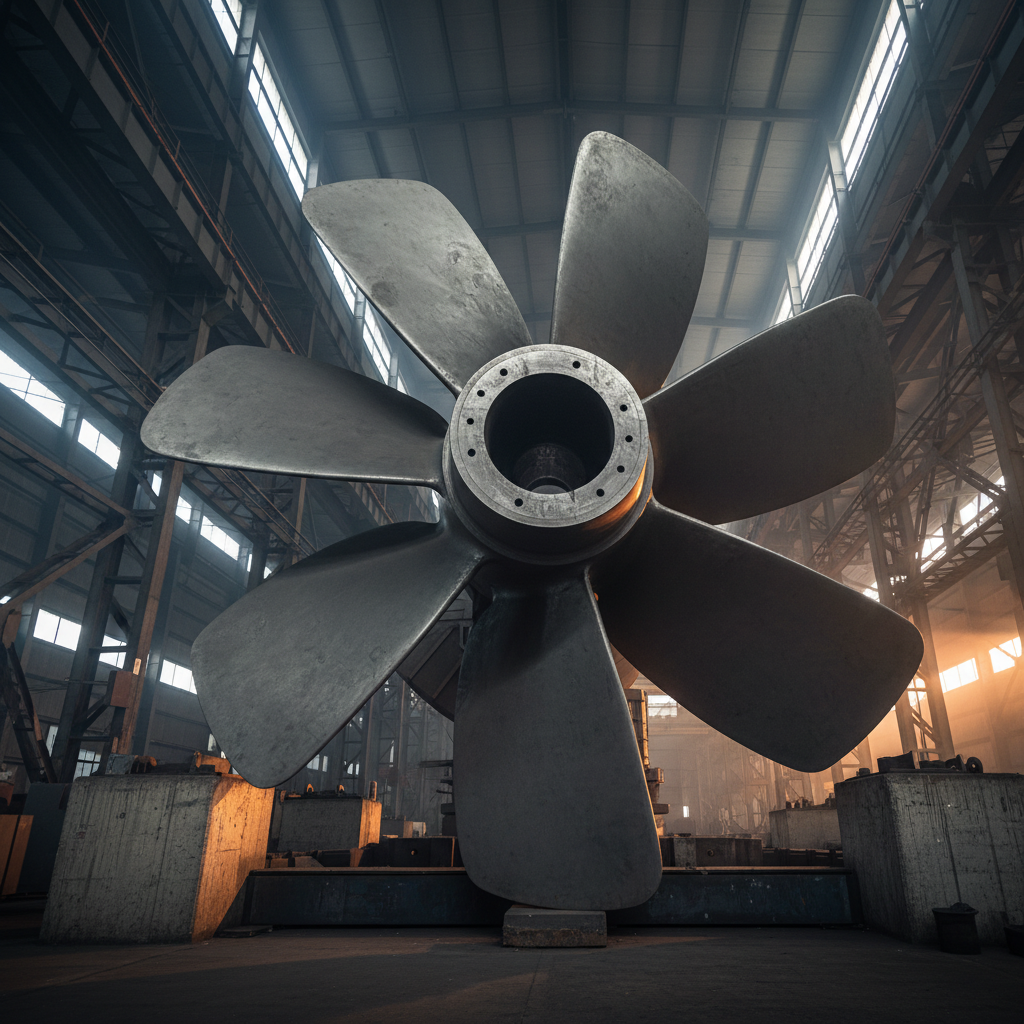
An impeller propeller is a rotating component designed to impart energy to a fluid, causing it to flow. Unlike traditional propellers that operate in open air or water, impeller propeller systems are typically enclosed within a housing, creating a contained pumping or mixing action. This fundamental difference allows for higher pressures and more controlled fluid dynamics. The impeller itself consists of a series of blades or vanes arranged around a central hub.
The connection to modern industry and humanitarian needs is profound. In industrial settings, impeller propeller systems are vital for processes like chemical mixing, slurry transport, and cooling. In humanitarian applications, they are essential for providing clean water through pumping systems and for efficient wastewater treatment, especially in disaster relief and developing regions. The very essence of the impeller propeller lies in its ability to efficiently harness mechanical energy and transfer it to a fluid, creating a tangible impact on daily life.
Essentially, an impeller propeller is a dynamic machine element that transforms rotational motion into fluid motion. This fluid motion is then utilized in a diverse range of applications, driving innovation and solving critical challenges across numerous sectors.
Key Factors or Core Components
Several key factors govern the performance of an impeller propeller. Durability is paramount, as impeller propeller systems often operate in harsh environments, exposed to corrosive fluids, abrasive particles, and high stresses. Selecting appropriate materials, such as stainless steel, specialized polymers, or advanced alloys, is critical for ensuring a long operational lifespan.
Hydraulic Efficiency dictates how effectively the impeller propeller converts mechanical energy into fluid flow. This is influenced by the impeller’s geometry – blade angle, blade shape, and number of blades – and requires careful optimization based on the specific application. Cavitation Resistance is crucial to prevent damage and maintain performance. Cavitation occurs when vapor bubbles form in low-pressure areas within the impeller, and their subsequent collapse can erode the impeller material. Material Selection is a core component, balancing cost, strength, and resistance to the operating fluid.
Sealing Effectiveness prevents leakage and maintains system pressure, which is particularly important in applications involving hazardous or valuable fluids. Effective sealing relies on properly designed seals and regular maintenance. Finally, Balance and Vibration Control ensures smooth operation and minimizes wear and tear on the impeller propeller and associated equipment. An imbalanced impeller can lead to excessive vibration, reducing efficiency and potentially causing catastrophic failure.
Global Applications & Use Cases
Impeller propeller systems find extensive application in the water and wastewater treatment industry. They are used to pump water through filtration systems, to mix chemicals for purification, and to aerate wastewater for biological treatment. In post-disaster relief operations, portable impeller propeller-based pumps provide access to clean drinking water in areas where infrastructure has been damaged or destroyed.
The oil and gas industry utilizes impeller propeller systems for pumping crude oil, transporting drilling mud, and managing process fluids. The chemical processing sector relies on impeller propeller systems for mixing reactants, transferring fluids between tanks, and maintaining precise temperature control. In remote industrial zones, such as mining operations in Australia or Canada, impeller propeller systems are vital for transporting materials and managing water resources.
Furthermore, the automotive industry utilizes impeller propellers in cooling systems to circulate coolant and regulate engine temperature. The aerospace industry uses specialized impeller propeller designs in auxiliary power units (APUs) and environmental control systems. These diverse applications showcase the versatility and indispensable role of the impeller propeller in modern society.
Impeller Propeller Performance Comparison by Method
Advantages & Long-Term Value
The advantages of utilizing advanced impeller propeller systems are substantial. Cost efficiency is achieved through reduced energy consumption and minimized downtime, directly impacting operational profitability. Sustainability is enhanced by optimizing fluid handling processes, reducing waste, and lowering carbon footprints. Reliability is increased through robust designs and durable materials, leading to longer operational lifespans and reduced maintenance requirements.
From a social impact perspective, efficient impeller propeller systems contribute to improved access to clean water, sanitation, and energy, particularly in underserved communities. Emotionally, knowing that a robust and reliable system is in place provides peace of mind and ensures operational continuity. Logically, the demonstrated performance and quantifiable benefits of advanced impeller propeller designs build trust and foster long-term partnerships.
Future Trends & Innovations
The future of impeller propeller technology is characterized by exciting innovations. The integration of artificial intelligence (AI) and machine learning (ML) algorithms is enabling the development of self-optimizing impeller propeller systems that adapt to changing operating conditions and maximize efficiency. The exploration of new materials, such as advanced composites and ceramics, is leading to impeller propeller designs with increased strength, reduced weight, and improved corrosion resistance.
Furthermore, advancements in additive manufacturing (3D printing) are revolutionizing impeller propeller production, allowing for the creation of complex geometries and customized designs tailored to specific applications. The increasing focus on green energy and sustainability is driving the development of impeller propeller systems for renewable energy applications, such as wave energy converters and tidal turbines.
Challenges & Solutions
Despite the advancements, challenges remain in the field of impeller propeller technology. Cavitation continues to be a significant issue, particularly in high-speed applications. Erosion and wear can also limit the lifespan of impeller propeller components, especially when handling abrasive fluids. Designing for specific fluid characteristics—viscosity, density, and solids content—presents a complex engineering challenge.
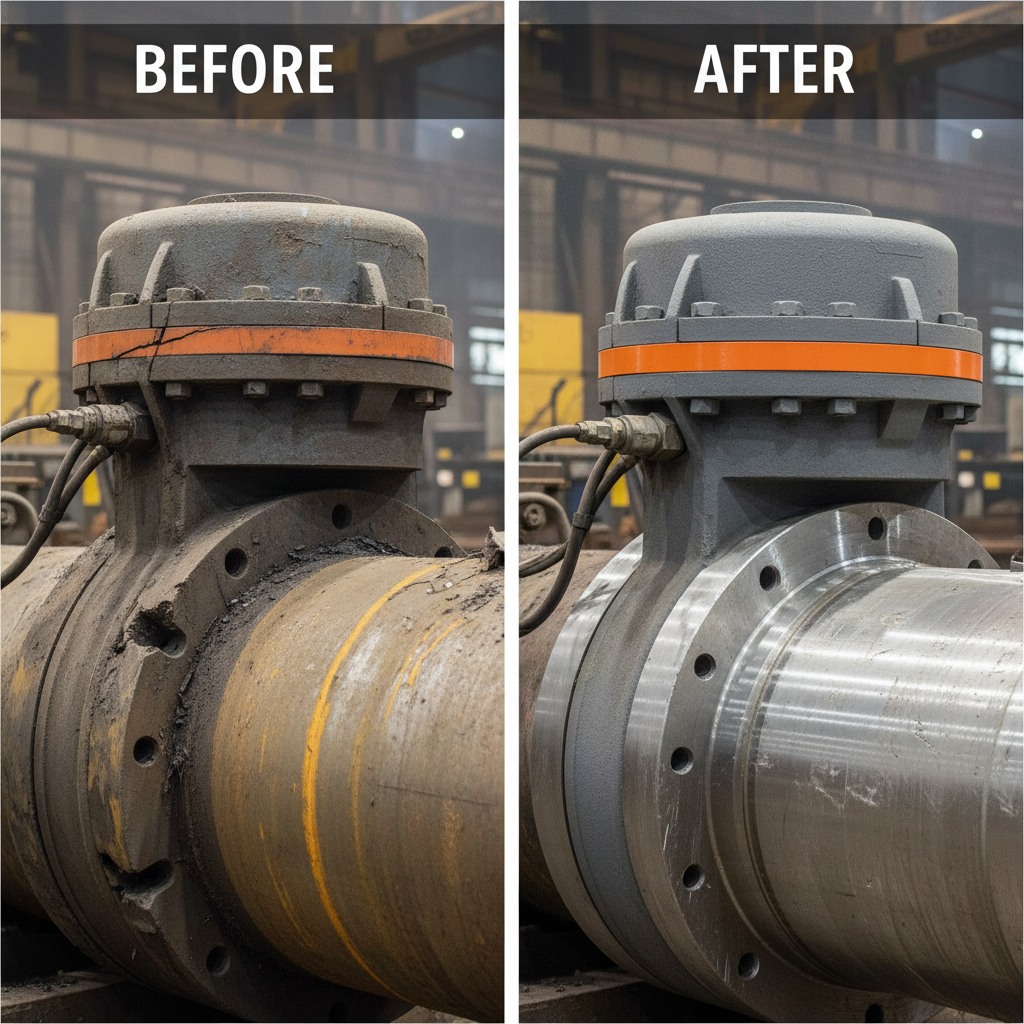
Innovative solutions are being developed to address these challenges. Advanced impeller propeller geometries, such as inducer designs and optimized blade profiles, can mitigate cavitation. Coatings and surface treatments can enhance erosion resistance. Computational fluid dynamics (CFD) modeling is increasingly used to optimize impeller propeller designs for specific fluid properties.
Furthermore, the development of smart sensors and predictive maintenance algorithms enables early detection of wear and tear, allowing for proactive maintenance and preventing catastrophic failures. By tackling these challenges head-on, we can unlock the full potential of impeller propeller technology and drive further innovation.
Key Comparison of Impeller Propeller Characteristics
| Impeller Propeller Type |
Operational Efficiency (1-10) |
Maintenance Frequency (Months) |
Typical Application |
| Centrifugal Impeller Propeller |
8 |
12 |
Water Pumping |
| Axial Flow Impeller Propeller |
7 |
9 |
HVAC Systems |
| Mixed Flow Impeller Propeller |
9 |
18 |
Wastewater Treatment |
| Regenerative Turbine Impeller Propeller |
6 |
6 |
Low-Flow Applications |
| Vortex Impeller Propeller |
5 |
15 |
Solids-Laden Fluids |
| Jet Impeller Propeller |
7 |
10 |
Ejector Systems |
FAQS
High-performance impeller propellers are commonly constructed from materials like stainless steel (304, 316) for excellent corrosion resistance, specialized polymers like PEEK for lightweight and chemical compatibility, and advanced alloys like Hastelloy for extreme environments. Material selection is critical, depending on the fluid being handled, temperature, pressure, and abrasive content. Coatings like tungsten carbide are often used to enhance wear resistance.
Impeller propeller design is paramount to energy efficiency. Factors like blade angle, blade shape, impeller diameter, and housing geometry all influence how efficiently energy is transferred to the fluid. Optimized designs minimize hydraulic losses, reduce turbulence, and prevent cavitation. Computational Fluid Dynamics (CFD) modeling is widely used to simulate fluid flow and refine impeller propeller designs for maximum efficiency.
Cavitation occurs when the pressure within the impeller drops below the vapor pressure of the fluid, causing bubbles to form. These bubbles then collapse, creating shockwaves that erode the impeller material. Prevention involves increasing suction pressure, reducing impeller speed, optimizing impeller design to minimize low-pressure zones, and selecting materials with high cavitation resistance.
Regular maintenance is essential. This includes visual inspections for wear and corrosion, balancing the impeller to minimize vibration, lubricating bearings, and monitoring fluid conditions. Periodic cleaning to remove debris and scale buildup is also important. Implementing a predictive maintenance program using sensors and data analysis can help identify potential problems before they lead to failures.
Handling abrasive fluids requires wear-resistant materials like hardened alloys or ceramic coatings. Impeller designs are often modified to increase clearances and reduce the risk of clogging. For viscous fluids, impeller propeller geometries are optimized to generate higher shear forces and promote mixing. Larger impeller diameters and slower speeds may also be employed.
CFD is an invaluable tool in impeller propeller development. It allows engineers to simulate fluid flow, predict performance characteristics, and identify potential problems like cavitation and turbulence before building physical prototypes. This significantly reduces development time and cost, and enables the optimization of impeller propeller designs for specific applications. It helps visualize fluid behavior and refine geometry for peak efficiency.
Conclusion
In conclusion, the impeller propeller stands as a cornerstone of modern fluid handling technology. From optimizing industrial processes and ensuring access to clean water, to driving innovation in renewable energy, its influence is pervasive. Understanding the core principles, key components, and emerging trends surrounding impeller propeller design is crucial for addressing global challenges and achieving sustainable solutions. By continually investing in research, development, and advanced manufacturing techniques, we can unlock the full potential of this essential technology.
Looking ahead, the integration of AI, ML, and advanced materials promises to revolutionize the field of impeller propeller technology. Embracing these innovations will not only enhance efficiency and reliability but also pave the way for new applications and a more sustainable future. For more information and to explore our range of impeller propeller solutions, visit our website: ydcastings.com.