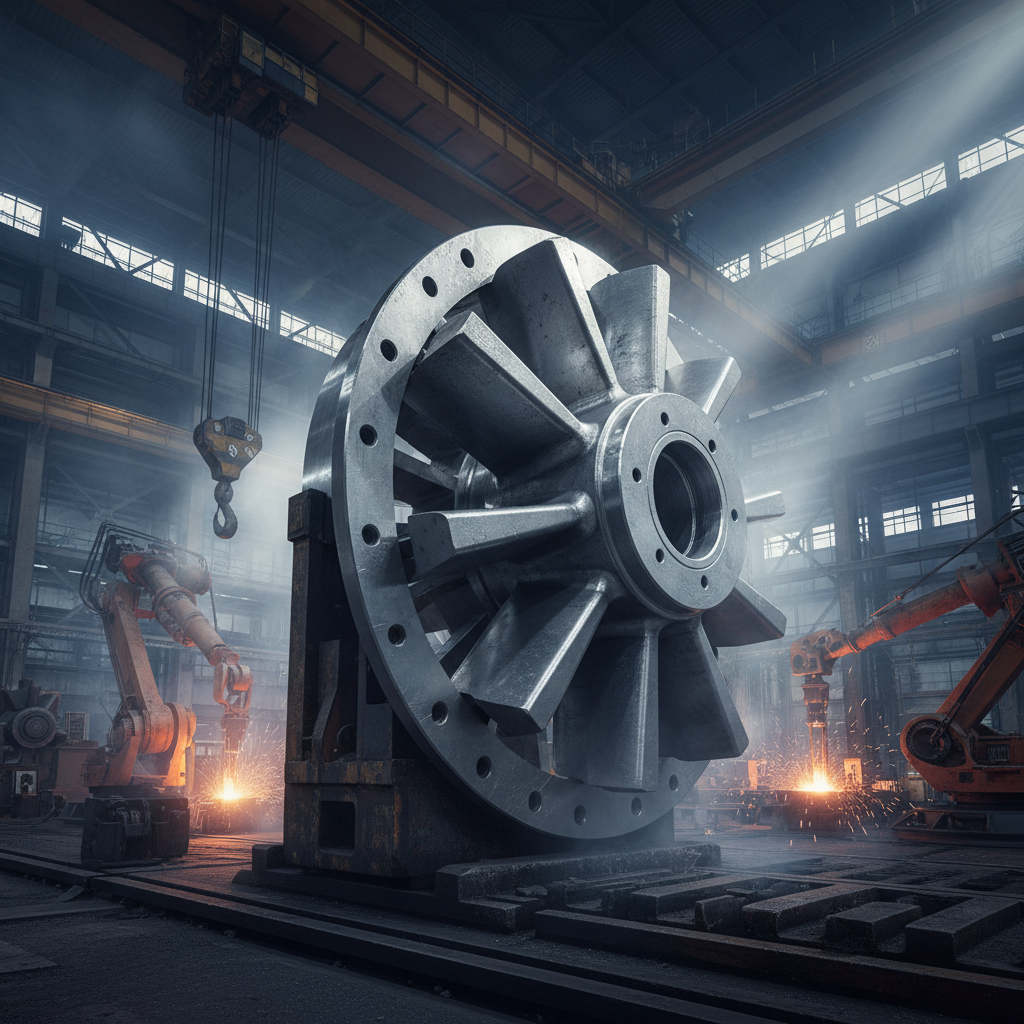
The impeller of a submersible pump is a critical component in numerous industries and applications worldwide. These specialized pumps are designed to operate while fully submerged in the fluid they are pumping, making them ideal for challenging environments and a wide range of tasks from wastewater management to oil extraction. Understanding the design, functionality, and maintenance of the impeller of a submersible pump is crucial for ensuring efficient operation and prolonging the lifespan of these vital pieces of equipment.
The global demand for efficient water management and resource extraction continues to drive innovation and growth in the submersible pump market. According to the UN, billions lack access to safe water, and effective pumping solutions are central to addressing this crisis. Furthermore, increased industrialization, particularly in emerging economies, necessitates reliable pumping systems for various processes. The impeller, being the heart of the pump, directly impacts performance, energy consumption, and overall cost-effectiveness.
The significance of a robust and well-maintained impeller of a submersible pump extends beyond mere operational efficiency. It’s a key factor in minimizing downtime, reducing maintenance costs, and ensuring environmental compliance. Furthermore, advancements in impeller design are contributing to the development of more energy-efficient and environmentally friendly pumping solutions, aligning with global sustainability goals.
Introduction to the Impeller of Submersible Pump
The impeller is the rotating component within a submersible pump that converts rotational energy into fluid pressure. It’s responsible for accelerating the fluid, thereby increasing its kinetic energy, which is then converted into potential energy (pressure) as the fluid exits the pump. The efficiency and design of the impeller directly impact the overall performance of the submersible pump.
Different impeller designs cater to specific applications. For instance, centrifugal impellers are common in applications requiring high flow rates, while positive displacement impellers are suitable for viscous fluids or applications demanding precise metering. Understanding the various impeller types and their operational characteristics is vital for selecting the right pump for a given task.
Defining the Impeller of Submersible Pump
At its core, the impeller of a submersible pump is a rotating set of vanes designed to impart energy to a fluid. Unlike external pumps, the impeller within a submersible pump is hermetically sealed within the pump housing, preventing leaks and allowing the pump to operate fully immersed. This makes it ideally suited for applications where accessibility is limited or the fluid being pumped is corrosive or hazardous.
The design of the impeller varies depending on the pump's intended application. Key parameters include the number of vanes, vane angle, impeller diameter, and the overall shape of the impeller. These parameters influence the pump’s flow rate, head (pressure), and efficiency. Modern impellers often incorporate complex geometries optimized through computational fluid dynamics (CFD) to maximize performance.
The importance of the impeller extends beyond industrial applications; it’s integral to essential services like groundwater extraction for drinking water, sewage removal, and dewatering construction sites. Without a properly functioning impeller of a submersible pump, these crucial processes would be significantly hampered.
Core Components and Design Factors
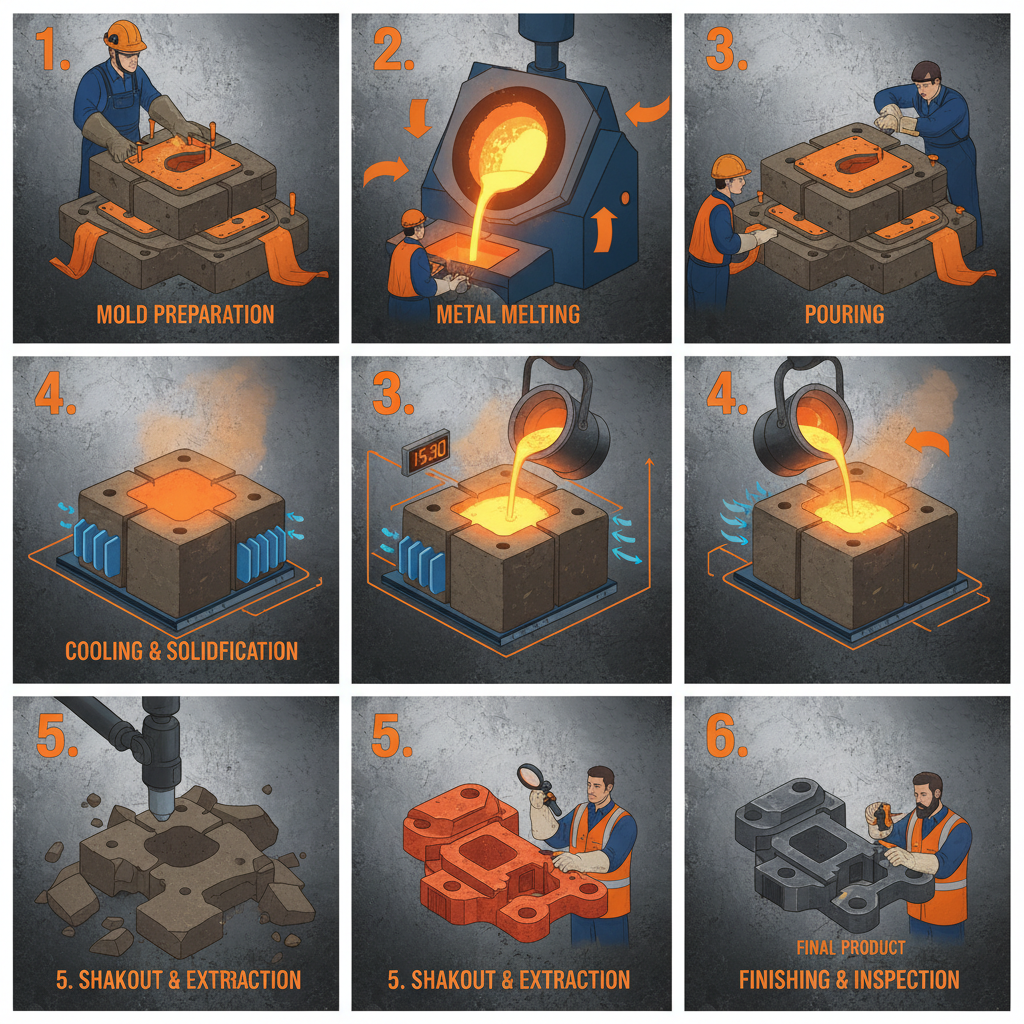
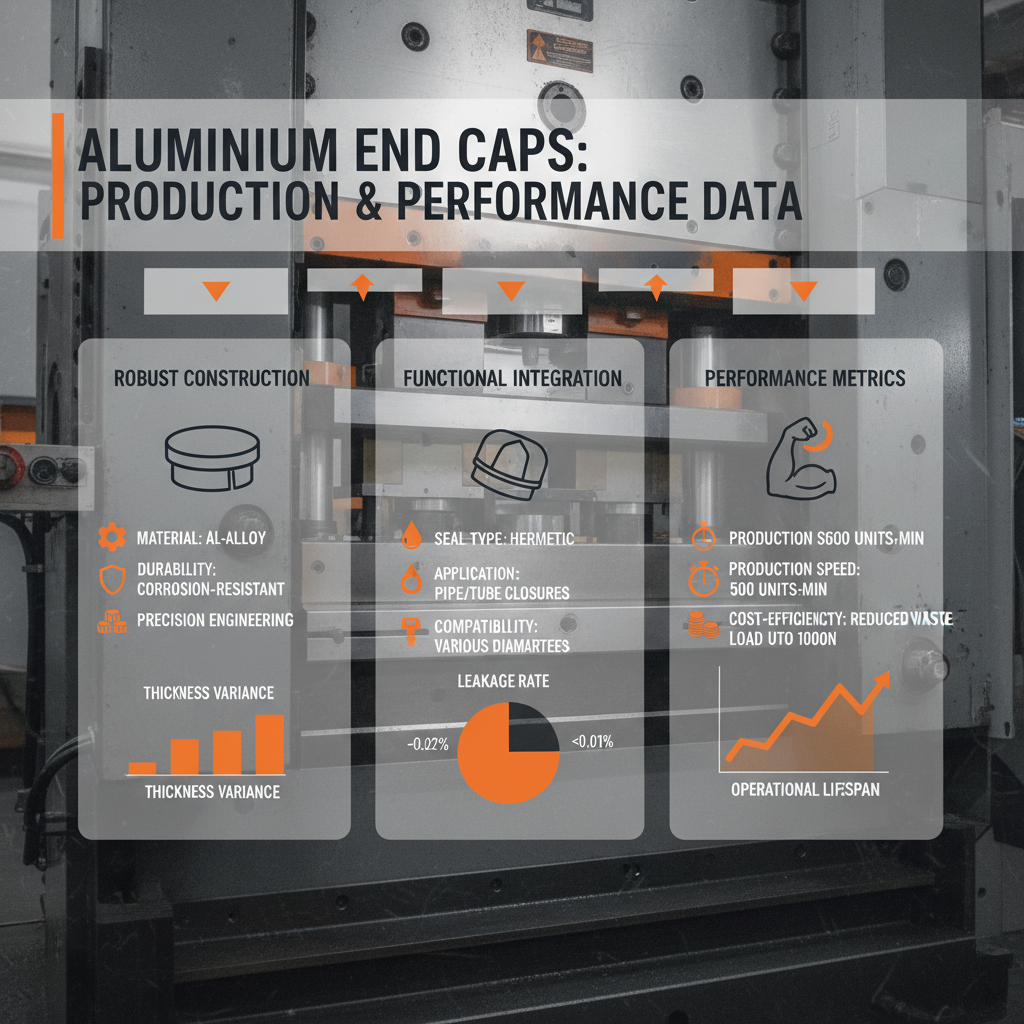
Several key factors dictate the performance and longevity of an impeller of a submersible pump. These include the material used in its construction, the precision of its manufacturing, the hydrodynamic design of the vanes, and the balancing of the impeller to minimize vibration. The selection of materials must consider the fluid being pumped, potential abrasion, and the operating temperature.
Hydrodynamic design is critical for minimizing energy losses and maximizing efficiency. Vane angles and shapes are carefully optimized to ensure smooth fluid flow and prevent cavitation – the formation of vapor bubbles that can damage the impeller. Balancing ensures that the impeller rotates smoothly, reducing stress on bearings and extending the pump’s lifespan.
The impeller’s design is often tailored to the specific application. For example, impellers used in abrasive fluids may feature hardened materials and wear-resistant coatings. Similarly, impellers designed for high-head applications will have different vane geometries compared to those optimized for high-flow applications.
Durability and Material Science
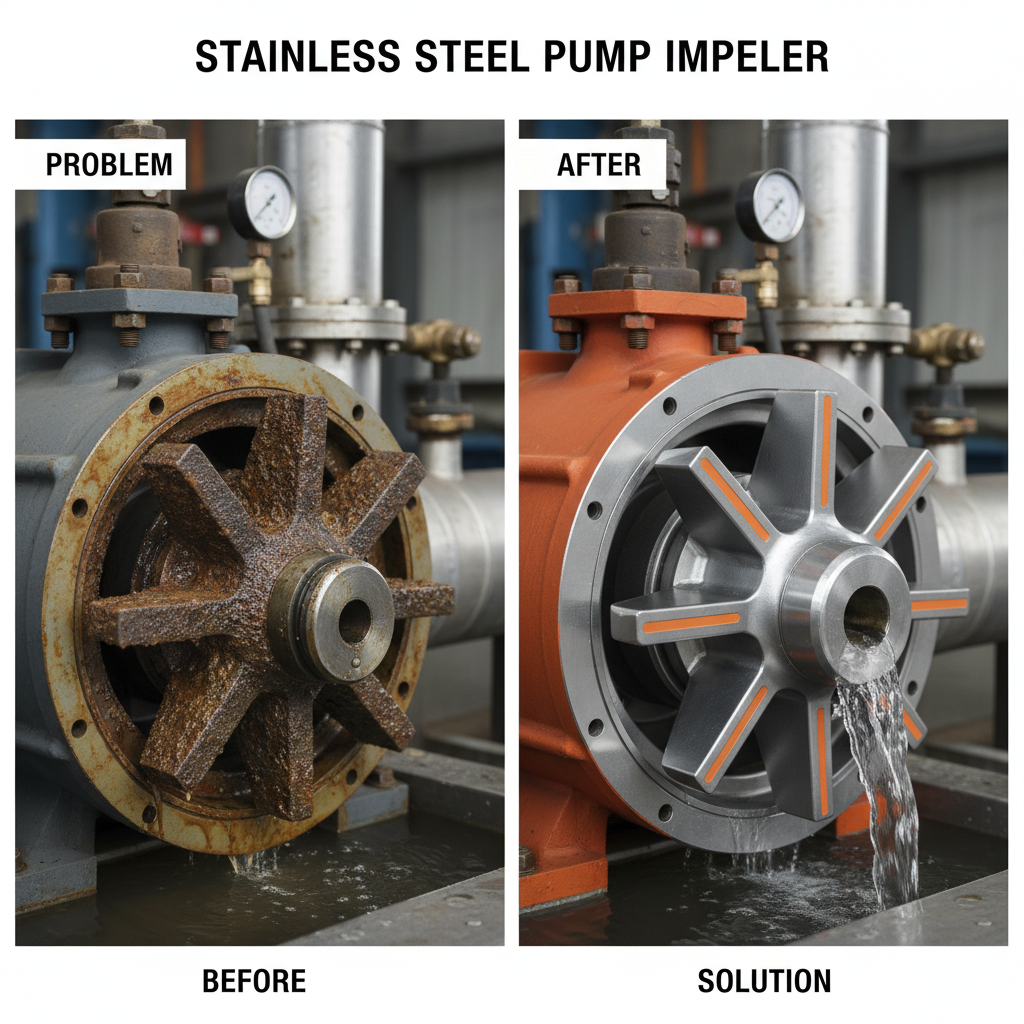
The durability of an impeller of a submersible pump is paramount, especially in demanding applications. Materials commonly used in impeller construction include cast iron, stainless steel (various grades), bronze, and engineered polymers. The choice of material depends on factors like corrosion resistance, abrasion resistance, and mechanical strength. Stainless steel is often preferred for its excellent corrosion resistance, while bronze offers good wear resistance.
Advancements in material science are continually improving impeller durability. For example, the use of duplex stainless steels provides enhanced corrosion resistance in harsh environments. Similarly, the application of surface coatings, such as tungsten carbide or ceramic materials, can significantly increase abrasion resistance in pumps handling abrasive slurries.
Impeller Material Performance Comparison
Global Applications and Use Cases
The applications of submersible pumps – and, crucially, their impellers – are incredibly diverse. In municipal wastewater treatment plants, they are used to lift and transport sewage. In agriculture, they provide irrigation water for crops. In the mining industry, they dewater mines and extract slurry. These are just a few examples.
In post-disaster relief operations, submersible pumps are essential for quickly removing floodwater and providing access to clean water. Their portability and ability to operate in challenging conditions make them invaluable in emergency situations. Remote industrial zones, particularly in oil and gas extraction, rely heavily on submersible pumps for various processes, often operating in harsh and inaccessible environments.
Globally, regions facing water scarcity, such as parts of Africa and the Middle East, utilize submersible pumps for groundwater extraction and desalination. The efficiency of the impeller of a submersible pump is paramount in these applications, as energy costs can be significant.
Advantages and Long-Term Value
Investing in high-quality impellers of submersible pumps translates to significant long-term benefits. Reduced maintenance frequency, extended pump lifespan, and improved energy efficiency all contribute to lower operating costs. A well-designed and manufactured impeller minimizes the risk of catastrophic failure, preventing costly downtime and repairs.
Sustainability is another key advantage. More efficient impellers require less energy to operate, reducing carbon emissions and minimizing the environmental impact of pumping operations. Furthermore, the durability of modern impellers reduces the need for frequent replacements, contributing to resource conservation.
Future Trends and Innovations
The future of impeller technology for submersible pumps is focused on increased efficiency, improved durability, and reduced environmental impact. Research and development efforts are concentrated on utilizing advanced materials, such as ceramic composites and engineered polymers, to create impellers that can withstand even more extreme conditions.
Digitalization plays a crucial role. Smart impellers equipped with sensors can monitor performance, detect wear, and predict potential failures, enabling proactive maintenance and preventing costly downtime. Furthermore, advancements in 3D printing allow for the creation of customized impeller designs optimized for specific applications.
Summary of Impeller of Submersible Pump Performance Characteristics
| Impeller Material |
Corrosion Resistance (1-10) |
Abrasion Resistance (1-10) |
Cost (Relative) |
| Cast Iron |
4 |
6 |
Low |
| Stainless Steel 304 |
8 |
7 |
Medium |
| Stainless Steel 316 |
9 |
7 |
Medium-High |
| Duplex Stainless Steel |
10 |
8 |
High |
| Bronze |
7 |
8 |
Medium |
| Engineered Polymer |
6 |
5 |
Low-Medium |
FAQS
The impeller’s primary function is to convert rotational energy into kinetic energy by accelerating the fluid. It's the central component responsible for generating the pressure needed to move fluids from one location to another. The efficiency of the impeller directly impacts the overall performance and energy consumption of the submersible pump. A properly designed impeller ensures optimal flow rates and minimal energy loss.
The inspection frequency depends on the application and the fluid being pumped. For clean water applications, annual inspection is generally sufficient. However, if the pump handles abrasive fluids or operates in harsh environments, inspections should be conducted every 6 months or even quarterly. Look for signs of erosion, corrosion, cavitation damage, or imbalance.
In corrosive environments, materials like stainless steel (specifically 316 and duplex grades), bronze, and specialized polymer alloys are preferred. Duplex stainless steels offer excellent resistance to pitting and crevice corrosion, making them ideal for seawater or highly acidic applications. The specific material choice depends on the type and concentration of the corrosive agent.
Cavitation is caused by a drop in pressure, leading to the formation of vapor bubbles. To prevent it, ensure adequate submergence of the pump, avoid operating the pump at excessive speeds, and maintain proper inlet pressure. Choosing an impeller designed for the specific application and fluid properties can also minimize the risk of cavitation.
Impeller balancing is crucial for minimizing vibration and extending the pump's lifespan. An unbalanced impeller creates excessive stress on bearings and seals, leading to premature failure. Proper balancing ensures smooth rotation, reduces noise, and improves overall pump efficiency. Dynamic balancing is the preferred method for achieving optimal results.
Closed impellers are generally more efficient and can handle higher pressures, making them suitable for clean fluids. Open impellers are less prone to clogging and are better for handling fluids containing solids. The choice depends on the specific application and the characteristics of the fluid being pumped. Semi-open impellers offer a compromise between efficiency and solids handling capabilities.
Conclusion
The impeller of a submersible pump is a vital component, central to the effective operation of countless systems across a diverse range of industries. From ensuring access to clean water and managing wastewater to supporting industrial processes and responding to emergencies, the efficiency and durability of the impeller directly influence performance, sustainability, and cost-effectiveness. Understanding the intricacies of impeller design, material science, and maintenance is paramount for maximizing the lifespan and reliability of these critical pumps.
Looking ahead, continued innovation in materials, design optimization through computational fluid dynamics, and the integration of smart sensor technologies promise to further enhance the performance and efficiency of impeller technology. By embracing these advancements, we can unlock new possibilities for water management, resource extraction, and environmental sustainability, ensuring a more resilient and sustainable future. Visit our website at ydcastings.com to explore our range of submersible pump impellers and solutions.