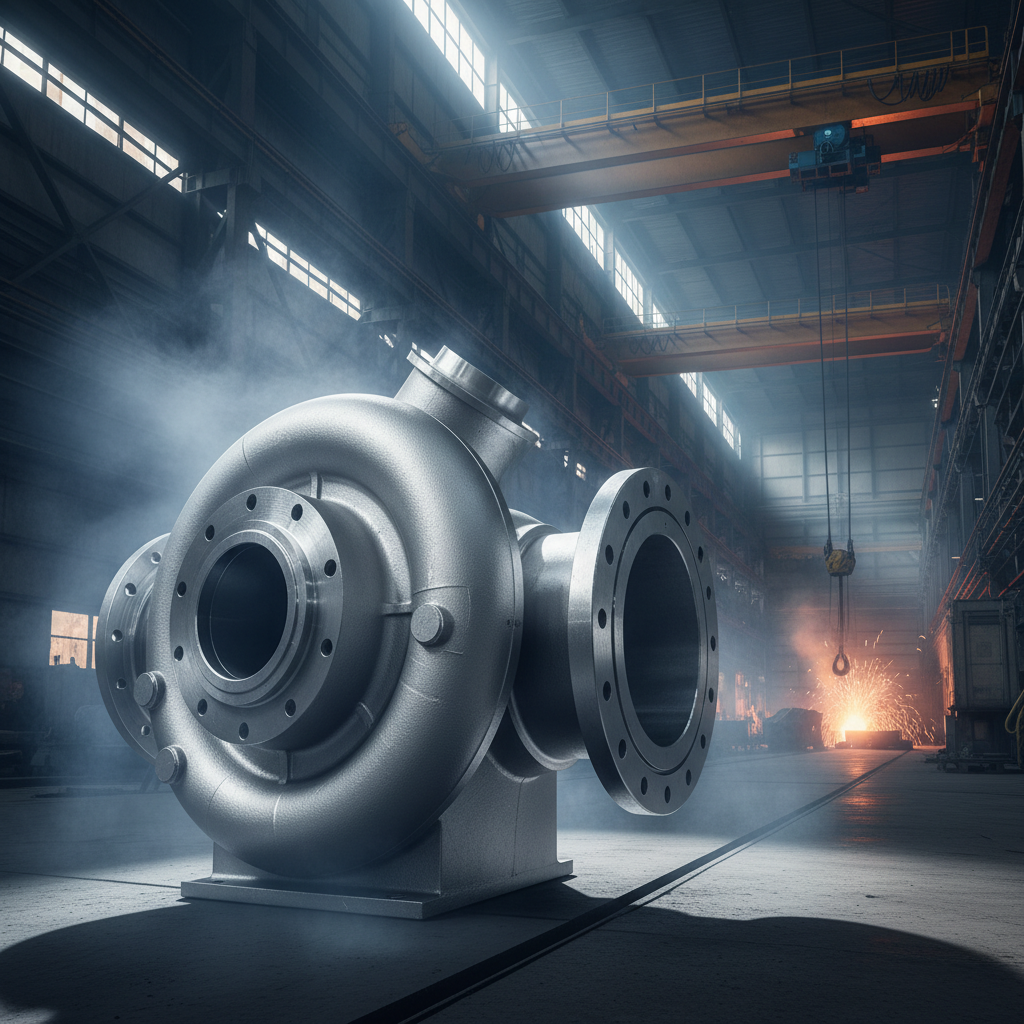
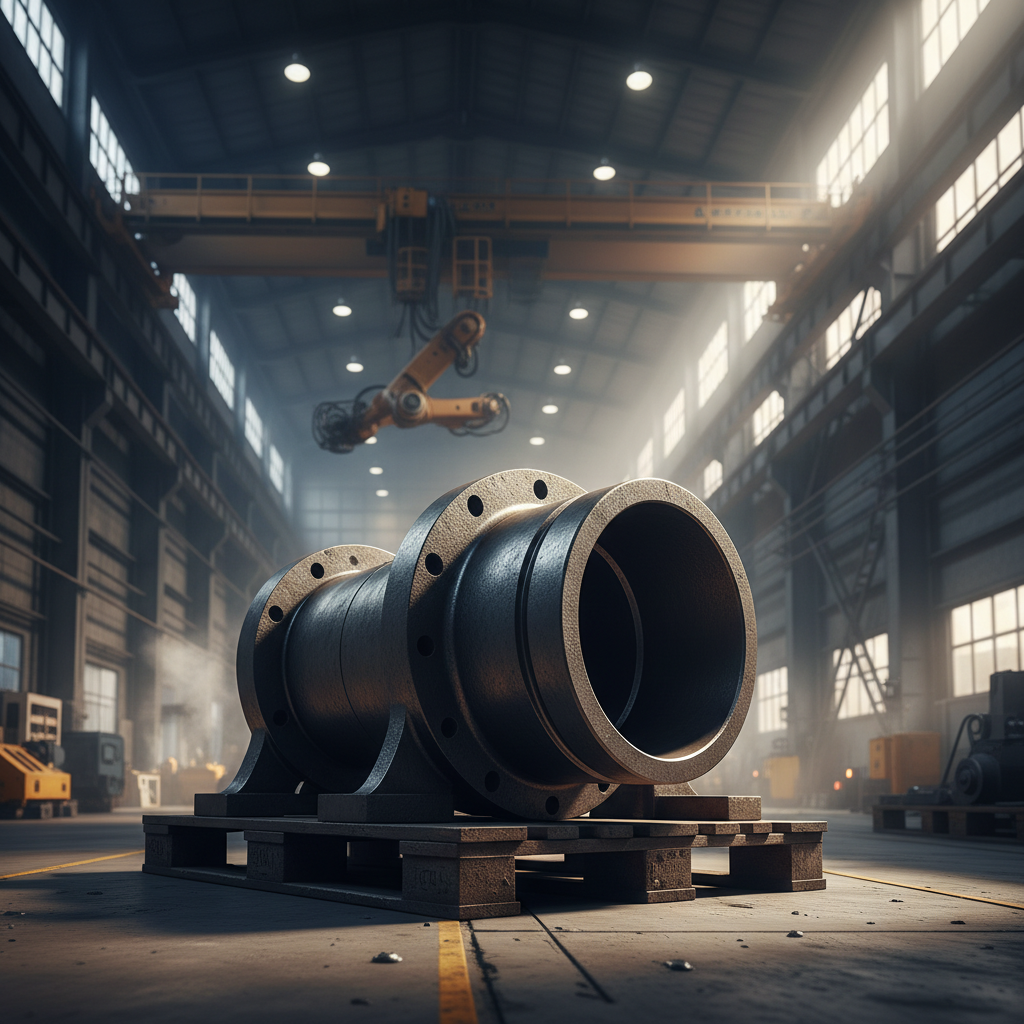
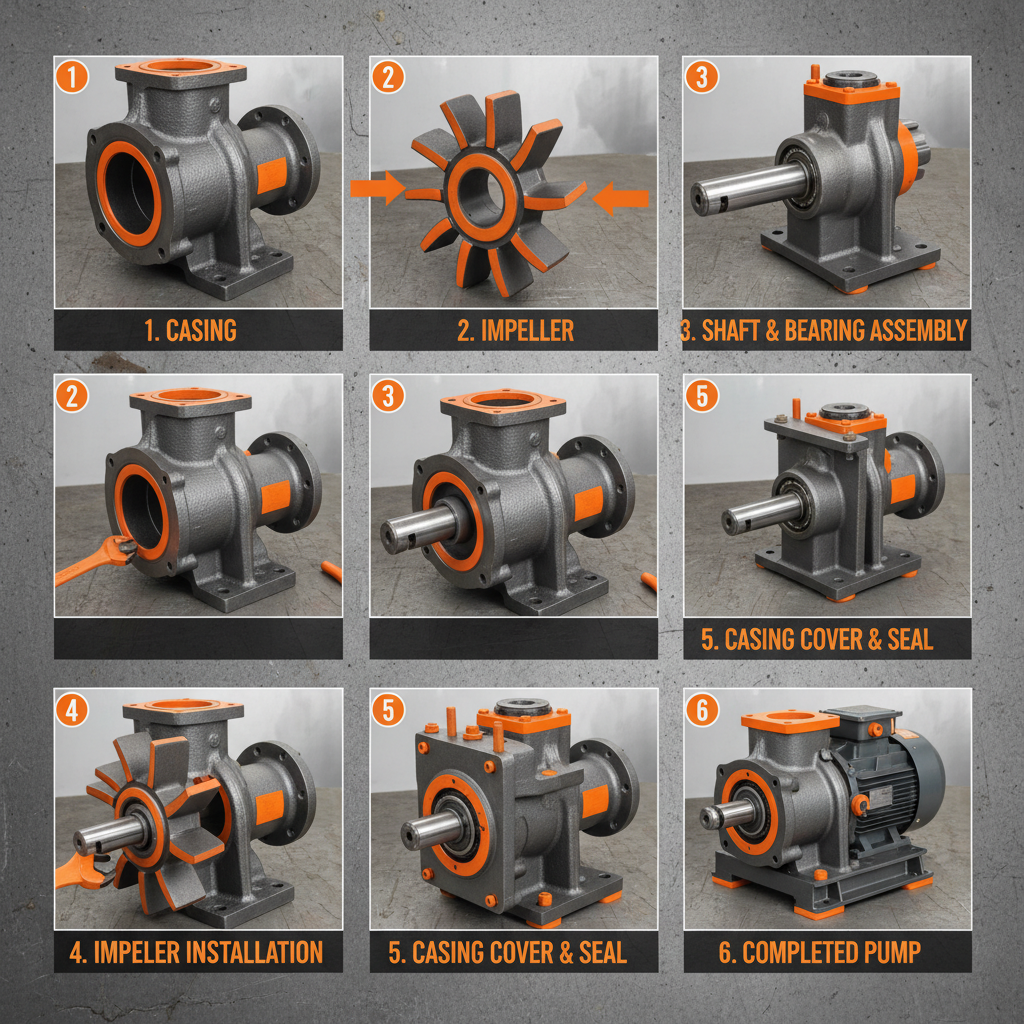
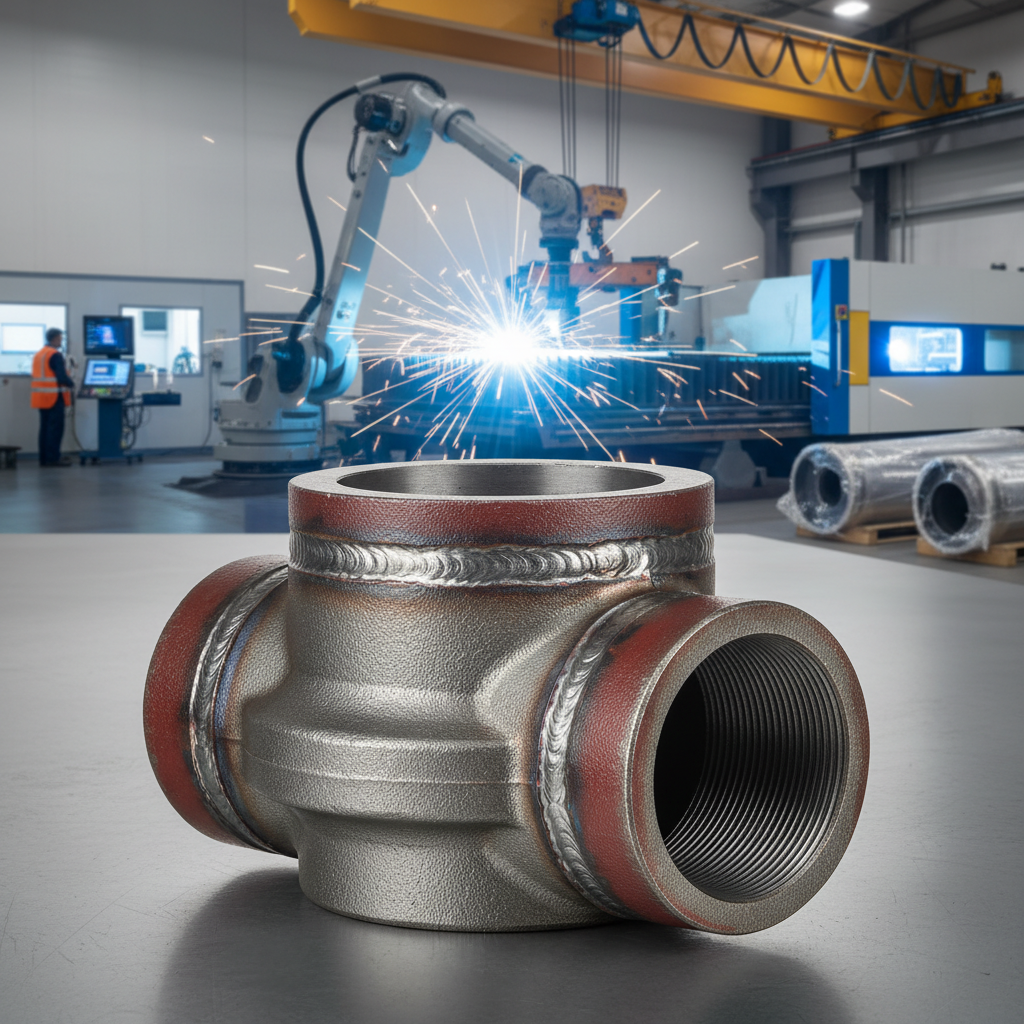
The world faces increasing challenges in providing safe, affordable, and rapidly deployable housing. From disaster relief to addressing growing urbanization and housing shortages, innovative solutions are urgently needed. housing turbo represents a paradigm shift, offering a range of pre-fabricated, modular structures designed for quick assembly and long-term durability. This approach is fundamentally changing how we think about constructing shelters and homes, offering unprecedented speed and flexibility.
The growing global population and the increasing frequency of natural disasters create a constant demand for housing solutions that can be deployed quickly and efficiently. Traditional construction methods often prove too slow and costly to meet these needs effectively. housing turbo addresses this critical gap by providing a scalable and sustainable alternative. It allows for faster response times in emergencies and helps alleviate housing crises in underserved communities.
Understanding the principles and applications of housing turbo is becoming increasingly vital for governments, NGOs, and the construction industry alike. Its benefits extend beyond mere shelter, impacting economic development, community resilience, and the overall quality of life for individuals and families. The flexibility inherent in the designs permits adaptation to diverse climates and terrains.
The Core Principles of housing turbo
At its heart, housing turbo emphasizes speed and efficiency in construction. This is achieved through the use of pre-fabricated components and modular designs. These components are manufactured in controlled environments, ensuring consistent quality and reducing on-site construction time significantly. The core principle is to minimize waste and maximize the use of sustainable materials, driving down costs and environmental impact.
Another essential principle is adaptability. housing turbo solutions are designed to be flexible and customizable, catering to a variety of needs and environments. This includes scalability, allowing for structures to be easily expanded or modified, and adaptability to different climates and terrains. It's about providing a tailored solution, rather than a one-size-fits-all approach.
Global Relevance and Industry Impact
The demand for rapid and affordable housing is a global phenomenon. The United Nations estimates that over a billion people worldwide lack adequate housing. This situation is exacerbated by factors like rapid urbanization, climate change-induced displacement, and the increasing frequency of natural disasters. housing turbo directly addresses these challenges by offering a viable solution for quickly deploying safe and dignified shelter.
Within the construction industry, housing turbo is disrupting traditional building practices. It promotes a shift towards off-site manufacturing, streamlining the construction process and reducing labor costs. The World Bank recognizes pre-fabricated construction as a key enabler of sustainable and affordable housing, and the ISO standards are evolving to accommodate and regulate this growing sector.
Furthermore, the impact extends beyond the immediate provision of housing. housing turbo can stimulate local economies by creating jobs in manufacturing and assembly. It also facilitates faster recovery in post-disaster situations, allowing communities to rebuild and regain normalcy more quickly.
Defining housing turbo: A Modern Solution
housing turbo, in its simplest form, refers to a construction methodology centered around the prefabrication and rapid assembly of modular housing units. These units are typically manufactured in a factory setting and then transported to the final site for quick installation. It's more than just building with containers; it encompasses a wide range of materials and designs tailored to specific needs.
The connection to modern industry and humanitarian needs lies in its ability to provide scalable and cost-effective solutions. It addresses the growing need for affordable housing in urban areas, as well as the urgent demands of disaster relief efforts. The efficiency of the process reduces construction time and costs, making housing accessible to a wider population.
Unlike traditional construction, housing turbo prioritizes precision and quality control. The factory environment allows for consistent manufacturing standards and minimizes the risk of errors. This translates to durable, reliable structures that can withstand various environmental conditions and provide safe living spaces.
Key Components of Effective housing turbo Systems
Several key factors contribute to the success of any housing turbo implementation. Durability is paramount. Materials must be selected for their resistance to weather, pests, and general wear and tear, ensuring a long lifespan for the structures. High-quality steel, treated wood, and advanced composite materials are commonly used.
Scalability is another critical component. The system should allow for easy expansion or modification of the structures to accommodate changing needs. Modular designs facilitate this scalability, allowing for the addition of new units or the reconfiguration of existing ones.
Comparative Analysis of housing turbo Methods
Real-World Applications and Use Cases
In post-disaster relief operations, housing turbo provides immediate shelter for displaced populations. The speed of deployment is crucial in these situations, as it allows aid organizations to quickly address the basic needs of affected communities. Examples include rapid deployment in response to earthquakes, hurricanes, and floods.
In remote industrial zones, where construction access is limited and costs are high, housing turbo offers a cost-effective and efficient solution for worker accommodation. Mining camps, oil and gas facilities, and construction sites often utilize these systems to provide comfortable and safe living spaces for their workforce.
The Long-Term Value Proposition of housing turbo
The tangible benefits of housing turbo extend beyond initial cost savings. Its sustainable design principles reduce environmental impact, and the use of durable materials minimizes maintenance requirements. The decreased construction time also translates to faster returns on investment.
From a social impact perspective, housing turbo promotes dignity and safety for residents. Providing secure and comfortable housing is essential for community well-being and individual empowerment. The flexibility of the designs allows for the creation of aesthetically pleasing and functional living spaces.
The reliability of these structures builds trust among stakeholders. Whether it's a homeowner, a disaster relief organization, or an industrial employer, knowing that the housing is built to last and withstand various challenges is a significant advantage.
Future Trends and Technological Advancements
The future of housing turbo is closely tied to advancements in materials science and digital technology. The development of lighter, stronger, and more sustainable materials will further enhance the efficiency and performance of these structures. Exploring options like bamboo composites and recycled plastics is crucial.
Digital transformation, including Building Information Modeling (BIM) and automation, will streamline the design and manufacturing processes. 3D printing technology holds immense potential for creating customized housing components and reducing waste. Integration with smart home technology will also enhance the comfort and convenience of these living spaces.
Furthermore, policy changes that incentivize sustainable construction practices and promote the adoption of modular housing will play a vital role in accelerating the widespread implementation of housing turbo solutions.
Summary of Challenges and Potential Solutions for housing turbo Implementation
| Challenge |
Impact on housing turbo |
Potential Solution |
Implementation Cost (1-10) |
| Regulatory Barriers |
Delays in project approvals |
Advocacy for standardized building codes |
4 |
| Transportation Logistics |
Increased project costs |
Optimized supply chain management |
6 |
| Public Perception |
Resistance to pre-fabricated housing |
Educational campaigns and showcasing quality |
5 |
| Skilled Labor Shortage |
Installation delays |
Training programs and certification |
7 |
| Material Costs |
Reduced project affordability |
Sourcing sustainable and cost-effective materials |
8 |
| Site Preparation |
Impact on project timelines |
Efficient site assessment and leveling |
3 |
FAQS
housing turbo offers several key advantages, including significantly faster construction times, reduced labor costs, and improved quality control due to factory-based manufacturing. The modular nature also allows for greater flexibility and scalability compared to conventional building techniques. Additionally, it often results in less waste and a lower environmental impact. The speed of construction is particularly crucial in emergency response and rapidly growing urban areas.
The durability of housing turbo structures depends on the materials used and the engineering design. However, with proper materials selection (like high-grade steel or treated wood) and adherence to building codes, they can be extremely resilient. Many designs are specifically engineered to withstand earthquakes, hurricanes, and other natural disasters, often exceeding the performance of traditionally built structures. Regular maintenance is, of course, important to prolong the lifespan.
Container housing, as a subset of housing turbo, can be both environmentally friendly and cost-effective. Utilizing repurposed shipping containers reduces waste and the need for new materials. However, it’s crucial to address potential issues like insulation and treatment of the container’s coating. When combined with sustainable materials and efficient design, container housing offers a compelling and affordable housing solution.
Importing housing turbo can involve navigating complex regulations, tariffs, and transportation logistics. NGOs often face challenges with customs clearance, obtaining necessary permits, and ensuring compliance with local building codes. It's essential to partner with experienced logistics providers and consult with local authorities to streamline the process. Thorough documentation and clear communication are also crucial.
The lifespan of a housing turbo structure, with regular maintenance, can easily exceed 50 years. High-quality materials and robust construction techniques contribute to long-term durability. Proper insulation, protection against corrosion (where applicable), and routine inspections are key to maximizing its lifespan. Many structures can even be disassembled and relocated if needed.
housing turbo is often more cost-effective than traditional building, primarily due to reduced labor costs and faster construction times. While the initial cost of modular units can be comparable, the overall project cost is frequently lower when considering time savings, reduced waste, and decreased site disruption. However, transportation costs can be a significant factor, depending on the location.
Conclusion
In conclusion, housing turbo represents a transformative approach to construction, offering speed, efficiency, and sustainability. Its ability to address critical housing needs globally, from disaster relief to urban development, makes it an increasingly important solution for the 21st century. The combination of prefabricated components, modular designs, and advanced materials creates a compelling value proposition for governments, NGOs, and individuals alike.
Looking ahead, continued innovation in materials, digital technologies, and policy frameworks will further enhance the potential of housing turbo. We encourage stakeholders to explore the possibilities and embrace this evolving technology to create more affordable, resilient, and sustainable communities worldwide. Visit our website at www.ydcastings.com to learn more.