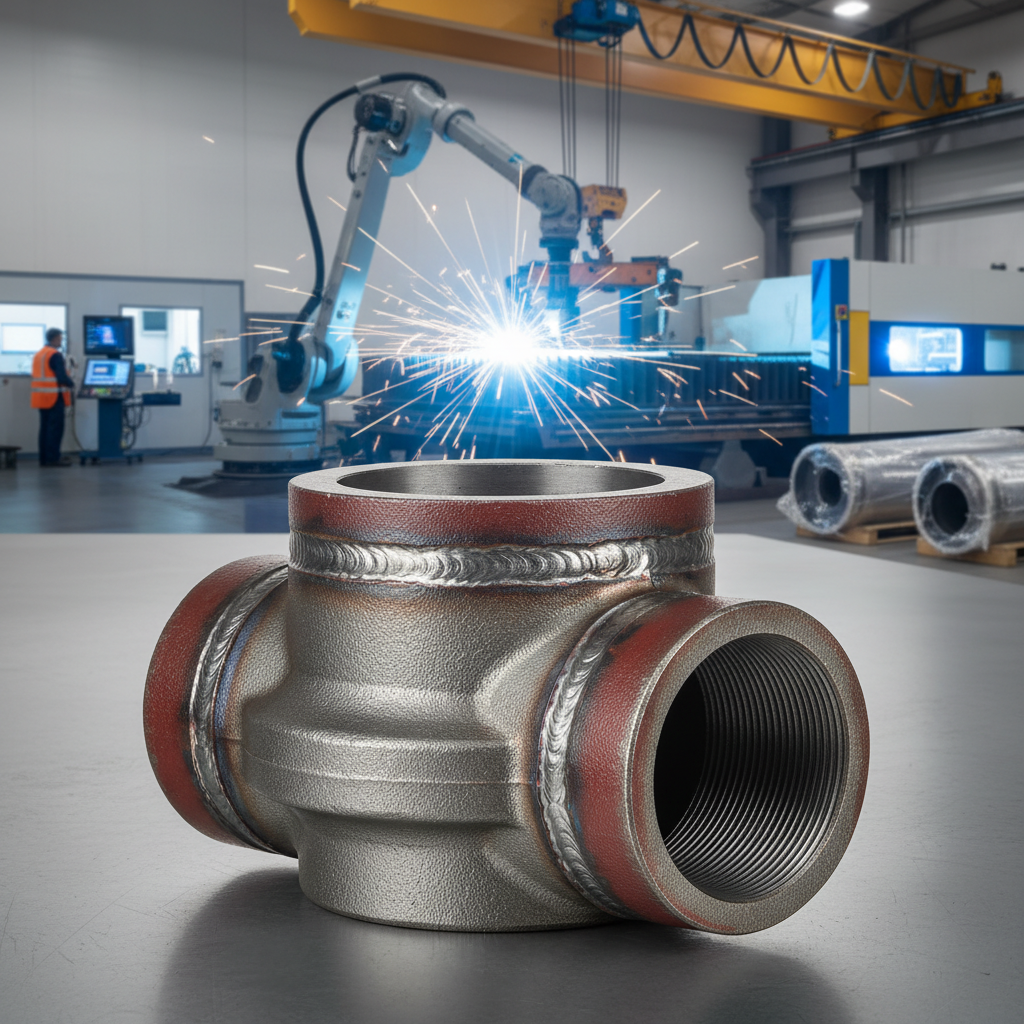
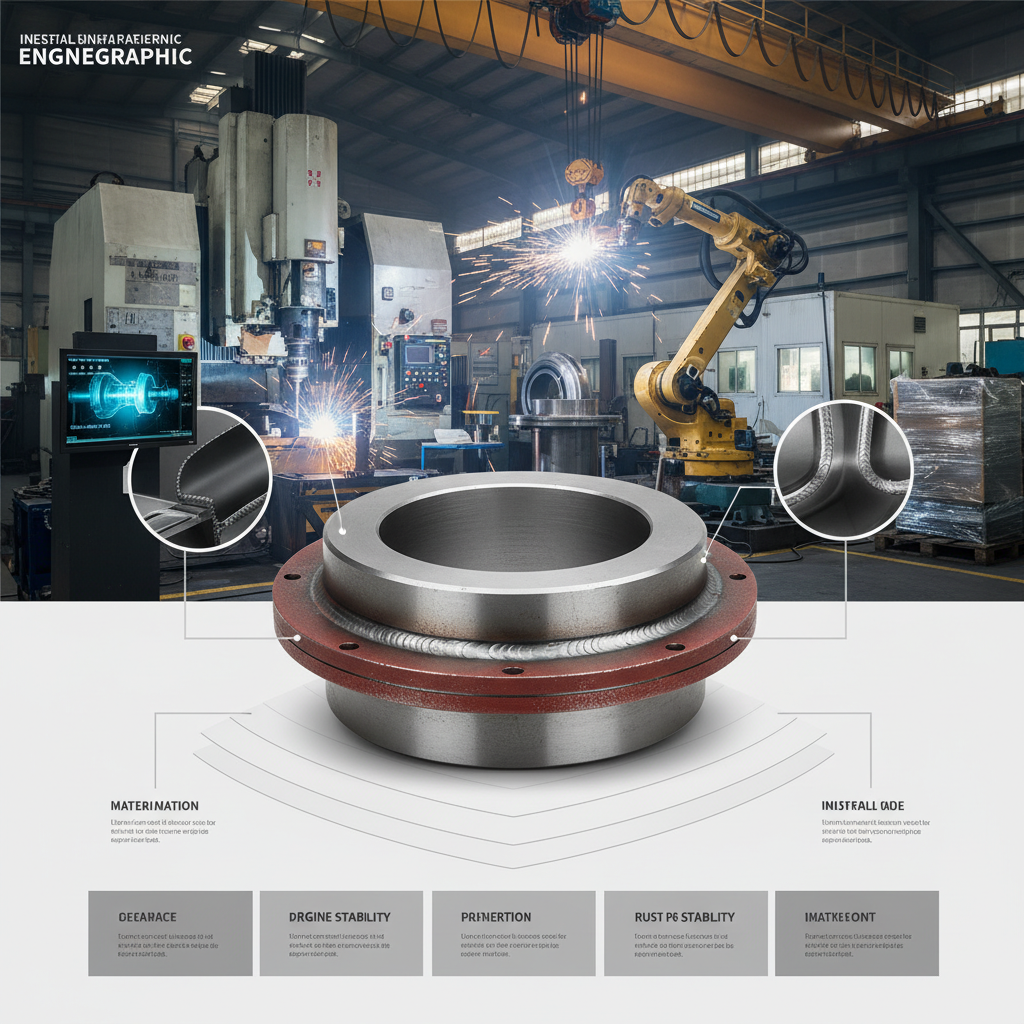
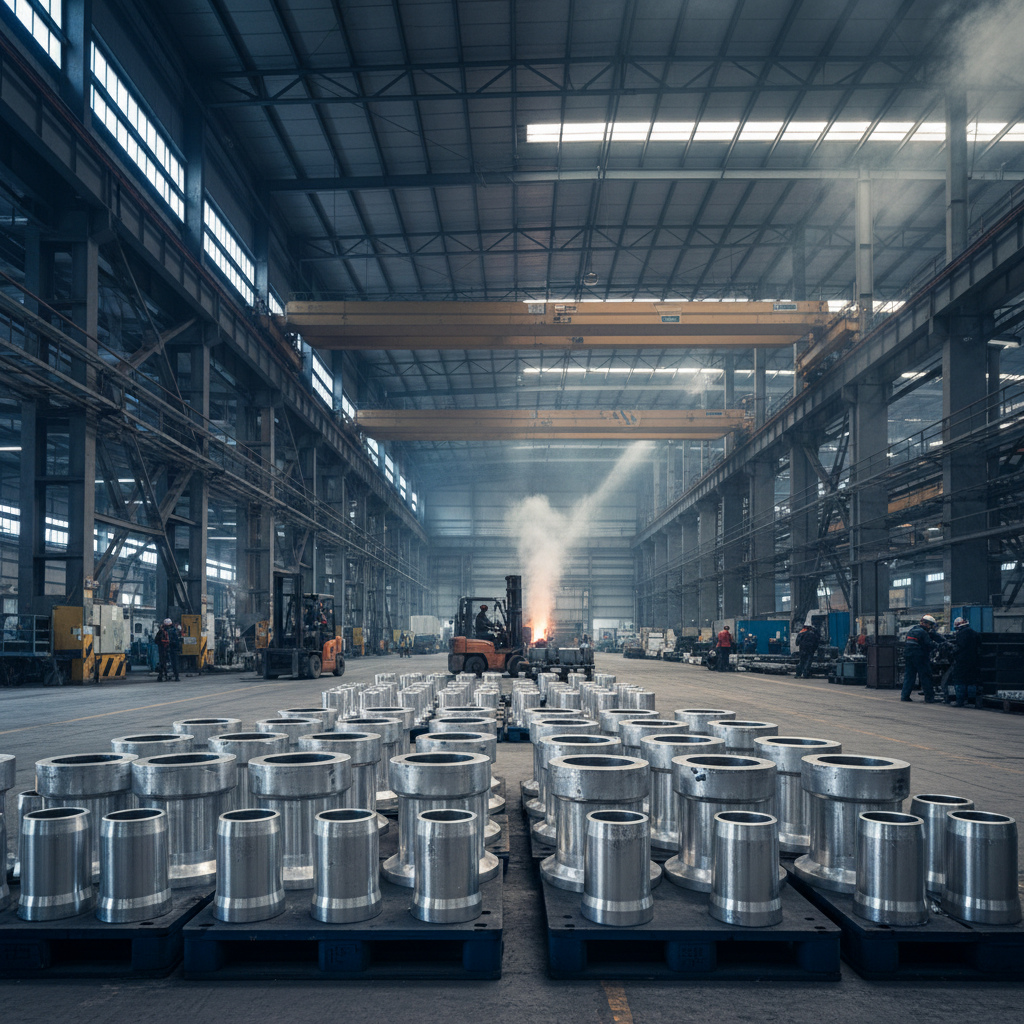
In the complex ecosystem of industrial fluid management, the drain pipe cap serves as a critical yet often overlooked component that ensures system integrity and safety. Whether integrated into massive pump systems or precise valve assemblies, these capping solutions prevent contamination, manage pressure, and protect internal piping from environmental degradation. Understanding the nuances of their design is essential for any operation aiming to reduce downtime and maintain rigorous safety standards.
Globally, the demand for high-performance drainage accessories has surged as industries transition toward more sustainable and leak-proof infrastructure. From the automotive sector to electric power generation, the implementation of a precision-engineered drain pipe cap helps in mitigating the risk of hazardous spills and ensuring that fluid transport remains unidirectional and secure. This is particularly vital in environments where corrosive chemicals or high-temperature liquids are processed.
By focusing on the intersection of metallurgy and fluid dynamics, modern casting techniques have transformed the simple cap into a highly engineered tool. This guide explores the technical specifications, global applications, and future innovations surrounding the drain pipe cap, providing engineers and procurement specialists with the insights needed to optimize their hardware selection for long-term operational reliability.
Global Industrial Context of Drain Pipe Caps
On a global scale, the infrastructure for fluid transport is governed by strict ISO and ASME standards to prevent industrial accidents. The drain pipe cap is a fundamental element in meeting these regulations, particularly in the power and automotive industries where a single leak can lead to catastrophic system failure or environmental fines. Data from global industrial audits suggest that a significant percentage of unplanned maintenance is caused by the degradation of sealing components at terminal pipe ends.
As emerging economies expand their manufacturing bases, the reliance on durable, cast-metal capping solutions has increased. The challenge lies in balancing the cost of high-grade alloys with the necessity for long-term corrosion resistance. Consequently, the industry is shifting toward advanced casting processes that allow the drain pipe cap to withstand extreme thermal cycling and high-pressure surges without compromising the seal.
Defining the Technical Role of the Drain Pipe Cap
In its simplest technical terms, a drain pipe cap is a precision-engineered closure device designed to seal the end of a drainage line. Unlike temporary plugs, industrial-grade caps are often integrated into the system's permanent architecture to facilitate controlled draining, venting, or complete isolation of a section of piping. This ensures that fluids—whether they be lubricants, coolants, or waste chemicals—are contained safely within the designated conduits.
The connection to modern industry is profound; in "Smart Factory" environments, these components are often paired with sensors to monitor internal pressure and leakage. In humanitarian contexts, such as the rapid deployment of water treatment facilities in disaster zones, the ability to quickly seal and secure drainage lines using standardized drain pipe cap units can mean the difference between a functioning sanitation system and a public health crisis.
Beyond mere closure, the cap acts as the primary barrier against external contaminants. In the Pump Parts and Valve Parts sectors, the integrity of the drain pipe cap prevents debris from entering the system, which could otherwise cause cavitation in pumps or seize the mechanisms of precision valves, thereby extending the mean time between failures (MTBF) for the entire assembly.
Core Components and Material Factors
The durability of a drain pipe cap begins with its metallurgical composition. Depending on the application, materials can range from ductile iron and stainless steel to specialized nickel alloys. The choice of material directly impacts the component's ability to resist oxidation and chemical erosion, ensuring that the seal remains airtight over decades of service.
Scalability and precision fitting are equally critical. A drain pipe cap must be machined to exact tolerances to ensure a perfect interface with the pipe. Whether using threaded connections, flange mounts, or press-fit mechanisms, the goal is to eliminate any gap that could allow for seepage or the ingress of atmospheric moisture.
Cost efficiency in the long run is achieved through "right-specing." By analyzing the fluid velocity and chemical composition of the drain, engineers can select a drain pipe cap that offers the optimal balance between initial procurement cost and maintenance overhead. This strategic approach reduces the frequency of replacements and minimizes the risk of costly emergency shutdowns.
Performance Metrics and Efficiency Analysis
Evaluating the efficacy of a drain pipe cap requires a deep dive into stress-test data and seal integrity ratings. In high-pressure environments, such as electric power accessories, the cap must maintain its position against significant backpressure. We measure performance based on leak rates (drops per minute) and the material's yield strength under extreme temperature fluctuations.
When comparing different casting methods, it becomes evident that precision-cast caps outperform standard molded alternatives in terms of longevity and fit. The following analysis illustrates the performance ratings of various drain pipe cap implementation methods based on industry benchmarks.
Industrial Performance Comparison of Drain Pipe Cap Methods
Global Applications and Sector Use Cases
The versatility of the drain pipe cap allows it to be utilized across diverse geographic and industrial landscapes. In the automotive industry, these caps are essential for engine block drainage and transmission fluid reservoirs, ensuring that no oil leaks occur during transport or storage. In the electric power sector, they are used to seal cooling loops in large-scale transformers, preventing the ingress of moisture that could lead to electrical shorts.
Beyond traditional factories, these components are critical in remote industrial zones—such as offshore oil rigs or mining sites in the Arctic—where the harsh climate demands extreme material resilience. In these contexts, a failure of a drain pipe cap isn't just a maintenance issue; it's a safety hazard. The ability to provide a reliable, heavy-duty seal in sub-zero temperatures is a testament to the evolution of metallurgy in casting.
Long-Term Value and Sustainability Benefits
Investing in a high-quality drain pipe cap yields tangible dividends in the form of reduced operational waste. By eliminating slow leaks and preventing system contamination, companies can significantly lower their environmental footprint and avoid the stringent penalties associated with hazardous fluid discharge. This alignment with "Green Manufacturing" principles enhances a company's ESG (Environmental, Social, and Governance) rating.
From a logical standpoint, the reliability of a precision cap reduces the need for frequent inspections and replacement cycles. This not only saves on labor costs but also minimizes the risk of human error during installation. When workers trust the equipment, operational efficiency increases, and the psychological stress associated with potential system failures is greatly reduced.
Ultimately, the long-term value of the drain pipe cap lies in its contribution to systemic stability. In the realm of OEM parts for pumps and valves, a consistent, high-standard cap ensures that the entire product line maintains its reputation for quality, fostering trust between the manufacturer and the end-user across global supply chains.
Future Innovations in Casting Technology
The future of the drain pipe cap is being shaped by the integration of additive manufacturing and digital twinning. We are seeing the emergence of 3D-printed metal prototypes that allow for internal geometries previously impossible with traditional casting, enabling better flow control and superior sealing surfaces. These innovations allow for "custom-fit" caps tailored to the specific pressure profiles of a unique machine.
Sustainability is also driving the development of new, recyclable alloys that do not sacrifice strength. The transition toward "Circular Economy" models means that future drain pipe cap units will be designed for easier disassembly and material recovery. Furthermore, the application of nano-coatings is significantly increasing the lifespan of caps in highly acidic or alkaline environments.
As automation continues to permeate the casting industry, the precision of the drain pipe cap will reach micron-level accuracy. This will virtually eliminate the need for manual gaskets in many applications, as the metal-to-metal contact will be perfectly aligned, resulting in a truly seamless closure system.
Comparative Analysis of Drain Pipe Cap Material Performance
| Material Type |
Corrosion Resistance |
Thermal Stability |
Cost-to-Life Ratio |
| Ductile Iron |
Moderate |
High |
Excellent |
| 316 Stainless Steel |
Very High |
Moderate |
Good |
| Nickel Alloy |
Extreme |
Extreme |
Moderate |
| Carbon Steel |
Low |
High |
High (Initial) |
| Aluminum Alloy |
High |
Low |
Fair |
| Composite Polymer |
High |
Very Low |
Fair |
FAQS
Selecting the material depends on the fluid chemistry, operating temperature, and pressure. For corrosive environments, 316 Stainless Steel or Nickel alloys are recommended. For standard high-pressure industrial use where cost is a factor, Ductile Iron provides the best balance of strength and value. Always check your system's specifications against ISO standards to ensure compatibility.
It depends on the connection type. Threaded drain pipe cap units can be reused if the threads are not stripped and the seal is refreshed. However, for flange-mounted caps, the gasket must be replaced every time to ensure a leak-proof seal. High-precision cast caps are designed for longevity, but wear and tear on the mating surface should be inspected regularly.
The most common causes are thermal expansion/contraction, which can loosen the fit, and galvanic corrosion when dissimilar metals are used. Additionally, improper torque during installation can deform the seal. Using a precision-engineered drain pipe cap from a reputable caster minimizes these risks through better dimensional stability.
Yes, through advanced investment casting and CNC machining, custom drain pipe cap dimensions can be produced. This is common in OEM projects for pump and valve parts where proprietary piping is used. Providing a technical drawing or a sample of the pipe end allows for a perfect fit.
By providing a secure, leak-proof barrier, the cap prevents hazardous waste or industrial chemicals from leaching into the soil or groundwater. In sectors like power generation or automotive manufacturing, a reliable drain pipe cap is the first line of defense in containment strategies, ensuring compliance with environmental laws.
Inspection intervals vary by industry, but generally, a quarterly check for corrosion or seepage is recommended for critical systems. In high-vibration environments, monthly inspections are advisable to ensure the drain pipe cap has not shifted or loosened. Using ultrasonic testing can help detect micro-leaks before they become systemic failures.
Conclusion
The drain pipe cap may seem like a simple accessory, but it is a cornerstone of industrial safety and operational efficiency. From its critical role in preventing contamination to its contribution to environmental sustainability, the quality of this component directly impacts the lifespan of pumps, valves, and broader fluid transport systems. By prioritizing material integrity and precision casting, industries can significantly reduce maintenance costs and risk.
Looking ahead, the integration of smart materials and additive manufacturing will continue to elevate the standards of drainage solutions. We encourage engineers and procurement managers to move beyond "commodity" purchasing and invest in precision-engineered components that offer long-term value and reliability. For high-quality, custom-cast solutions that meet the most rigorous global standards, visit our website: www.ydcastings.com