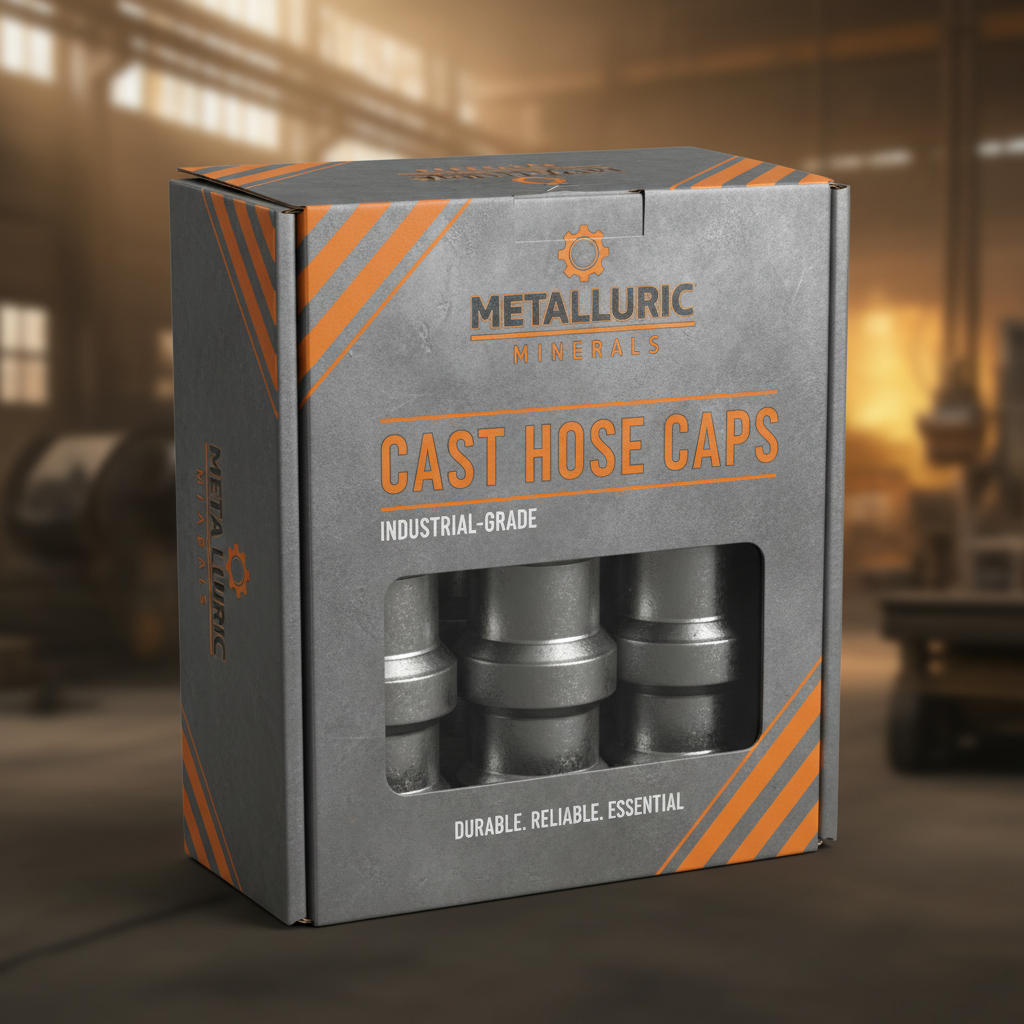
In the complex world of industrial piping and fluid management, the role of a caps pipe is often understated yet critically important. These specialized components serve as the primary seal for piping systems, preventing contamination and ensuring that pressure is maintained within the lines, which is essential for the operational integrity of heavy machinery and infrastructure.
Across the global manufacturing landscape, the demand for high-precision caps pipe solutions has surged as industries shift toward more stringent safety standards and higher efficiency. Whether used in the automotive sector for fuel lines or in electric power accessories for cooling systems, these caps prevent hazardous leaks and protect internal components from environmental degradation.
Understanding the technical nuances of material selection and casting precision for a caps pipe allows engineers to reduce downtime and extend the lifecycle of their equipment. By integrating advanced metallurgy with precise geometric design, modern casting companies are providing the reliability needed for the most demanding industrial environments.
The Industrial Significance of Caps Pipe
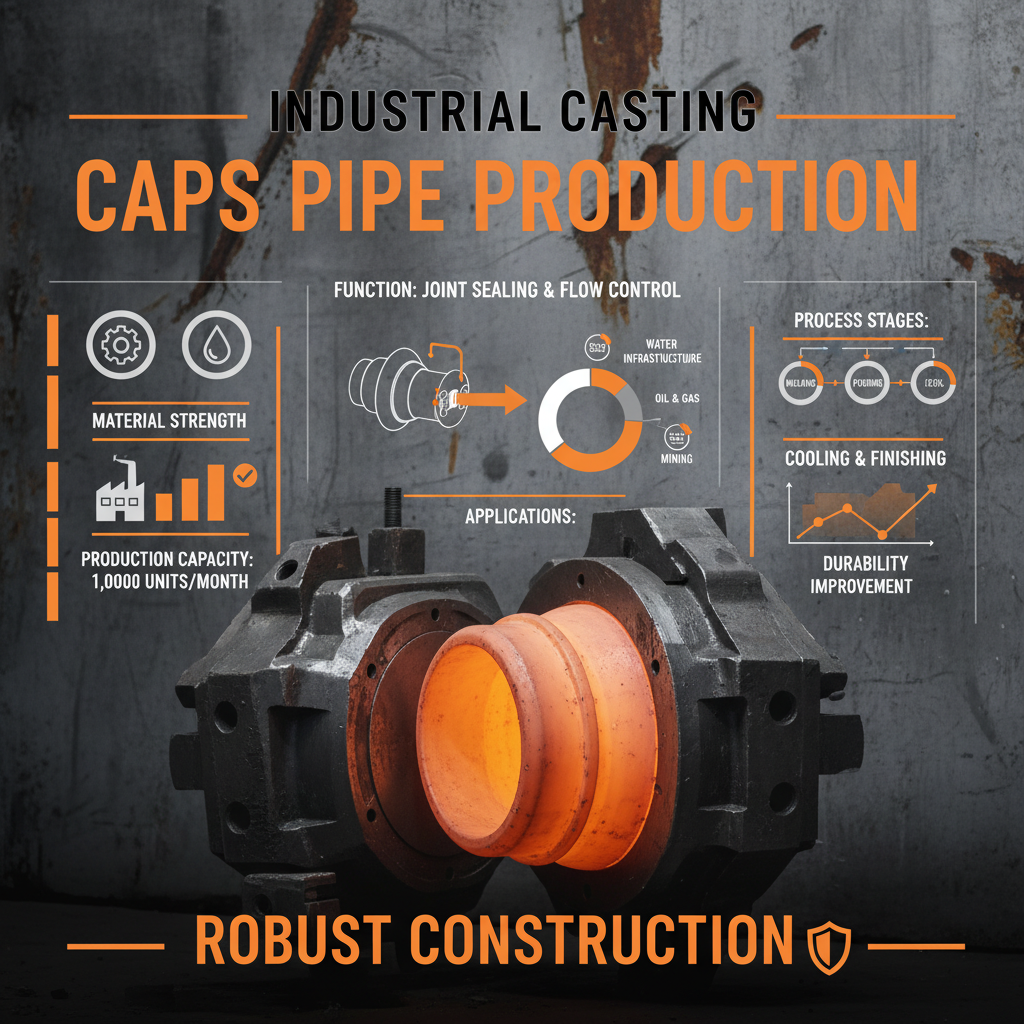
The fundamental purpose of a caps pipe is to provide a secure, airtight, or watertight termination for a piping system. In the context of metal casting and processing, these components must withstand extreme thermal expansion and contraction without compromising the seal. This is particularly vital in the production of pump parts and valve parts, where a failure in the capping mechanism could lead to catastrophic system failure.
From a global perspective, the standardization of these components through ISO and ASME ensures that a caps pipe manufactured in one region can be seamlessly integrated into a system designed in another. This interoperability is the backbone of international trade in auto parts and power accessories, allowing for rapid repair and maintenance of critical infrastructure worldwide.
Technical Specifications and Material Standards
Selecting the right material for a caps pipe depends heavily on the chemical nature of the fluid being transported and the external environment. For example, stainless steel is preferred for corrosive environments, while ductile iron is utilized in high-pressure water systems due to its superior strength-to-weight ratio and impact resistance.
Precision in casting is non-negotiable. A deviation of even a fraction of a millimeter in the mating surface of a caps pipe can lead to "micro-leaks," which may not be immediately apparent but can degrade the system over time. This necessitates the use of advanced CNC machining post-casting to ensure perfect concentricity and surface finish.
Furthermore, the heat treatment process plays a pivotal role in the durability of the component. By controlling the cooling rate of the metal, manufacturers can optimize the grain structure of the caps pipe, ensuring it possesses the necessary hardness to resist wear while remaining flexible enough to avoid brittle fractures under pressure spikes.
Core Components of High-Performance Pipe Caps
The structural integrity of a caps pipe begins with the thickness of the wall, which must be calculated based on the maximum allowable working pressure (MAWP). A well-engineered cap distributes stress evenly across its geometry, preventing localized deformation.
The sealing interface of the caps pipe is the most critical area. Whether it utilizes a threaded connection, a welded joint, or a flanged fit, the interface must be engineered to prevent bypass leakage under vacuum or high-pressure conditions, often incorporating gaskets or O-rings for enhanced reliability.
Finally, the external coating of a caps pipe serves as the first line of defense against oxidation. Galvanization or epoxy coatings are frequently applied to ensure that the component does not rust, which would otherwise compromise the structural integrity of the termination point.
Efficiency Analysis of Different Casting Methods
Different manufacturing processes yield different performance levels for a caps pipe. Sand casting is often used for large, heavy-duty caps where cost-efficiency is prioritized over extreme precision, whereas investment casting is used for high-complexity auto parts requiring a near-net shape.
The choice of method directly impacts the porosity of the metal. Lower porosity in a caps pipe leads to higher pressure ratings and a longer service life, making centrifugal casting an attractive option for cylindrical capping components.
Performance Comparison of Caps Pipe Casting Methods
Global Applications Across Heavy Industries
In the electric power sector, the caps pipe is essential for sealing hydraulic conduits in transformers and cooling loops. These components must withstand constant vibration and thermal cycling, ensuring that the cooling medium remains contained to prevent equipment overheating.
Within the automotive and OEM sectors, precision caps pipe designs are used in everything from brake line terminations to exhaust manifolds. In remote industrial zones, such as mining operations in Australia or oil rigs in the North Sea, the reliability of these seals is a primary factor in preventing environmental contamination and ensuring worker safety.
Long-Term Value and Sustainability Benefits
Investing in high-quality caps pipe solutions provides significant long-term economic value by reducing the frequency of replacements. While a cheaper, lower-grade cap might save initial costs, the risk of leakage and the subsequent cost of emergency repairs far outweigh the initial investment in premium cast components.
From a sustainability perspective, durable caps pipe components contribute to a circular economy. Metals like steel and iron are highly recyclable, and by extending the service life of a piping system, the overall carbon footprint associated with manufacturing and transporting replacement parts is drastically reduced.
Moreover, the use of precision-engineered caps enhances the safety and dignity of industrial labor. By minimizing the risk of hazardous spills or high-pressure bursts, companies can foster a safer workplace culture, building trust between management and the operational workforce.
Future Trends in Pipe Sealing Technology
The future of the caps pipe industry is being shaped by the digital transformation of manufacturing. Additive manufacturing (3D printing) is allowing for the creation of complex internal geometries that were previously impossible with traditional casting, enabling "smart" caps with integrated sensors for real-time leak detection.
Sustainability policies are also driving the development of new alloys. We are seeing a shift toward lighter, stronger materials that maintain the strength of traditional caps pipe while reducing the total weight of the assembly, which is particularly critical for the aerospace and electric vehicle industries.
Automation in the quality control process, utilizing AI-driven X-ray inspection, ensures that every caps pipe leaving the factory is free of internal voids. This level of precision is moving the industry toward a "zero-defect" standard, further increasing the reliability of global infrastructure.
Comparative Analysis of Caps Pipe Material Performance
| Material Type |
Pressure Resistance |
Corrosion Level |
Lifecycle Score |
| Carbon Steel |
High |
Moderate |
7/10 |
| Stainless Steel 316 |
Medium-High |
Very Low |
9/10 |
| Ductile Iron |
Very High |
High |
8/10 |
| Aluminum Alloy |
Medium |
Low |
6/10 |
| Nickel Alloys |
High |
Extremely Low |
10/10 |
| Cast Iron |
Medium |
High |
5/10 |
FAQS
A caps pipe is used to seal the end of a piping system. Its primary function is to prevent the leakage of fluids or gases and to protect the interior of the pipe from external contaminants. In high-pressure environments, it ensures the system maintains its operational pressure without failure.
Selection should be based on the medium being transported, the operating temperature, and the external environment. For corrosive chemicals, stainless steel or nickel alloys are ideal. For high-pressure water or structural applications, ductile iron is often the most cost-effective and durable choice.
Yes. An improperly fitted cap can lead to micro-leaks that compromise pressure integrity. In critical systems like auto parts or electric power accessories, such leaks can cause contamination or sudden decompression, potentially leading to equipment damage or safety hazards.
Sand casting is better for larger, less complex caps and is more economical for bulk production. Investment casting provides a much higher level of precision and surface finish, which is necessary for components that require tight tolerances and minimal post-processing machining.
Inspection intervals depend on the severity of the environment. In high-corrosion or high-vibration zones, quarterly inspections are recommended. For standard OEM applications, annual checks for oxidation or seal degradation are typically sufficient to ensure long-term safety.
Yes, the industry is moving toward recyclable alloy compositions and "green" casting processes that reduce energy consumption. Additionally, increasing the durability of the caps reduces the overall waste generated by frequent replacements throughout the equipment's lifecycle.
Conclusion
In summary, the caps pipe is a fundamental component that ensures the safety, efficiency, and longevity of industrial piping systems. From the careful selection of metallurgical properties to the application of precision casting techniques, every detail contributes to the prevention of system failure and environmental contamination. By adhering to global standards and embracing high-quality manufacturing, industries can significantly reduce operational risks and costs.
Looking forward, the integration of smart sensors and sustainable materials will further evolve the role of the caps pipe from a passive seal to an active monitoring component. For businesses seeking to optimize their infrastructure, investing in precision-cast capping solutions is a strategic move toward greater reliability and sustainability. To explore high-quality casting solutions for your specific needs, visit our website: www.ydcastings.com