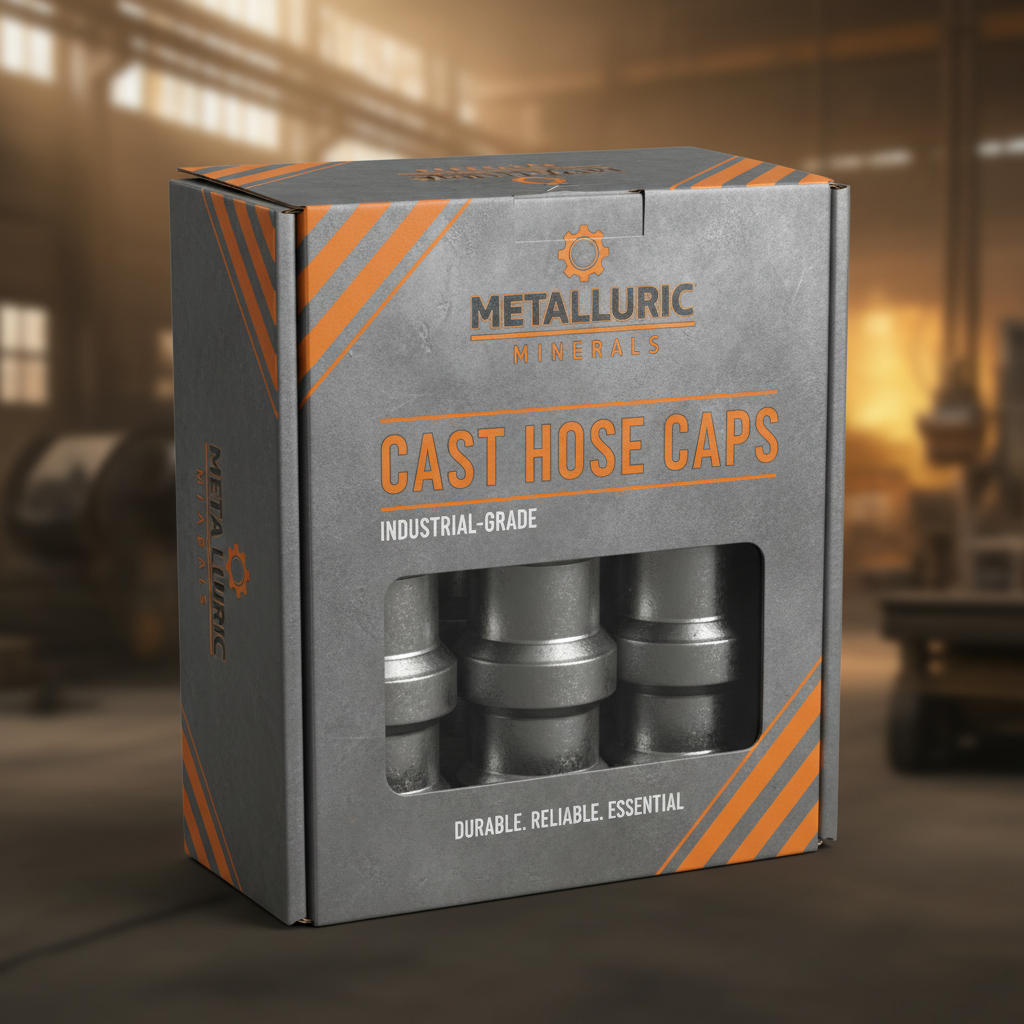
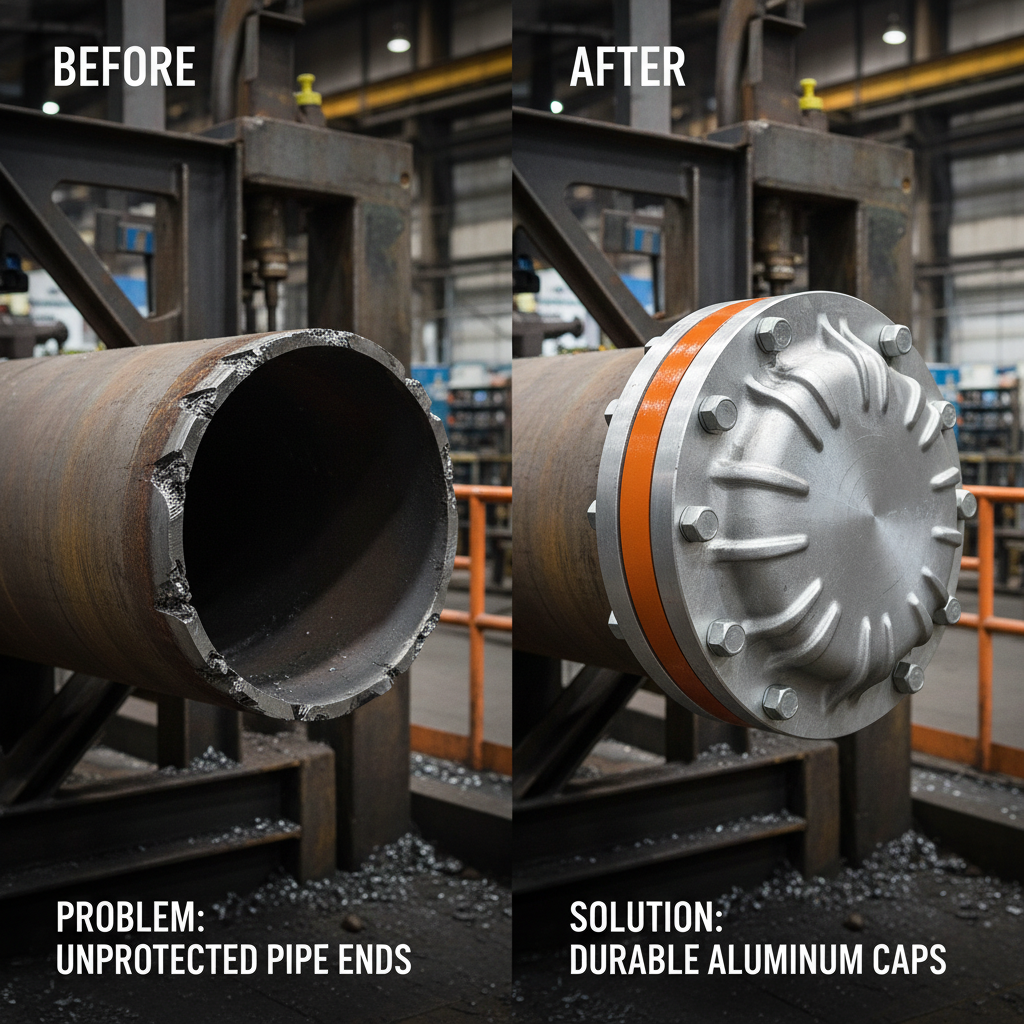
In the complex world of fluid dynamics and industrial piping, the humble hose caps often go unnoticed, yet they serve as the first line of defense against systemic contamination. Whether used in automotive assembly, power plant maintenance, or high-pressure pump systems, these components ensure that critical internal environments remain sterile and free from particulate ingress. Understanding the nuanced application of these sealing solutions is essential for any operation prioritizing long-term equipment reliability and safety.
From a global manufacturing perspective, the demand for high-precision hose caps has surged as industries shift toward tighter tolerances and more aggressive environmental standards. In sectors like Electric Power Accessories and Pump Parts, a single speck of dust or a drop of moisture entering an open line during transport or maintenance can lead to catastrophic failure. Consequently, the engineering behind these caps has evolved from simple rubber plugs to sophisticated, material-science-driven seals.
By integrating advanced polymer blends and precision-molded geometries, modern hose caps provide a cost-effective insurance policy against downtime. This guide explores the technical specifications, global applications, and future innovations of these critical accessories, offering a comprehensive look at how they safeguard the integrity of industrial fluid systems across the globe.
The Industrial Significance of Hose Caps
The global logistics of industrial parts often involve shipping across diverse climates, from humid tropical ports to freezing mountainous regions. In this context, hose caps act as a vital barrier, preventing atmospheric moisture and salt spray from corroding the internal bores of expensive valve and pump parts. Without a reliable seal, the "invisible" damage caused by oxidation can render a part useless before it even reaches the assembly line.
Furthermore, ISO standards for cleanliness in hydraulic systems emphasize the elimination of all possible contamination sources. High-quality hose caps are not merely accessories but are integral to the quality assurance process. By ensuring that no debris enters the system during the transition from the manufacturer to the end-user, companies can significantly reduce warranty claims and improve the operational lifespan of their machinery.
Defining Hose Caps in Modern Engineering
At its most basic level, a hose cap is a protective cover designed to fit snugly over the end of a hose, tube, or pipe. However, in professional metallurgy and casting contexts, these are engineered precision components. They are designed to maintain a specific interference fit, ensuring that they remain secure during vibration-heavy transport while remaining easy enough for a technician to remove without damaging the underlying hardware.
In the realm of modern industry, these caps represent the intersection of material science and practical utility. Whether they are molded from thermoplastic elastomers (TPE), silicone, or high-density polyethylene (HDPE), the choice of material is dictated by the chemical environment the part will encounter. For instance, in Auto Parts manufacturing, caps must often resist oil and fuel vapors, whereas in Electric Power Accessories, they may need to resist UV degradation during outdoor storage.
Beyond simple protection, hose caps often serve as visual indicators in lean manufacturing (Kaizen). Color-coding caps allows workers to quickly identify different hose diameters or fluid types at a glance, reducing assembly errors and enhancing workplace safety. This transformation from a simple plug to a functional tool demonstrates their evolving role in high-efficiency production lines.
Core Components of Effective Sealing
The effectiveness of hose caps is primarily determined by their material durability. A cap that cracks under temperature fluctuations or degrades when exposed to ozone is a liability rather than an asset. Therefore, the selection of polymers that offer a balance of flexibility and tensile strength is paramount to ensure a vacuum-tight seal.
Scalability in design is another critical factor. Because industrial systems utilize a vast array of diameters, hose caps must be available in a wide range of standardized sizes. The ability to source a cap that fits perfectly across different OEM specifications—whether for a small hydraulic line or a massive cooling pipe—ensures consistency across the entire supply chain.
Finally, cost-efficiency and ease of deployment cannot be overlooked. In high-volume environments, such as the production of Pump Parts or Valve Parts, the time taken to apply and remove a cap affects the overall cycle time. The most successful designs utilize a tapered geometry that allows for rapid insertion and removal, minimizing labor costs while maximizing protection.
Global Applications and Use Cases
In the automotive sector, specifically within the production of braking and fuel systems, hose caps are used to prevent the entry of metallic shavings during the casting and machining process. In remote industrial zones, such as mining sites in Australia or oil fields in the Middle East, these caps protect critical spares from wind-blown sand and grit, which would otherwise cause premature wear on pump seals.
Another vital application is found in disaster relief and emergency infrastructure. When deploying temporary water filtration or power systems in post-disaster zones, modular hoses are transported in bulk. The use of heavy-duty hose caps ensures that these life-saving lines remain uncontaminated during transit through muddy or debris-filled environments, ensuring immediate functionality upon arrival.
Performance Analysis of Hose Caps Sealing Methods
Tangible Advantages and Long-Term Value
The most immediate advantage of implementing a rigorous hose caps strategy is the dramatic reduction in "scrap rate" during the assembly phase. When parts arrive clean, the need for expensive internal flushing and chemical cleaning is minimized, leading to direct cost savings in both labor and consumables. This creates a leaner production cycle and reduces the overall environmental footprint of the manufacturing process.
Beyond the balance sheet, there is a profound emotional and psychological value: trust. When an OEM receives a shipment of Valve Parts where every single port is meticulously capped, it signals a culture of precision and care. This attention to detail builds long-term reliability and trust between the supplier and the client, fostering a partnership based on the shared goal of zero-defect engineering.
Future Trends in Sealing Technology
The future of hose caps is leaning heavily toward sustainability. We are seeing a shift from traditional petroleum-based plastics to biodegradable polymers and recycled elastomers. These "green" caps offer the same protective qualities while aligning with global mandates to reduce plastic waste in the industrial sector, particularly in the Auto Parts industry.
Digital transformation is also making its way into the most basic components. Concept designs now include RFID tags embedded within the cap. This allows for automated inventory tracking and ensures that the correct cap is used for the correct part during the assembly process. Such "smart caps" can log when a part was sealed and when it was opened, providing a digital audit trail for quality control.
Furthermore, advancements in 3D printing are enabling the rapid prototyping of custom-shaped hose caps for complex, non-standard geometries. This eliminates the need for expensive molding tools for low-volume, high-spec components, allowing for unprecedented flexibility in the production of specialized Electric Power Accessories.
Challenges and Expert Solutions
One of the primary challenges in the industry is "cap migration"—the tendency for caps to loosen and fall off during high-vibration shipping. This is often the result of poor tolerance matching or material fatigue. To solve this, engineers are now implementing ribbed internal geometries that "grip" the hose wall more effectively without causing surface scratches.
Another common issue is the chemical incompatibility between the cap material and the residual fluids inside the hose. For instance, certain rubber caps can swell or degrade when in contact with specific synthetic lubricants. The expert solution is the adoption of fluorinated elastomers or specialized coatings that provide a chemical barrier, ensuring the cap remains intact throughout the storage period.
Lastly, the challenge of "over-tightening" can lead to deformation of the hose end. To mitigate this, the industry is moving toward precision-molded caps with integrated "stop-points," which prevent the user from pushing the cap too far into the bore. This ensures a consistent seal while protecting the structural integrity of the underlying metal or rubber hose.
Analysis of Hose Caps Material Suitability by Industry
|
Industry Sector
|
Recommended Material
|
Key Protection Goal
|
Durability Rating (1-10)
|
| Auto Parts |
Nitrile Rubber (NBR) |
Oil & Fuel Resistance |
9 |
| Electric Power |
UV-Stabilized PE |
Weathering/UV Shield |
8 |
| Pump Parts |
Silicone |
Thermal Stability |
9 |
| Valve Parts |
TPE |
Dust/Particulate Seal |
7 |
| Other OEM |
Vinyl/PVC |
General Protection |
6 |
| Aerospace |
Fluorosilicone |
Extreme Temp/Chemicals |
10 |
FAQS
Choosing the correct size requires measuring the outer diameter (OD) of the hose or the inner diameter (ID) of the fitting. For a secure seal, you should select a cap with an internal diameter slightly smaller (typically 0.5mm to 2mm) than the hose OD. This creates the necessary interference fit to prevent the cap from slipping during transport. Always check if your hose is flexible or rigid, as this affects how much compression the cap can handle.
Depending on the material, many hose caps are designed for multiple uses, especially those made from TPE or Silicone. However, if the cap has been exposed to harsh chemicals or has stretched significantly during removal, we recommend replacing it to ensure the seal integrity is not compromised. In high-precision OEM environments, single-use is often preferred to eliminate the risk of cross-contamination.
A plug is designed to be inserted into a hole or bore to seal it from the inside, whereas a cap fits over the outside of a tube or hose. While both serve the purpose of sealing, caps are generally preferred for hose ends because they do not put internal pressure on the bore walls and are typically easier to remove without leaving residue inside the system.
Oxidation occurs when metal surfaces are exposed to oxygen and moisture. hose caps create a physical barrier that limits the air exchange at the open end of a pipe. When combined with a light application of rust-preventative oil, the cap traps the protective layer and prevents atmospheric moisture from entering, effectively halting the oxidation process during long-term storage or sea freight.
Yes, the industry is increasingly adopting bio-based elastomers and recyclable TPEs. These materials offer similar performance to traditional plastics but break down more easily in industrial composting environments or are fully recyclable. Many companies are now transitioning to these "green" alternatives to meet ESG (Environmental, Social, and Governance) targets and reduce their plastic footprint.
Absolutely. Through custom injection molding or 3D printing, hose caps can be designed for oval, square, or irregularly shaped ports. By providing a CAD drawing or a physical sample, manufacturers can create a precision-fit cap that ensures the same level of protection for non-standard components as they do for standard round hoses.
Conclusion
In summary, hose caps are far more than simple plastic covers; they are critical quality-assurance tools that safeguard the integrity of fluid systems across the automotive, power, and pump industries. By preventing contamination, reducing oxidation, and streamlining assembly through color-coding and precision fitting, these components provide immense long-term value and reduce the risk of costly equipment failure.
Looking ahead, the integration of sustainable materials and smart tracking technologies will further elevate the role of sealing solutions in the global supply chain. For manufacturers and engineers aiming for zero-defect production, investing in high-quality, material-appropriate caps is a small cost that yields significant returns in reliability and brand trust. To explore our range of precision-engineered sealing solutions, visit our website: www.ydcastings.com