The pump motor impeller, a critical component in a vast array of industrial and domestic applications, is fundamental to fluid movement. From providing clean water access to powering complex machinery, its efficiency and reliability directly impact numerous aspects of modern life. Understanding the intricacies of pump motor impeller design, materials, and performance is vital for engineers, technicians, and anyone involved in industries reliant on fluid transfer.
Globally, the demand for efficient and durable pump motor impellers is constantly increasing, driven by factors such as population growth, industrial expansion, and the need for sustainable resource management. The ability to effectively transport liquids and gases is paramount in sectors ranging from agriculture and energy to healthcare and manufacturing. A robust understanding of the pump motor impeller’s role is essential for addressing these global challenges.
Advances in pump motor impeller technology are not merely incremental improvements; they represent a continuous effort to optimize energy consumption, reduce maintenance costs, and enhance operational safety. This constant evolution underscores the importance of staying abreast of the latest innovations in pump motor impeller design and materials science.
The Core Principles of pump motor impeller
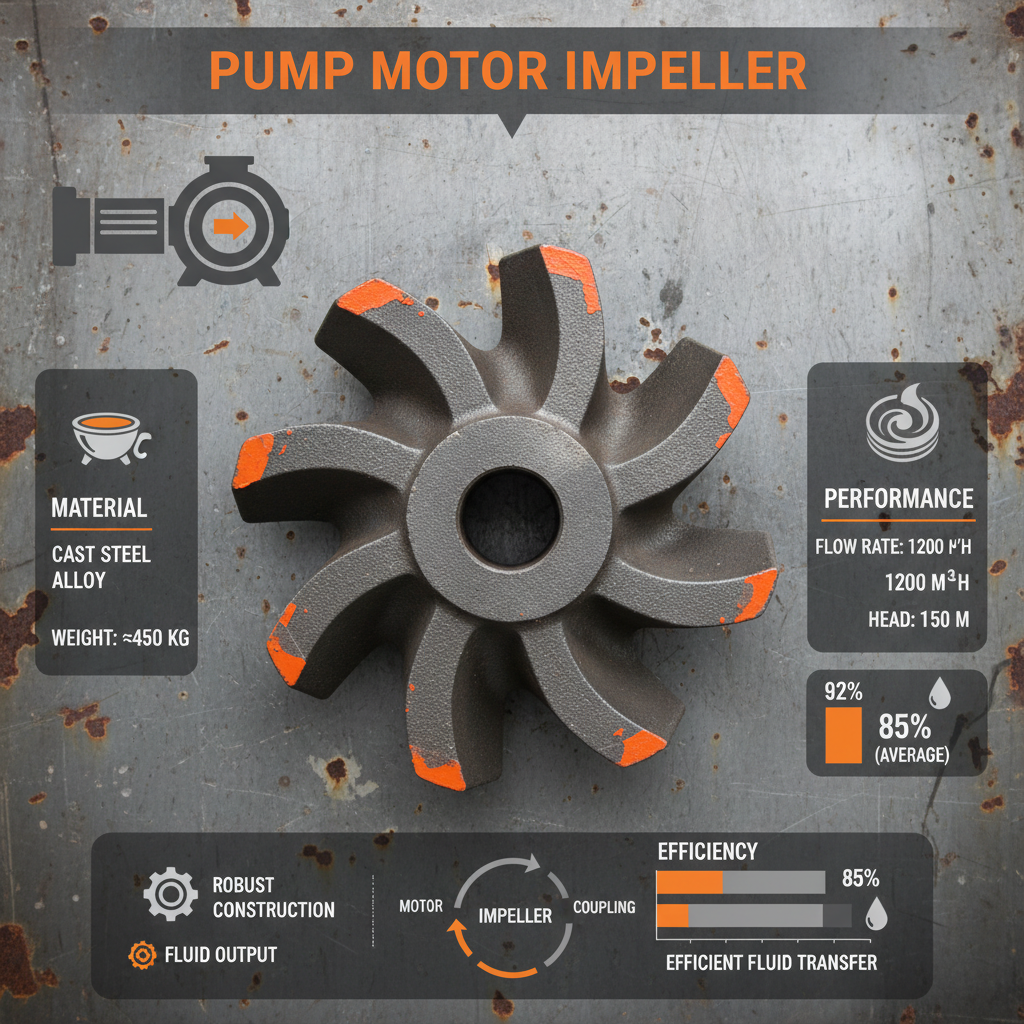
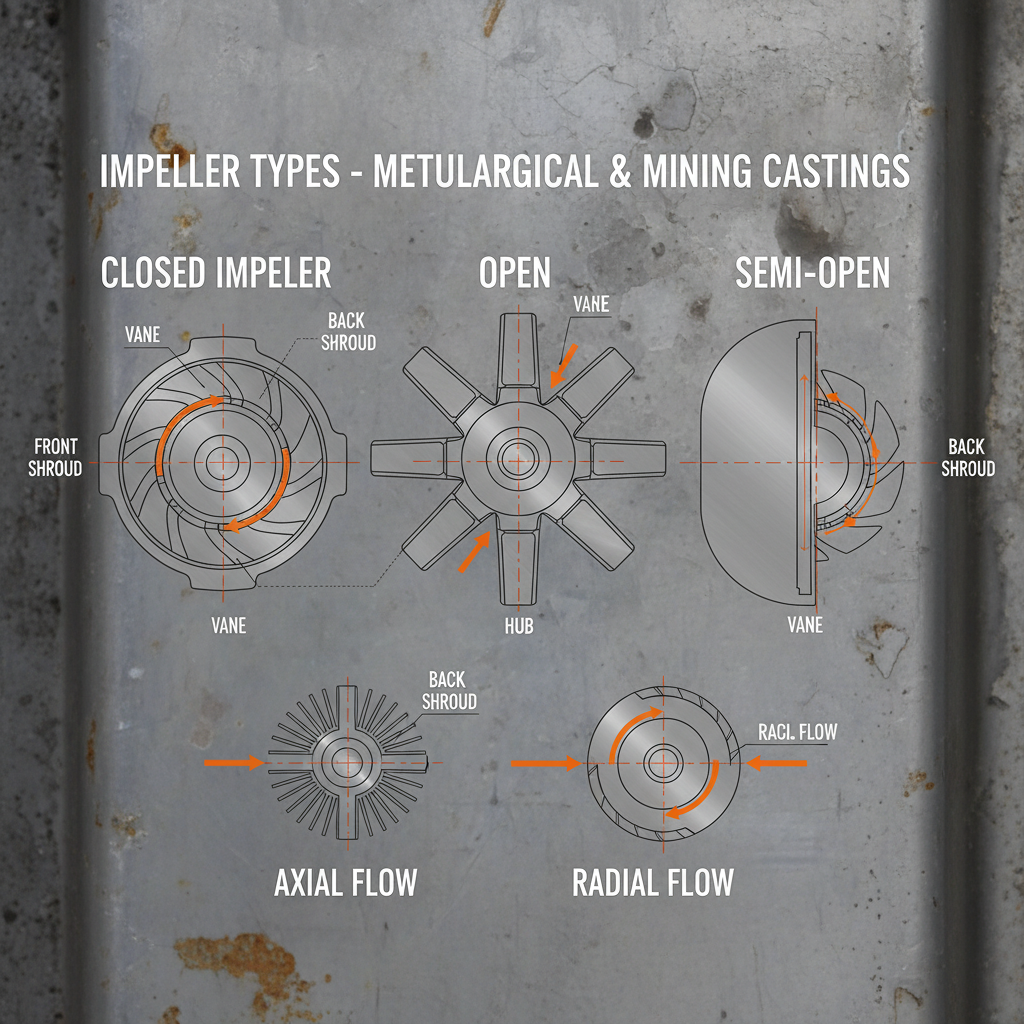
At its core, the pump motor impeller operates based on the principles of fluid dynamics, converting rotational energy into kinetic energy and then pressure. The impeller's design – including its blade geometry, diameter, and number of vanes – significantly influences its performance characteristics, determining its efficiency in moving fluids. Careful consideration of these parameters is crucial for optimizing a pump's output.
The materials used in constructing a pump motor impeller are equally important. They must be able to withstand the corrosive effects of the fluids being pumped, as well as the stresses induced by high speeds and pressures. Common materials include stainless steel, cast iron, and various polymers, each offering different advantages in terms of durability, cost, and compatibility.
The Global Impact of pump motor impeller Technology
The impact of pump motor impeller technology extends far beyond individual industries, contributing significantly to global infrastructure and essential services. Water treatment plants, for instance, rely heavily on efficient pump motor impellers to deliver clean and safe drinking water to communities worldwide. Similarly, effective wastewater management systems depend on robust pumping solutions to prevent pollution and protect public health.
In the energy sector, pump motor impellers play a vital role in oil and gas extraction, refining, and transportation. They are also crucial components in renewable energy systems, such as hydroelectric power plants and geothermal energy facilities. The efficiency of these systems directly affects the overall sustainability and cost-effectiveness of energy production.
The agricultural industry also benefits greatly from reliable pump motor impeller technology, utilizing it for irrigation, crop processing, and livestock management. As global food demand continues to rise, the need for efficient and sustainable agricultural practices will further emphasize the importance of optimized pumping solutions.
Defining the pump motor impeller: Functionality and Purpose
A pump motor impeller is a rotating component of a centrifugal pump, designed to transfer energy to a fluid, increasing its pressure and flow rate. Essentially, it’s the ‘heart’ of the pump, responsible for converting rotational energy from the motor into hydraulic energy within the fluid. Its shape and design are optimized to maximize the transfer of energy from the motor to the fluid.
The impeller's function is intrinsically linked to modern industrial processes and humanitarian needs. Without effective pump motor impellers, many essential operations would be impossible or drastically less efficient. For example, ensuring access to clean water, managing wastewater, powering industrial machinery, and supporting agricultural irrigation are all heavily reliant on this critical component.
Modern pump motor impeller designs prioritize not only performance but also efficiency and durability. Manufacturers are continually striving to create impellers that minimize energy consumption, reduce wear and tear, and operate reliably in challenging environments. This constant innovation is driven by the demand for more sustainable and cost-effective pumping solutions.
Key Factors Influencing pump motor impeller Performance
Several key factors directly impact the performance of a pump motor impeller. First and foremost is hydraulic design, encompassing blade angle, shape, and number. These parameters affect flow rate, head pressure, and overall efficiency. Second, material selection plays a crucial role, determining the impeller’s resistance to corrosion, erosion, and wear.
Another significant factor is impeller size and speed. Larger impellers generally deliver higher flow rates, while higher speeds increase head pressure. Finding the optimal balance between these factors is essential for matching the pump to the specific application requirements. Furthermore, manufacturing precision is vital, as even minor imperfections can negatively impact performance.
Comparison of pump motor impeller Performance Metrics
Global Applications and Diverse Use Cases
Pump motor impellers are ubiquitous across a multitude of global applications. In municipal water treatment plants, they are crucial for delivering potable water to urban populations. In agriculture, they power irrigation systems that sustain crop yields and food security. In the oil and gas industry, they are used extensively for extraction, processing, and transportation of hydrocarbons.
Remote industrial zones, such as mining operations in Australia or oil fields in the Middle East, rely on robust and reliable pump motor impellers to maintain continuous operation. Similarly, in post-disaster relief operations, portable pumping systems equipped with efficient impellers are essential for providing clean water and managing floodwaters.
Advantages and the Long-Term Value Proposition
Investing in high-quality pump motor impellers offers numerous tangible advantages. These include reduced energy consumption, lower maintenance costs, increased operational reliability, and extended equipment lifespan. By minimizing downtime and maximizing efficiency, organizations can achieve significant cost savings over the long term.
Beyond the economic benefits, selecting appropriate pump motor impellers can also contribute to sustainability and environmental responsibility. More efficient pumps require less energy, reducing carbon emissions and minimizing environmental impact. They also contribute to water conservation efforts by optimizing fluid transfer processes.
Future Trends and Innovations in pump motor impeller Design
The future of pump motor impeller design is focused on several key trends. Additive manufacturing (3D printing) is enabling the creation of complex impeller geometries that were previously impossible to produce, optimizing hydraulic performance and reducing material waste. Advanced materials, such as ceramics and composites, are being explored for enhanced durability and corrosion resistance.
Digitalization and data analytics are also playing an increasingly important role, allowing for real-time monitoring of pump performance, predictive maintenance, and optimized control strategies. These technologies will enable operators to maximize efficiency, minimize downtime, and extend the lifespan of their equipment.
Sustainability will continue to drive innovation, with a growing emphasis on developing energy-efficient and environmentally friendly pump motor impellers. The integration of renewable energy sources and the adoption of circular economy principles will further shape the future of this critical technology.
FAQS
Common materials include cast iron, stainless steel, and various polymers. Cast iron is cost-effective for general applications, while stainless steel provides superior corrosion resistance for harsh environments. Polymers are used for lightweight impellers handling specific fluids. Material selection depends on the fluid being pumped, operating pressure, and temperature.
Impeller design significantly impacts pump efficiency. Blade angle, shape, and number determine how effectively energy is transferred to the fluid. Optimized designs minimize turbulence and energy losses, maximizing flow rate and pressure. Computational Fluid Dynamics (CFD) is often used to refine impeller geometry for peak performance.
Cavitation occurs when vapor bubbles form within the fluid due to low pressure, then collapse, causing damage to the impeller. It can be prevented by ensuring adequate Net Positive Suction Head (NPSH), reducing fluid velocity, and selecting appropriate impeller designs that minimize pressure drops. Regular maintenance checks are crucial for detecting and addressing potential cavitation issues.
Inspection frequency depends on the operating conditions and fluid being pumped. Generally, annual inspections are recommended for standard applications. For corrosive or abrasive fluids, more frequent inspections (every 6-12 months) are advised. Look for signs of erosion, corrosion, cracks, or imbalance. Preventative maintenance extends impeller lifespan.
3D printing allows for the creation of complex impeller geometries that optimize hydraulic performance. This technology enables customized designs tailored to specific applications, reduces material waste, and shortens lead times. Complex internal channels and organic shapes are possible, improving efficiency and reducing cavitation risks.
Key considerations include the fluid type, flow rate, pressure requirements, operating temperature, and potential for corrosion or abrasion. Selecting the appropriate impeller material, design, and size is crucial for ensuring optimal performance, reliability, and longevity. Analyzing the entire system is vital, not just the impeller alone.
Conclusion
The pump motor impeller remains a foundational component in countless industrial, municipal, and agricultural applications. Its effectiveness directly impacts efficiency, sustainability, and the delivery of essential services globally. Understanding the core principles of impeller design, material selection, and operational factors is paramount for engineers, technicians, and anyone involved in fluid transfer systems. By prioritizing innovation, durability, and responsible material choices, we can maximize the benefits of this critical technology.
Looking ahead, the future of pump motor impeller technology will be shaped by advancements in additive manufacturing, materials science, and digital analytics. Embracing these innovations and focusing on sustainability will be crucial for addressing the evolving challenges of resource management, energy efficiency, and environmental protection. For more information and specialized pump motor impeller solutions, visit our website: www.ydcastings.com