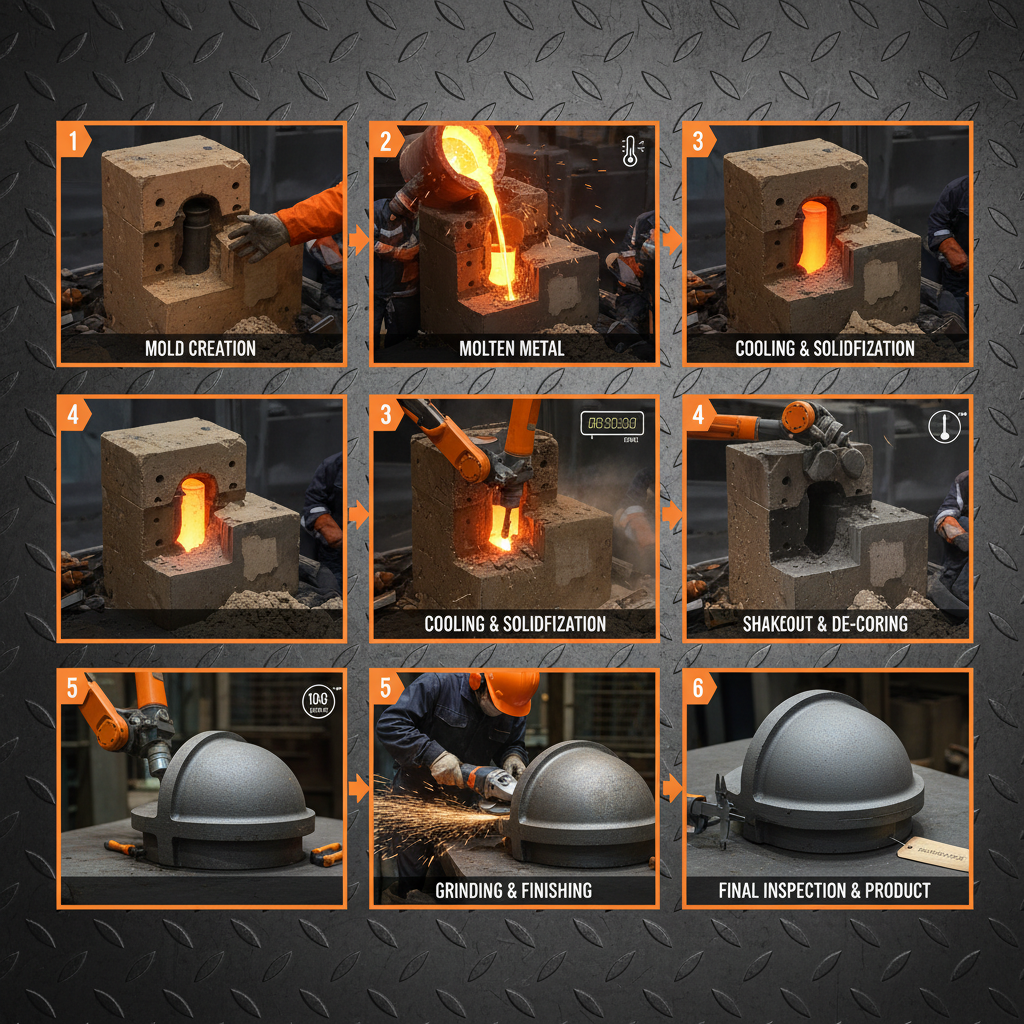
The selection of a high-quality 1 2 romex connector is a fundamental aspect of residential and commercial electrical safety. In the complex world of metal casting and electrical accessories, these connectors ensure that Non-Metallic sheathed cable (Romex) is securely anchored to electrical boxes, preventing wire strain and reducing the risk of electrical fires globally.
Understanding the technical nuances of a 1 2 romex connector allows contractors and engineers to adhere to strict National Electrical Code (NEC) standards. As urbanization increases the demand for rapid housing deployment, the efficiency and reliability of these fastening components become critical for maintaining structural integrity and power stability in diverse climates.
By integrating advanced metallurgy from the casting industry into the production of the 1 2 romex connector, manufacturers can now offer solutions that resist corrosion and mechanical fatigue. This guide explores the global context, technical specifications, and future innovations surrounding these essential electrical components to help you make an informed procurement decision.
Global Industry Context of 1 2 Romex Connectors
On a global scale, the demand for the 1 2 romex connector is driven by the massive expansion of the construction sector in emerging economies. According to ISO standards for electrical installations, the secure termination of cabling is non-negotiable for preventing short circuits. In regions undergoing rapid urbanization, the reliance on standardized Romex cabling has made these connectors a staple in every electrical toolkit.
However, the industry faces a recurring challenge: the balance between installation speed and long-term durability. Many low-cost connectors fail under thermal expansion or vibration, leading to loose connections. This has pushed the metal casting and processing industry to innovate, creating a 1 2 romex connector that combines high-tensile strength with ease of use to meet the rigorous demands of modern building codes.
Definition and Technical Meaning
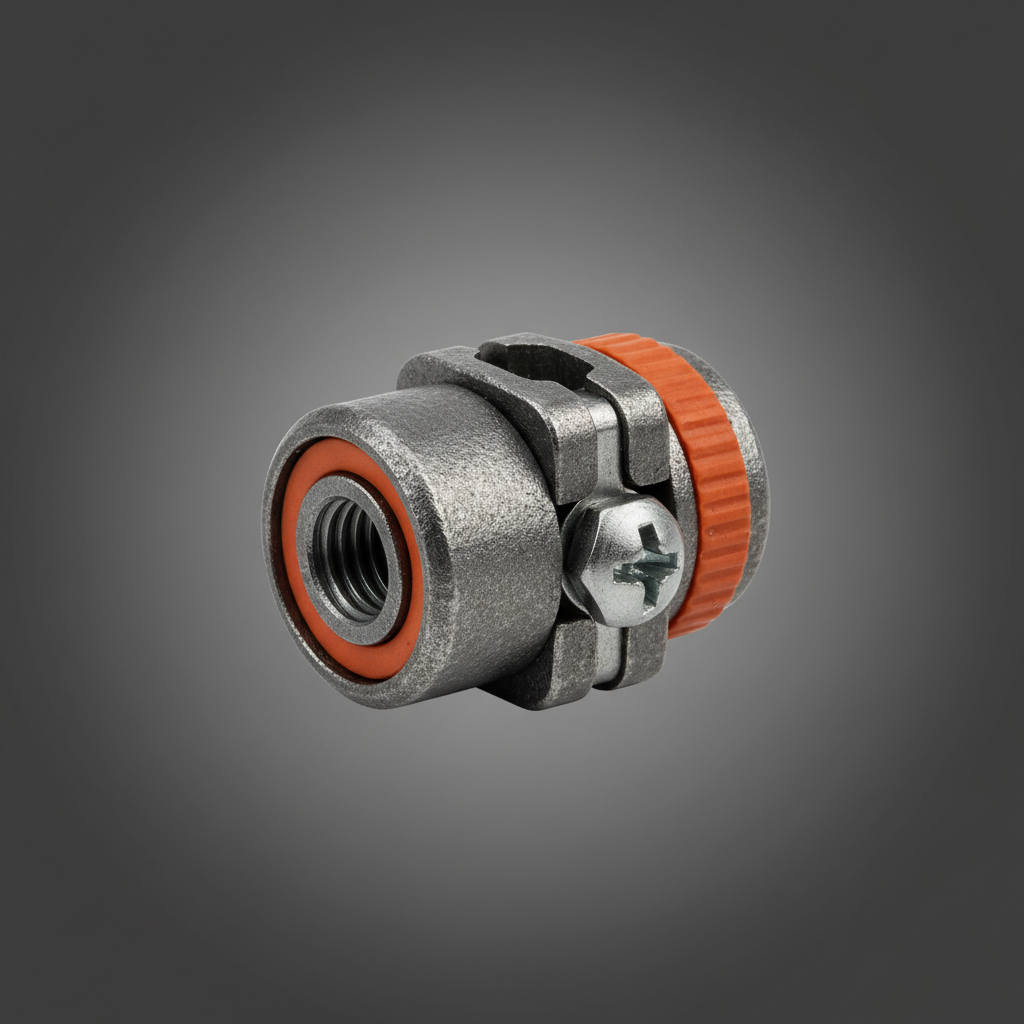
A 1 2 romex connector is a specialized electrical fitting designed to secure Non-Metallic (NM) sheathed cable to an electrical enclosure or junction box. Its primary function is to grip the cable jacket firmly, ensuring that the cable cannot be pulled out of the box, which would otherwise expose bare conductors to the edges of the metal or plastic box, potentially causing a dangerous arc flash.
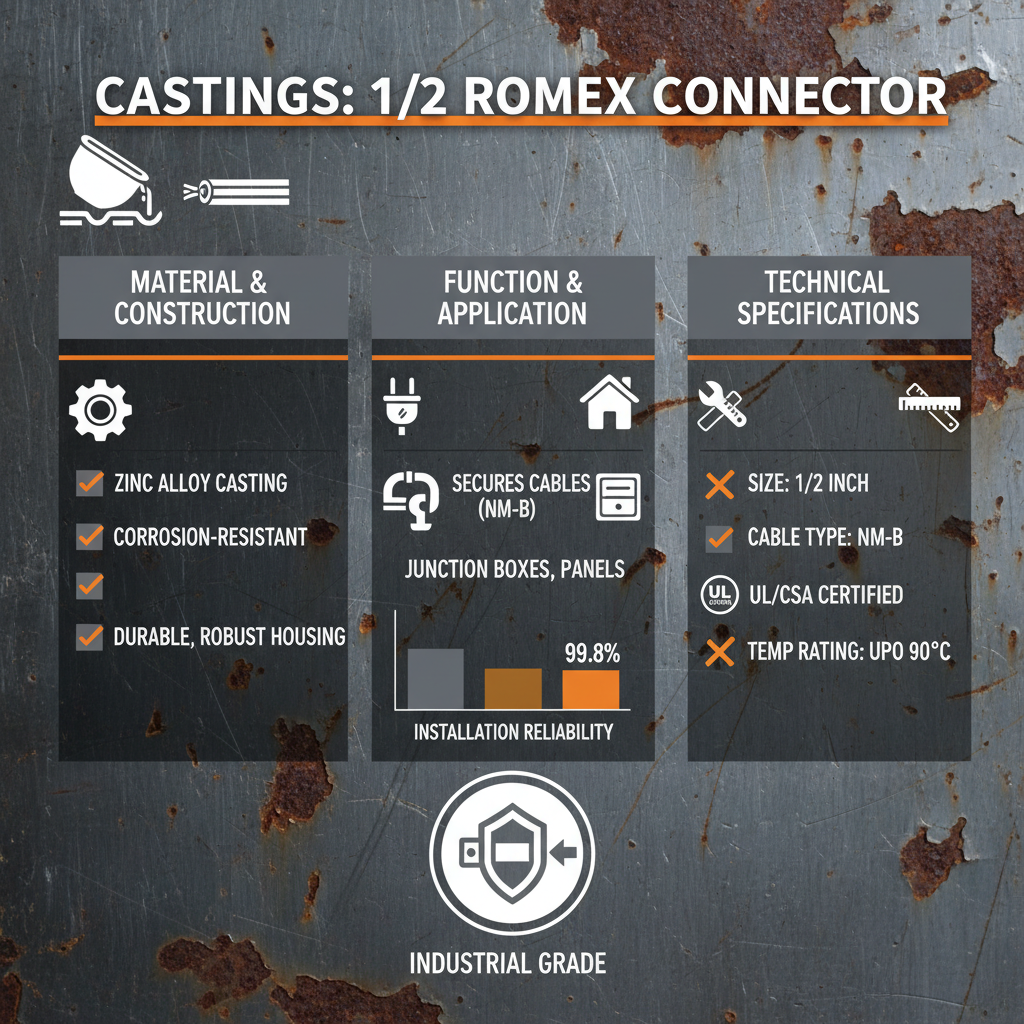
In the context of modern industrial casting, the 1 2 romex connector is more than just a piece of hardware; it is a precision-engineered component. Depending on the material—be it zinc alloy, steel, or high-grade polymers—these connectors are designed to withstand specific torque requirements and environmental pressures, making them essential for both residential wiring and light industrial power distribution.
From a humanitarian and safety perspective, the widespread adoption of the 1 2 romex connector reduces the incidence of residential fires caused by faulty wiring. By providing a standardized method for cable entry, it ensures that even in remote areas or post-disaster reconstruction zones, electrical infrastructure can be deployed quickly without compromising the safety of the inhabitants.
Core Components and Engineering Factors
The durability of a 1 2 romex connector is largely determined by its material composition and the precision of its casting. High-quality zinc die-casting allows for a complex geometry that provides a tighter grip on the cable while maintaining a low profile, which is essential for fitting into crowded electrical panels.
Scalability and versatility are key factors for the 1 2 romex connector. Modern designs often incorporate multi-size compatibility or adjustable clamping mechanisms, allowing a single product line to serve various gauge cables. This reduces inventory costs for large-scale contractors and streamlines the installation process on high-volume job sites.
Cost efficiency in the production of a 1 2 romex connector does not mean sacrificing quality. By optimizing the casting process and utilizing automated quality control, manufacturers can produce components that meet UL (Underwriters Laboratories) standards while remaining affordable for mass-market residential construction.
Performance Metrics in Practical Applications
When evaluating the effectiveness of a 1 2 romex connector, professionals look at pull-out strength, corrosion resistance, and installation time. A connector that requires too many turns to tighten increases labor costs, while one that strips easily creates a safety hazard.
To better understand how different designs perform, we can analyze the rating of various connector types based on industrial field tests. The following data illustrates the efficiency and reliability scores across different manufacturing methods.
Comparative Performance of 1 2 Romex Connector Types
Global Applications and Use Cases
The 1 2 romex connector is utilized in diverse real-world contexts, from high-rise apartment complexes in North America to remote industrial zones in Southeast Asia. In these environments, the connector's ability to maintain a secure grip despite temperature fluctuations is critical. For instance, in cold-climate regions, the contraction of materials can loosen inferior connectors, whereas a precision-cast 1 2 romex connector maintains its tension.
In post-disaster relief operations, modular housing is often deployed to provide immediate shelter. These units rely on rapid-install electrical components. The 1 2 romex connector allows technicians to quickly wire these temporary structures while ensuring that the electrical systems are safe and grounded, providing dignity and security to displaced populations through reliable infrastructure.
Long-term Value and Safety Advantages
Investing in a premium 1 2 romex connector yields tangible long-term benefits, primarily in the form of reduced maintenance costs and enhanced safety. A secure connection prevents the "creep" of cables over time, which means fewer service calls for flickering lights or tripped breakers caused by loose terminations.
Beyond the logical benefits of cost and reliability, there is an emotional angle of trust. Homeowners and business owners gain peace of mind knowing that their hidden electrical infrastructure is secured by components that meet international safety certifications. This trust is the foundation of brand loyalty for electrical contractors.
Furthermore, the sustainability of high-quality metal connectors is superior to disposable plastic alternatives. A robust 1 2 romex connector made from recyclable alloys contributes to a circular economy, reducing the volume of construction waste that ends up in landfills after building renovations.
Future Trends and Material Innovations
The future of the 1 2 romex connector is closely tied to the digital transformation of the construction industry. We are seeing the emergence of "smart" fasteners and the integration of new composite materials that offer the strength of steel with a fraction of the weight. These innovations aim to further reduce installation time while increasing the lifespan of the connection.
Sustainability is also driving a shift toward green energy compatibility. As more homes integrate solar arrays and EV charging stations, the load on residential wiring increases. This necessitates a 1 2 romex connector that can handle higher thermal loads without degrading, leading to the development of advanced heat-dissipating alloys.
Automation in the manufacturing process, specifically through 3D metal printing and precision casting, allows for the creation of custom 1 2 romex connector shapes that fit perfectly into non-standard enclosures. This level of customization ensures that safety is never compromised, regardless of the architectural complexity of the project.
Comparative Analysis of 1 2 Romex Connector Material Innovations
| Material Type |
Tensile Strength |
Corrosion Rating |
Installation Speed |
| Zinc Alloy |
High |
8/10 |
Very Fast |
| Galvanized Steel |
Very High |
7/10 |
Moderate |
| Polymer Composite |
Medium |
10/10 |
Instant |
| Stainless Steel |
Ultra High |
10/10 |
Slow |
| Aluminium Alloy |
Medium |
9/10 |
Fast |
| Hybrid Cast |
High |
9/10 |
Fast |
FAQS
The primary purpose of a 1 2 romex connector is to secure Non-Metallic (NM) sheathed cable to an electrical box. This ensures the cable remains stationary, preventing the outer jacket from rubbing against the box edges and protecting the internal wires from strain or accidental disconnection, which is vital for fire prevention.
Metal connectors, particularly those made from zinc or steel, offer superior grip strength and durability in industrial or high-traffic areas. Plastic connectors are often sufficient for lightweight residential applications and offer better corrosion resistance in extremely humid environments. Always check your local building codes for the required material.
While some high-quality metal connectors can be loosened and reused, it is generally recommended to use new connectors for every installation. Over time, the gripping mechanism or the threads can wear down, and a new connector ensures the maximum safety rating and a tighter seal according to NEC standards.
Over-tightening can crush the cable's outer jacket and potentially damage the insulation of the internal conductors. This creates a risk of short circuits or electrical fires. It is important to tighten the connector until it is firm and the cable does not move, but without applying excessive force that compromises the cable's integrity.
Most 1 2 romex connectors are designed to fit standard knockout holes in metal or plastic electrical boxes. However, you should always verify the diameter of the knockout hole. Some specialized heavy-duty boxes may require specific connector types or locking nuts to ensure a secure fit.
Precision casting eliminates air bubbles (voids) and ensures consistent wall thickness. In a 1 2 romex connector, this means the threads are smoother and the clamping force is distributed evenly across the cable. Poorly cast connectors are prone to cracking under pressure or stripping during installation.
Conclusion
The 1 2 romex connector may seem like a small component, but it plays a pivotal role in the safety and longevity of global electrical infrastructure. From its engineering roots in the metal casting industry to its critical application in residential wiring, this connector ensures that power is delivered safely and reliably. By focusing on material quality, adhering to international standards, and embracing innovations in metallurgy, we can significantly reduce electrical hazards worldwide.
Looking forward, the integration of sustainable materials and smarter manufacturing processes will continue to evolve the 1 2 romex connector. For contractors and engineers, prioritizing high-performance components is not just about meeting codes—it is about building a safer, more resilient future for the built environment. To explore our range of precision-engineered electrical accessories, visit our website: www.ydcastings.com.