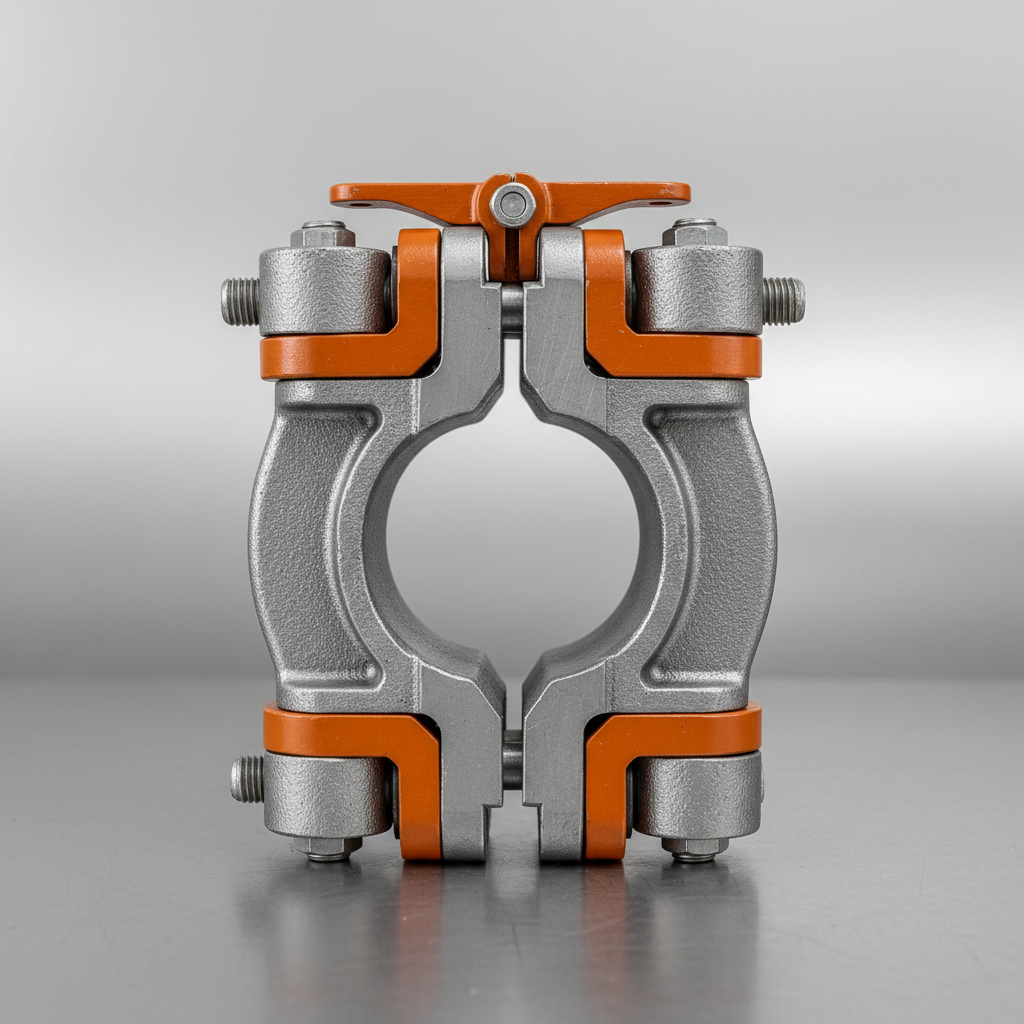
In the complex world of industrial assembly and power distribution, the clamp connector serves as a fundamental component that ensures structural integrity and electrical conductivity. These specialized fastening devices are engineered to create secure, high-pressure bonds between conductors or pipes without the need for permanent welding or soldering, making them indispensable in fast-paced manufacturing environments.
The global demand for high-performance clamp connector solutions has surged as industries shift toward modular designs and rapid-deployment infrastructure. From automotive fuel systems to massive electric power grids, the ability to establish a reliable connection that can withstand vibration, thermal expansion, and corrosive elements is critical for operational safety and longevity.
Understanding the nuances of material science and mechanical engineering behind the clamp connector allows engineers to optimize system efficiency and reduce downtime. By selecting the right clamping mechanism, businesses can significantly lower maintenance costs while adhering to stringent international safety standards, ensuring a seamless flow of energy or fluids across their infrastructure.
Global Relevance of Clamp Connector Systems
On a global scale, the reliability of power and fluid transmission depends heavily on the quality of the clamp connector. According to ISO standards for mechanical fasteners, the failure of a single connection point in a high-pressure system can lead to catastrophic operational shutdowns. In emerging economies, where infrastructure is being built at an unprecedented pace, the adoption of standardized clamping solutions has reduced installation times by nearly 30% compared to traditional welding methods.
The challenge facing modern industry is the balance between rapid installation and long-term stability. Environmental stressors—such as extreme temperature fluctuations in Arctic regions or high salinity in coastal industrial zones—demand a clamp connector that doesn't just hold, but actively resists degradation. This global necessity has pushed the casting and machining industry to innovate new alloys that provide superior grip and corrosion resistance.
Technical Definition and Industrial Meaning
In simple technical terms, a clamp connector is a mechanical device designed to join two or more components—typically pipes, cables, or rods—by applying a controlled radial force. Unlike permanent joints, these connectors allow for the assembly and disassembly of systems without damaging the primary materials, providing a level of flexibility that is essential for modern maintenance cycles.
Beyond the basic definition, the industrial meaning of the clamp connector relates to the concept of "modular reliability." In the context of humanitarian aid or disaster recovery, for example, the ability to quickly deploy water pipelines or electrical grids using standardized clamps can be the difference between success and failure. It transforms a rigid infrastructure into a dynamic system.
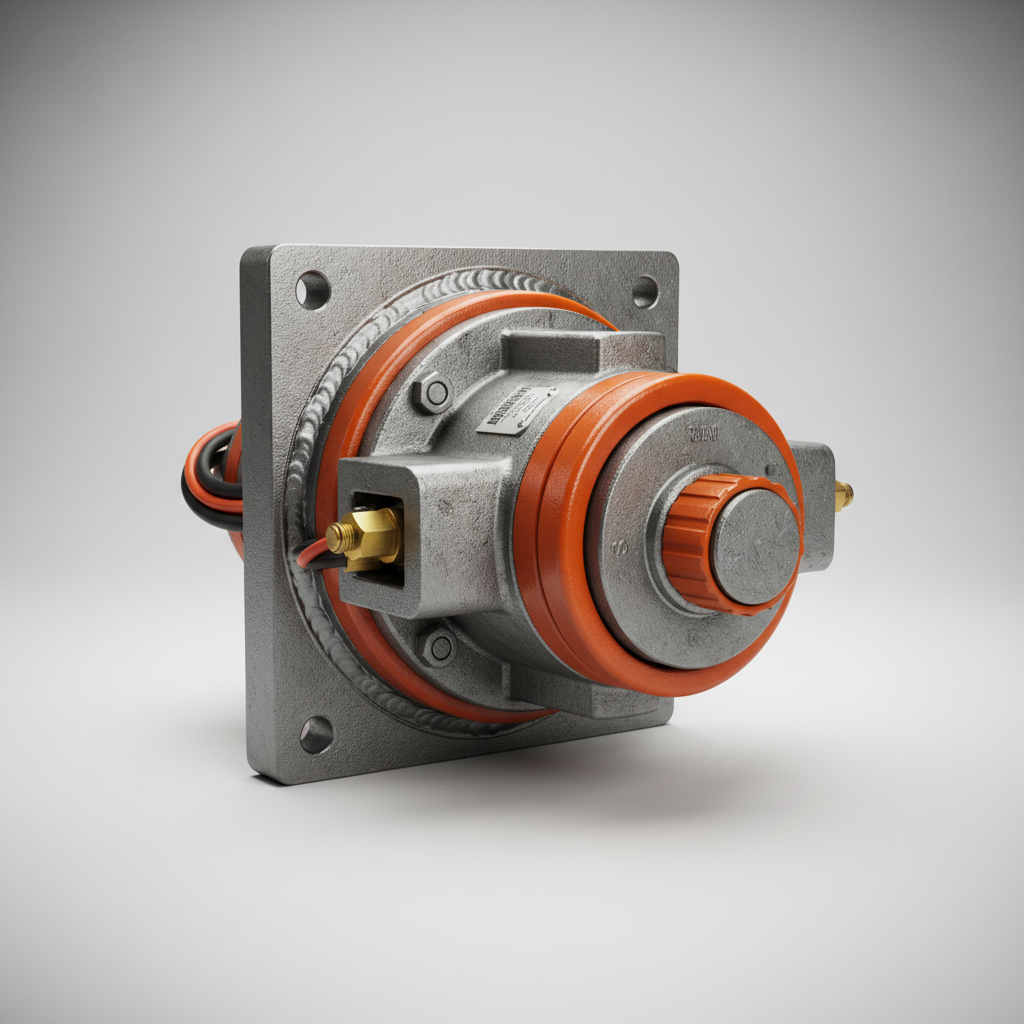
Modern casting techniques have evolved the clamp connector from a simple metal band into a precision-engineered component. By integrating advanced metallurgy, these connectors now ensure leak-proof seals in valve parts and high-conductivity paths in electric power accessories, bridging the gap between raw industrial strength and delicate precision.
Core Components for Maximum Durability
The first pillar of a high-quality clamp connector is material integrity. Utilizing high-grade stainless steel or specialized aluminum alloys ensures that the component can withstand tensile stress without deformation. This is particularly critical for pump parts where constant vibration could lead to fatigue failure if the material is not properly tempered.
Precision geometry is the second essential factor. A clamp connector must have a perfectly calibrated inner diameter and a consistent clamping surface to distribute pressure evenly. If the pressure is concentrated on a single point, it creates a stress riser that can lead to cracking in the connected pipe or conduit, compromising the entire system.
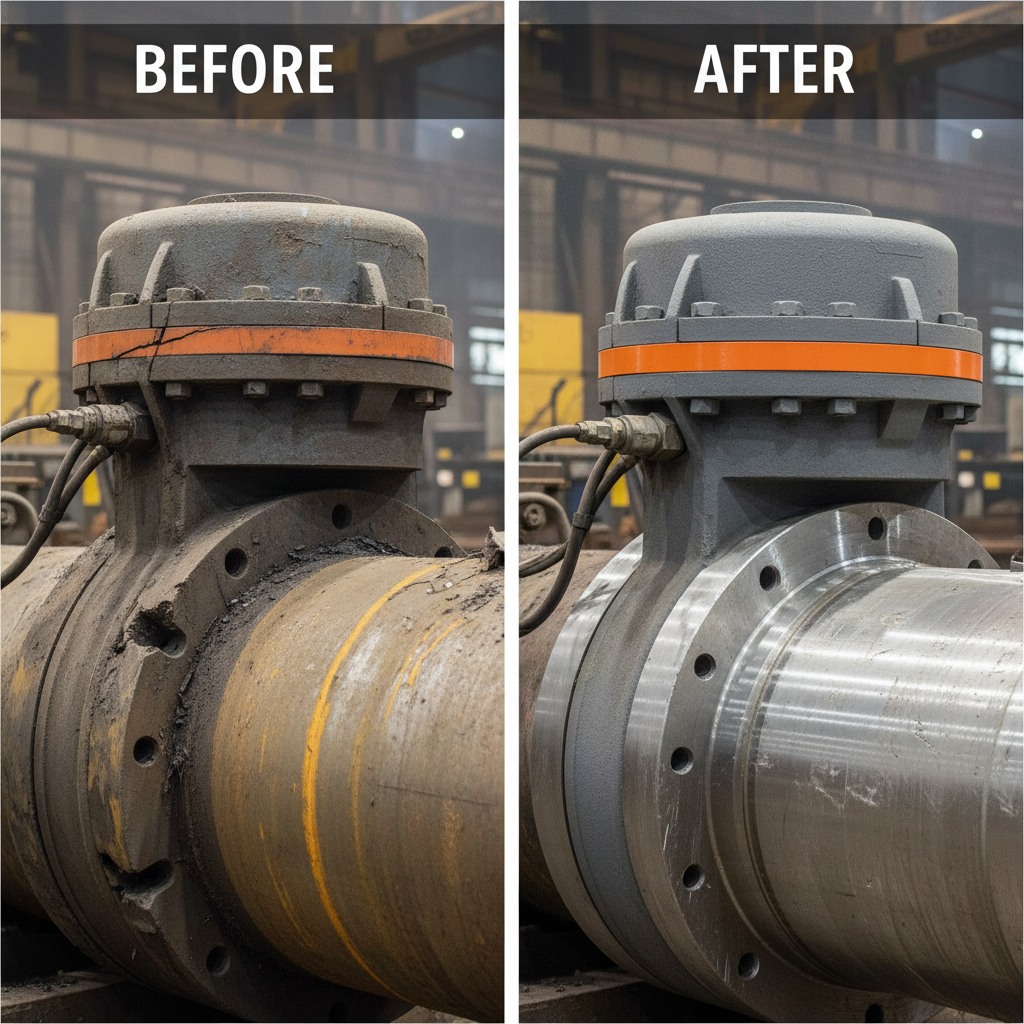
Finally, the integration of protective coatings—such as galvanization or powder coating—extends the lifecycle of the clamp connector. In corrosive environments, such as chemical processing plants or marine applications, these coatings prevent oxidation and ensure that the connector remains easy to operate even after years of exposure to harsh elements.
Performance Metrics and Efficiency Factors
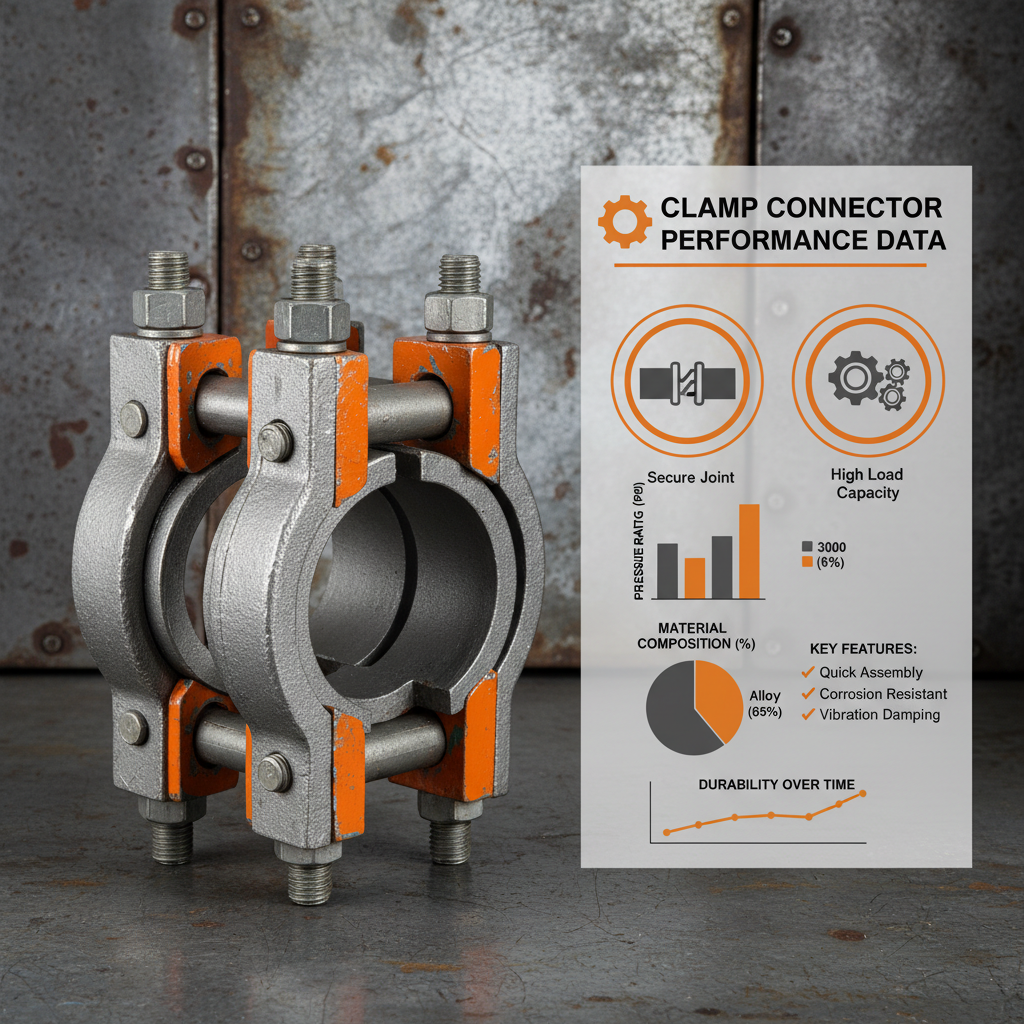
When evaluating the efficiency of a clamp connector, engineers look at the ratio of torque applied to the actual clamping force generated. A high-efficiency connector achieves a secure seal with minimal effort, reducing the risk of over-tightening, which can strip threads or crush the tubing. This precision is what separates industrial-grade components from consumer-grade fasteners.
Furthermore, the scalability of these connectors allows them to be used across various product categories, from small-scale auto parts to massive electric power accessories. The ability to maintain consistent performance across different sizes ensures that a facility can standardize its inventory, simplifying the supply chain and reducing the cost of spare parts management.
Comparative Performance of Clamp Connector Types
Global Applications Across Key Industries
In the automotive sector, the clamp connector is vital for securing fuel lines and cooling hoses. Given the constant vibration of an internal combustion engine, these connectors must maintain a leak-proof seal under extreme thermal cycling. Any failure here is not just a maintenance issue but a critical safety hazard, making high-precision casting a necessity for auto parts manufacturers.
Conversely, in the electric power industry, these components are used to secure heavy-gauge cabling to supports and transformers. In remote industrial zones or during post-disaster relief operations, the speed at which a clamp connector can be deployed allows for the rapid restoration of power, proving that these simple mechanical devices are the backbone of global infrastructure resilience.
Long-Term Value and Reliability Benefits
The long-term value of investing in a premium clamp connector manifests in the drastic reduction of "unplanned downtime." While cheaper alternatives may seem attractive initially, the cost of a single leak or electrical arc caused by a loose connection far outweighs the initial savings. Reliability creates a psychological sense of trust for operators and engineers, knowing that the system is secure.
From a sustainability perspective, high-quality clamps promote a circular economy. Because they are designed for disassembly and reuse, they reduce the amount of scrap metal generated during system upgrades. A durable clamp connector doesn't need to be replaced every few months, which lowers the total carbon footprint of the industrial installation.
Moreover, the logical advantage lies in the standardization of safety. When a company uses a certified clamp connector, they are adhering to a predictable set of failure modes and load limits. This allows for more accurate predictive maintenance scheduling, moving the industry away from reactive "fix-it-when-it-breaks" mentalities toward a proactive, data-driven approach.
Future Trends in Clamp Connector Innovation
As we move toward Industry 4.0, the clamp connector is undergoing a digital transformation. We are seeing the emergence of "smart clamps" embedded with sensors that can monitor tension and leakages in real-time. These IoT-enabled connectors can alert maintenance crews via a cloud platform before a failure occurs, effectively eliminating the risk of catastrophic bursts in pump or valve parts.
Material science is also shifting toward green energy. New biocompatible and ultra-lightweight alloys are being developed to reduce the weight of electric vehicles (EVs) while maintaining the clamping force required for high-voltage battery cooling systems. The future clamp connector will likely be a blend of additive manufacturing (3D printing) and traditional casting to create complex, optimized geometries that use less material but provide more strength.
Finally, automation in assembly is driving a demand for "quick-lock" mechanisms. Future designs will likely move away from traditional bolts toward snap-fit, high-strength locking systems that can be operated by robotic arms. This will further accelerate the pace of manufacturing in the OEM sector, making the clamp connector a key enabler of fully automated factories.
Analysis of Clamp Connector Material and Performance Trends
| Material Type |
Corrosion Resistance |
Tensile Strength |
Installation Speed |
| 304 Stainless Steel |
High |
8/10 |
Moderate |
| Galvanized Carbon Steel |
Medium |
9/10 |
Fast |
| Aircraft Grade Aluminum |
Medium-High |
6/10 |
Very Fast |
| Titanium Alloy |
Extreme |
10/10 |
Slow |
| Reinforced Polymer |
High |
4/10 |
Instant |
| Nickel-Alloy Casting |
Extreme |
9/10 |
Moderate |
FAQS
Professional industrial clamp connector units are engineered with precise tolerances and high-grade materials like 316 stainless steel, whereas standard clamps often use thin, stamped metals. The key difference lies in the distribution of pressure; industrial connectors use a wider contact surface to prevent the "cutting" of the hose or pipe, ensuring a leak-proof seal under significantly higher pressure levels.
For highly corrosive environments, such as saltwater exposure or chemical processing, stainless steel or nickel-alloys are recommended. If weight is a primary concern but corrosion resistance is still needed, anodized aluminum is a viable option. Always check the pH level of the surrounding environment to ensure the material of the clamp connector is chemically compatible with the medium it is transporting.
Yes, high-quality clamp connector designs are specifically built for reusability. However, the number of cycles depends on the material. Stainless steel connectors maintain their elasticity much longer than carbon steel. To ensure longevity, avoid over-torquing the bolts beyond the manufacturer's specifications, as this can lead to permanent plastic deformation of the clamp band.
In electric power applications, a loose connection creates high electrical resistance, which leads to localized heating and potential fire hazards. A precision clamp connector ensures a constant, high-pressure contact between the conductor and the terminal, minimizing resistance and preventing "arcing," which is critical for maintaining grid stability and worker safety.
Absolutely. Many modern clamp connector designs now feature hexagonal heads or quick-release levers that are compatible with robotic end-effectors. By standardizing the torque requirements and the physical interface, manufacturers can automate the clamping process, ensuring 100% consistency in tension across thousands of units, which is impossible with manual labor.
The most common signs include visible surface oxidation (rust), a loss of tension when the bolt is turned, or "weeping" (slow leaks) at the joint. In high-vibration environments, look for hairline fractures in the casting or stripping of the threads. Regularly inspecting your clamp connector during scheduled maintenance can prevent unplanned system failures.
Conclusion
In summary, the clamp connector is far more than a simple fastener; it is a precision tool that ensures the safety, efficiency, and sustainability of global industrial systems. From the meticulous selection of alloys to the integration of smart monitoring technologies, the evolution of clamping solutions reflects the broader trend toward modularity and reliability in manufacturing. By focusing on material integrity and geometric precision, industries can secure their infrastructure against the most demanding environmental challenges.
Looking forward, the synergy between traditional casting expertise and digital innovation will continue to redefine how we connect the world's machinery. We encourage engineers and procurement managers to prioritize quality over initial cost, recognizing that a superior clamp connector is an investment in long-term operational stability. To explore our range of high-precision casting solutions and find the perfect connector for your application, visit our website: www.ydcastings.com.