Look, I’ve spent the last fifteen years on construction sites, getting my hands dirty, and I can tell you, getting power and data where you need it is always a headache. It’s rarely the glamorous part of a project, but it’s absolutely critical. That's where a good bulkhead connector comes in. It's not just about plugging things in; it’s about reliability, safety, and keeping the job moving. We're talking about everything from temporary power for welders to data connections for monitoring equipment, and increasingly, complex systems for pre-fabricated modules.
Honestly, for years, we were making do with what we had – often cobbled-together solutions that weren’t ideal. You see a lot of exposed connections, weatherproofing that doesn’t quite cut it, and a whole lot of duct tape. But the demands are getting higher. Projects are more complex, timelines are tighter, and the need for robust, secure connections is paramount. A quality bulkhead connector is the difference between a smooth operation and a costly delay.
And it's not just about convenience. The safety implications are huge. Poor connections can lead to shorts, fires, or equipment failures, putting workers at risk. A reliable system minimizes those risks and ensures everyone goes home safe at the end of the day. That's what keeps me up at night – making sure everything is built to last and, more importantly, built safely.
The Importance of Bulkhead Connectors in Modern Construction
We're seeing a huge shift towards modular construction and pre-fabrication these days. It speeds things up, reduces waste, and improves quality control. But it also means you’re shipping finished modules that need to connect seamlessly on-site. A reliable bulkhead connector is critical for making those connections quickly and safely. It's not just about power; it’s about data, controls, everything.
Look, the ISO standards for construction are getting stricter, and for good reason. We need to be able to guarantee the performance and longevity of these systems. Choosing the right bulkhead connector isn’t just about meeting those standards; it’s about protecting your reputation and avoiding costly rework down the line.
Defining the Bulkhead Connector: More Than Just a Plug
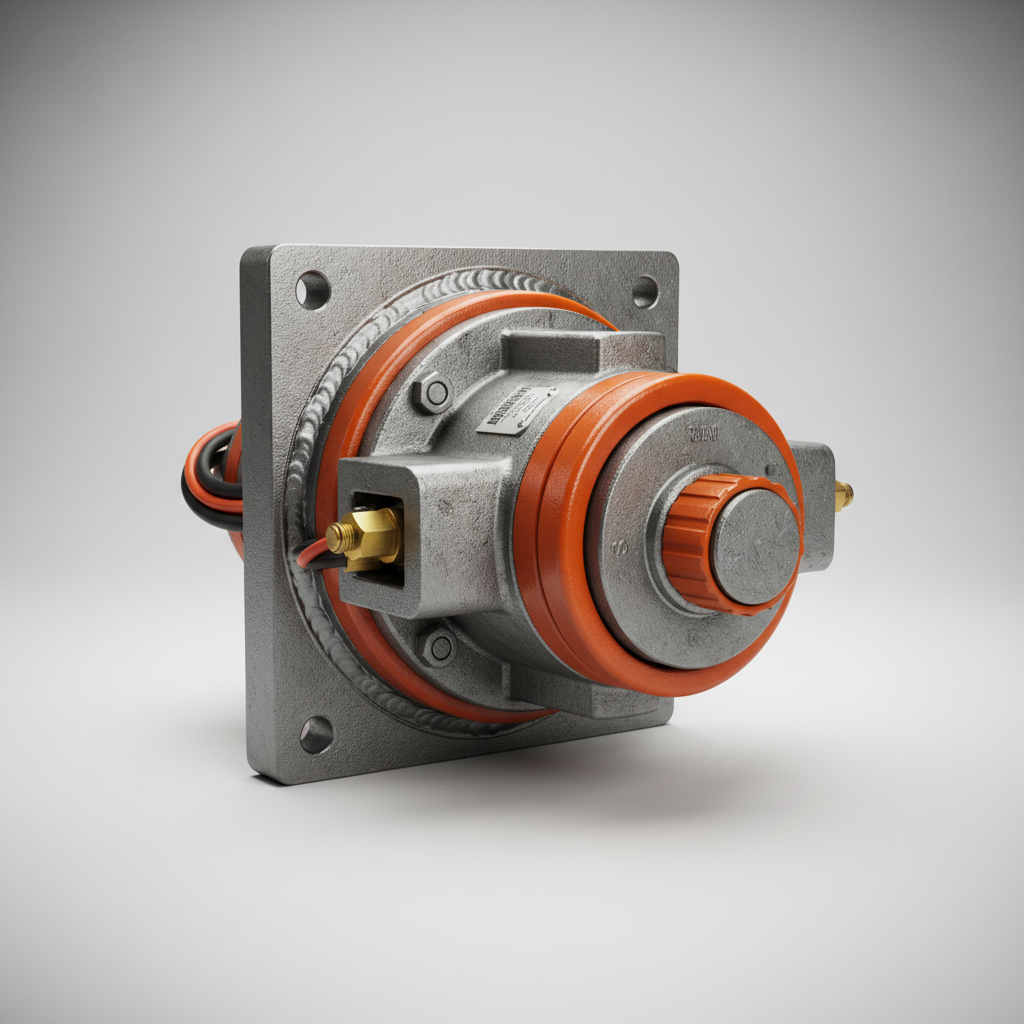
Essentially, a bulkhead connector is a sealed connector that allows you to pass electrical or data cables through a barrier – a wall, a panel, an enclosure. It’s designed to maintain a watertight and airtight seal, protecting the connection from the elements and preventing damage. Think of it as the bridge between the inside and the outside, ensuring a continuous flow of power and information.
It's a vital component in numerous industries, beyond just construction. Marine applications, automotive, industrial automation – anywhere you need to protect a connection from harsh environments, you’ll find a bulkhead connector. But on the job site, we treat it as a critical part of the building’s infrastructure.
Modern building designs demand integration of smart systems. These systems relay information through various cables, and the bulkhead connector is the essential link ensuring reliable communication and control throughout the entire structure.
Key Factors: What Makes a Good Bulkhead Connector?
Durability is paramount. These connectors take a beating on a construction site. They need to withstand impacts, vibrations, temperature fluctuations, and exposure to dust, dirt, and moisture. I’ve seen connectors literally crushed under heavy equipment, so you need something that can take a serious beating.
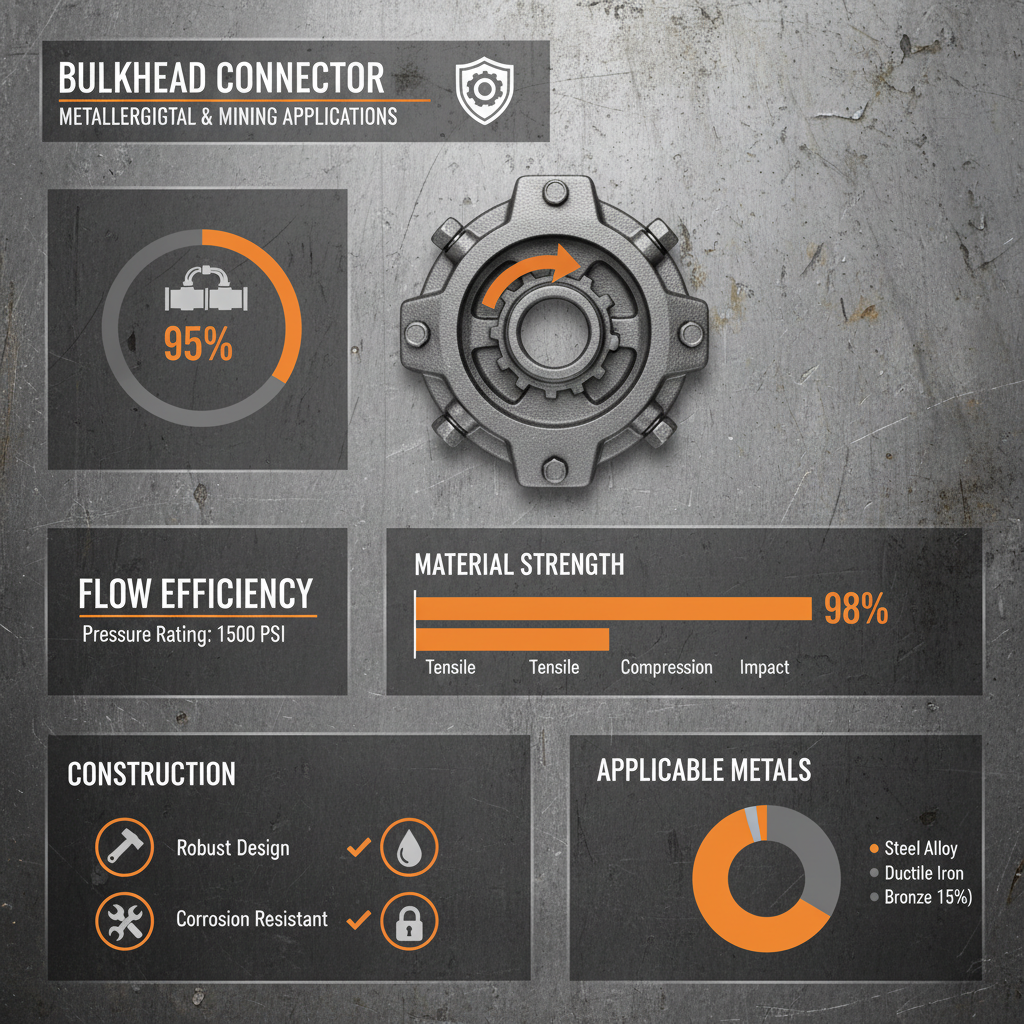
Sealing is equally important. A compromised seal can lead to corrosion, short circuits, and equipment failures. Look for connectors with robust sealing mechanisms and certifications to verify their watertight and airtight capabilities. IP67 or IP68 ratings are what I look for, personally.
Ease of installation is a big one. We're working on tight deadlines, and we don’t have time to fiddle with complicated connectors. Connectors that are quick and easy to install, with clear instructions and minimal tooling requirements, are a lifesaver. Also, the material of the connector – stainless steel, for example – is a huge factor in long-term corrosion resistance.
Global Applications and Real-World Use Cases
You see these everywhere, honestly. In post-disaster relief operations, quickly deploying temporary medical facilities or communication networks, reliable bulkhead connectors are crucial. They need something that's rugged and can be set up fast in challenging environments.
In remote industrial zones – think oil rigs, mining operations, or wind farms – where the environment is harsh and maintenance access is limited, durable bulkhead connectors ensure continuous operation of critical equipment. Downtime in those locations is incredibly expensive.
And, as I mentioned earlier, pre-fabricated construction relies heavily on them. The ability to quickly and securely connect modules on-site, ensuring a watertight and airtight seal, is essential for maintaining the integrity of the building and meeting project deadlines. We’re seeing more and more of this happening globally.
Connector Performance by Application
Advantages and Long-Term Value Proposition
The biggest advantage, hands down, is reduced downtime. A reliable bulkhead connector minimizes the risk of failures, preventing costly delays and keeping projects on schedule. Time is money, as they say.
From a sustainability standpoint, choosing durable, high-quality connectors reduces the need for frequent replacements, minimizing waste and lowering the overall environmental impact. It’s a small thing, but it adds up over the lifespan of a project.
Future Trends and Innovations in Connector Technology
We’re starting to see more integration of smart connectors with built-in sensors that can monitor performance and detect potential problems before they lead to failures. That kind of predictive maintenance is a game-changer.
Also, the demand for smaller, more compact connectors is growing, driven by the trend towards miniaturization of electronic devices. And, of course, there’s a push towards more sustainable materials and manufacturing processes.
With the increasing reliance on renewable energy sources, and the expansion of electric vehicle infrastructure, the need for robust and reliable connectors will only continue to grow.
Challenges and Solutions: Addressing Common Issues
One of the biggest challenges is ensuring proper installation. Even the best bulkhead connector will fail if it’s not installed correctly. That’s why training and certification are so important.
Another issue is compatibility. There are so many different connector types and standards, it can be difficult to find the right one for a specific application. Working with a knowledgeable supplier who can provide guidance and support is crucial.
And finally, corrosion is always a concern, especially in harsh environments. Choosing connectors made from corrosion-resistant materials and applying appropriate protective coatings can help mitigate this risk.
Summary of Common Bulkhead Connector Challenges and Solutions
| Challenge |
Impact on Project |
Mitigation Strategy |
Cost of Solution (1-10) |
| Improper Installation |
Connection Failure, Downtime |
Certified Training, Clear Instructions |
3 |
| Incompatibility |
System Integration Issues |
Expert Consultation, Standardized Components |
5 |
| Corrosion |
Reduced Lifespan, Performance Degradation |
Corrosion-Resistant Materials, Protective Coatings |
6 |
| Environmental Exposure |
Seal Compromise, Internal Damage |
IP67/IP68 Rated Connectors |
7 |
| Vibration/Impact |
Loose Connections, Physical Damage |
Ruggedized Connector Design, Vibration Dampeners |
4 |
| Temperature Fluctuations |
Material Expansion/Contraction, Seal Failure |
Wide Temperature Range Materials, Thermal Management |
5 |
FAQS
For outdoor applications, especially where the connector will be exposed to rain, dust, or submersion, I recommend looking for an IP67 or IP68 rating. IP67 means the connector is dust-tight and can withstand temporary immersion in water. IP68 offers even better protection, allowing for prolonged submersion. Don't skimp on this - water damage is a nightmare to troubleshoot.
Proper sealing starts with selecting a connector with a robust sealing mechanism. Make sure the O-rings or gaskets are properly seated and undamaged. Apply a small amount of dielectric grease to the O-rings before assembly to help create a watertight seal and prevent corrosion. Follow the manufacturer's torque specifications when tightening the connector to avoid over or under-tightening.
In corrosive environments like coastal areas or industrial facilities, stainless steel or marine-grade aluminum connectors are the best choice. These materials are highly resistant to corrosion and will provide a longer service life than other materials. Avoid using connectors made from materials that are prone to rust or corrosion, as they will quickly degrade and fail.
The tools required will depend on the specific connector type, but generally, you’ll need a wrench or socket set for tightening the connector, a cable stripping tool, and potentially a crimping tool for attaching the cable. Always refer to the manufacturer's instructions for specific tool requirements. Using the wrong tools can damage the connector or create a poor connection.
The difference is the orientation of the connector body. Straight connectors extend directly through the panel, while right-angle connectors bend 90 degrees. Right-angle connectors are useful when space is limited or when you need to route cables in a specific direction. The choice depends on your application’s physical constraints.
Beyond proper installation and material selection, regular inspection is key. Periodically check for signs of corrosion, damage, or loose connections. Re-torque the connector if necessary and replace any damaged components. Preventative maintenance can significantly extend the lifespan of your connectors and prevent costly downtime.
Conclusion
In the end, a bulkhead connector isn't just a component; it's a critical link in the chain of a successful project. Choosing the right connector, installing it properly, and maintaining it diligently can save you time, money, and headaches down the road. It's about ensuring reliability, safety, and long-term performance.
Don't underestimate the importance of this seemingly small part. Investing in quality bulkhead connectors and prioritizing proper installation practices will pay dividends in the long run. And if you’re ever unsure, don’t hesitate to reach out to a knowledgeable supplier for guidance. Visit our website: www.ydcastings.com for a complete selection and expert support.