English

English
Mobile:+86-311-808-126-83
Email:info@ydcastings.com
English
Look, I’ve spent the last fifteen years breathing concrete dust and arguing with subcontractors. When it comes to keeping things sealed – really sealed – you need a reliable cap plug. It’s not glamorous, but it’s the difference between a project that runs smoothly and one that’s bleeding money from day one. We’re talking about preventing contamination, maintaining pressure, and just plain old keeping water and debris out of critical lines. I've seen too many jobs delayed, and too much rework needed, because someone skimped on something as simple as a decent cap.
What gets me is how often people underestimate the importance of proper sealing. They think, “Oh, it’s just a temporary plug,” or “It’ll be fine for a few hours.” But those few hours can turn into a whole heap of trouble. Corrosion starts, systems get compromised, and suddenly you're facing far bigger problems than a cheap cap plug would have prevented. I've been on sites where entire batches of pipework had to be replaced because of poor initial sealing, and it's a nightmare to deal with.
The whole point of modern construction is efficiency and minimizing downtime. A good cap plug plays a huge role in that. It's not about saving a few bucks upfront; it's about protecting your investment and ensuring long-term integrity. That's what I tell every foreman I work with, and that's why I'm always pushing for quality components, even on the seemingly small stuff.
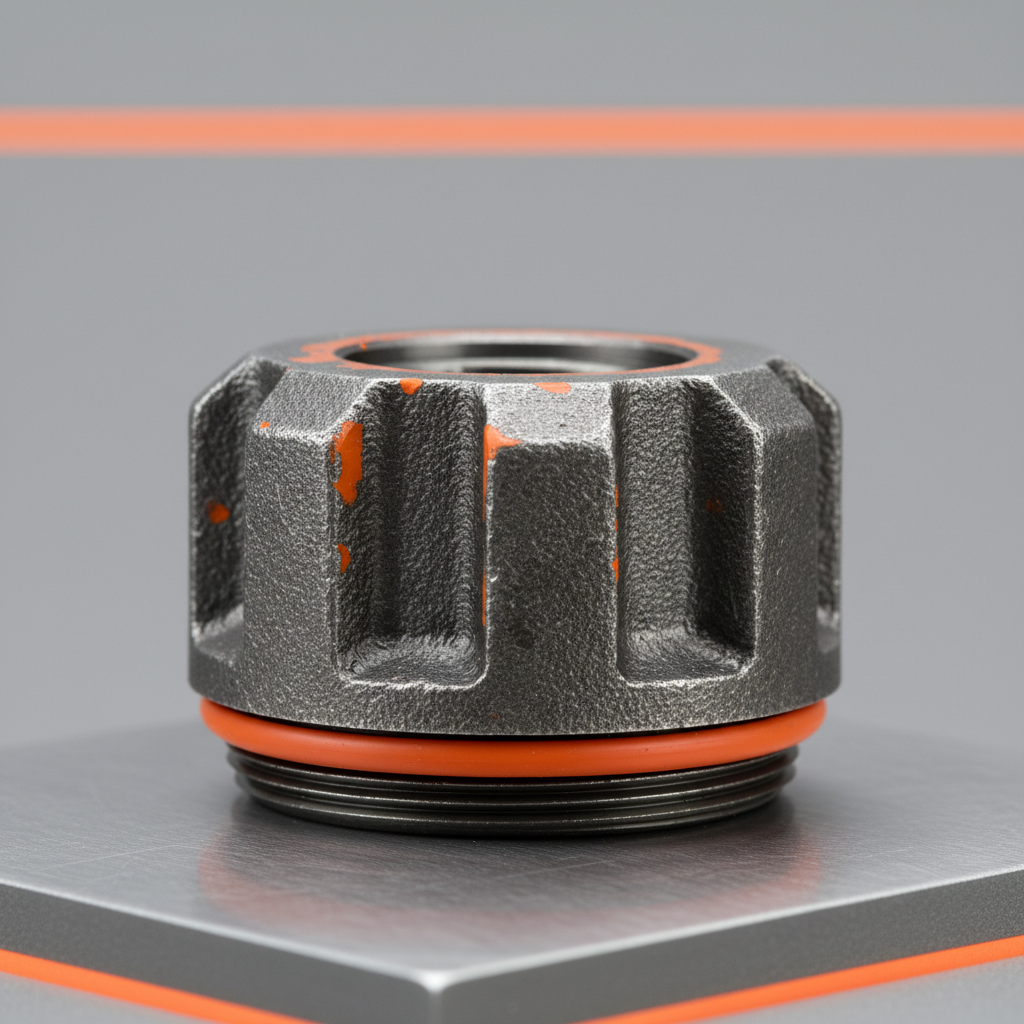
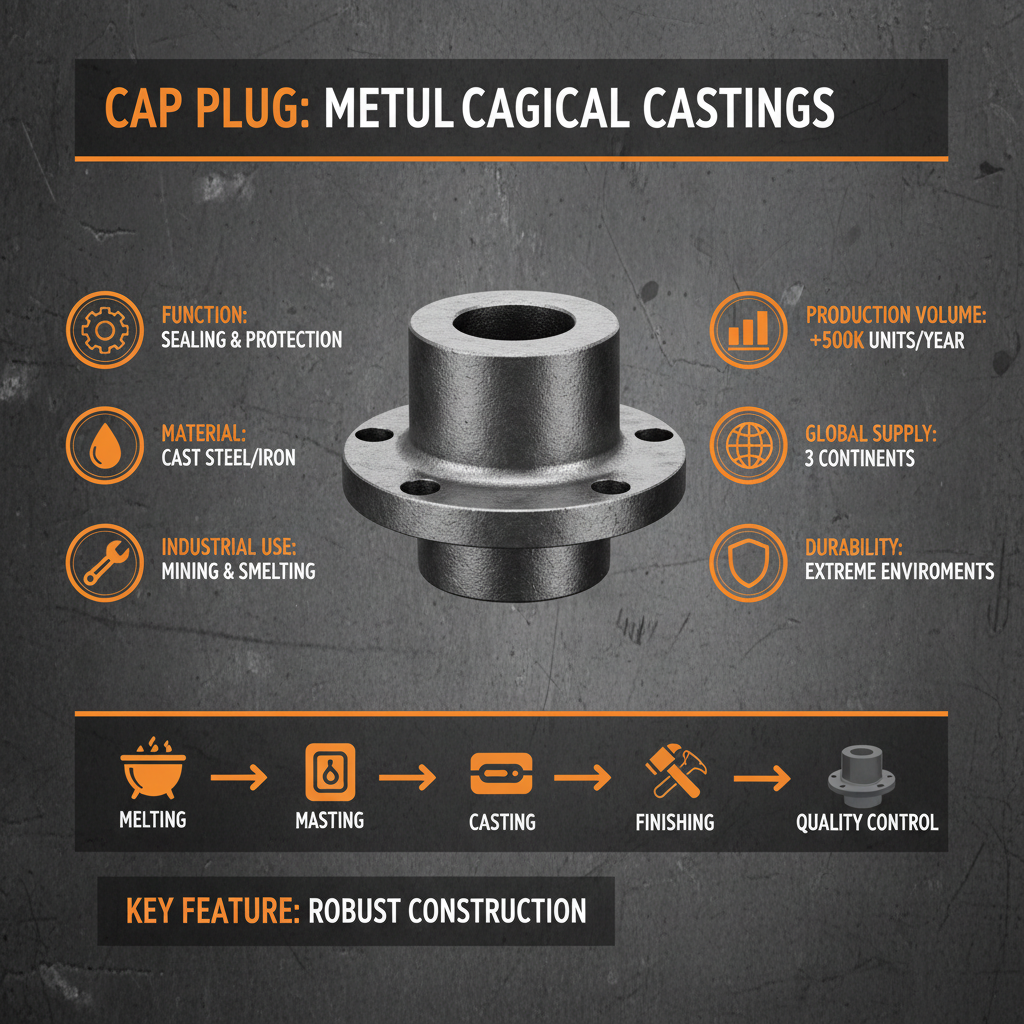
Let's be blunt: a cap plug isn't about showboating. It’s about preventing failure. Whether it's protecting threads during transport, isolating sections during maintenance, or preventing contamination in a hydraulic system, the simple act of capping a port or line is absolutely critical. I've seen projects grind to a halt because someone used the wrong type of cap, or worse, just left things open to the elements.
The real cost of a cheap cap isn’t the few dollars you save initially; it’s the hours of downtime, the potential for costly repairs, and the damage to your reputation. A failed seal can lead to corrosion, pressure loss, or complete system failure, and those are headaches no one wants to deal with.
Typically, you'll see high-density polyethylene (HDPE), polypropylene (PP), and various metals like aluminum and stainless steel. The choice depends on the application. Chemical resistance, temperature requirements, and pressure ratings are key factors. For high-pressure applications or corrosive environments, stainless steel is often the best bet, but HDPE is more cost-effective for general use. You’ve got to know your environment.
Measuring the inner diameter of the pipe or fitting is crucial. Don't just guess! Too small, and you'll damage the threads or the cap itself. Too large, and you won't get a proper seal. Manufacturers usually provide detailed sizing charts, and it’s always best to err on the side of slightly larger and use a gasket or sealant to achieve a tight fit.
That varies widely depending on the quality of the plastic, the exposure to UV light, and the temperature. A high-quality HDPE cap, stored properly, can last for years. But prolonged exposure to sunlight and extreme temperatures will degrade the plastic, making it brittle and prone to cracking. Regular inspection is key.
Absolutely. These are typically made from metal – often stainless steel – and feature reinforced threads and a robust sealing mechanism. They’ll be clearly labeled with a maximum pressure rating, and it’s critical not to exceed that rating. Using a standard plastic cap in a high-pressure situation is a recipe for disaster.
Keep them clean, dry, and out of direct sunlight. Store them in a cool, dry place, away from chemicals and solvents. If you're storing a large quantity, consider using a sealed container to protect them from dust and contamination. A little bit of preventative care goes a long way.
Always wear appropriate personal protective equipment (PPE), including gloves and eye protection. Ensure that the system is completely depressurized before installing or removing a cap. Never use excessive force, as this can damage the threads or the cap itself. And, as always, follow the manufacturer's instructions.
At the end of the day, a cap plug is a seemingly small component that plays a huge role in maintaining the integrity and efficiency of countless systems. From preventing contamination to ensuring safety and reducing downtime, the benefits are undeniable. It’s a piece of kit you don't want to skimp on.
The future of cap plugs will be driven by innovation in materials, design, and smart technologies. By embracing these advancements and prioritizing quality, we can ensure that these simple yet essential components continue to protect our infrastructure and keep things running smoothly. If you're looking for reliable sealing solutions, check out www.ydcastings.com.