Impeller pump centrifugal devices are fundamental to numerous industrial processes, acting as the heart of fluid transfer systems. Their ability to efficiently convert rotational energy into hydrodynamic energy makes them indispensable in applications ranging from water management and chemical processing to oil & gas and power generation. Understanding the nuances of impeller pump centrifugal technology is crucial for optimizing performance, ensuring reliability, and reducing operational costs in these diverse sectors.
Globally, the demand for efficient and robust fluid handling solutions is escalating, driven by population growth, industrial expansion, and increasing environmental concerns. This necessitates continuous innovation in impeller pump centrifugal designs to address challenges like energy efficiency, corrosion resistance, and compatibility with various fluids. The market is witnessing a shift towards customized solutions tailored to specific application requirements, creating opportunities for specialized manufacturers.
The significance of impeller pump centrifugal technology extends beyond industrial applications. They play a vital role in municipal water supply, wastewater treatment, and irrigation systems, contributing directly to public health and agricultural productivity. Furthermore, advancements in materials science and manufacturing processes are enabling the development of smaller, lighter, and more powerful impeller pump centrifugal units, opening up possibilities for new applications in emerging fields like renewable energy and medical devices.
The Core Principles of Impeller Pump Centrifugal
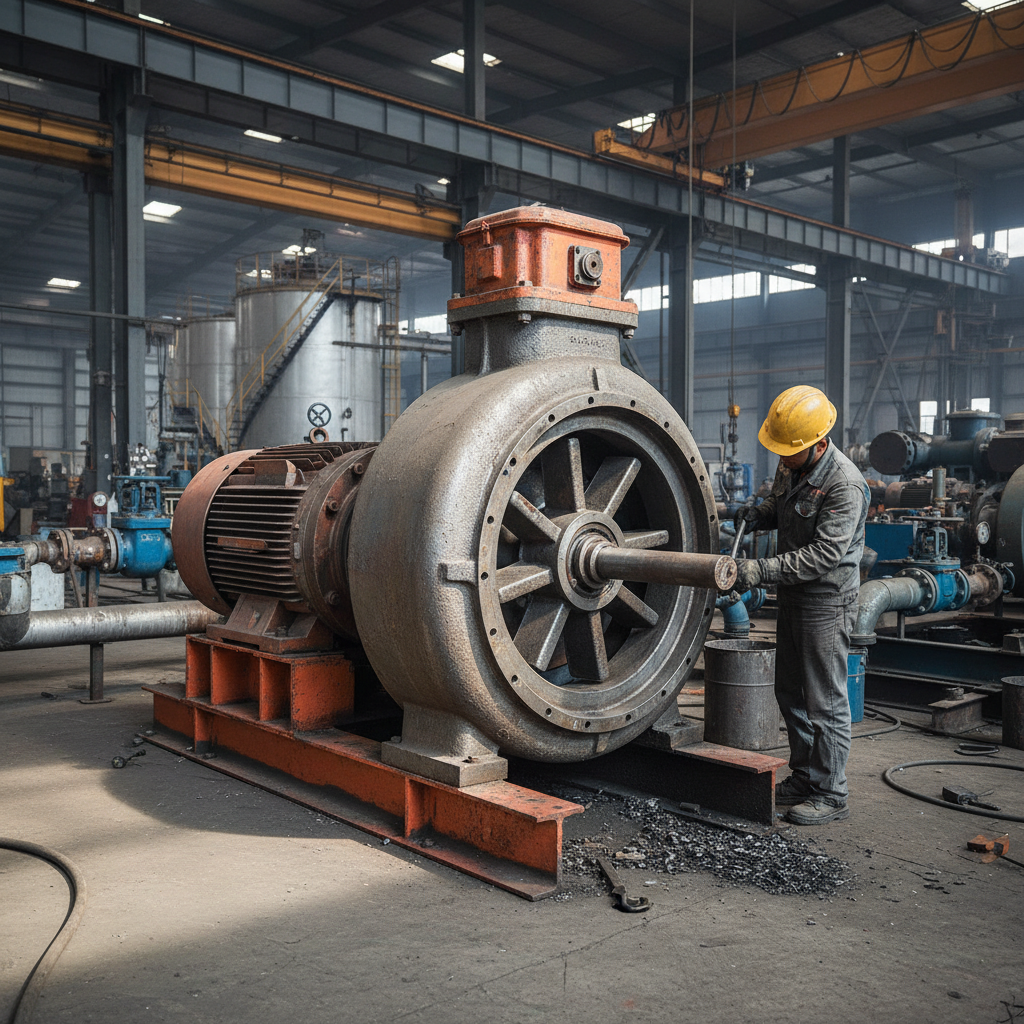
At its core, the operation of an impeller pump centrifugal relies on the principles of fluid dynamics and energy transfer. The impeller, a rotating component with curved vanes, imparts kinetic energy to the fluid. As the fluid moves outward from the impeller's center, this kinetic energy is converted into pressure energy, resulting in a pressure differential that drives the fluid through the system. Understanding these foundational principles is key to optimizing impeller pump centrifugal performance.
The efficiency of an impeller pump centrifugal is directly linked to the design of the impeller vanes, the casing geometry, and the operating speed. Careful consideration of these factors allows engineers to minimize energy losses due to friction and turbulence, maximizing the pump's overall efficiency. Proper selection of impeller materials is also vital to ensure durability and resistance to corrosion or erosion depending on the fluid being pumped.
Understanding Impeller Pump Centrifugal Design & Components
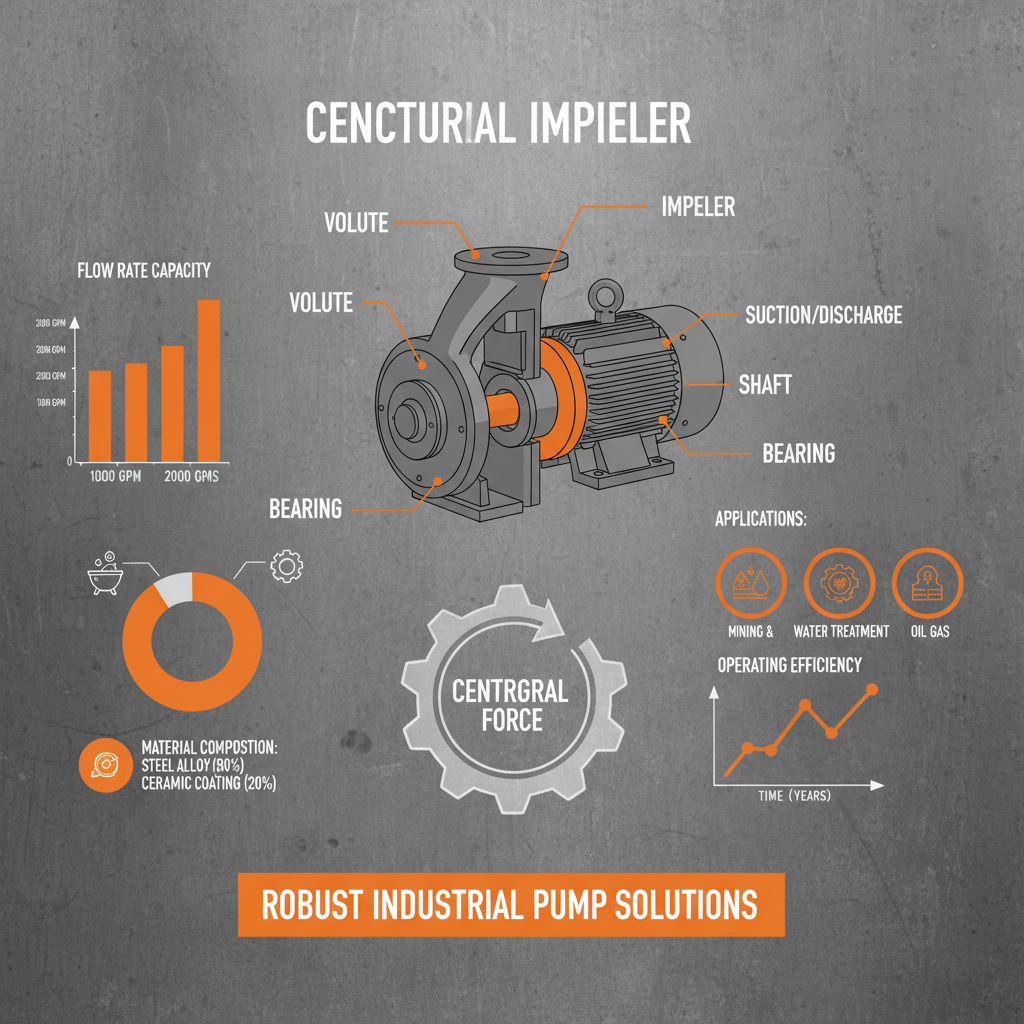
The design of an impeller pump centrifugal involves a careful integration of several key components, each playing a critical role in its overall functionality. The impeller itself is typically made from cast iron, stainless steel, or specialized alloys, depending on the application and the fluid being handled. The casing, or volute, surrounds the impeller and collects the fluid, gradually converting velocity energy into pressure energy. Proper casing design is crucial for minimizing energy losses.
Shaft seals are another critical component, preventing leakage of the pumped fluid and ensuring the pump's reliability. Different types of seals are available, including mechanical seals and packing glands, each offering varying levels of performance and maintenance requirements. The bearings supporting the shaft must also be carefully selected to withstand the radial and axial loads generated during operation.
Finally, the suction and discharge nozzles play a crucial role in connecting the pump to the piping system. Their size and configuration must be optimized to minimize flow resistance and ensure smooth fluid entry and exit. The overall impeller pump centrifugal design must consider these components holistically to maximize efficiency and longevity.
Material Science and Corrosion Resistance in Impeller Pump Centrifugal
The choice of materials for an impeller pump centrifugal is paramount, especially when dealing with corrosive or abrasive fluids. Traditional materials like cast iron are suitable for clean water applications, but more specialized alloys are required for handling chemicals, seawater, or slurries. Stainless steels, such as 316 stainless steel, offer excellent corrosion resistance in many environments, but may still be susceptible to pitting corrosion in chloride-rich solutions.
Advanced materials like duplex stainless steels and superalloys provide even greater corrosion resistance, but come at a higher cost. The selection process must consider the specific chemical composition of the fluid, the temperature, and the pressure. Coatings and linings, such as epoxy or rubber, can also be applied to protect the pump components from corrosion. Understanding the electrochemical properties of the fluid and the materials is critical for achieving long-term reliability of the impeller pump centrifugal.
Furthermore, erosion resistance is another important consideration, particularly when handling fluids containing solid particles. Hardfacing techniques or the use of abrasion-resistant materials can help to extend the pump's lifespan in these applications. Regular inspection and maintenance are also essential for detecting and addressing corrosion or erosion damage before it leads to catastrophic failure.
Performance Metrics and Efficiency of Impeller Pump Centrifugal
Evaluating the performance of an impeller pump centrifugal involves several key metrics, including flow rate, head (pressure), efficiency, and power consumption. The pump curve, a graphical representation of the relationship between flow rate and head, is a fundamental tool for selecting the right pump for a specific application. Efficiency, expressed as a percentage, indicates how effectively the pump converts input power into hydraulic energy.
Net Positive Suction Head (NPSH) is another crucial parameter, representing the minimum pressure required at the pump's suction inlet to prevent cavitation. Cavitation, the formation and collapse of vapor bubbles, can cause significant damage to the impeller and reduce pump performance. Optimizing the impeller pump centrifugal system layout and operating conditions to ensure adequate NPSH is essential.
Impeller Pump Centrifugal Efficiency Comparison
Global Applications of Impeller Pump Centrifugal Across Industries
Impeller pump centrifugal devices are ubiquitous across a wide spectrum of industries. In the water and wastewater treatment sector, they are essential for moving water through treatment plants and distribution networks. The oil & gas industry relies on them for transferring crude oil, refined products, and drilling fluids. Chemical processing plants utilize them for handling corrosive and hazardous chemicals.
The power generation sector employs impeller pump centrifugal units in cooling water systems and boiler feed water pumps. In agriculture, they are used for irrigation and water supply. Even in the food and beverage industry, they play a role in transferring liquids during processing and packaging. This versatility underscores the critical importance of impeller pump centrifugal technology in modern society.
Advantages and Long-Term Value of Utilizing Impeller Pump Centrifugal
The advantages of using impeller pump centrifugal devices are numerous. They offer high flow rates, relatively simple design, and reliable operation. Their ability to handle a wide range of fluids, including those with suspended solids, makes them versatile for many applications. Furthermore, advancements in motor technology and control systems have led to significant improvements in energy efficiency.
Investing in high-quality impeller pump centrifugal units and implementing a proactive maintenance program can deliver significant long-term value. Reduced energy consumption translates into lower operating costs, while improved reliability minimizes downtime and maintenance expenses. The extended lifespan of a well-maintained pump also reduces the need for frequent replacements, further enhancing the return on investment.
Beyond economic benefits, the use of efficient impeller pump centrifugal technology contributes to environmental sustainability by reducing energy consumption and minimizing waste. This aligns with growing global efforts to promote resource conservation and mitigate climate change.
Future Trends and Challenges in Impeller Pump Centrifugal Technology
The future of impeller pump centrifugal technology is poised for significant innovation. Digitalization and the integration of sensors and data analytics are enabling predictive maintenance, optimizing pump performance, and reducing energy consumption. The development of new materials, such as ceramic composites and advanced polymers, is pushing the boundaries of corrosion resistance and abrasion resistance.
However, challenges remain. The increasing demand for higher efficiency and lower emissions requires continuous improvements in pump design and control systems. Addressing the issue of cavitation and minimizing noise levels are also ongoing areas of research. Furthermore, adapting impeller pump centrifugal technology to meet the evolving needs of emerging industries, such as renewable energy and biotechnology, will be crucial for sustained growth.
The integration of artificial intelligence (AI) and machine learning (ML) into pump control systems promises to revolutionize operations, enabling self-optimization and proactive fault detection. These advancements will contribute to more reliable, efficient, and sustainable impeller pump centrifugal solutions in the years to come.
Summary of Challenges & Solutions for Impeller Pump Centrifugal Technology
| Challenge |
Impact on Impeller Pump Centrifugal |
Proposed Solution |
Implementation Cost (1-10) |
| Corrosion & Erosion |
Reduced pump lifespan, decreased efficiency |
Advanced materials (Duplex SS, coatings) |
7 |
| Cavitation |
Impeller damage, reduced performance |
Optimize NPSH, impeller design |
4 |
| Energy Inefficiency |
Higher operating costs, environmental impact |
Variable Frequency Drives (VFDs), optimized impeller design |
6 |
| Predictive Maintenance |
Unplanned downtime, increased maintenance costs |
Sensor integration, data analytics, AI |
8 |
| Noise & Vibration |
Operator discomfort, potential damage |
Acoustic enclosures, vibration isolation |
5 |
| Fluid Compatibility |
Material degradation, seal failure |
Careful material selection, appropriate coatings |
6 |
FAQs
Cavitation occurs when the absolute pressure at the pump's suction falls below the vapor pressure of the liquid. This creates vapor bubbles that collapse violently, damaging the impeller. Contributing factors include high fluid velocity, insufficient inlet pressure, excessive suction lift, and high fluid temperature. Proper system design and pump selection are crucial to prevent cavitation in impeller pump centrifugal applications.
Impeller design significantly impacts pump efficiency. Key considerations include vane angle, vane shape, impeller diameter, and the number of vanes. Optimizing these parameters minimizes energy losses due to turbulence and friction. Backward-curved vanes generally offer higher efficiency compared to radial or forward-curved vanes. Computational Fluid Dynamics (CFD) is often used to refine impeller designs for maximum performance.
Variable Frequency Drives (VFDs) allow for precise control of the pump's motor speed, matching the flow rate to the system's demand. This results in significant energy savings, reduced wear and tear on the pump, and improved process control. VFDs also provide soft starting, minimizing stress on the electrical system and extending the pump’s lifespan, especially for impeller pump centrifugal units.
Selecting the correct material is crucial. Consider the type and concentration of the corrosive agent, the temperature, and the pressure. Stainless steels (316, duplex), nickel alloys, and specialized polymers are common choices. Testing material compatibility with the fluid is highly recommended. Coatings, such as epoxy or Teflon, can provide additional protection against corrosion.
Regular maintenance is essential. This includes periodic inspections for leaks, vibration analysis, lubrication of bearings, and cleaning of the impeller and casing. Monitoring key performance indicators (KPIs) like flow rate and pressure can help identify potential problems early on. Implementing a preventative maintenance schedule can significantly extend the pump’s operational life.
Net Positive Suction Head (NPSH) is the minimum pressure required at the pump's suction inlet to prevent cavitation. Insufficient NPSH leads to vapor bubble formation and subsequent impeller damage. Calculating and ensuring adequate NPSH available (NPSHa) exceeds the NPSH required (NPSHr) by the pump is crucial for reliable operation. Proper system design and pump selection are critical for maintaining sufficient NPSH.
Conclusion
In conclusion, impeller pump centrifugal technology remains a cornerstone of numerous industries worldwide, providing reliable and efficient fluid transfer solutions. Understanding the core principles, design considerations, material science, and emerging trends is vital for optimizing performance, ensuring longevity, and minimizing operational costs. As industries evolve and demand more sustainable and efficient solutions, the role of the impeller pump centrifugal will only become more critical.
Looking ahead, the integration of digital technologies, advanced materials, and innovative designs will continue to drive advancements in impeller pump centrifugal technology. Proactive maintenance, coupled with a focus on energy efficiency and environmental sustainability, will be essential for maximizing the long-term value of these vital systems. Explore our comprehensive range of impeller pump centrifugal products and solutions at www.ydcastings.com to discover how we can meet your specific needs.