Centrifugal pump casings are integral components in a vast array of industrial and municipal applications, from water supply and wastewater treatment to power generation and chemical processing. The design and material selection of a casing in centrifugal pump directly impact pump efficiency, reliability, and overall system performance. Understanding the nuances of casing construction is crucial for engineers, operators, and maintenance personnel to ensure optimal operation and minimize downtime. The global market for centrifugal pumps is substantial, driven by increasing demands for water management, energy efficiency, and industrial growth.
The relevance of a robust and well-engineered casing in centrifugal pump extends beyond mere mechanical functionality. It plays a critical role in safety, environmental protection, and cost-effectiveness. Failures in pump casings can lead to significant disruptions in critical infrastructure, potential environmental contamination, and substantial economic losses. Innovations in materials and manufacturing techniques are continuously improving casing durability and performance, addressing challenges related to corrosion, erosion, and pressure fluctuations.
Advancements in casing technology are directly linked to broader global trends such as sustainable development and resource management. Efficient pumping systems, facilitated by optimized casing designs, contribute to reducing energy consumption and minimizing environmental impact. Therefore, a thorough understanding of casing in centrifugal pump is not just a technical necessity but also a key factor in achieving sustainable operational practices.
The Fundamental Role of casing in centrifugal pump
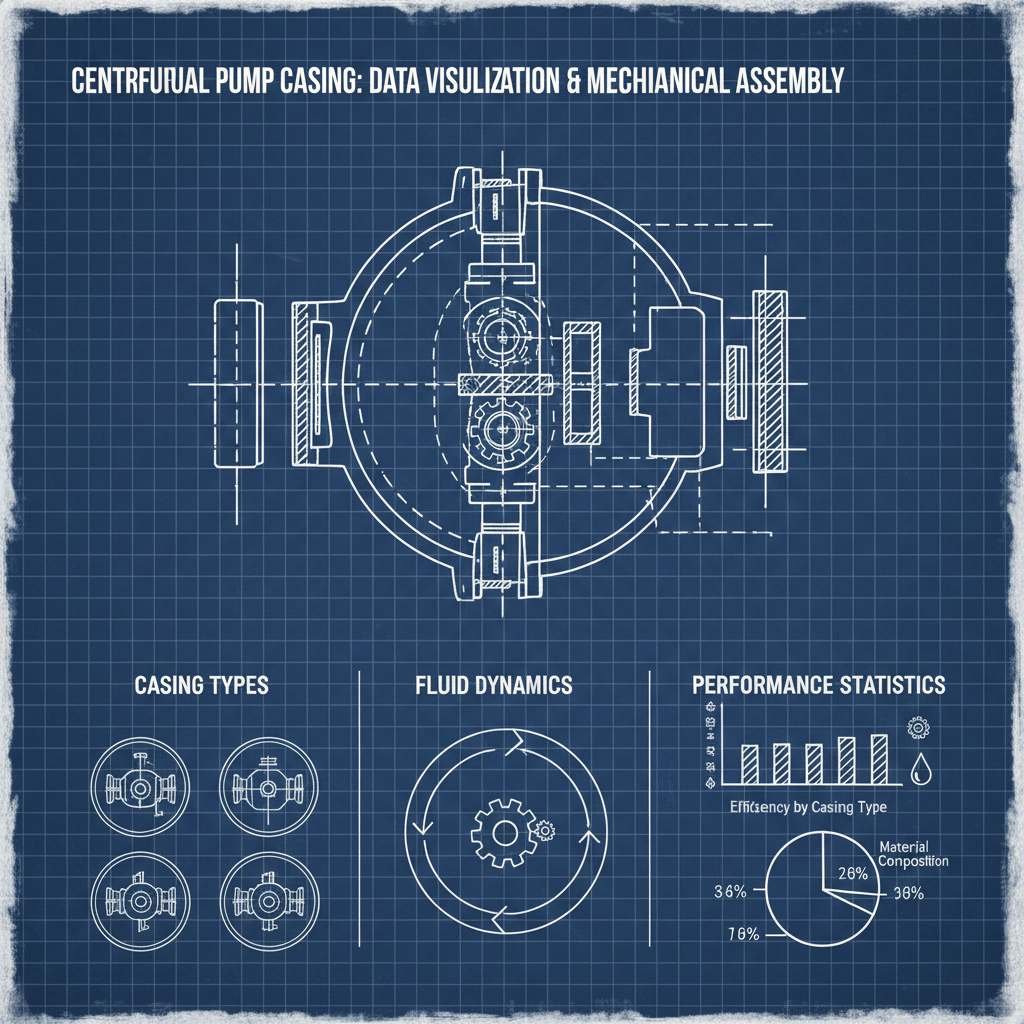
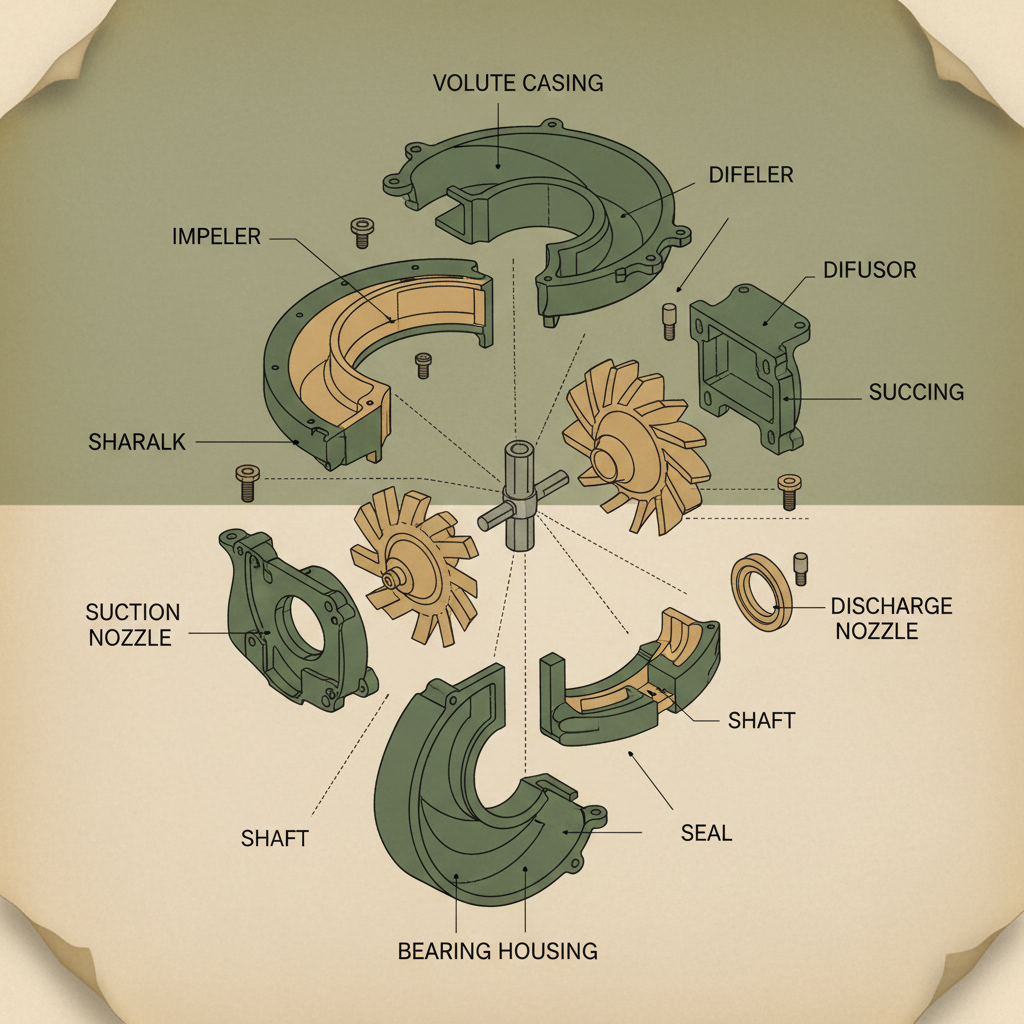
The casing in centrifugal pump serves as the primary housing for the pump’s impeller and volute, directing the flow of fluid and converting kinetic energy into pressure. It’s a critical structural component designed to withstand internal pressures and external forces, ensuring efficient and reliable pump operation. Without a properly designed casing, the energy transfer process would be significantly hampered, and the pump would be prone to failure.
The casing’s design must account for a multitude of factors including fluid velocity, pressure gradients, and material compatibility. Efficient casing designs minimize energy losses due to turbulence and friction, thereby maximizing pump efficiency. The robust construction of the casing protects the internal components from damage and ensures a long service life.
Defining casing in centrifugal pump: A Core Component
A casing in centrifugal pump is the stationary housing surrounding the rotating components – the impeller and the shaft. It’s typically constructed from materials like cast iron, stainless steel, or engineered polymers, selected based on the fluid being pumped and the operating conditions. The casing’s internal shape, often a volute or diffuser, is designed to efficiently collect fluid discharged by the impeller and convert its velocity into pressure.
The precise design of the casing dictates the pump’s hydraulic performance, including its flow rate, head, and efficiency. Modern casing designs often incorporate features like wear rings and surface treatments to minimize friction and extend component life. A well-designed casing is fundamental to the overall effectiveness of a centrifugal pump system.
In modern industry, the casing plays a critical role in ensuring efficient fluid transfer in various applications, including water distribution networks, industrial processing plants, and power generation facilities. The demand for high-performance and reliable casings continues to grow alongside increasing industrialization and urbanization.
Key Factors Influencing Casing Performance
Several key factors directly influence the performance of a casing in centrifugal pump. These include the material of construction, the casing’s geometric design (volute shape, diffuser angles), wall thickness, and the surface finish. The correct selection of materials ensures compatibility with the pumped fluid, preventing corrosion and erosion.
The geometric design of the casing significantly impacts hydraulic efficiency. A well-designed volute minimizes energy losses due to turbulence and ensures smooth fluid flow. Furthermore, the casing must be adequately sized to handle the anticipated flow rates and pressures, preventing cavitation and other performance-limiting phenomena.
Wall thickness and surface finish are also crucial considerations. Sufficient wall thickness provides structural integrity and resistance to pressure fluctuations. A smooth surface finish minimizes friction losses and enhances overall pump efficiency. These factors work in synergy to optimize the casing’s performance and longevity.
Material Selection and Durability of casing in centrifugal pump
The selection of materials for a casing in centrifugal pump is paramount to ensuring long-term durability and reliable operation. Cast iron remains a common choice for many applications due to its cost-effectiveness and good machinability. However, for corrosive or abrasive fluids, stainless steel, bronze, or specialized polymers are often preferred.
The choice depends heavily on the specific application. For instance, pumps handling seawater require materials resistant to chloride corrosion. Pumps dealing with abrasive slurries necessitate hardened alloys or coatings to prevent erosion. The initial cost of materials must be balanced against the expected lifespan and maintenance requirements.
Casing in centrifugal pump Material Performance Comparison
Global Applications and Diverse Use Cases
Casing in centrifugal pump designs are implemented in a wide spectrum of industries across the globe. Water and wastewater treatment plants rely heavily on durable casings to manage large volumes of water, ensuring clean and safe water supplies. The agricultural sector utilizes centrifugal pumps with specialized casings for irrigation and crop management.
In post-disaster relief operations, portable centrifugal pumps with robust casings are critical for providing emergency water supplies and removing floodwaters. The oil and gas industry employs high-pressure, corrosion-resistant casings for pumping crude oil and refined products. Furthermore, power generation plants utilize large-scale centrifugal pumps with meticulously engineered casings for cooling and circulation systems.
Advantages and Long-Term Value Proposition
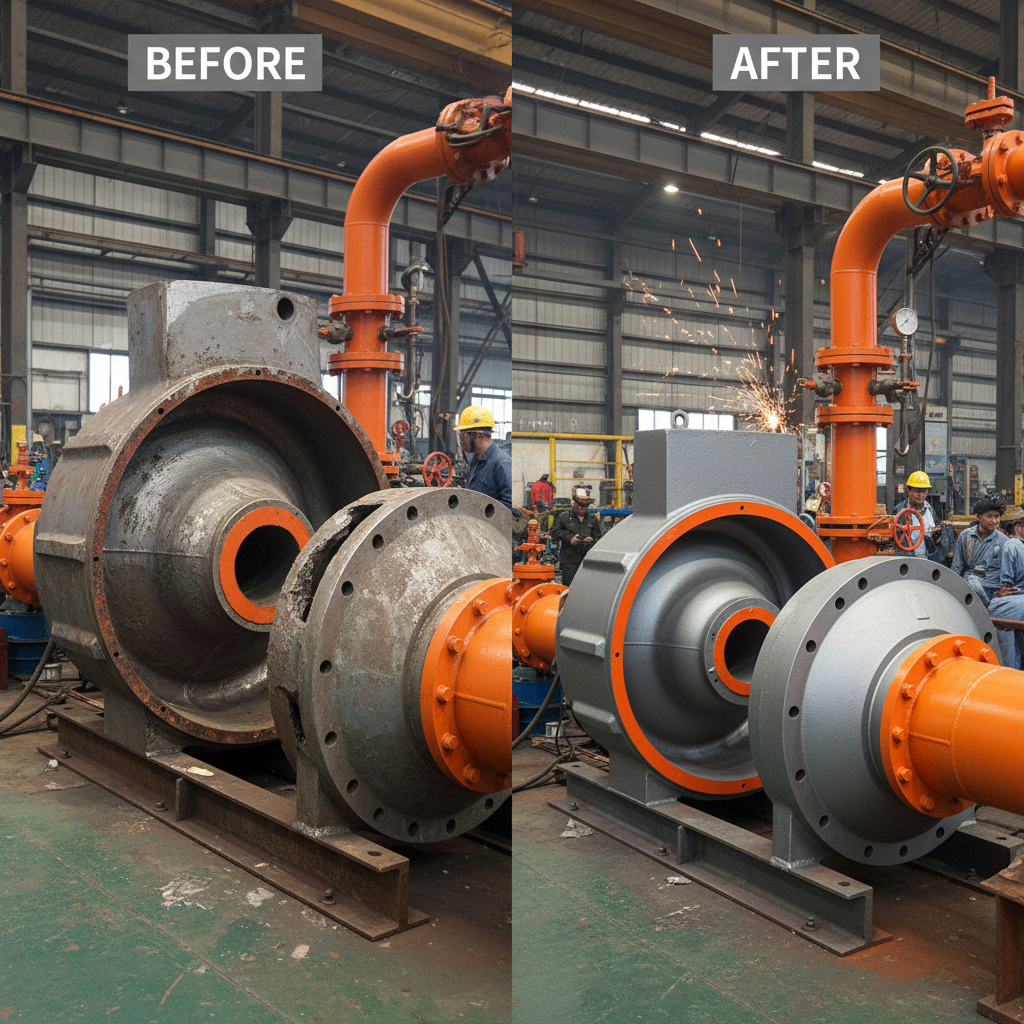
Investing in high-quality casing in centrifugal pump designs translates to numerous long-term benefits. Reduced maintenance costs are a significant advantage, as durable materials and robust construction minimize the need for frequent repairs or replacements. Increased operational efficiency leads to lower energy consumption and reduced operating expenses.
Enhanced reliability ensures uninterrupted operation, minimizing downtime and maximizing productivity. Properly designed casings also contribute to improved safety by reducing the risk of leaks and failures. The long-term value proposition of a well-engineered casing extends beyond mere cost savings; it also encompasses environmental sustainability and responsible resource management.
These pumps offer a blend of economic advantages, environmental responsibility, and enhanced safety – making them a valuable asset for any organization.
Future Trends and Innovation in casing in centrifugal pump
The future of casing in centrifugal pump technology is poised for significant innovation, driven by advancements in materials science, additive manufacturing, and digital technologies. The development of new alloys and composite materials with enhanced corrosion resistance and higher strength-to-weight ratios is expected to revolutionize casing design.
Additive manufacturing (3D printing) offers the potential to create complex casing geometries with optimized hydraulic performance, tailored to specific application requirements. Digital technologies, such as computational fluid dynamics (CFD) and finite element analysis (FEA), are enabling engineers to simulate and optimize casing designs with greater precision.
The integration of sensor technology and predictive maintenance algorithms will further enhance the reliability and efficiency of centrifugal pump systems, minimizing downtime and extending component life, aligning with the goals of Industry 4.0 and sustainable operations.
Summary of Challenges and Potential Solutions for casing in centrifugal pump
| Challenge |
Impact on Casing |
Potential Solution |
Implementation Cost (1-10) |
| Corrosion |
Reduced casing lifespan, potential leaks |
Use corrosion-resistant alloys or coatings |
7 |
| Erosion from abrasive fluids |
Wear and tear, reduced pump efficiency |
Employ hardened materials or wear-resistant liners |
6 |
| Cavitation |
Casing damage, noise, vibration |
Optimize impeller design, control suction conditions |
5 |
| High pressure fluctuations |
Stress and potential cracking of the casing |
Increase casing wall thickness, use materials with higher tensile strength |
8 |
| Manufacturing defects |
Weak points, premature failure |
Implement stringent quality control measures and non-destructive testing |
4 |
| Inefficient Hydraulic Design |
Reduced pump efficiency, increased energy consumption |
Utilize CFD analysis for optimized volute and diffuser designs |
6 |
FAQS
For highly corrosive fluids, materials like stainless steel (especially 316 or duplex grades), Hastelloy, and certain engineered polymers (like PTFE or PVDF) are frequently employed. The specific choice depends on the nature of the corrosive agent. Stainless steels offer good resistance to many acids, while Hastelloy excels in extreme environments. Polymers are advantageous when weight reduction and chemical inertness are crucial. Proper material selection significantly extends the casing’s lifespan and minimizes the risk of failures.
The volute shape is critical for efficient energy transfer. A well-designed volute gradually increases in cross-sectional area, allowing the fluid velocity to decrease as pressure increases. This minimizes energy losses due to turbulence and friction. Improperly designed volutes can lead to flow separation, cavitation, and reduced overall pump efficiency. Computational Fluid Dynamics (CFD) analysis is commonly used to optimize volute geometry for specific flow conditions.
Cavitation occurs when the pressure within the pump drops below the vapor pressure of the liquid, forming vapor bubbles that collapse violently, causing damage to the impeller and casing. Prevention involves ensuring adequate Net Positive Suction Head Available (NPSHA) – the amount of pressure available at the pump inlet. This can be achieved by raising the liquid level in the suction tank, reducing suction line losses, or lowering the pump speed. Careful impeller design can also mitigate cavitation risk.
Surface finish is highly important. A smoother surface reduces friction losses, enhancing hydraulic efficiency. It also minimizes the adhesion of abrasive particles, reducing erosion and wear. Rough surfaces can create turbulence, leading to energy losses and potential cavitation sites. Polishing or applying protective coatings can improve surface finish and extend casing life. The level of smoothness required depends on the fluid being pumped and the operating conditions.
Additive manufacturing, or 3D printing, offers several advantages. It allows for the creation of complex geometries that are difficult or impossible to achieve with traditional manufacturing methods. This enables optimized hydraulic designs for improved efficiency. It also enables rapid prototyping and customization. Material options are expanding, and the technology allows for the creation of lightweight, high-strength casings. However, cost and material limitations are still factors to consider.
Determining appropriate wall thickness requires considering the operating pressure, temperature, and the material of construction. Finite Element Analysis (FEA) is frequently used to simulate stress distribution within the casing under various loading conditions. Industry standards and codes, such as ASME, provide guidance on minimum wall thickness requirements. Factors like corrosion allowance and potential impact loads should also be taken into account to ensure structural integrity and prevent failures.
Conclusion
In conclusion, the casing in centrifugal pump is a fundamental component essential for efficient and reliable fluid transfer across a multitude of industries. Understanding the nuances of material selection, design optimization, and manufacturing processes is critical for maximizing performance, minimizing downtime, and ensuring long-term value. By embracing innovative technologies and adopting a proactive maintenance approach, organizations can unlock the full potential of their centrifugal pump systems.
Looking ahead, advancements in materials science, additive manufacturing, and digital modeling will continue to reshape the landscape of casing in centrifugal pump technology. Investing in research and development, fostering collaboration between engineers and manufacturers, and prioritizing sustainable practices will be essential for meeting the evolving demands of a rapidly changing world. Visit our website at ydcastings.com to learn more about our casing solutions.