You know, things are changing fast these days. Everyone’s talking about prefabrication, modular designs… honestly, it’s all just about getting things done quicker and with less mess on-site. Been seeing a lot of that lately, especially with these new data center builds. They’re demanding higher densities, faster turnaround, and frankly, less headache for everyone involved.
Have you noticed how everyone’s chasing after higher efficiency? It's driving some really interesting design choices, but also… some terrible ones. I encountered this at the Yongli factory last time, this engineer was absolutely convinced a thinner gauge steel would save them a fortune. Ended up buckling under the weight of the pumps. It’s always the little things, right?
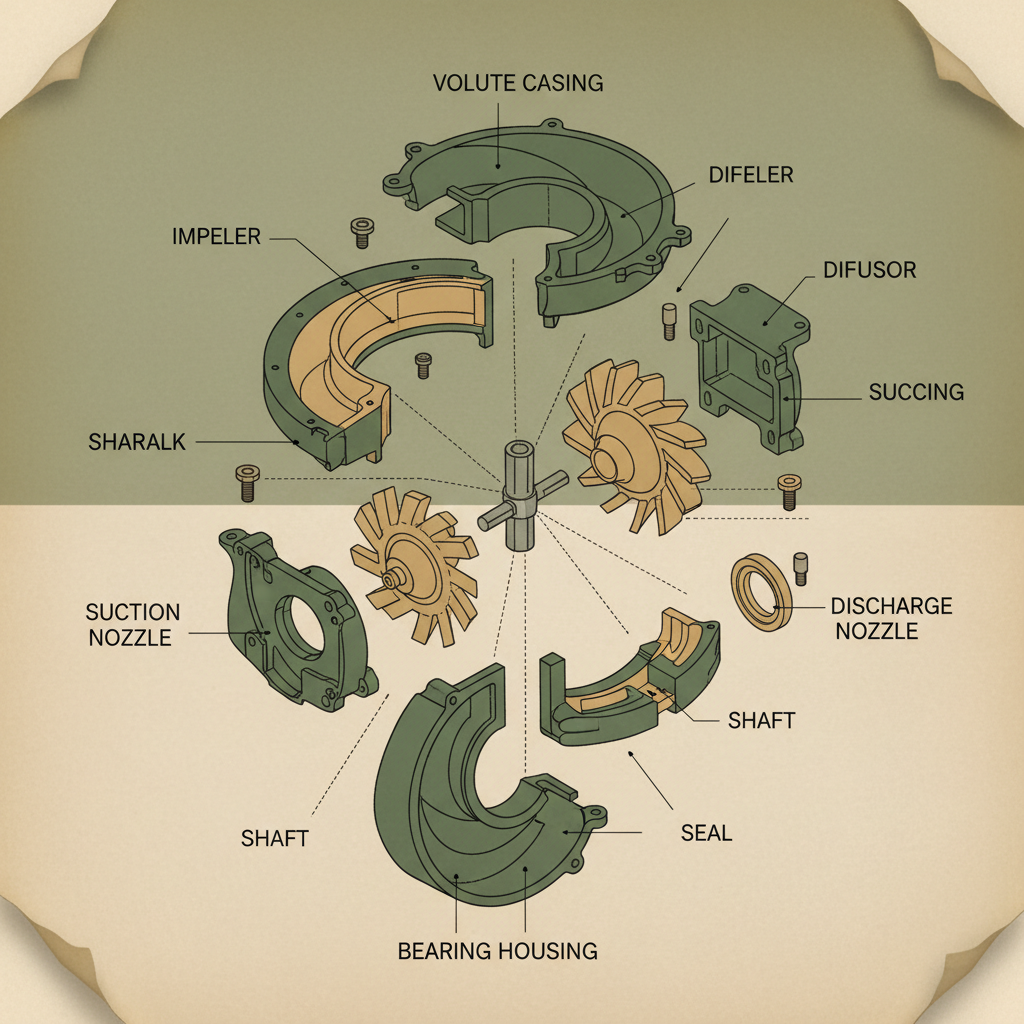
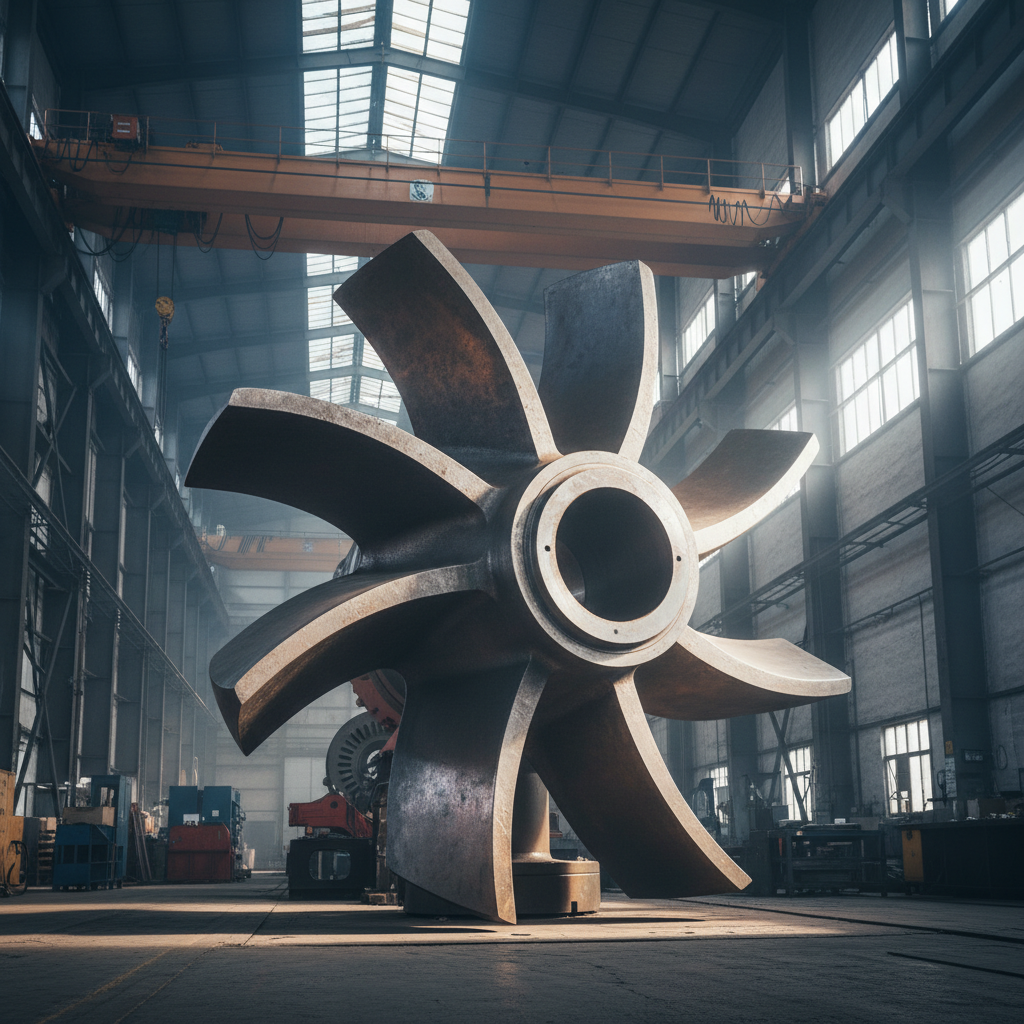
We work a lot with ductile iron for the volute casing, naturally. It’s got that weight to it, you can feel the quality, kinda smells like… well, iron, I guess. Not a pleasant smell, but a reassuring one. The guys on the floor can tell you instantly if a casting is good or bad just by tapping it. It's a skill you don't learn in engineering school.
Industry Trends and Design Pitfalls
To be honest, I'm seeing a huge push for more compact designs. Everyone wants to cram more power into a smaller space. Strangely, it often leads to overlooking basic heat dissipation. That’s a problem with some of these newer high-speed pumps. They generate a lot of heat, and if the volute casing isn’t properly designed to handle it, you're asking for trouble.
And the tolerance requirements... don't even get me started. They're getting tighter and tighter, which means more rejected castings and a lot more headaches for the quality control guys. It’s a never-ending balancing act between cost, performance, and manufacturability.
Material Selection: Ductile Iron and Beyond
Ductile iron is still king, for good reason. It’s strong, it’s relatively affordable, and it handles corrosion pretty well. But we’re also seeing some interest in stainless steel for more demanding applications – particularly in seawater or highly corrosive environments. It's pricier, of course, and more difficult to work with. The welders hate it.
We've experimented with some composite materials, too, but they haven’t really caught on yet. They lack the heft and robustness of iron, and I haven’t fully trusted them in high-pressure situations. Plus, the repairability is a nightmare. Try welding a composite volute casing... good luck with that.
The coatings are also important, you know. Epoxy linings, ceramic coatings... it all adds up, but can significantly extend the lifespan of the casing, especially in abrasive applications.
Real-World Testing and Performance
Lab tests are fine, I guess, but nothing beats a real-world stress test. We often send prototypes to a few trusted clients for field trials. Put them through their paces, see how they hold up under actual operating conditions. That’s where you really find the weaknesses.
I remember one time, we had a casing that passed all the lab tests with flying colors, but it cracked within a week at a wastewater treatment plant. Turns out, the vibrations were far more intense than we had anticipated. We had to redesign the whole thing to incorporate more damping.
We also do a lot of hydrostatic testing, obviously. Pressurize the casing to well beyond its operating limits to make sure there are no leaks or structural failures. It's noisy, messy, and a little bit nerve-wracking, but it's essential.
Application Insights: How Users Actually Employ Volute Casings
You know, it's funny, the way people actually use these things isn’t always what you expect. We design them for specific pump types and flow rates, but users often try to push them beyond their limits. I saw a guy try to use a volute casing designed for clean water with a slurry full of sand. Didn't end well.
They also don’t always follow the maintenance schedules. They run them until something breaks, then call us in a panic. It’s frustrating, but it’s the reality. We try to design for a little bit of abuse, but there’s only so much you can do.
Volute Casing Performance Metrics
Advantages and Disadvantages of Volute Casings
The biggest advantage, hands down, is efficiency. A well-designed volute casing recovers a significant amount of energy from the fluid, converting it into useful pressure. That translates to lower energy consumption and lower operating costs.
But they're not perfect. They can be bulky, especially for larger pumps. And they’re susceptible to cavitation if not properly designed. Cavitation, you know, that noisy erosion that eats away at the casing. It’s a pain.
Customization Capabilities and Examples
We do a lot of customization. The standard casings are fine for most applications, but sometimes you need something special. For example, we had a client who needed a casing with a custom inlet flange to connect to their existing piping system. It was a relatively simple modification, but it saved them a ton of money and hassle.
Another common request is for different coating options. Some clients need extra corrosion resistance, while others need a coating that can withstand high temperatures. We can usually accommodate those requests. We even made one with a built-in flow meter port once.
A Customer Story: The Interface Debacle
Last month, that small boss in Shenzhen who makes smart home devices insisted on changing the interface to . For… reasons. I still don't understand it. He wanted to make it “future-proof” or something. Anyway, it meant we had to completely redesign the casing to accommodate the new connector. It was a nightmare.
The new design was more complicated, more expensive to manufacture, and ultimately… it didn't even improve the performance. The connector kept getting clogged with dust and debris, causing intermittent failures.
He finally realized his mistake and switched back to the standard interface, but not before wasting a bunch of time and money. Lesson learned, I guess. Sometimes, the simplest solution is the best.
Volute Casing Design Parameters
| Parameter |
Standard Value |
Acceptable Range |
Impact on Performance |
| Volute Diameter |
300mm |
280-320mm |
Flow rate, pressure head |
| Casing Thickness |
20mm |
18-22mm |
Structural integrity, weight |
| Surface Roughness |
Ra 0.8 μm |
Ra 0.4-1.2 μm |
Flow efficiency, cavitation risk |
| Inlet Angle |
45 degrees |
40-50 degrees |
Head-flow characteristics |
| Material Grade |
65-45 Ductile Iron |
60-50 Ductile Iron |
Strength, corrosion resistance |
| Coating Type |
Epoxy Coating |
Ceramic Coating, None |
Corrosion protection, abrasion resistance |
FAQS
Honestly, it's a combination of things. Corrosion, erosion, and mechanical stress are the big ones. The fluid being pumped plays a huge role—abrasive slurries will wear things out much faster. Regular maintenance and proper coating selection are key to extending its lifespan. And don’t skimp on the material quality to begin with, you get what you pay for.
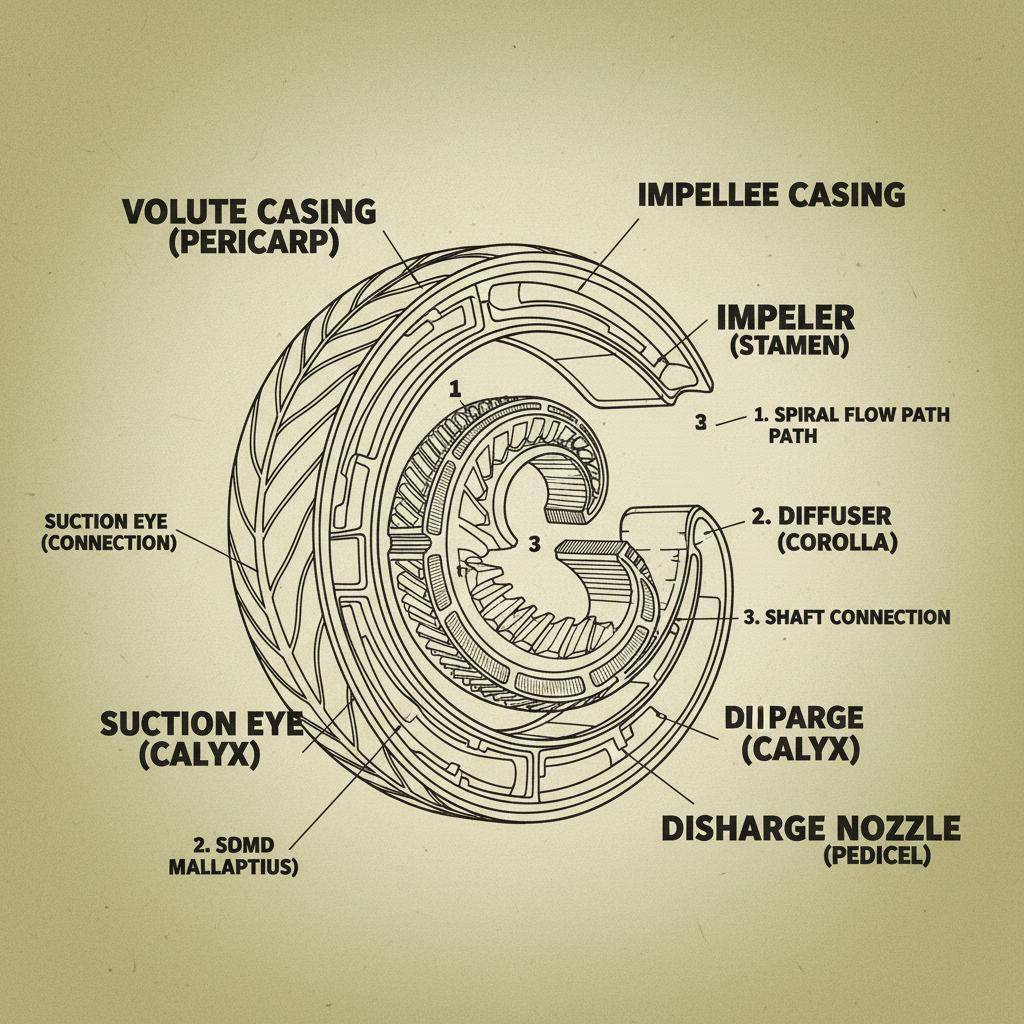
Massively important. The volute casing’s shape is what collects the fluid discharged by the impeller and converts its kinetic energy into pressure. A poorly designed casing can cause turbulence and energy losses, significantly reducing pump efficiency. It's all about optimizing the flow path. We spend a lot of time on computational fluid dynamics (CFD) to get it right.
Sometimes. Small cracks can often be repaired with welding, but it depends on the size and location of the crack. Large cracks or cracks near critical areas might require replacing the entire casing. You also need to consider the material—some materials are easier to weld than others. It's always best to have a qualified engineer assess the damage.
Seawater’s corrosive, plain and simple. You really need to consider corrosion resistant alloys, like stainless steel or specialized ductile iron with protective coatings. We often recommend duplex stainless steel for these applications. You’ve also gotta think about biofouling—marine organisms can attach themselves to the casing and reduce its efficiency. Regular cleaning or anti-fouling coatings are essential.
Cavitation happens when the pressure drops too low, creating vapor bubbles that collapse and damage the casing. The volute casing’s design influences the pressure distribution within the pump. A well-designed casing will help maintain sufficient pressure to prevent cavitation, and also manage the flow to reduce the risk of it happening. The inlet design is crucial for minimizing cavitation.
Oh, boy, where do I start? Improper alignment is a big one—it puts stress on the casing and can lead to premature failure. Over-tightening the bolts is another common mistake. And not cleaning the mating surfaces properly can create leaks. It sounds simple, but you’d be surprised how often these things happen. Follow the installation manual carefully!
Conclusion
Ultimately, volute casings are complex pieces of equipment, but they're fundamentally about moving fluids efficiently and reliably. Choosing the right material, design, and coatings, and paying attention to installation and maintenance are all critical.
And let’s be real, all the calculations and simulations in the world don’t matter if the worker tightening the bolts isn't paying attention. Ultimately, whether this thing works or not, the worker will know the moment he tightens the screw. Don't underestimate the experience of the guys on the ground – they've seen it all.