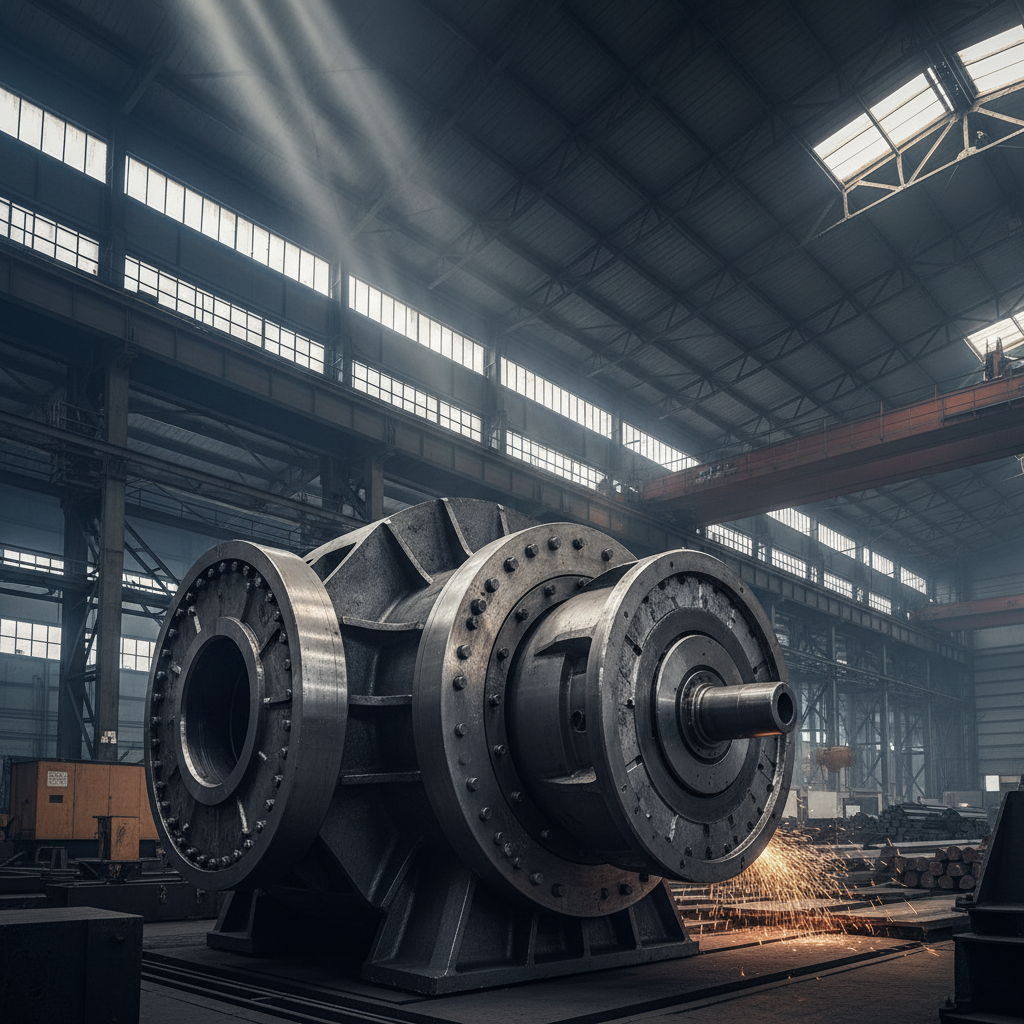
Stainless steel impellers are critical components in a vast array of industrial applications, ranging from water and wastewater treatment to chemical processing and oil & gas extraction. Their ability to withstand corrosive environments, high speeds, and abrasive materials makes them indispensable for efficient fluid transfer and mixing. Understanding the nuances of stainless steel impeller design, materials, and applications is essential for engineers, procurement specialists, and anyone involved in process industries. stainless steel impeller selection directly impacts operational efficiency, maintenance costs, and overall system reliability.
The global market for pumps, which heavily relies on impellers, is substantial and continuously growing, driven by factors like increasing industrialization in developing countries, growing demand for clean water, and stringent environmental regulations. According to a report by Global Market Insights, the global pump market size was valued at over USD 47 billion in 2022 and is expected to grow at a CAGR of over 5% between 2023 and 2032. This growth underscores the importance of high-quality, durable components like stainless steel impellers.
Failure of an impeller, particularly in critical infrastructure, can lead to costly downtime, environmental damage, and safety hazards. Therefore, a robust understanding of the capabilities and limitations of various stainless steel impeller designs is paramount for ensuring process integrity and operational safety. Utilizing advanced materials and manufacturing techniques in the production of a stainless steel impeller can mitigate these risks and ensure long-term performance.
Introduction to Stainless Steel Impellers
Stainless steel impellers aren’t merely rotating components; they are the heart of countless fluid-handling systems. Their design dictates the efficiency of pumping, mixing, and shearing operations across diverse industries. The inherent properties of stainless steel – corrosion resistance, strength, and durability – make these impellers ideal for handling a wide range of fluids, including those that are abrasive, corrosive, or at high temperatures. stainless steel impeller reliability translates directly into reduced operational costs and increased productivity.
The selection of the appropriate stainless steel grade and impeller geometry is crucial for optimal performance. Factors like fluid viscosity, flow rate, and the presence of solids all influence the design choices. Modern impeller designs often incorporate computational fluid dynamics (CFD) analysis to optimize hydraulic performance and minimize energy consumption.
Defining the Stainless Steel Impeller
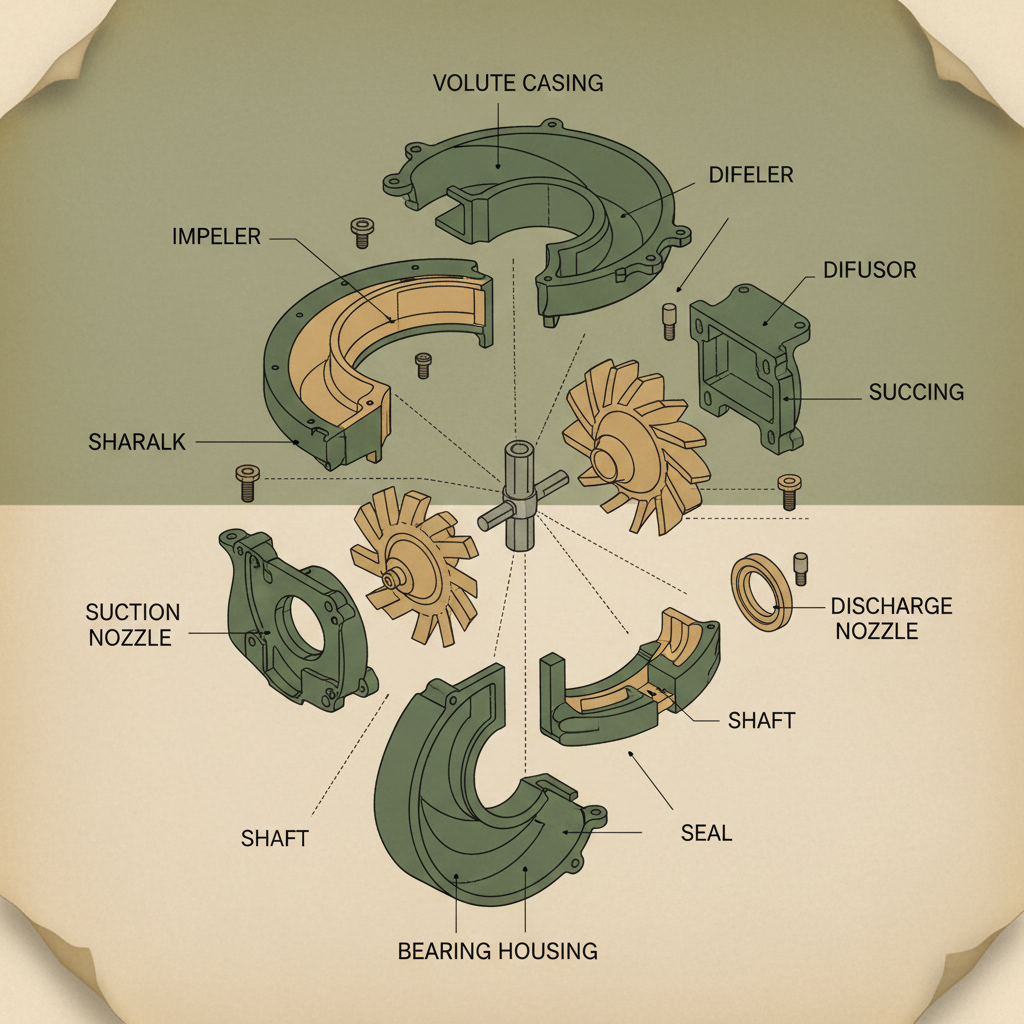
A stainless steel impeller is a rotating component within a pump or mixer responsible for imparting energy to a fluid, creating flow or agitation. It typically consists of a series of curved vanes or blades attached to a central hub, designed to convert rotational energy into kinetic and potential energy of the fluid. The 'stainless steel' component refers to the material composition, typically an alloy containing iron, chromium, nickel, and other elements, providing excellent corrosion resistance.
Impeellers are not universal; their design varies significantly based on the application. Common types include radial flow impellers (for high pressure and low flow), axial flow impellers (for low pressure and high flow), and mixed flow impellers (a compromise between the two). The specific geometry of the vanes, such as their curvature, angle, and number, is tailored to optimize performance for a given fluid and operating condition.
The connection of the stainless steel impeller to modern industry is inseparable from the need for efficient and reliable fluid handling. From supplying potable water to powering complex chemical processes, these components are vital to sustaining modern life and industrial output.
Key Characteristics of Stainless Steel Impellers
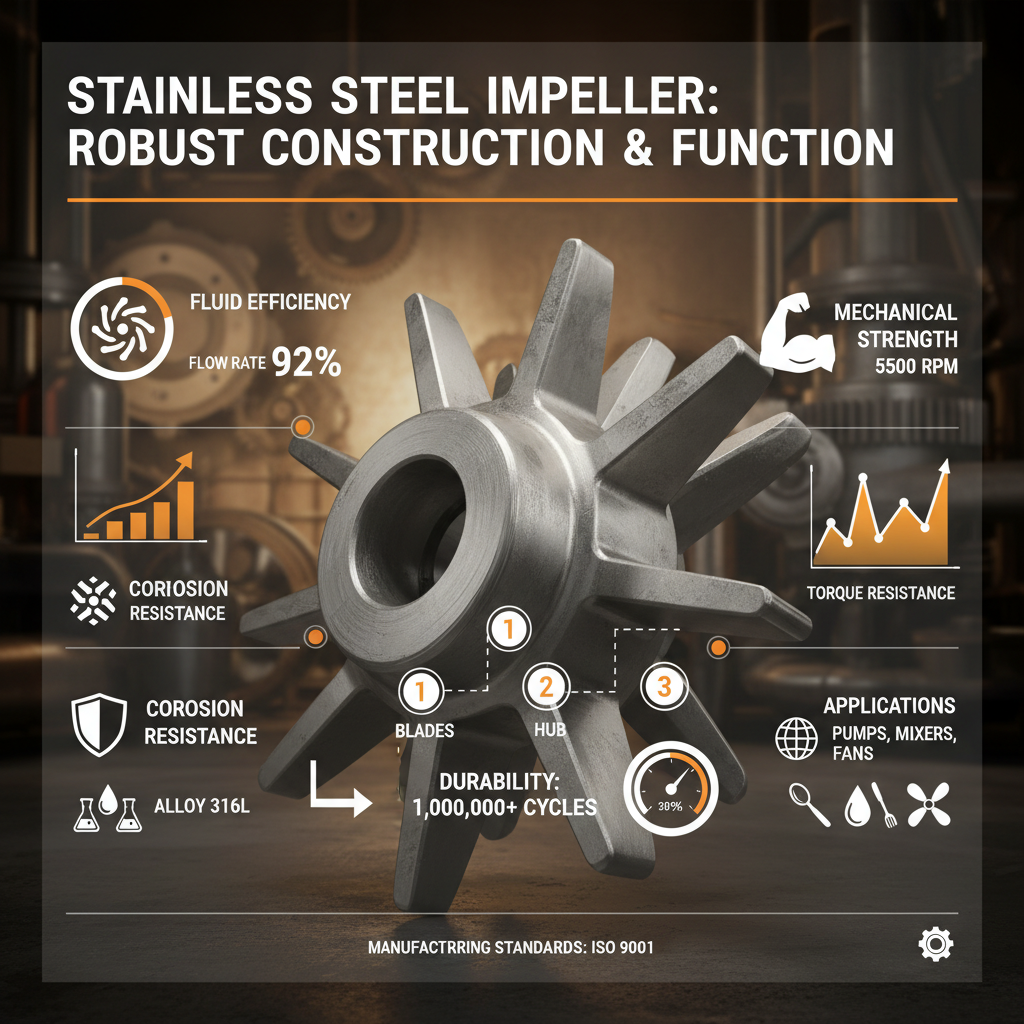
The enduring popularity of stainless steel impellers stems from a unique combination of characteristics. First and foremost is their outstanding corrosion resistance, stemming from the chromium content in the alloy, which forms a passive protective layer. This makes them ideal for handling aggressive fluids without degradation, extending service life and reducing maintenance.
Secondly, stainless steel offers exceptional strength and durability. This allows impellers to operate at high speeds and withstand significant mechanical stress without failure. The material’s inherent toughness resists erosion from abrasive particles, further contributing to long-term reliability. A high-quality stainless steel impeller will significantly lower lifetime costs.
Thirdly, stainless steel is readily machinable and castable, allowing for the creation of complex impeller geometries optimized for specific applications. This versatility enables engineers to tailor impeller designs to meet precise performance requirements. Finally, stainless steel's hygienic properties make it suitable for use in food, beverage, and pharmaceutical industries where cleanliness is paramount.
Global Applications and Industry Relevance
Stainless steel impellers find application across a remarkably diverse range of industries. In the water and wastewater treatment sector, they are integral to pumps used for water distribution, sewage handling, and sludge transfer. In the chemical processing industry, they handle corrosive acids, alkalis, and solvents with ease. Oil & gas companies rely on them for pumping crude oil, refined products, and drilling fluids.
The pharmaceutical and food & beverage industries utilize stainless steel impellers due to their hygienic properties and resistance to contamination. Power generation plants employ them in cooling water systems and boiler feed pumps. In post-disaster relief operations, portable pumps equipped with stainless steel impellers are crucial for providing clean water to affected populations.
Geographically, demand for stainless steel impellers is high in rapidly industrializing regions like Asia-Pacific, driven by infrastructure development and expanding manufacturing sectors. North America and Europe remain significant markets due to stringent environmental regulations and the need for reliable industrial equipment.
Stainless Steel Impeller Performance Metrics by Method
Advantages and Long-Term Value Proposition
The benefits of employing stainless steel impellers extend far beyond initial cost considerations. Their exceptional durability translates to reduced maintenance frequency and downtime, leading to significant cost savings over the lifecycle of the equipment. The corrosion resistance minimizes the risk of catastrophic failures caused by material degradation, enhancing operational safety and reliability.
From a sustainability perspective, the longevity of stainless steel impellers reduces the need for frequent replacements, minimizing waste and conserving resources. The energy efficiency gains achieved through optimized impeller designs further contribute to environmental responsibility. Investing in a high-quality stainless steel impeller represents a commitment to long-term value and sustainable operations.
Future Trends and Innovations in Impeller Technology
The field of impeller technology is undergoing continuous innovation. Additive manufacturing (3D printing) is enabling the creation of complex impeller geometries with unprecedented precision, allowing for further optimization of hydraulic performance. New stainless steel alloys with enhanced corrosion resistance and strength are constantly being developed.
Digitalization and the Industrial Internet of Things (IIoT) are playing an increasingly important role, with sensors embedded within pumps providing real-time data on impeller performance, enabling predictive maintenance and optimized control strategies. The integration of AI and machine learning algorithms promises to further enhance impeller design and operational efficiency.
Challenges and Solutions in Stainless Steel Impeller Implementation
Despite their advantages, implementing stainless steel impellers can present challenges. The higher initial cost compared to other materials like cast iron can be a deterrent for some applications. Careful consideration must be given to selecting the appropriate stainless steel grade for the specific fluid and operating conditions.
Erosion caused by abrasive particles can still be an issue, even with stainless steel. Selecting appropriate coatings or employing wear-resistant alloys can mitigate this risk. Furthermore, proper impeller balancing is crucial to prevent vibration and premature failure. Collaborating with experienced impeller manufacturers like stainless steel impeller suppliers can ensure optimal performance and longevity.
Addressing these challenges requires a holistic approach, encompassing careful material selection, optimized design, and proactive maintenance strategies.
Summary of Stainless Steel Impeller Implementation Challenges and Solutions
| Challenge |
Impact on Performance |
Potential Solution |
Cost Estimate (1-10) |
| High Initial Cost |
Budget constraints, potential for cheaper alternatives. |
Life-cycle cost analysis, highlighting long-term savings. |
7 |
| Corrosion in Specific Fluids |
Reduced impeller lifespan, potential for failure. |
Selection of appropriate stainless steel grade, protective coatings. |
6 |
| Erosion from Abrasive Particles |
Wear and tear, reduced efficiency. |
Hardened stainless steel alloys, abrasion-resistant coatings. |
8 |
| Improper Balancing |
Vibration, bearing failure, reduced efficiency. |
Dynamic balancing during manufacturing and maintenance. |
5 |
| Incorrect Impeller Selection |
Suboptimal performance, energy waste. |
Consultation with impeller experts, CFD analysis. |
7 |
| Material Certification & Traceability |
Quality control issues, potential for non-conformance. |
Working with certified suppliers, demanding material test reports. |
6 |
FAQS
Stainless steel impellers offer superior corrosion resistance, high strength, and durability compared to materials like cast iron or bronze. This translates to a longer service life, reduced maintenance costs, and enhanced reliability, particularly in applications involving corrosive or abrasive fluids. Their hygienic properties also make them ideal for food, beverage, and pharmaceutical processing.
The selection of the appropriate stainless steel grade depends on the specific fluid being handled, the operating temperature, and the level of corrosion exposure. Common grades include 304, 316, and duplex stainless steels. 304 offers good corrosion resistance in many environments, while 316 provides enhanced resistance to chlorides. Duplex stainless steels offer higher strength and corrosion resistance. Consulting with a materials specialist is recommended.
Impeller balancing ensures that the impeller rotates smoothly without excessive vibration, which can damage the pump and reduce efficiency. Imbalance can occur due to manufacturing tolerances or the accumulation of deposits. Balancing should be performed during initial manufacturing and periodically during maintenance, typically every 1-2 years, or more frequently in harsh operating conditions.
Minor damage, such as small cracks or pitting, can often be repaired by welding or grinding. However, extensive damage or corrosion may necessitate impeller replacement. Repairing an impeller requires specialized expertise and should be performed by a qualified technician to ensure structural integrity and proper balance. Using a quality stainless steel impeller reduces the need for repairs.
Recent advancements include the use of additive manufacturing (3D printing) to create complex impeller geometries, optimized blade profiles using computational fluid dynamics (CFD), and the development of new stainless steel alloys with improved corrosion resistance and wear properties. The integration of sensors for real-time performance monitoring is also gaining traction.
Stainless steel impellers typically have a higher initial cost compared to impellers made from materials like cast iron or aluminum. However, their longer service life, reduced maintenance requirements, and improved reliability often result in lower total cost of ownership over the long term. Consider life-cycle cost analysis when evaluating material choices.
Conclusion
In conclusion, stainless steel impellers are fundamental components driving efficiency and reliability across diverse industrial sectors. Their unique combination of corrosion resistance, strength, durability, and versatility makes them indispensable for handling challenging fluids and maintaining optimal system performance. Understanding the nuances of material selection, design principles, and future trends is critical for maximizing the value of these essential components.
Investing in high-quality stainless steel impeller solutions, coupled with proactive maintenance and monitoring, represents a strategic advantage for businesses seeking to optimize operations, reduce costs, and ensure long-term sustainability. By embracing innovation and best practices, industries can unlock the full potential of stainless steel impeller technology and drive continued progress.