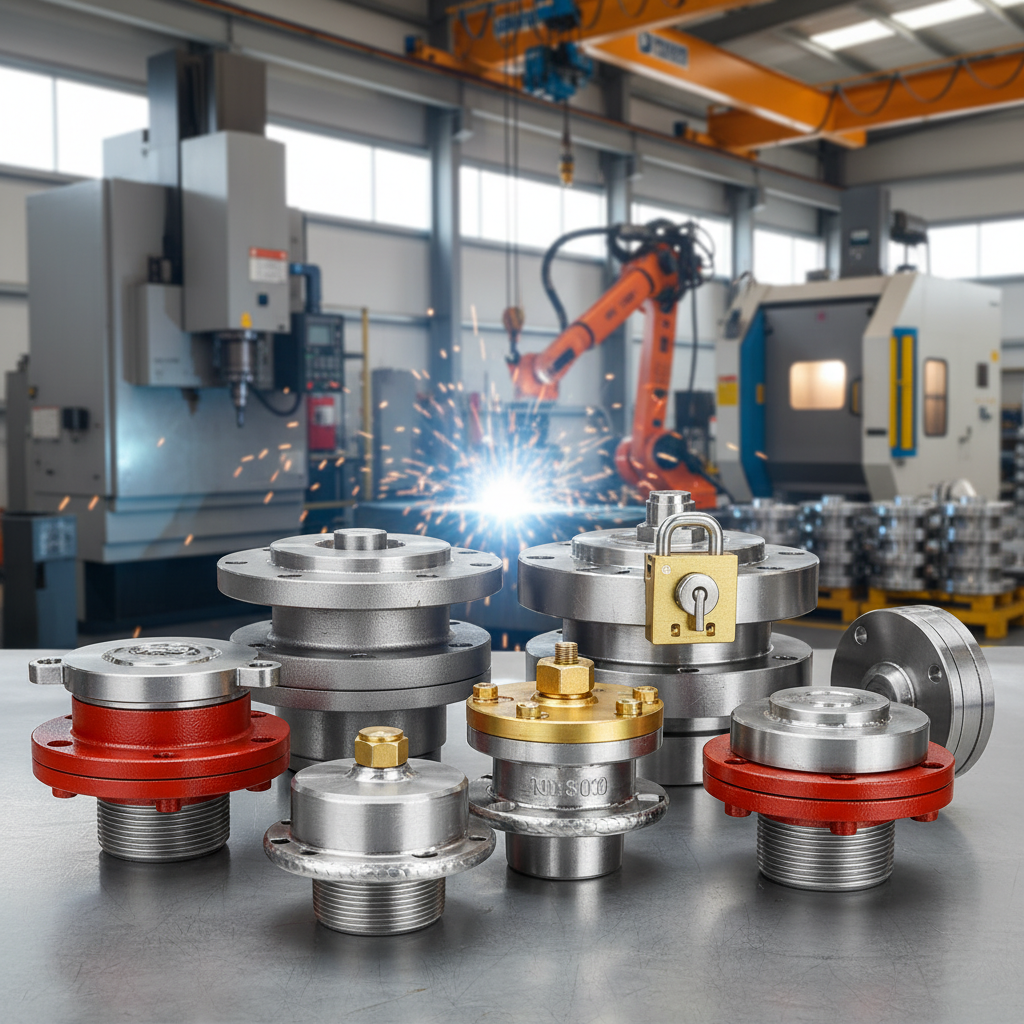
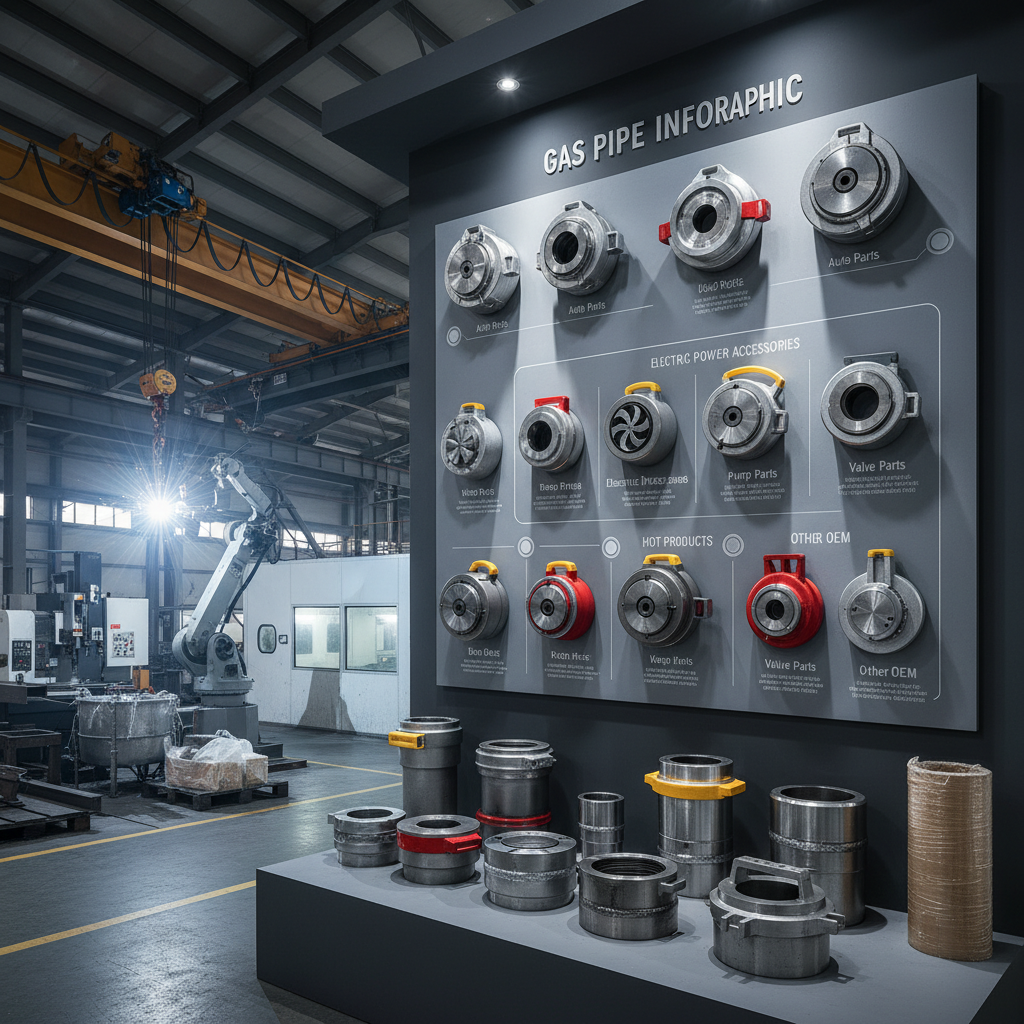
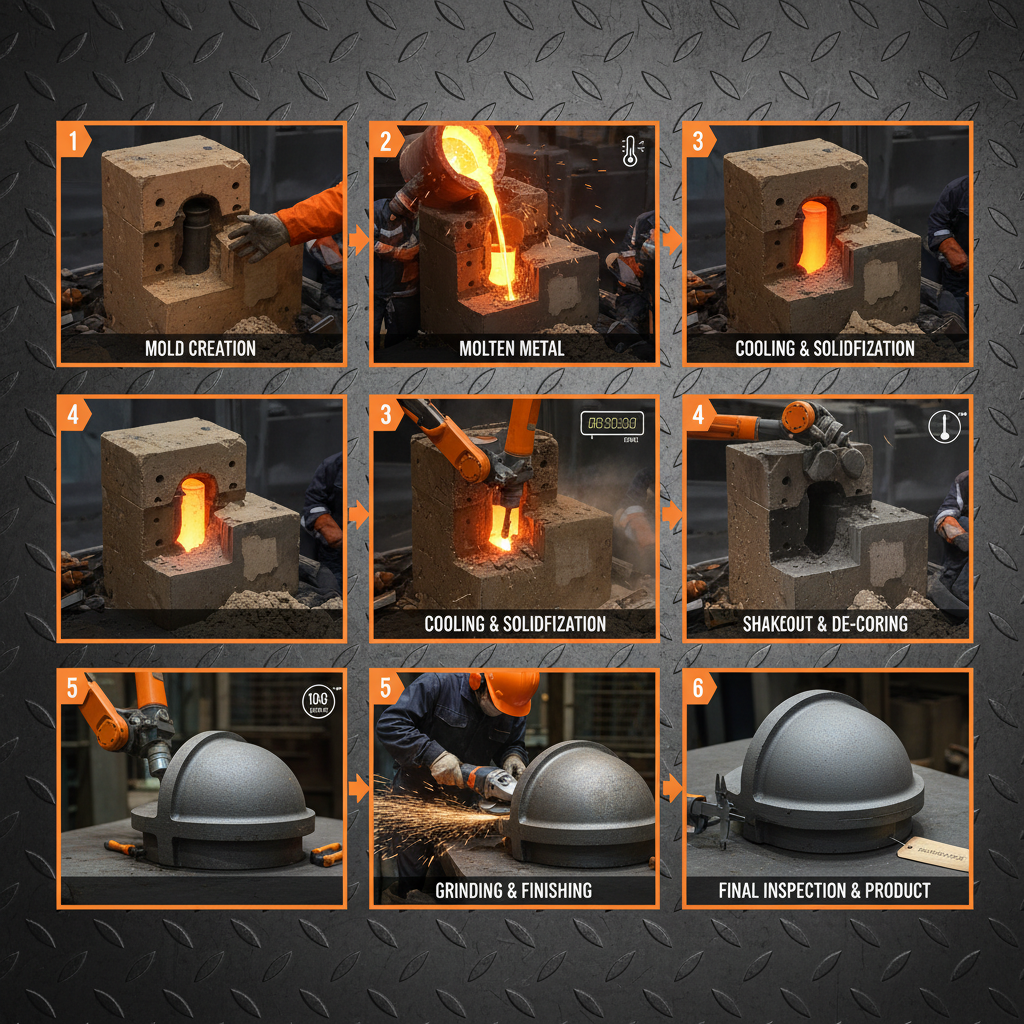
In the complex world of fluid dynamics and pressure vessel management, gas pipe caps serve as the critical final line of defense against leakage and contamination. These specialized components are not merely lids but engineered seals designed to withstand extreme pressures and corrosive environments, ensuring that volatile gases remain contained during transport, storage, and industrial processing.
The global demand for precision-engineered gas pipe caps has surged as energy infrastructure expands across emerging markets. From the intricate networks of petrochemical plants to the stringent safety requirements of the aerospace sector, the integrity of a pipe end can determine the difference between seamless operation and a catastrophic industrial failure.
Understanding the technical nuances of these components—ranging from material metallurgy to threading standards—is essential for engineers and procurement specialists alike. By prioritizing high-quality casting and machining, industries can significantly reduce downtime, enhance worker safety, and comply with international ISO and ASME safety standards.
Global Industry Context of Gas Pipe Caps
The global infrastructure for gas transport is currently undergoing a massive transition, with an increasing focus on hydrogen and LNG (Liquefied Natural Gas). According to recent industry trends aligned with ISO standards, the precision of termination components like gas pipe caps is paramount to prevent methane leakage, which is a significant contributor to global warming.
In high-pressure environments, the failure of a single seal can lead to massive economic losses and environmental hazards. This has pushed manufacturers toward advanced casting techniques that eliminate internal porosity, ensuring that every cap can withstand the rigorous cycles of pressure and temperature fluctuations typical in heavy industrial zones.
Defining Technical Specifications of Gas Pipe Caps
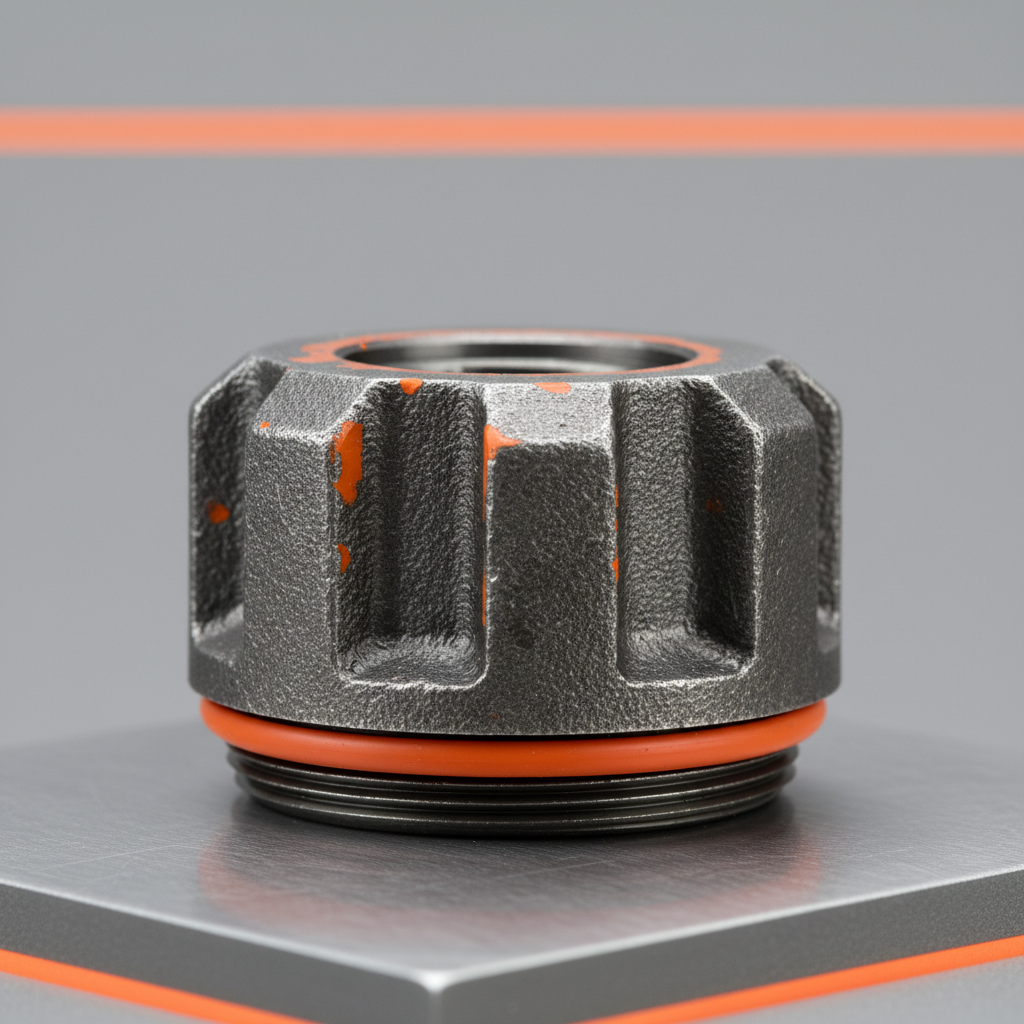
In simple terms, gas pipe caps are heavy-duty closure devices designed to seal the end of a piping system. Unlike simple plugs, these caps are engineered to provide a hermetic seal, often utilizing precision threads or welded interfaces to ensure that zero gas escapes the system, even under extreme pneumatic stress.
From a metallurgical perspective, these components are typically cast from high-grade carbon steel, stainless steel, or specialized alloys depending on the chemical composition of the gas being transported. The casting process must be meticulously controlled to ensure structural homogeneity, as any microscopic void could become a point of failure under high-pressure conditions.
Beyond the physical barrier, modern gas pipe caps are integrated into broader safety protocols. They serve as essential markers for system boundaries, allowing technicians to safely isolate sections of a plant for maintenance without risking exposure to toxic or flammable gases, thus bridging the gap between raw hardware and operational safety.
Core Engineering Factors for Durability
Material Integrity is the primary pillar of high-performance gas pipe caps. The selection of alloys must account for "hydrogen embrittlement" and oxidation, ensuring the cap does not crack or degrade when exposed to caustic gases or extreme outdoor weather conditions over decades of service.
Precision Threading and Sealing Geometry are what separate industrial-grade caps from generic hardware. Using CNC machining to achieve tight tolerances ensures that the gas pipe caps form a leak-proof bond with the pipe, reducing the reliance on secondary sealants and minimizing the risk of "threading galling" during installation.
Pressure Scalability allows these components to be used across various sectors, from low-pressure residential gas lines to ultra-high-pressure industrial reactors. A well-designed cap maintains its structural geometry without deformation, ensuring that the safety factor remains constant regardless of the internal load.
Global Applications and Industrial Use Cases
In real-world contexts, gas pipe caps are indispensable in the oil and gas fields of the Middle East and North America, where they protect wellheads from sand ingress and atmospheric corrosion. In these remote industrial zones, the reliability of a cap prevents costly unplanned shutdowns and ensures the purity of the extracted gas.
Furthermore, in the automotive and electric power sectors, these caps are used in specialized testing rigs and fuel delivery systems. For instance, during the transport of high-pressure gas cylinders for electric power backup systems, secure caps prevent accidental discharge during transit, ensuring the safety of logistics personnel and the general public.
Performance Efficiency of Gas Pipe Caps by Material
Long-Term Value and Safety Advantages
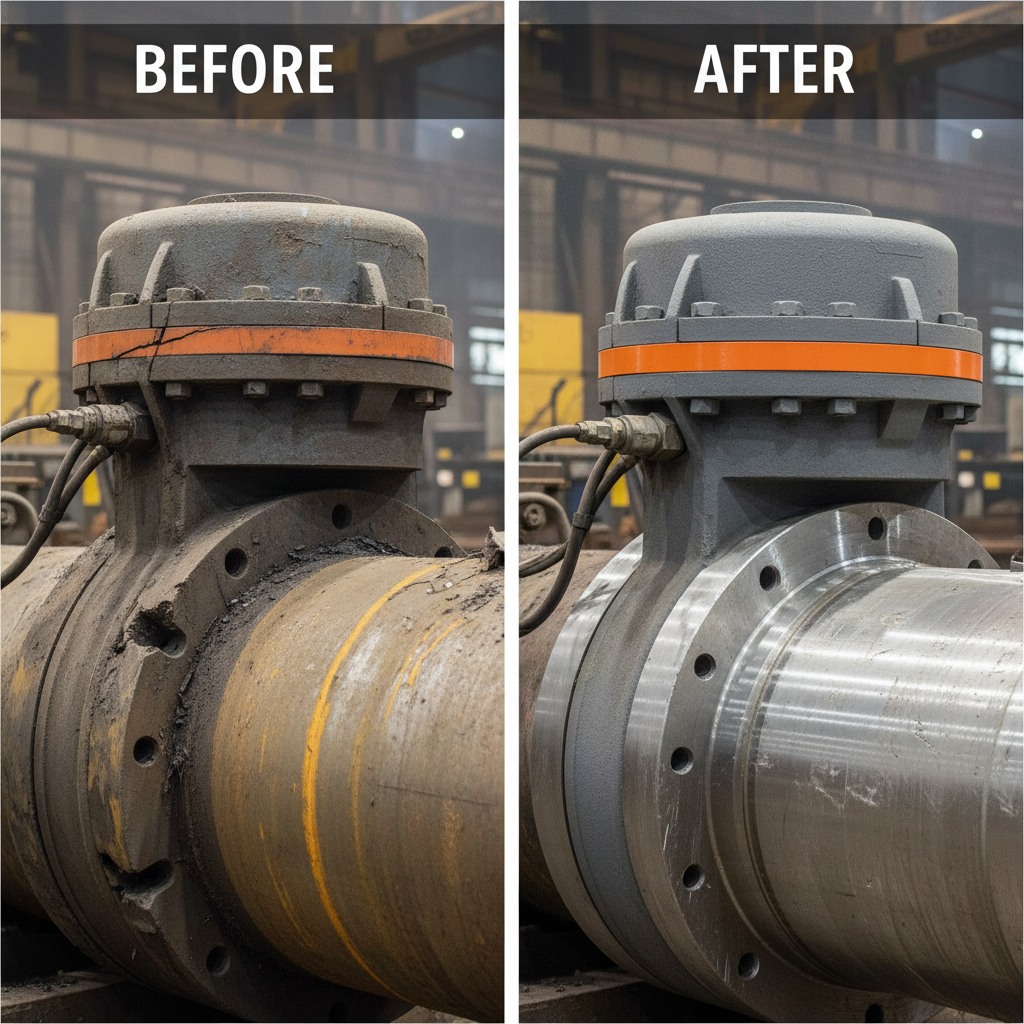
Investing in premium gas pipe caps offers tangible long-term value by drastically reducing maintenance overhead. While low-cost alternatives may seem attractive initially, the cost of a single leak—including potential fines, cleanup, and lost product—far outweighs the initial investment in high-precision cast components.
Beyond the financial logic, there is an emotional and ethical dimension to this choice: safety and trust. When a facility uses certified, high-durability caps, it sends a clear signal to employees and the surrounding community that operational integrity is a priority, fostering a culture of reliability and professional excellence.
Future Trends in Gas Containment Technology
The future of gas pipe caps is being shaped by the "Green Energy Transition." As the world moves toward a hydrogen economy, caps must be redesigned to handle the unique properties of hydrogen molecules, which are much smaller and more prone to leakage than methane, requiring new sealing geometries and advanced alloy compositions.
Digital transformation is also making its way into the casting industry. "Smart caps" equipped with IoT sensors are being developed to monitor internal pressure and detect micro-leaks in real-time. This shift from reactive maintenance to predictive monitoring will allow plant managers to replace caps before a failure occurs, further enhancing system uptime.
Additionally, automation in the manufacturing process—such as 3D metal printing for complex custom geometries—is allowing for the creation of optimized gas pipe caps that are lighter yet stronger, reducing material waste while increasing the safety factor of the entire piping network.
Overcoming Challenges in Cap Implementation
One of the most common challenges in the field is "galvanic corrosion," which occurs when the cap and the pipe are made of dissimilar metals. This can lead to the degradation of the seal over time. The expert solution is to utilize matching metallurgical grades or incorporate specialized dielectric isolation gaskets to prevent the electrochemical reaction.
Another hurdle is the inconsistency of threading standards across different global regions. To overcome this, manufacturers are increasingly adopting universal ISO standards and providing comprehensive certification documents with every shipment of gas pipe caps, ensuring a perfect fit regardless of where the piping system was originally installed.
Finally, the issue of installation error—over-tightening or under-tightening—can compromise the cap's effectiveness. The industry is moving toward torque-limiting installation tools and visual indicators (such as break-away torque seals) that provide an immediate, audible, or visual confirmation that the cap is secured to the exact required specification.
Comparative Analysis of Gas Pipe Cap Implementation Standards
| Material Grade |
Pressure Rating |
Corrosion Resistance |
Ideal Application |
| ASTM A105 Carbon Steel |
High |
Moderate |
General Oil & Gas Lines |
| SS316 Stainless Steel |
Moderate-High |
Excellent |
Chemical Processing |
| Nickel Alloy 625 |
Ultra-High |
Superior |
Deep Sea Pipelines |
| Ductile Iron |
Moderate |
Low-Moderate |
Municipal Gas Distribution |
| Chrome-Moly Steel |
Very High |
High |
High Temp Steam/Gas |
| Titanium Grade 2 |
High |
Absolute |
Aerospace Hydrogen Tanks |
FAQS
Choosing the right material depends on the gas type and environment. For standard natural gas, carbon steel is often sufficient. However, for corrosive chemicals or saltwater environments, SS316 or Nickel alloys are recommended. Always check the pressure rating of the material against your system's peak operating pressure to ensure safety.
It depends on the sealing method. Threaded caps can often be reused if the threads are not damaged. However, for high-pressure applications where a one-time seal or weld was used, it is professional practice to replace the cap to ensure 100% integrity and avoid potential fatigue failure.
A plug is inserted into the fitting, while a cap fits over the end of the pipe. Gas pipe caps are generally preferred for main line terminations because they provide more structural coverage and are easier to remove for future expansion, whereas plugs are typically used for closing off branch lines.
In critical industrial settings, we recommend quarterly visual inspections and semi-annual ultrasonic or soap-bubble leak tests. In highly corrosive environments, the frequency should be increased to monthly to catch early signs of oxidation or seal degradation.
Yes, custom-cast caps are often more reliable because they are engineered for your specific pressure, temperature, and chemical requirements. Off-the-shelf options are general-purpose and may not provide the precise wall thickness or alloy purity required for specialized industrial applications.
The best way to prevent galvanic corrosion is to match the metallurgy of the cap to the pipe. If different metals must be used, apply an anti-seize compound or install a non-conductive gasket between the two surfaces to break the electrical path that drives the corrosion process.
Conclusion
In conclusion, gas pipe caps are far more than simple accessories; they are vital safety components that protect personnel, the environment, and industrial assets. By integrating high-grade materials, precision engineering, and rigorous adherence to global standards, companies can ensure the absolute containment of volatile gases, thereby optimizing operational efficiency and reducing long-term liability.
As the industry pivots toward greener energy sources like hydrogen, the role of these components will only become more critical. We encourage engineers and procurement managers to move beyond "commodity buying" and instead invest in precision-cast solutions that offer documented reliability. For those seeking the highest standards in metal casting and gas containment, visit our website: www.ydcastings.com