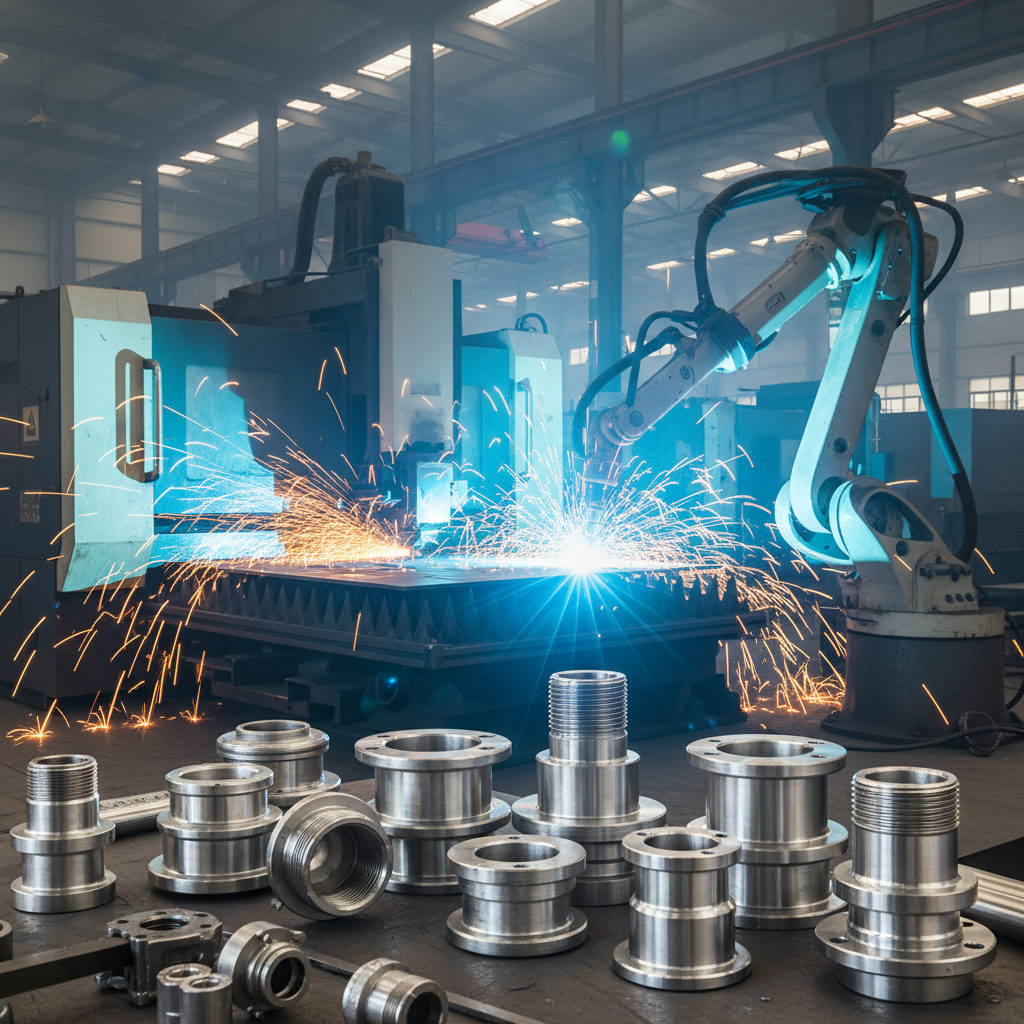
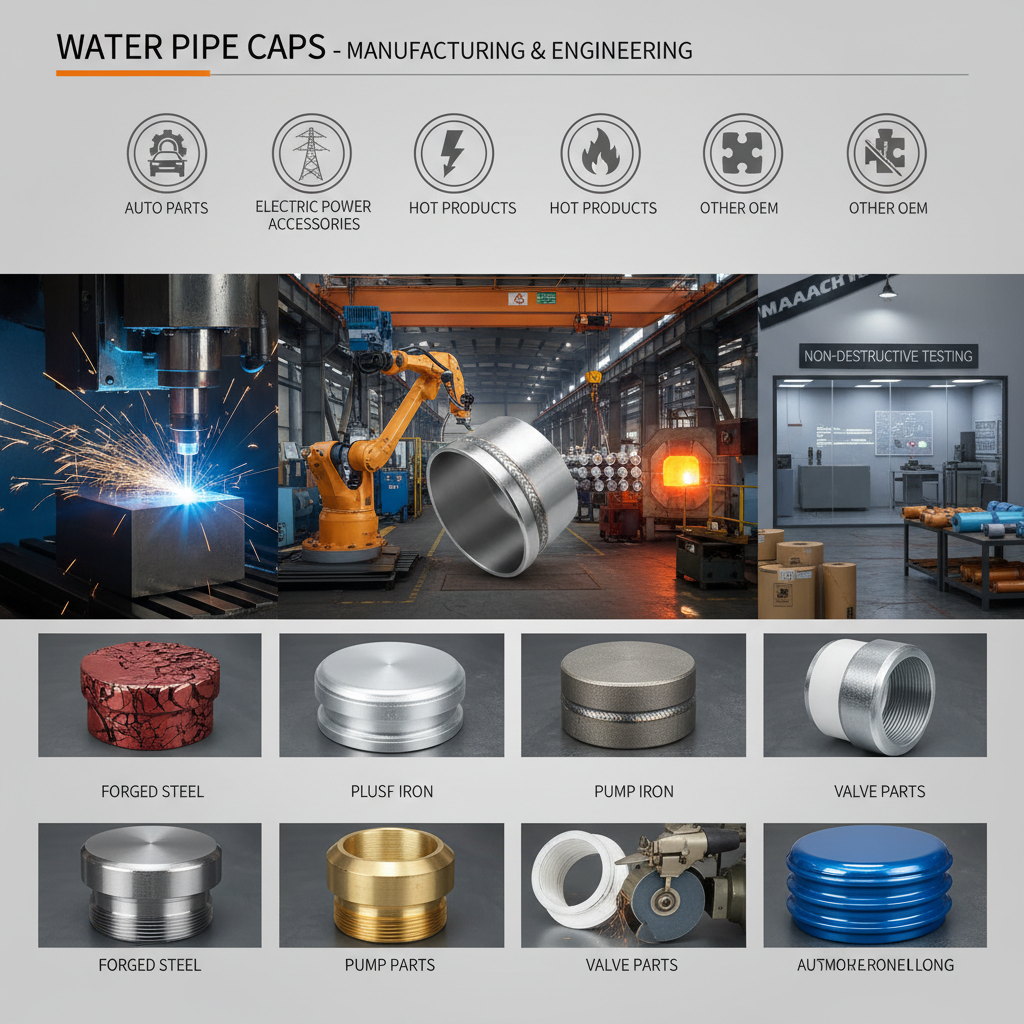
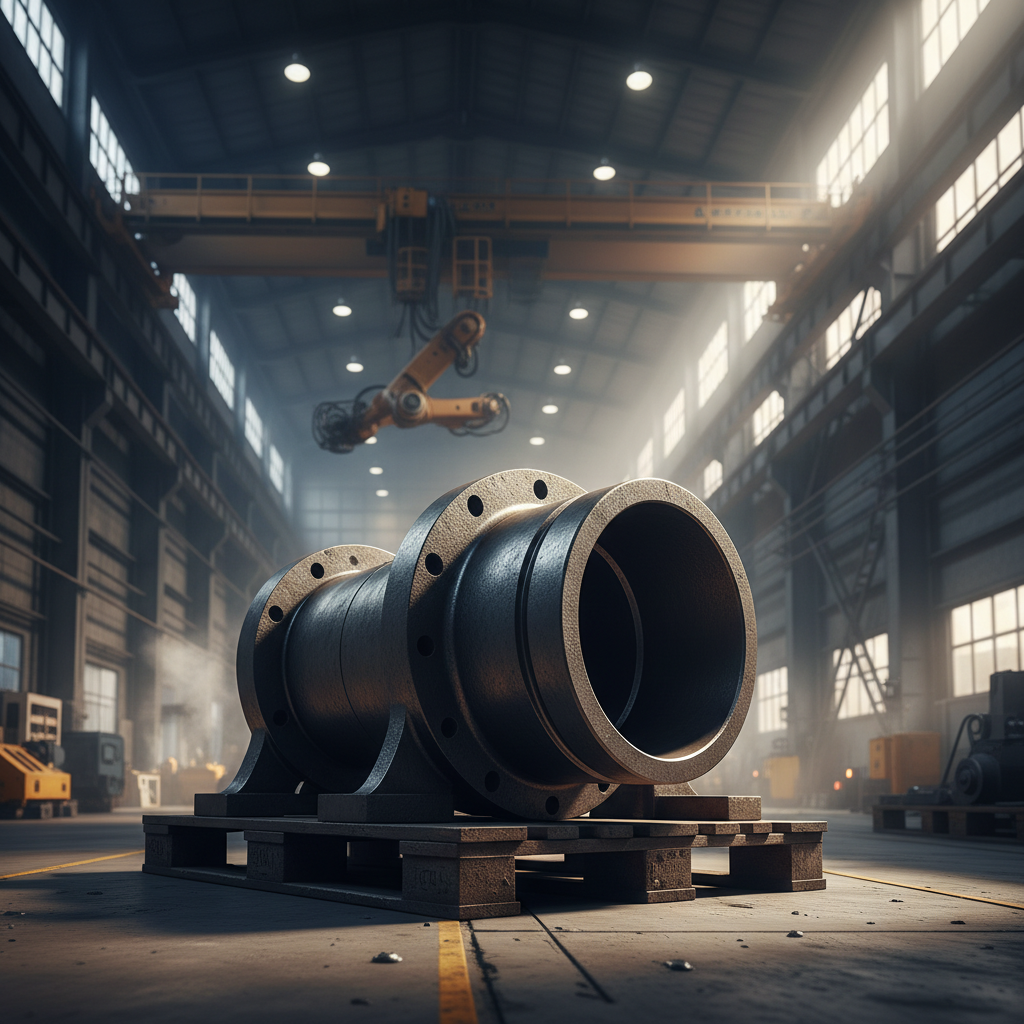
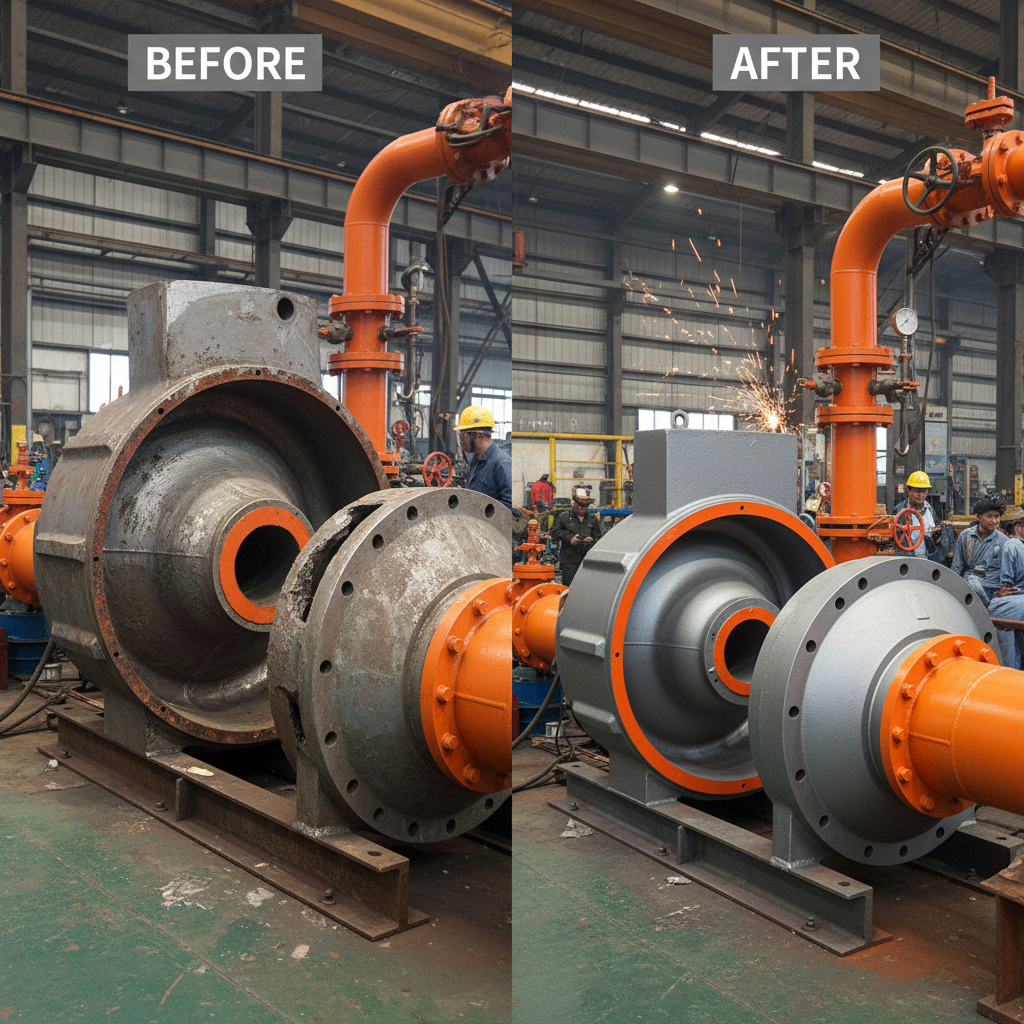
In the complex landscape of industrial fluid management, the role of high-quality water pipe caps cannot be overstated. These critical components serve as the primary defense against system leakage and contamination, ensuring that piping networks in sectors ranging from automotive manufacturing to electric power generation remain airtight and efficient. By providing a secure seal at the termination points of a pipeline, they protect expensive machinery and prevent hazardous fluid loss.
Globally, the demand for precision-engineered water pipe caps has surged as infrastructure projects move toward higher pressure tolerances and more corrosive environments. Whether integrated into pump parts or complex valve assemblies, these caps are not merely "plugs" but are engineered solutions designed to withstand thermal expansion, vibration, and chemical degradation. Understanding the nuances of material selection and casting precision is essential for any operation prioritizing long-term reliability.
Investing in the right sealing solutions directly impacts the operational uptime of an industrial facility. From reducing maintenance costs to meeting stringent ISO safety standards, the implementation of premium water pipe caps ensures that fluid systems operate at peak performance. This comprehensive guide explores the technical dimensions, global applications, and future innovations of these indispensable industrial components.
Global Industry Relevance of Water Pipe Caps
On a global scale, the integrity of water transport systems is a cornerstone of industrial stability. According to international engineering standards, failures in pipeline termination—often caused by inferior water pipe caps—can lead to significant economic losses and environmental hazards. In high-pressure environments like electric power accessories or large-scale pump systems, a single failed cap can trigger a systemic shutdown, emphasizing the need for rigorous quality control.
The challenge lies in the diversity of operating conditions. From the extreme heat of engine cooling systems in auto parts to the corrosive brine of desalination plants, the "one size fits all" approach no longer works. The industry is shifting toward specialized alloys and precision casting to ensure that these components can handle fluctuating pressures and temperature swings without compromising the seal.
Defining Technical Standards for Water Pipe Caps
In simple technical terms, water pipe caps are specialized closures designed to seal the end of a pipe, preventing the escape of fluids or the entry of external contaminants. Unlike temporary plugs, industrial-grade caps are permanent or semi-permanent fixtures that must integrate seamlessly with the pipe's metallurgy and threading, ensuring a leak-proof interface under operational stress.
Beyond their basic function, these components are deeply connected to modern humanitarian and industrial needs. For instance, in the deployment of rapid-response water infrastructure for disaster relief or in remote mining zones, the reliability of these caps determines the viability of clean water access. A failure in the sealing mechanism can lead to water scarcity or contamination of potable sources.
From a manufacturing perspective, the definition of a "quality" cap involves precise tolerances and material purity. Whether it is a cast iron cap for heavy machinery or a stainless steel version for pharmaceutical lines, the core objective remains the same: maintaining the hydraulic integrity of the system while providing an accessible point for future maintenance or system expansion.
Core Engineering Factors in Cap Design
Durability is the primary metric for evaluating water pipe caps. This involves not only the hardness of the material but also its resistance to oxidation and galvanic corrosion. In the casting industry, achieving a uniform grain structure during the cooling process is vital to prevent microscopic voids that could become leak points under high pressure.
Material Compatibility ensures that the cap does not react chemically with the fluid it contains or the pipe it attaches to. For example, using a mismatched alloy in a cooling system can lead to accelerated corrosion, whereas a perfectly matched water pipe cap maintains a stable electrochemical environment, extending the lifespan of the entire assembly.
Precision Fitting and Scalability allow these components to be used across various product categories, from small-scale Auto Parts to massive Electric Power Accessories. The ability to maintain tight tolerances across different diameters ensures that whether the application is a residential pump or an industrial valve system, the seal remains absolute and installation remains efficient.
Practical Performance Analysis of Cap Materials
Selecting the appropriate material for water pipe caps is a balancing act between cost, weight, and environmental resistance. While cast iron offers unmatched strength for heavy-duty pump parts, stainless steel is preferred for environments where hygiene and corrosion resistance are paramount. Modern alloys have introduced a middle ground, offering high strength-to-weight ratios that reduce shipping costs without sacrificing safety.
To better understand the performance gap, we analyze different casting methods and material grades based on their efficiency in high-pressure environments. The data indicates that precision investment casting generally outperforms sand casting in terms of seal integrity and surface finish, which are critical for reducing friction and preventing leak paths.
Performance Rating of Water Pipe Caps Materials
Global Applications and Use Cases
In the automotive sector, water pipe caps are essential for engine cooling systems. They ensure that coolant is retained under high pressure, preventing engine overheating and ensuring optimal fuel efficiency. These caps must withstand rapid thermal cycling, moving from freezing ambient temperatures to boiling operating heat in a matter of minutes.
Beyond the engine bay, these components are critical in remote industrial zones and post-disaster relief operations. When establishing temporary water distribution networks in crisis zones, high-quality caps allow for modular expansion. Engineers can seal off sections of a pipeline during construction and later remove the caps to extend the network, providing a flexible and reliable way to deliver clean water to thousands of people.
Long-Term Value and Sustainability Benefits
The long-term value of investing in premium water pipe caps is reflected in the total cost of ownership. While cheaper alternatives may offer initial savings, the risk of leakage and the subsequent need for emergency repairs far outweigh the upfront cost. Reliability creates trust between the manufacturer and the end-user, ensuring that critical infrastructure remains operational for decades.
Sustainability is another key driver. By eliminating leaks, these components prevent the waste of millions of gallons of treated water globally. In industrial settings, preventing the leakage of chemical-laden water protects the surrounding soil and groundwater, reducing the environmental footprint of the plant and ensuring compliance with increasingly strict green regulations.
Ultimately, the use of precision-cast caps promotes a culture of "doing it right the first time." This shift toward quality reduces the volume of replacement parts entering landfills and lowers the energy consumption associated with constant maintenance cycles, aligning industrial growth with ecological responsibility.
Future Trends in Casting and Sealing Tech
The future of water pipe caps is being shaped by the digital transformation of the casting process. 3D printing and additive manufacturing are allowing for the creation of complex internal geometries that optimize fluid flow and reduce material waste. This "smart casting" approach ensures that every cap is optimized for its specific pressure and temperature environment.
Automation and AI-driven quality inspection are also revolutionizing the field. Real-time ultrasonic scanning can now detect internal porosities in a cast cap before it ever leaves the factory, ensuring a 0% failure rate for mission-critical applications in the electric power and valve sectors. This move toward "zero-defect" manufacturing is essential for the next generation of high-pressure systems.
Furthermore, the integration of "smart materials"—alloys that can signal their own wear or fatigue through subtle changes in electrical conductivity—is on the horizon. This would allow operators to replace water pipe caps based on actual condition rather than a predetermined schedule, maximizing efficiency and minimizing downtime.
Comparison of Traditional vs. Advanced Water Pipe Cap Technologies
| Technology Type |
Material Precision |
Pressure Tolerance |
Lifespan Score (1-10) |
| Sand Casting |
Moderate |
Standard |
6 |
| Investment Casting |
High |
High |
9 |
| CNC Machined |
Ultra-High |
Very High |
8 |
| 3D Metal Printing |
Customized |
Optimal |
10 |
| Die Casting |
High |
Moderate |
7 |
| Composite Molding |
Moderate |
Low-Medium |
5 |
FAQS
Choosing the right material depends on three main factors: the fluid being transported, the operating pressure, and the environmental temperature. For high-pressure automotive cooling, alloy steels are best. For corrosive chemical environments, stainless steel is recommended. For heavy-duty structural pump parts, cast iron provides the necessary strength and stability.
Yes, provided the caps are designed for semi-permanent installation and the sealing gaskets or threads have not been compromised. However, we recommend inspecting the sealing surface for corrosion or warping before re-installation to avoid potential leaks in high-pressure systems.
A plug is inserted into the end of a pipe, whereas a cap fits over the outside of the pipe. Caps generally provide a more secure and robust seal for long-term closure, as they encapsulate the pipe end, making them the preferred choice for critical industrial applications.
The most effective way is to ensure that the water pipe caps are made from the same or a compatible metal as the piping system. If different metals must be used, employing non-conductive gaskets or specialized coatings can break the electrical path and prevent corrosion.
Absolutely. Custom-cast caps are engineered for the specific pressure and chemical requirements of your system. This precision reduces the risk of catastrophic failure and eliminates the need for frequent replacements, resulting in lower operational costs and higher safety margins over the system's lifecycle.
Look for ISO 9001 for quality management and specific material certifications (such as ASTM or DIN standards). For applications in power plants or automotive sectors, ensure the manufacturer follows IATF 16949 or similar industry-specific rigorous testing protocols.
Conclusion
Throughout this analysis, we have seen that water pipe caps are far more than simple accessories; they are critical engineering components that ensure the safety, efficiency, and sustainability of global industrial fluid systems. From the precision of investment casting to the application of advanced alloys, the quality of these seals directly correlates with the reliability of everything from automotive engines to national power grids.
As we move toward a future defined by smart manufacturing and ecological accountability, the role of high-performance sealing solutions will only grow. By prioritizing material compatibility and precision engineering today, companies can safeguard their infrastructure against the failures of tomorrow. For professional-grade sealing solutions and custom casting expertise, we invite you to explore our full range of industrial components. Visit our website: www.ydcastings.com