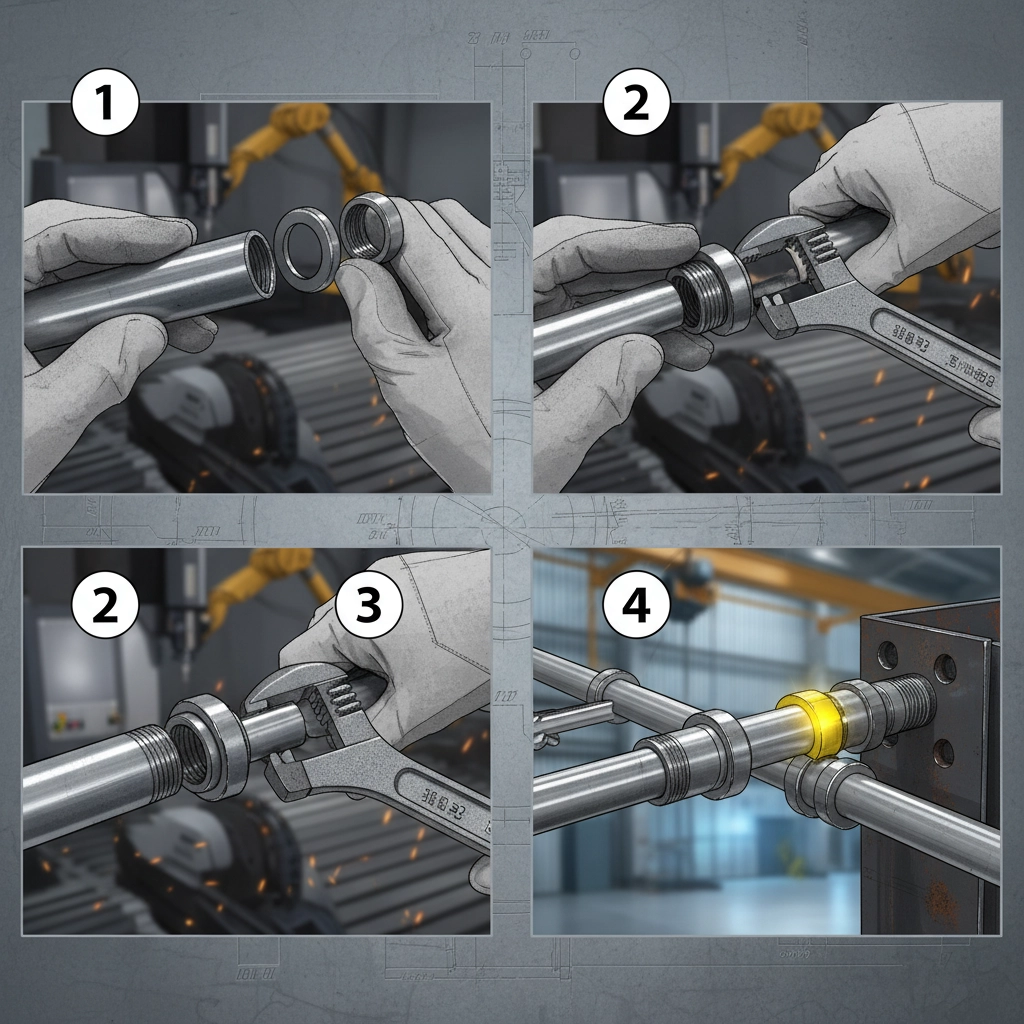
In the intricate world of electrical infrastructure, the reliability of a system is often determined by its smallest components. 1 2 emt connectors serve as critical junction points that ensure Electrical Metallic Tubing (EMT) is securely fastened and electrically continuous. Without high-precision connectors, the risk of wiring failure and electrical interference increases, making these components indispensable for modern industrial and commercial construction.
Globally, the demand for robust conduit systems has surged alongside the expansion of smart cities and automated manufacturing plants. The integration of 1 2 emt connectors allows engineers to maintain strict adherence to safety codes while providing the flexibility needed for complex wiring layouts. By bridging the gap between conduit segments, these connectors protect critical circuitry from physical damage and environmental stressors.
Understanding the nuances of these connectors—from their metallurgical composition to their installation torque—is essential for any project manager or electrical contractor. Choosing the right grade of 1 2 emt connectors not only ensures immediate operational success but also reduces long-term maintenance costs and enhances the overall safety of the electrical grid.
Global Relevance of 1 2 EMT Connectors
The global electrical conduit market is governed by stringent standards such as UL and ISO, ensuring that components like 1 2 emt connectors meet precise mechanical and conductive requirements. As urban density increases, the need for organized, protected cabling has made these connectors a staple in infrastructure projects from North America to Southeast Asia. The shift toward modular building techniques has further emphasized the need for connectors that are easy to install yet virtually permanent in their grip.
However, a recurring challenge in the industry is the degradation of connectors due to corrosion in humid or saline environments. This is where advanced metallurgy in 1 2 emt connectors becomes a game-changer. By utilizing zinc-plated steel or high-grade aluminum alloys, manufacturers are now producing components that withstand harsh conditions, reducing the risk of systemic electrical failure in critical power accessories and industrial pump systems.
Technical Definition and Industry Purpose
In technical terms, 1 2 emt connectors are specialized hardware components designed to join a piece of Electrical Metallic Tubing (EMT) to another conduit, a junction box, or a panel. Their primary purpose is to provide a secure mechanical connection that prevents the conduit from pulling apart while maintaining a path for electrical grounding, which is essential for preventing shocks and equipment damage.
Beyond mere fastening, these connectors play a pivotal role in electromagnetic interference (EMI) shielding. By ensuring a tight, seamless fit between the conduit and the fitting, 1 2 emt connectors help contain electrical noise within the conduit system, which is critical for high-precision electronic environments like data centers or medical facilities.
From a humanitarian and safety perspective, the widespread use of standardized 1 2 emt connectors allows for rapid deployment of electrical infrastructure in disaster-stricken areas. When rebuilding power grids, the ability to use universal, high-strength connectors ensures that temporary installations can be quickly converted into permanent, safe, and code-compliant systems.
Core Components and Durability Factors
The efficacy of 1 2 emt connectors depends largely on their material composition. Most industrial-grade connectors are crafted from die-cast zinc or stamped steel, providing the necessary rigidity to withstand the physical stresses of an industrial environment. The precision of the inner diameter is paramount to ensure a snug fit with the EMT pipe.
Another critical factor is the coating process. To prevent oxidation, 1 2 emt connectors often undergo a galvanization process. This protective layer is what allows these components to be used in diverse settings, from dry warehouses to dampened basement pump rooms, without losing structural integrity over decades of service.
Finally, the locking mechanism—whether it is a set-screw or a compression style—determines the scalability and speed of installation. Compression-type 1 2 emt connectors offer a more secure, vibration-resistant seal, making them the preferred choice for heavy machinery environments where constant movement could loosen a standard screw.
Performance Metrics in Practical Applications
When evaluating the performance of 1 2 emt connectors, industry professionals look at several key metrics: pull-out strength, conductivity, and ease of installation. A high-performing connector must be able to withstand significant axial tension without slipping, ensuring that the wires inside remain protected and the conduit remains aligned.
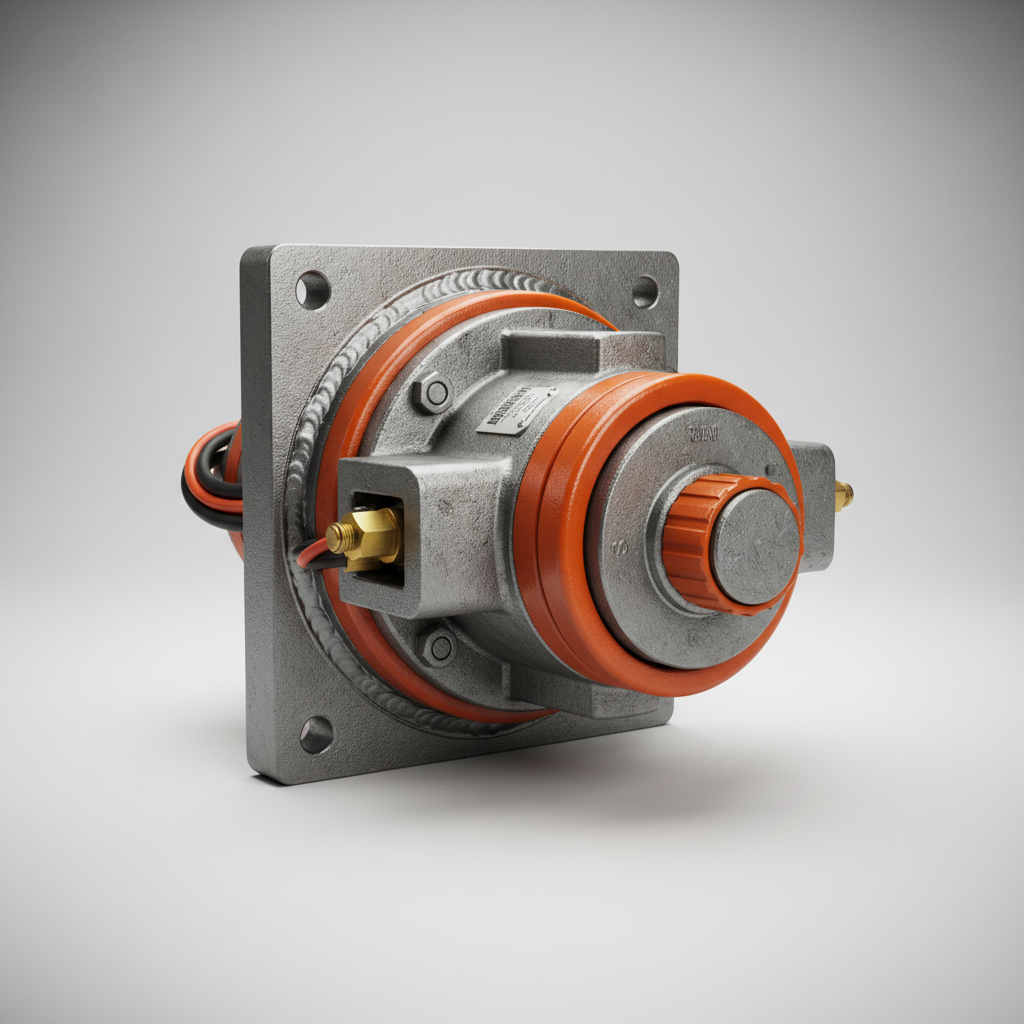
In comparison to alternative fastening methods, specialized connectors offer a superior balance of cost and reliability. By utilizing a standardized size, these components allow for rapid assembly lines in the production of electric power accessories and valve parts, ensuring that every unit produced meets the same rigorous safety specifications.
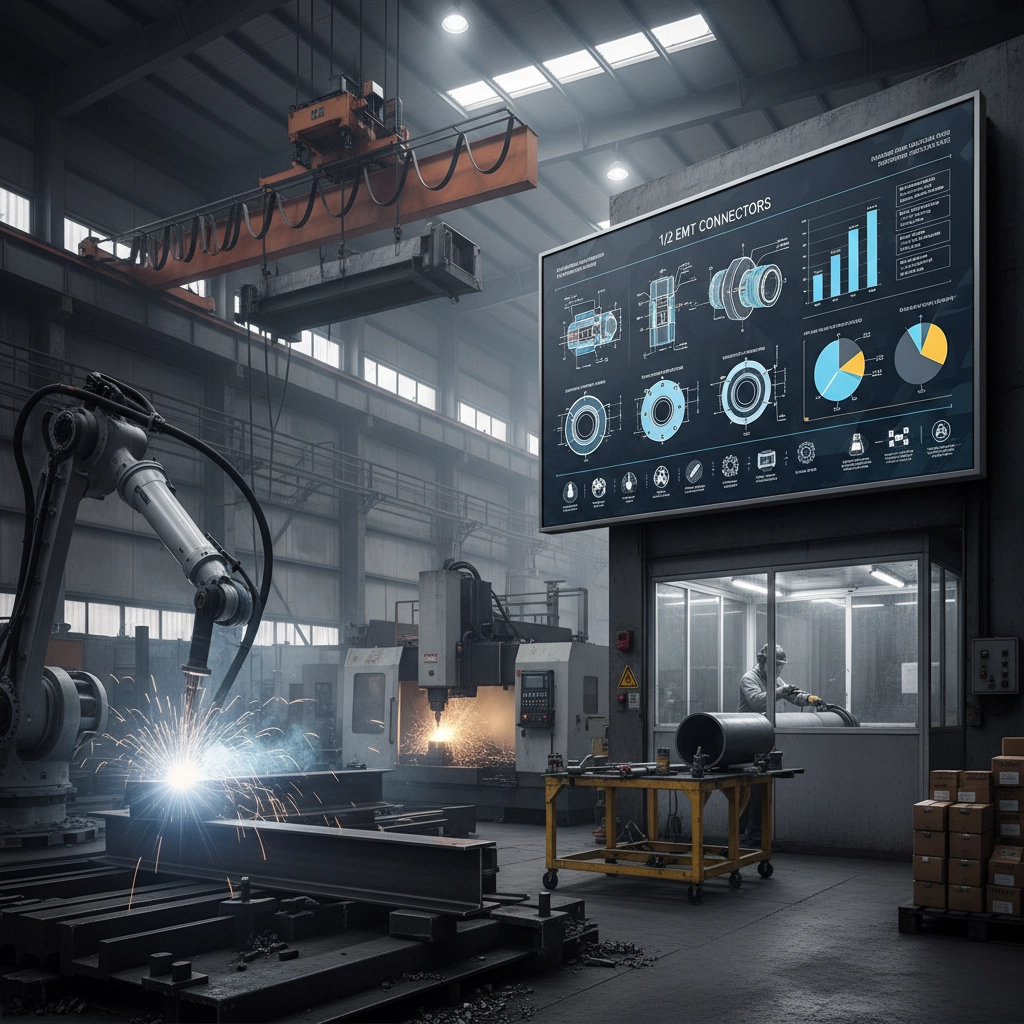
Comparative Performance Analysis of 1 2 EMT Connectors
Global Use Cases Across Industrial Sectors
In the realm of heavy manufacturing, 1 2 emt connectors are extensively used to route power to robotic arms and conveyor systems. These environments are characterized by high vibration and electrical noise; therefore, the use of high-torque compression connectors is vital to prevent loosening and ensure a constant ground path, thereby protecting sensitive PLC controllers from surges.
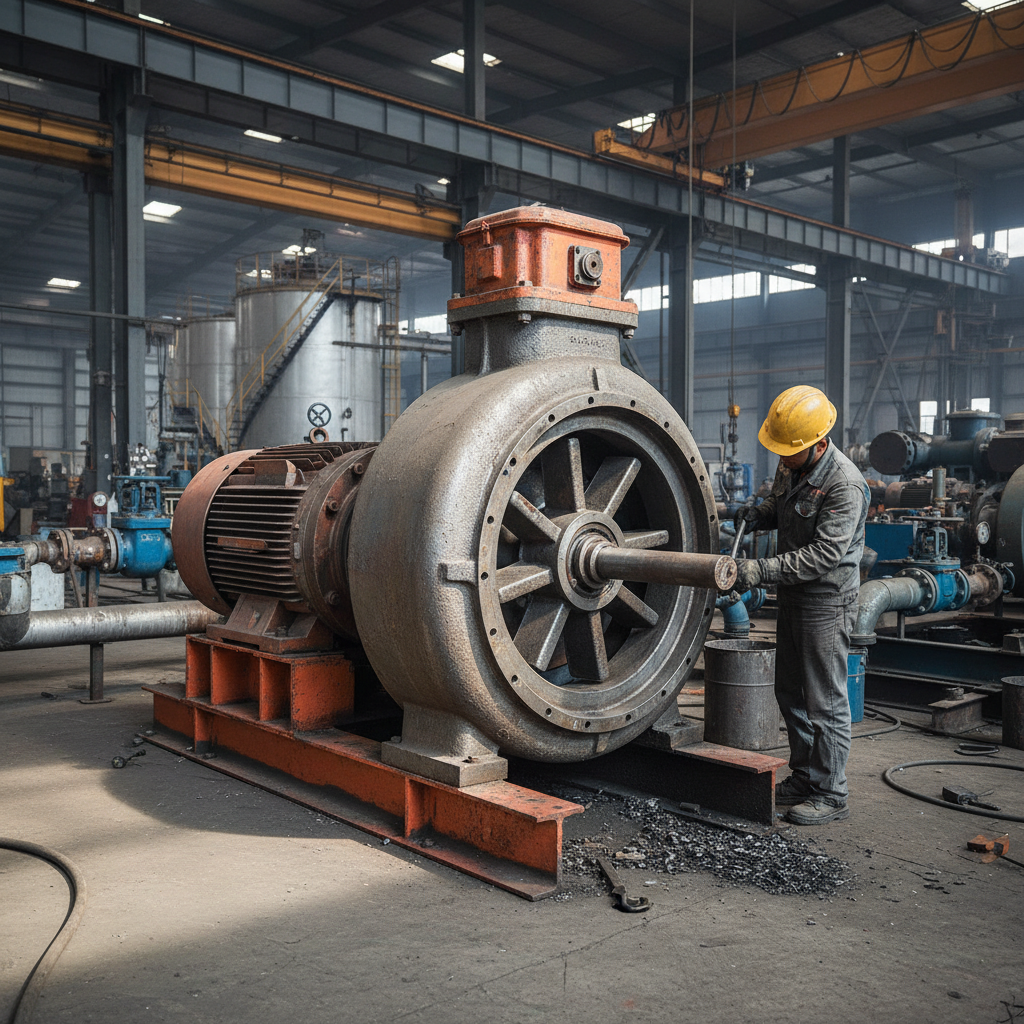
Beyond the factory floor, these connectors are essential in remote industrial zones, such as mining sites or oil refineries. In these areas, the harsh climate—ranging from extreme heat to high humidity—demands 1 2 emt connectors with superior anti-corrosive properties. By implementing these high-standard fittings, operators can ensure that power distribution to critical pump parts and valve systems remains uninterrupted.
Long-term Value and Reliability Benefits
The long-term value of investing in premium 1 2 emt connectors manifests in the reduction of "lifecycle cost." While lower-grade connectors may offer initial savings, they often fail prematurely due to corrosion or mechanical fatigue. High-quality connectors eliminate the need for frequent inspections and replacements, providing peace of mind to facility managers and ensuring the dignity of a safe working environment.
Furthermore, the reliability of these connectors directly impacts operational uptime. In a commercial setting, a single loose connection can lead to a short circuit that shuts down an entire production line. By utilizing certified 1 2 emt connectors, companies invest in the stability of their infrastructure, effectively treating the connector not as a commodity, but as a critical safety component.
Ultimately, the choice of hardware reflects a company's commitment to innovation and trust. Using industry-leading 1 2 emt connectors demonstrates a proactive approach to risk management, aligning the physical installation with modern safety standards and ensuring that the electrical skeleton of the building is built to last for generations.
Future Trends in Conduit Connection Tech
As we move toward Industry 4.0, the evolution of 1 2 emt connectors is being driven by the need for smarter, more sustainable materials. We are seeing a shift toward the use of recycled high-strength alloys and eco-friendly plating processes that reduce the environmental footprint of manufacturing without compromising the mechanical strength of the connector.
Digital transformation is also touching the installation process. The integration of torque-sensing tools and automated installation systems is making the deployment of 1 2 emt connectors more precise, removing human error from the equation. This ensures that every connection is tightened to the exact specification required for maximum conductivity and safety.
Moreover, the rise of green energy is creating new demands for conduit systems. Solar arrays and wind turbine control centers require specialized 1 2 emt connectors that can withstand extreme UV exposure and rapid temperature fluctuations. The future of the industry lies in the development of "hybrid" connectors that combine metallic strength with advanced polymer seals for unprecedented weatherproofing.
Analysis of 1 2 EMT Connector Specifications and Performance
| Connector Type |
Corrosion Resistance |
Installation Speed |
Vibration Stability |
| Standard Set-Screw |
Moderate |
Very High |
Low |
| Compression Fitting |
High |
Moderate |
Very High |
| Zinc-Plated Steel |
High |
High |
Moderate |
| Aluminum Alloy |
Very High |
High |
Moderate |
| Stainless Steel |
Extreme |
Low |
High |
| Die-Cast Zinc |
Moderate |
High |
High |
FAQS
Set-screw connectors are faster to install and ideal for dry, indoor environments where the conduit is unlikely to be disturbed. Compression connectors provide a tighter, more secure seal and are better suited for areas prone to vibration or moisture, as they grip the conduit more uniformly and offer better protection against the elements.
Not all connectors are UL listed. UL listing ensures that the connector has undergone rigorous safety testing for mechanical strength and electrical conductivity. Using non-certified connectors can lead to failed building inspections, insurance complications, and, more importantly, a higher risk of electrical fires or grounding failures.
The best way to prevent corrosion is to select connectors with high-quality galvanized coatings or to opt for stainless steel or aluminum alloys. Additionally, ensuring that the connection is tightened to the correct specification prevents moisture from seeping into the joint, which is a primary cause of internal oxidation.
No, EMT connectors are specifically designed for Electrical Metallic Tubing. PVC conduits require different adhesive or threaded fittings. Using an EMT connector on PVC would fail to provide the necessary mechanical grip and would completely eliminate the electrical grounding path required for metallic systems.
In high-vibration industrial zones, we recommend a visual and physical inspection every 12 to 24 months. Inspectors should check for signs of corrosion, loosening of set-screws, or any physical deformation of the connector body to ensure the integrity of the conduit system remains intact.
Yes, they do. Because EMT is a conductive material, a secure connection provided by a high-quality connector ensures that the conduit acts as a continuous Faraday cage. This shields the internal wiring from external electromagnetic interference and prevents the wires from emitting noise that could affect other electronic devices.
Conclusion
In summary, 1 2 emt connectors are far more than simple fasteners; they are the guardians of electrical continuity and structural safety in modern infrastructure. From their role in EMI shielding to their critical function in grounding, these components ensure that power is delivered safely and reliably across diverse industrial landscapes. By focusing on material quality, precise installation, and adherence to global standards, engineers can build systems that are not only efficient but also incredibly resilient.
Looking forward, the integration of sustainable materials and automated installation will further elevate the role of these components. As we transition to more complex energy grids and automated factories, the demand for high-precision 1 2 emt connectors will only grow. We encourage project managers and contractors to prioritize certified, high-grade fittings to ensure the longevity and safety of their installations. Visit our website for more professional solutions: www.ydcastings.com