English

English
Mobile:+86-311-808-126-83
Email:info@ydcastings.com
English
Water pump connectors are critical components in a vast array of systems, from agricultural irrigation and municipal water supplies to industrial cooling and even residential plumbing. Their primary function – to reliably and securely join pipes, pumps, and other components – underpins the efficient and safe delivery of water. The global demand for these connectors is substantial and growing, driven by increasing populations, expanding industrialization, and the urgent need for improved water management practices. Understanding the nuances of water pump connector design, materials, and applications is paramount for engineers, technicians, and anyone involved in water infrastructure development.
The importance of a properly selected and installed water pump connector extends far beyond simply preventing leaks. A failure in a connector can lead to significant water loss, disrupting essential services, damaging equipment, and even posing health risks. Furthermore, the longevity and efficiency of entire water systems are directly impacted by the quality of these often-overlooked components. This is particularly crucial in regions facing water scarcity, where minimizing waste and maximizing resource utilization are critical priorities. The selection of the correct water pump connector is paramount to system reliability.
Advances in materials science and manufacturing techniques are constantly pushing the boundaries of water pump connector performance. From corrosion-resistant alloys and high-strength polymers to innovative sealing technologies, modern connectors are designed to withstand harsh operating conditions, deliver exceptional durability, and minimize maintenance requirements. This ultimately translates into reduced lifecycle costs and improved overall system reliability, making informed connector selection a sound investment.

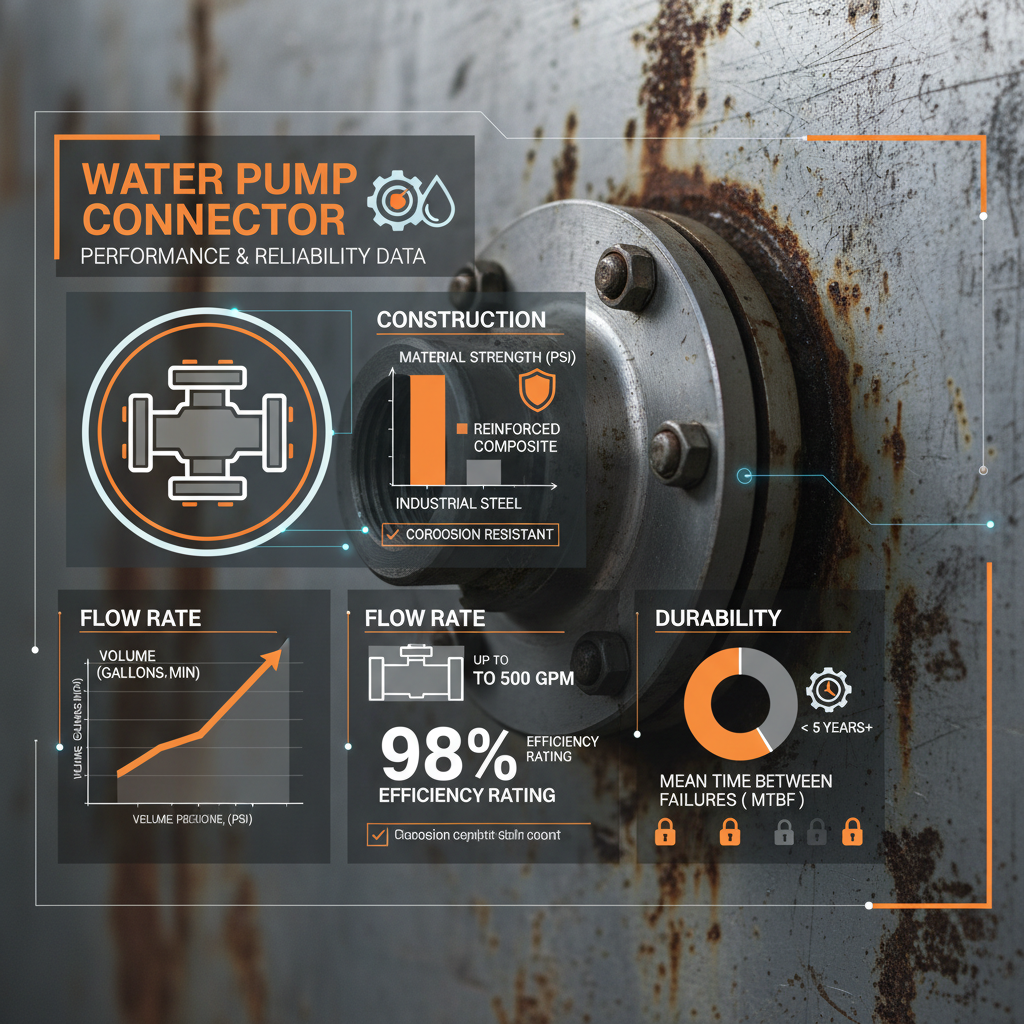
The fundamental role of a water pump connector is to create a leak-proof and structurally sound joint between various components within a water system. This necessitates careful consideration of factors like pressure rating, material compatibility, and the specific fluid being transported. Modern designs prioritize ease of installation, minimizing downtime and reducing labor costs. A robust water pump connector is an investment in system integrity.
Historically, water pump connectors were often simple threaded fittings. However, advancements in technology have led to the development of quick-connect couplings, flange connections, and a wide range of specialized connectors designed for specific applications. These innovations have significantly improved system efficiency, reliability, and safety, addressing the evolving needs of diverse industries and communities.
While material selection depends heavily on the application, stainless steel is exceptionally common due to its excellent corrosion resistance and durability. Ductile iron and various polymers are also frequently used, particularly in applications where cost-effectiveness or specific chemical compatibility is a priority. The ideal material will balance performance requirements with budgetary constraints.
The pressure rating of a connector must exceed the maximum operating pressure of the system it will be used in. Factors to consider include pump output pressure, static head, and potential pressure surges. It’s always best to choose a connector with a safety margin to account for unforeseen pressure fluctuations. Consult the manufacturer’s specifications and relevant industry standards.
Quick-connect couplings are connectors that allow for fast and easy connection and disconnection without the use of tools. They offer significant time savings during installation and maintenance, are ideal for applications where frequent disconnection is required, and can improve worker safety by reducing the risk of injury.
Corrosion can be minimized by selecting connectors made from corrosion-resistant materials like stainless steel or specialized alloys. Properly preparing the surfaces to be joined, using appropriate sealants, and avoiding galvanic corrosion (by using compatible metals) are also crucial preventative measures. Regular inspections can help identify and address corrosion issues early on.
Sealing materials, such as O-rings, gaskets, and thread sealants, are vital for creating a watertight connection. They prevent leaks and maintain system pressure. The choice of sealing material should be based on the fluid being transported, the operating temperature, and the pressure requirements. Regularly inspecting and replacing seals is essential for maintaining connector integrity.
Yes, water pump connectors often need to comply with standards set by organizations like ISO, ASTM, and ANSI. These standards specify requirements for materials, design, testing, and performance. Compliance ensures product quality, safety, and interchangeability. Always verify that the connectors you choose meet the relevant standards for your application.
In conclusion, water pump connectors are far more than simple plumbing components; they are critical elements in ensuring the reliable, efficient, and sustainable delivery of water across a vast range of industries and applications. From safeguarding municipal water supplies to supporting agricultural productivity and enabling humanitarian aid efforts, the performance of these connectors directly impacts the well-being of communities worldwide. Understanding the key factors influencing their performance, the latest innovations, and the importance of adherence to industry standards is essential for anyone involved in water infrastructure development.
Looking ahead, the integration of smart technologies, the development of advanced materials, and a growing emphasis on sustainability will continue to drive innovation in the field of water pump connectors. By embracing these advancements and prioritizing quality, durability, and responsible water management practices, we can build more resilient and efficient water systems for the future. Visit our website at www.ydcastings.com to learn more about our range of high-performance water pump connectors.