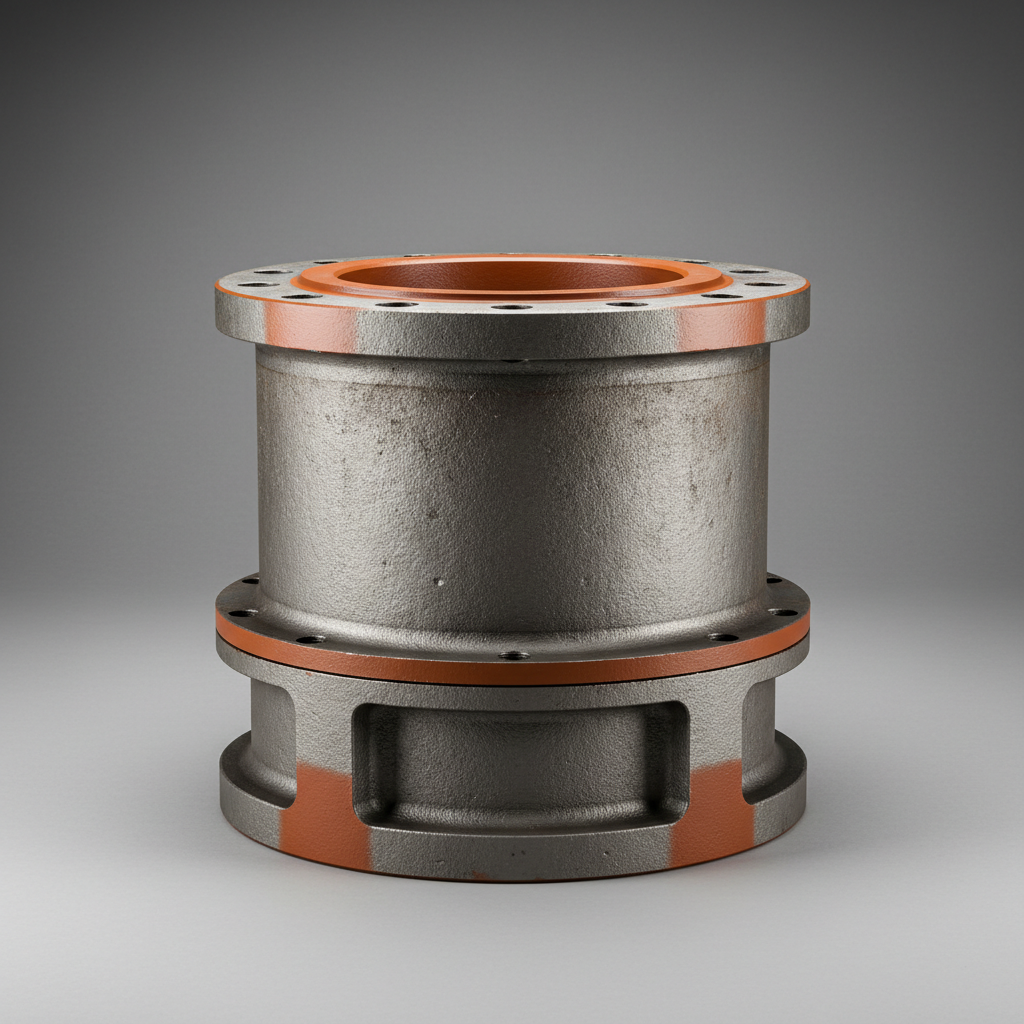
In the intricate world of industrial casting and precision engineering, the end plug serves as a critical yet often overlooked component. These specialized sealing elements are essential for maintaining the structural integrity of fluid systems, preventing leaks, and ensuring that high-pressure environments remain contained within their designated boundaries across various heavy-duty applications.
From the automotive sector to power generation and complex valve systems, the reliability of an end plug directly impacts the operational safety and efficiency of the entire machinery. A failure in this small component can lead to catastrophic system downtime, environmental contamination, or costly repairs, making the choice of material and precision machining paramount.
Understanding the nuances of end plug design allows engineers to optimize their systems for longevity and performance. By integrating advanced metallurgy and strict quality control standards, manufacturers can produce plugs that withstand extreme temperatures, corrosive chemicals, and immense mechanical stress.
Global Significance of End Plug Engineering
On a global scale, the demand for high-precision end plug components is driven by the expansion of the energy and automotive sectors. As ISO standards for pressure vessel safety become more stringent, the need for components that can guarantee zero-leakage under extreme conditions has moved from a luxury to a mandatory requirement for international trade and safety certification.
The challenge facing modern industry is the balance between cost-effective mass production and the rigorous tolerances required for a perfect seal. In regions with rapidly growing industrialization, such as Southeast Asia and Latin America, the implementation of superior casting techniques for the end plug helps reduce waste and prevents environmental hazards associated with fluid leaks in pump and valve stations.
Technical Definitions and Industrial Roles
In simple technical terms, an end plug is a precision-machined closure device used to seal the end of a pipe, tube, or manifold. Unlike temporary caps, these are typically engineered for semi-permanent or permanent installation, utilizing threaded or press-fit mechanisms to ensure a hermetic seal that prevents the escape of gases or liquids.
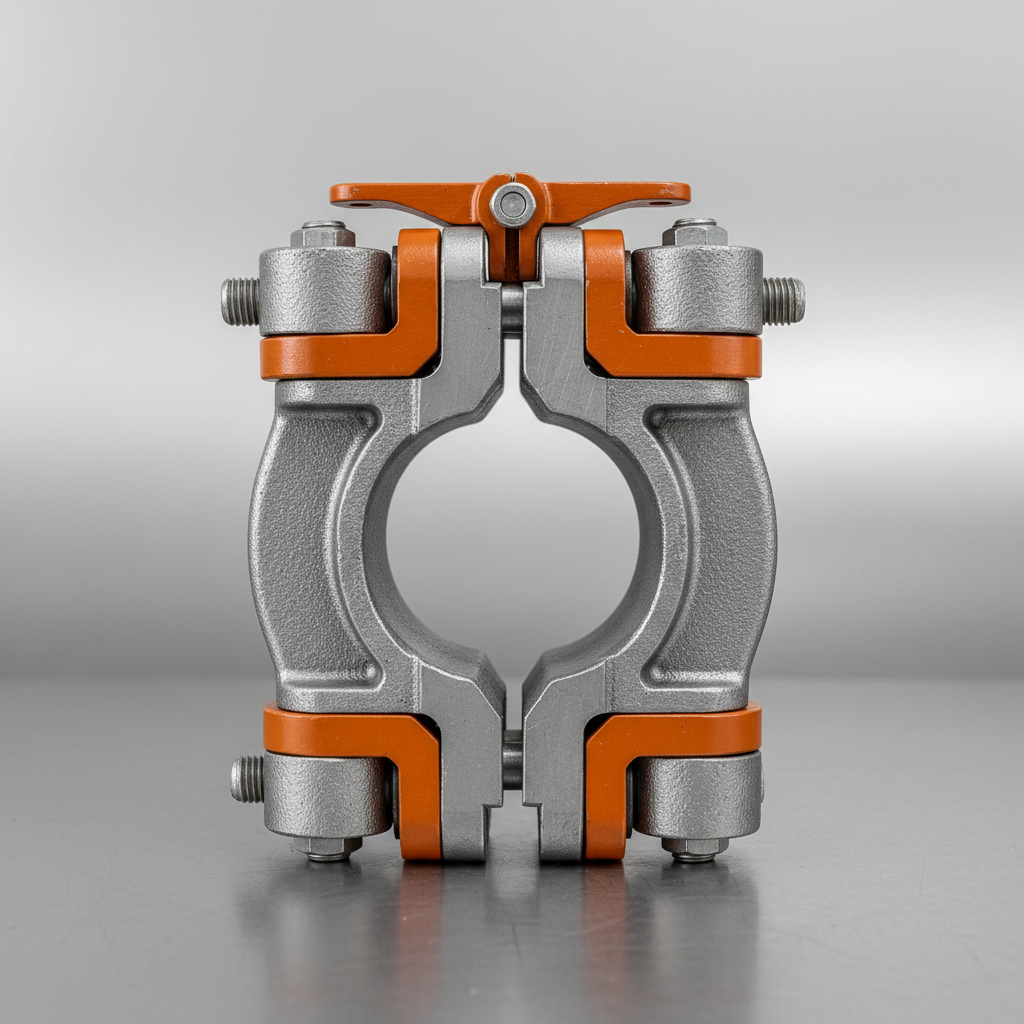
Beyond the basic definition, these components play a vital role in "modular" industrial design. By using a high-quality end plug, manufacturers can produce standardized pump or valve bodies and then customize the configuration by sealing off unused ports, thereby streamlining the production line and reducing inventory complexity.
In the context of modern humanitarian and infrastructure needs—such as water purification systems in remote areas—the reliability of the end plug is non-negotiable. A failure in a water transport line's sealing component can render an entire community's water supply useless, highlighting the bridge between high-end metallurgy and basic human necessity.
Core Components of High-Performance Sealing
The effectiveness of an end plug is primarily determined by its material composition and surface finish. For instance, stainless steel and specialized alloys are often employed to provide the necessary corrosion resistance, ensuring that the plug does not degrade when exposed to saltwater or acidic industrial chemicals.
Dimensional accuracy is the second critical factor. A end plug must be machined to micron-level tolerances to avoid "micro-leaks," which can be devastating in high-pressure hydraulic systems. This requires a combination of advanced investment casting and precision CNC turning to ensure the threads or seating surfaces are perfectly concentric.
Finally, the integration of sealing interfaces—such as O-rings or tapered seats—determines the scalability of the end plug. Depending on whether the application is for a small auto part or a massive electric power accessory, the sealing mechanism must be scaled to handle the specific torque and pressure requirements of the system.
Performance Metrics and Material Efficiency
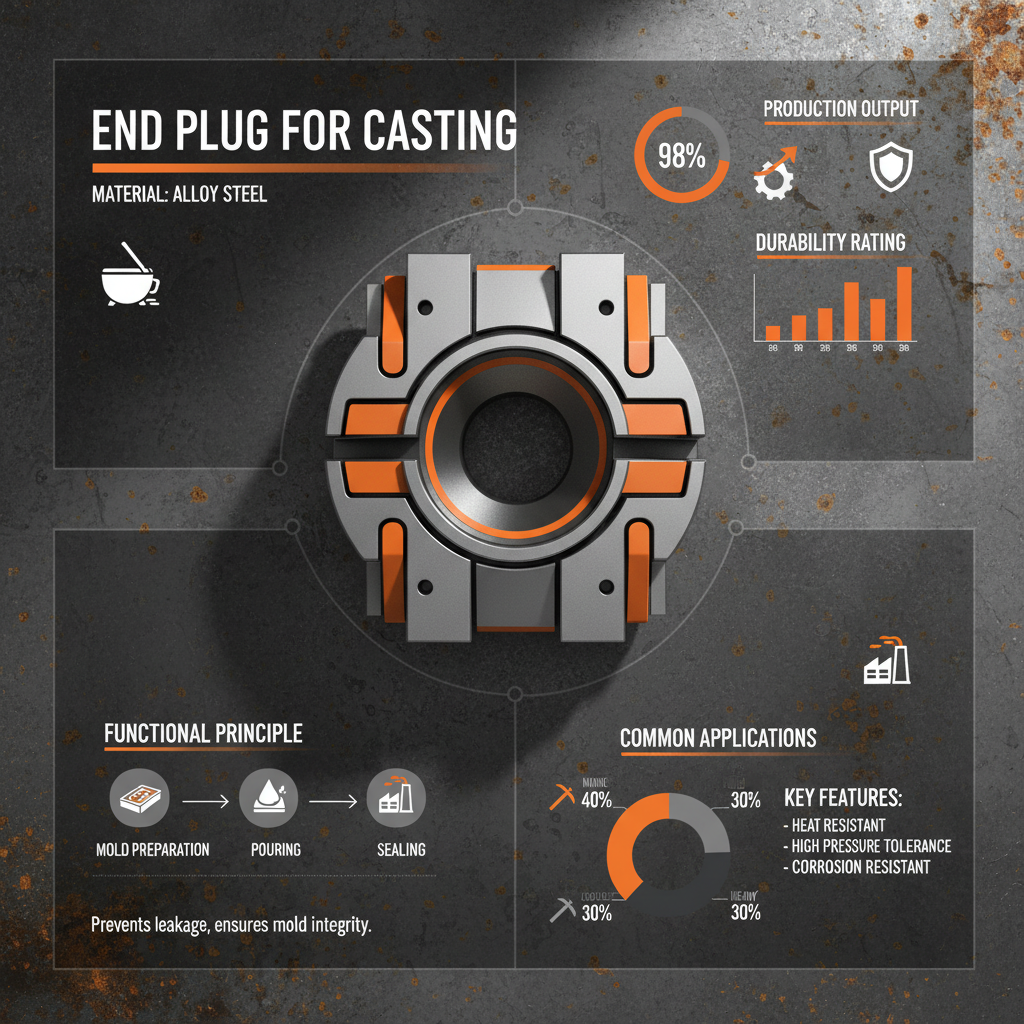
Evaluating the success of an end plug involves analyzing its performance under stress, thermal expansion, and chemical exposure. Engineers typically utilize a scoring system to compare different casting methods, focusing on how well the material maintains its seal during rapid temperature cycles, which is common in engine and power plant environments.
By optimizing the alloy mix, manufacturers can increase the durability of the end plug while reducing the overall weight of the component. This efficiency is particularly crucial for the automotive industry, where reducing unsprung weight can lead to better fuel economy without sacrificing the safety of the hydraulic sealing.
Comparative Performance Analysis of End Plug Material Types
Diversified Global Applications
The application of a high-quality end plug spans across multiple critical industries. In the automotive sector, they are indispensable for sealing brake lines and transmission housings, where a single leak could result in total vehicle failure. Similarly, in pump and valve parts, these plugs allow for the isolation of specific chambers during maintenance, ensuring technician safety.
In more specialized contexts, such as electric power accessories, the end plug is used in transformer cooling systems to prevent oil leakage and moisture ingress. In remote industrial zones, such as offshore oil rigs or deep-sea mining sites, the ability of a plug to resist high-pressure saltwater corrosion is the primary line of defense against environmental disasters.
Long-Term Value and Operational Reliability
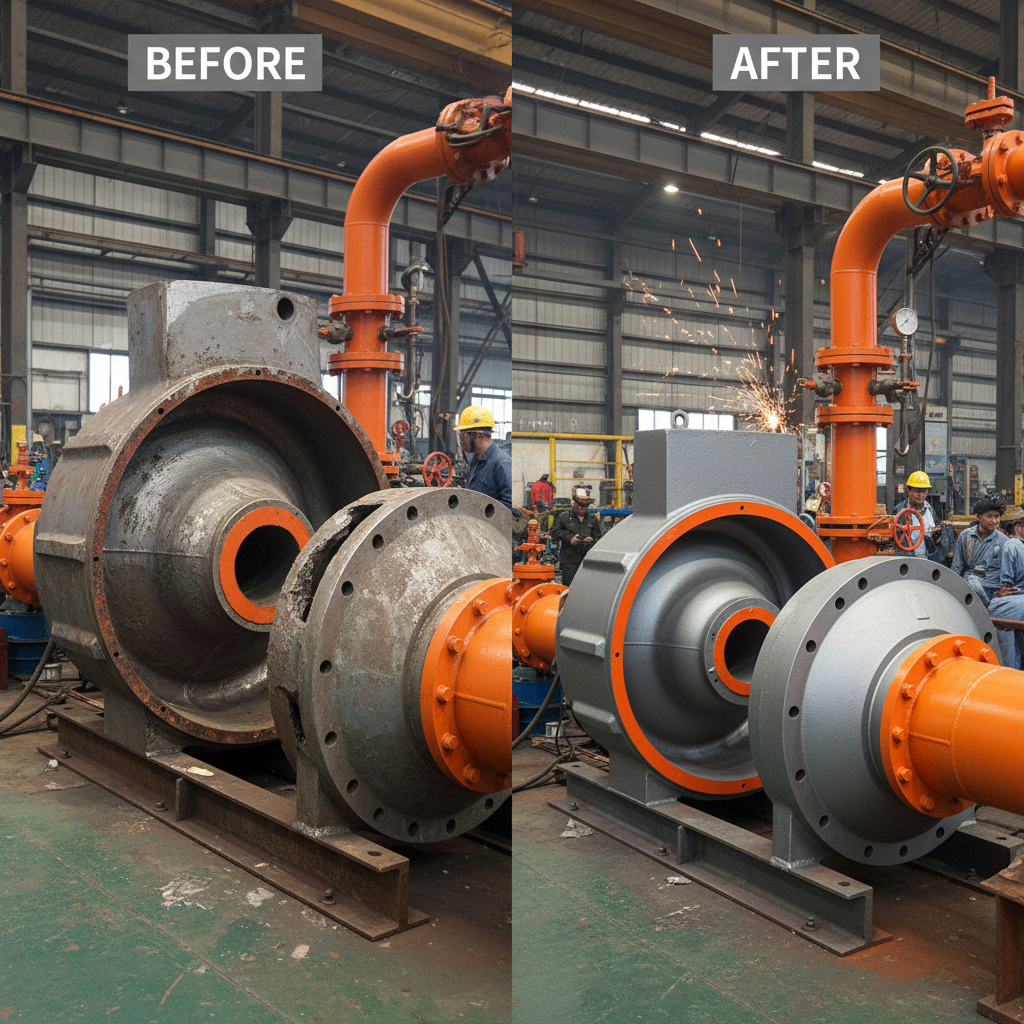
Investing in a premium end plug provides tangible long-term value by significantly extending the Mean Time Between Failures (MTBF) of the machinery. While cheaper alternatives may seem attractive initially, the cost of a single unplanned shutdown often exceeds the total investment in high-grade sealing components by tenfold.
From a sustainability perspective, a durable end plug reduces the frequency of replacements and the volume of industrial waste. This alignment with "green" manufacturing principles helps companies meet ESG (Environmental, Social, and Governance) goals by preventing fluid leaks that could contaminate soil or water sources.
Beyond the logical and financial gains, there is an element of trust and safety. For plant managers and operators, knowing that every end plug has undergone rigorous pressure testing provides the peace of mind necessary to operate high-risk equipment at maximum capacity.
Future Innovations in Casting Technology
The future of end plug manufacturing is being reshaped by additive manufacturing (3D printing) and smart materials. We are seeing the emergence of "smart plugs" that can integrate sensors to monitor internal pressure and temperature, alerting operators to potential failures before they occur.
Furthermore, the shift toward hydrogen energy requires a new generation of end plug designs. Hydrogen molecules are significantly smaller than those of oil or water, necessitating ultra-dense grain structures in the metal casting to prevent "hydrogen embrittlement" and seepage.
Digital transformation in the foundry—through AI-driven mold simulation—is allowing for the creation of an end plug with optimized internal geometries. This reduces material usage while increasing the structural strength of the seal, paving the way for more sustainable and efficient industrial hardware.
Technical Analysis of End Plug Casting and Application Dimensions
| Material Category |
Pressure Rating |
Corrosion Resistance |
Typical Application |
| 316 Stainless Steel |
High (8-10) |
Excellent |
Chemical Processing |
| Cast Iron |
Medium (5-7) |
Moderate |
Heavy Machinery |
| Alloy Steel (4140) |
Very High (9-10) |
Good (with coating) |
Hydraulic Pumps |
| Aluminum Alloy |
Low-Medium (4-6) |
Good |
Auto Parts |
| Nickel Alloys |
High (8-9) |
Superior |
Marine Engineering |
| Brass/Bronze |
Medium (6-7) |
High |
Valve Fittings |
FAQS
Precision-cast end plug components offer superior material density and a reduction in internal stresses compared to those carved entirely from bar stock. By utilizing investment casting, we can achieve near-net shapes that require minimal machining, which preserves the metallurgical integrity of the metal and ensures a more consistent seal across large production batches.
For high-temperature applications, it is critical to consider the coefficient of thermal expansion. Alloy steels or nickel-based alloys are generally recommended because they maintain their structural strength and seal integrity when heated. We suggest analyzing the specific temperature peaks of your system to avoid "thermal leaking" where the end plug expands at a different rate than the housing.
Whether an end plug can be reused depends on the sealing mechanism. Threaded plugs with replaceable O-rings can typically be reused provided the threads are not galled. However, tapered or swaged plugs are often designed for single use to ensure a perfect, leak-proof seal. We always recommend inspecting the seating surface under magnification before re-installation.
The most common failures include over-torquing during installation, which can strip threads or distort the seal, and galvanic corrosion caused by pairing dissimilar metals. Additionally, fatigue from constant pressure cycling can lead to micro-cracks. Utilizing the correct torque specifications and compatible materials for your end plug can mitigate these risks.
Yes, we specialize in OEM customization. By providing technical drawings or samples, we can develop an end plug tailored to your specific pressure requirements, thread standards (NPT, BSPP, etc.), and material needs. Our process includes prototyping and rigorous pressure testing to ensure the custom part integrates seamlessly with your existing pump architecture.
Coatings such as zinc plating, chrome, or specialized epoxy can dramatically increase the lifespan of an end plug by providing an extra barrier against oxidation. In highly corrosive environments, these coatings prevent "seizing," making it much easier to remove the plug during future maintenance cycles without damaging the main housing.
Conclusion
In summary, the end plug is a cornerstone of industrial reliability, bridging the gap between complex system design and operational safety. By focusing on high-grade materials, precision casting, and rigorous adherence to international standards, manufacturers can eliminate the risks of leakage and system failure, ensuring that pumps, valves, and power accessories operate at peak efficiency.
As we move toward an era of hydrogen energy and smart manufacturing, the evolution of the end plug will continue to drive industrial progress. We encourage engineers and procurement specialists to prioritize quality and material science over short-term cost savings to secure the long-term viability of their infrastructure. For premium casting solutions, visit our website: www.ydcastings.com