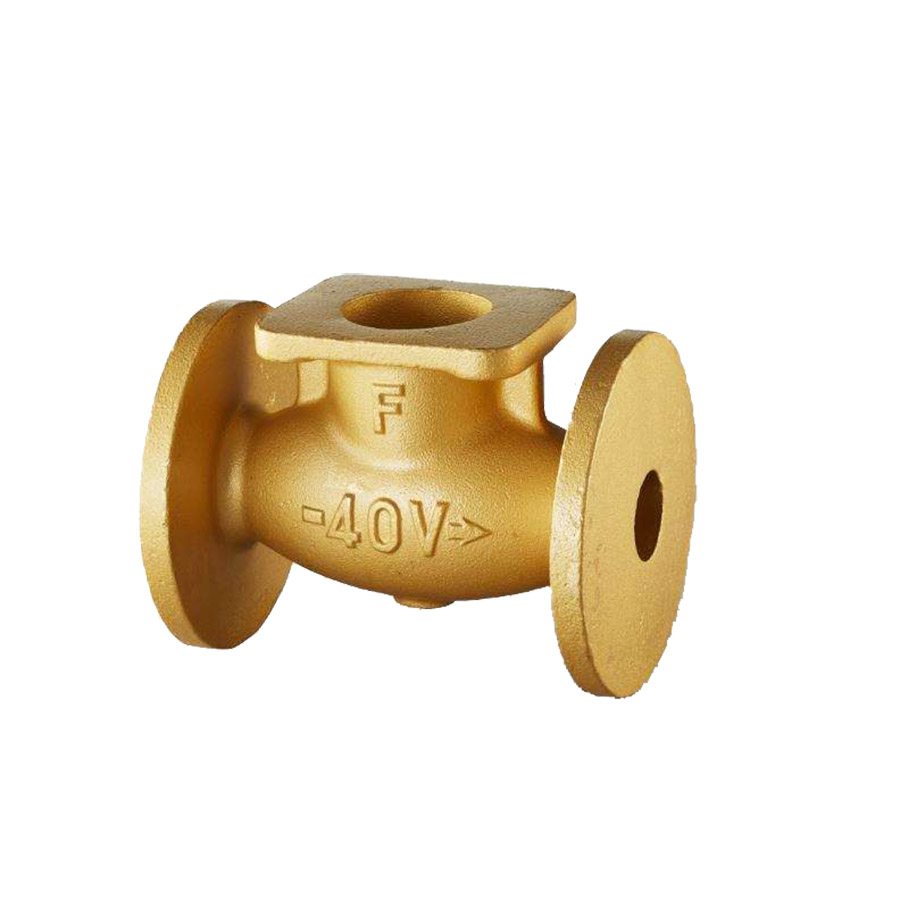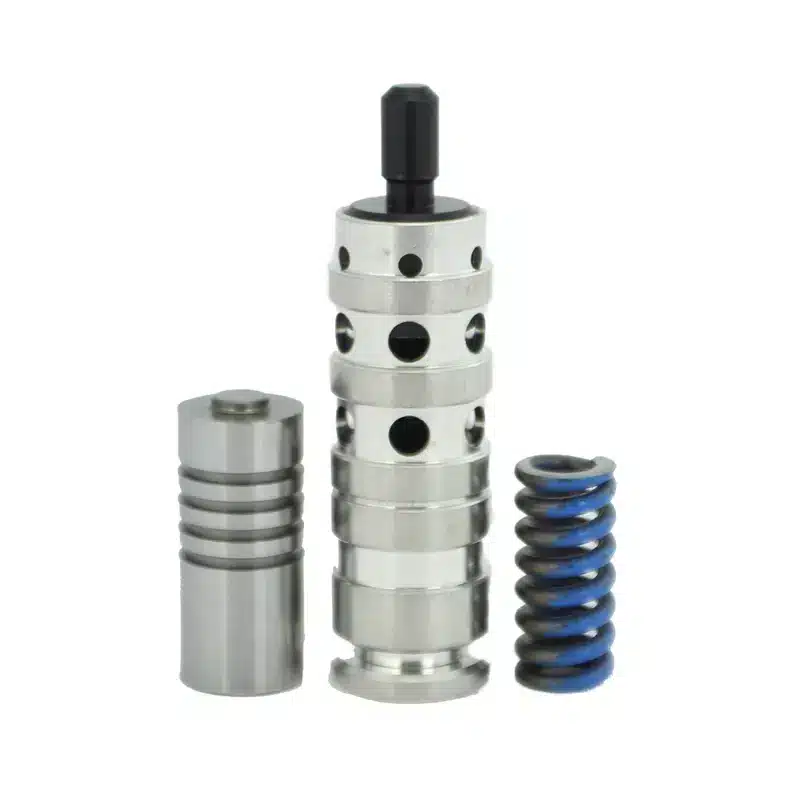
A Professional Guide to Types of Plug Valves for Industrial Applications
For import managers, sourcing agents, and brand owners seeking reliable flow control solutions, understanding the different types of plug valves is critical for specifying the right component for your system. This guide cuts through the complexity, providing a clear comparison of lubricated, non-lubricated, eccentric, and multi-port plug valves, alongside key technical, sourcing, and compliance considerations for global procurement. We focus on how the right valve type impacts maintenance schedules, operational integrity, and total cost of ownership in industries from petrochemicals to water treatment.
Common Challenges in Sourcing Industrial Valves
Procuring valves internationally involves navigating a maze of technical specifications, lead times, and quality assurance. Buyers often face:
- Specification Mismatch: Selecting a valve type unsuitable for the media (abrasive slurry, corrosive chemicals) or pressure rating, leading to premature failure.
- Unreliable Lead Times: Extended, unpredictable delivery schedules from suppliers disrupt project timelines and inventory planning.
- Hidden Compliance Costs: Discovering products don't meet required regional standards (like ANSI, CE, FDA) after shipment, incurring rework or rejection.
- Limited Customization: Off-the-shelf valves that don't fit unique port configurations, actuator requirements, or material specs for OEM applications.
- Quality Inconsistency: Fluctuations in casting quality, surface finish, and sealing performance across batches from less established foundries.
Understanding Plug Valve Types: Design, Pros, and Applications
Selecting the correct plug valve is foundational for system performance. The primary differentiation lies in the sealing mechanism and port design.
1. Lubricated Plug Valves
These valves feature a sealing system where a lubricant is injected between the plug and body seat, creating a tight seal and reducing friction.
- Design: Tapered plug with lubricant grooves and injection system.
- Typical Applications: Oil and gas pipelines (including sour gas), hydrocarbon processing, high-pressure steam services.
- Procurement Note: Requires specifying the correct lubricant compatible with the process media. Regular maintenance injections are part of the operational cost.
2. Non-Lubricated or Sleeved Plug Valves
Utilizing a polymeric sleeve (often PTFE, PFA, or Nylon) between the metal plug and body, these valves provide a self-lubricating, corrosion-resistant seal.
- Design: Cylindrical or tapered plug with a fitted sleeve.
- Typical Applications: Chemical processing, pharmaceutical (GMP areas), food & beverage (FDA-compliant sleeves), and applications where lubricant contamination is prohibited.
- Procurement Note: Verify sleeve material compatibility with temperature and chemical exposure. Sleeves are wear items with a defined service life.
3. Eccentric Plug Valves
The plug is mounted off-center (eccentric), which lifts away from the seat during a 90-degree rotation, minimizing wear and providing a tight shut-off.
- Design: Half plug design with an eccentric cam action.
- Typical Applications: Water and wastewater treatment, slurry handling, pulp and paper, and other services with suspended solids where a wiping action is beneficial.
- Procurement Note: Excellent for dirty services. Torque requirements are generally lower than lubricated types.
4. Multi-Port Plug Valves (3-Way, 4-Way)
Feature multiple passageways in the plug and body to divert, mix, or distribute flow from a single valve body.
- Design: Plug with L-shaped or T-shaped ports for flow diversion.
- Typical Applications: Instrumentation panels, sampling systems, flow distribution networks, and cooling systems.
- Procurement Note: Clearly specify the required flow pattern (L-port, T-port). Potential for some pressure drop during flow switching.
| Valve Type | Primary Sealing Method | Best For | Key Consideration for Buyers |
|---|---|---|---|
| Lubricated | Injected Lubricant | High-Pressure, Clean Hydrocarbons | Ongoing maintenance cost & lubricant compatibility |
| Non-Lubricated | Polymer Sleeve | Corrosive/Clean Media, No Contamination | Sleeve material temp/chemical rating & replacement cycle |
| Eccentric | Cam-Lift Action | Slurries, Wastewater, Abrasive Media | Lower torque, good for solids-laden flow |
| Multi-Port | Mechanical (Plug to Body) | Flow Diversion, Mixing | Required flow pattern and port configuration |
Note: Specifications and suitability depend on exact operating conditions. Consult with engineers for final selection.
Technical & Sourcing Specifications for Global Buyers
Beyond valve type, successful procurement hinges on clear technical and commercial terms.
Core Technical Parameters
- Size & Pressure Rating: Available from 1/2" to 24", with standard pressure classes such as ANSI 150, 300, 600. Cast body materials include cast iron, ductile iron, carbon steel, and stainless steel (CF8/CF8M).
- End Connections: Flanged (ANSI B16.5, DIN, JIS), threaded (NPT, BSP), socket weld, or butt weld.
- Actuation: Manual (lever, gear), pneumatic, electric, or hydraulic actuation can be integrated.
Compliance & Certification
Suppliers should provide verifiable evidence of relevant certifications. Key standards include:
- ISO 9001:2015: For quality management systems in manufacturing.
- CE Marking (PED 2014/68/EU): For valves intended for the European Economic Area.
- FDA CFR 21 / USP Class VI: For elastomers/sleeves in contact with food, beverage, or pharmaceutical products.
- API 599 / API 6D: Industry-specific standards for metal plug valves.
- Other common marks: RoHS, REACH, CSA.
Disclaimer: Certification applicability depends on valve design, materials, and intended use. Final certification status must be confirmed per order specification.
Commercial & Logistics Terms
Transparent terms facilitate smooth procurement:
- MOQ (Minimum Order Quantity): Typically 10-50 pieces for standard sizes/materials, subject to specific configuration. Lower MOQ may be available for trial orders or non-standard items.
- Lead Time: 30-45 days for standard configurations; 60-75 days for fully customized or large-diameter valves. Expedited options may be available.
- OEM/ODM Support: Full technical drawing review, material substitution advising, branding (nameplate, packaging), and assembly with third-party actuators are common services.
- Packaging: Standard export packaging (plywood cases, plastic caps, rust inhibitor). Custom packaging per retailer or distributor requirements is supported.
- Shipping: Standard FOB/CIF terms to major global ports. Logistics support and documentation provided.
- Warranty: Standard warranty covers manufacturing defects, typically for 12-18 months from shipment.
What Customers Are Saying
"We sourced a batch of eccentric plug valves for a municipal water project in Texas. The technical team was responsive to our ANSI spec questions, and the valves passed our third-party inspection without issue. The 35-day delivery beat our local supplier's quote by almost 8 weeks."
- Michael R., Procurement Manager, US Water Infrastructure Firm
"As a brand owner, having a reliable ODM partner for custom industrial valves is key. They handled our unique flange adaptor and branding request seamlessly. The consistency across 5 orders now gives us confidence in their process control."
- Sarah L., Brand Owner & Engineer, Industrial Equipment Reseller, UK
"I was sourcing FDA-compliant sleeved plug valves for a food processing client. Their documentation for the PTFE sleeves was complete and traceable, which streamlined our compliance audit. The pricing was competitive, but the paperwork readiness was the real value-add."
- David K., Sourcing Agent, specializing in Food & Pharma, Canada
Why Partner with a Specialized Industrial Valve Supplier?
Hebei Yuanda Trade Co., Ltd. (YD), founded in 2006, operates from a 5,000 m² facility in Shijiazhuang, Hebei. With nearly two decades of focus on customized metal castings and flow control components, YD leverages its integrated foundry network in Northern China to provide material and process flexibility.
- Vertical Integration: Direct access to sand casting, lost wax (investment casting), and machining resources for metals including cast iron, ductile iron, carbon steel, stainless steel (304/316), and aluminum.
- Quality Infrastructure: In-house pattern shop, CNC machining, pressure testing, and surface treatment lines enable controlled production from raw casting to finished valve.
- Supply Chain Resilience: Established relationships with raw material suppliers and a dedicated logistics team help mitigate delays and ensure high-speed delivery commitments are met.
- Engineer-to-Engineer Support: The sales team is backed by technical engineers who can discuss specifications, material selection, and application challenges directly.
Contact for Technical Discussion:
Tel: +86-311-808-126-83
WhatsApp: +86 19333738338 (Ben) / +86 19333736198 (Linda)
Email: info@ydcastings.com
Address: No.563 Xinhua Road, Shijiazhuang City, Hebei Province, P.R. China
For detailed inquiries, use the Contact Page.
Next Steps for Your Project
Specifying and sourcing the correct types of plug valves requires aligning technical needs with supplier capability. Begin by preparing your core requirements:
- Valve type (e.g., sleeved non-lubricated, eccentric).
- Size, pressure rating, and material (e.g., 4" ANSI 150, CF8M Stainless Steel).
- End connection and actuation needs.
- Required certifications and any ODM branding details.
- Target quantity and project timeline.
Providing these details in your initial inquiry allows for a faster, more accurate quotation and technical review. Request a detailed specification sheet, certification documentation, and ask about their sample policy for evaluation orders.
Frequently Asked Questions (FAQ)
Q: What is the main advantage of an eccentric plug valve over a lubricated type?
A: The eccentric design minimizes wear by lifting the plug off the seat before rotation, making it superior for services with suspended solids or slurries where a lubricated valve might trap abrasives and experience accelerated seat wear.
Q: Can you provide valves with specific certifications like CE PED or API 6D?
plug type valve plug valves plug valves supplier
A: Yes, we manufacture valves to meet various international standards. CE marking under the Pressure Equipment Directive (PED) and API specifications are common requirements. Please specify the exact standard and its version in your RFQ so we can confirm compliance and provide the necessary documentation.
Q: What is your policy on material traceability and test reports?
A: For critical applications, we provide Material Test Reports (MTRs) from the mill for the primary valve body material. Dimensional inspection reports and pressure test certificates (per API 598 or other standards) are standard deliverables. Requirements should be stated upfront.
Q: How do you handle customizations like special port sizes or extended stems?
A: We have an in-house engineering team to review custom drawings. Modifications to stem length, port configurations, flange standards, or integration of specific actuators are within our ODM capability. A technical drawing is the best starting point for a feasibility and cost assessment.
Q: What are the standard payment terms for a first order?
A: Standard terms for new clients are often 30% T/T deposit with balance against copy of Bill of Lading. Terms may be adjusted for established relationships or large-volume contracts. All terms are confirmed in the proforma invoice.
About the Author:
 James Peterson
With over 15 years in mechanical engineering and global industrial procurement, James specializes in fluid system components and international supply chain management. He contributes technical insights to help buyers navigate specifications and sourcing strategies.