A Strategic Guide to Sourcing High-Performance Plug Type Valves (2026 Update)
For import managers, brand owners, and sourcing agents evaluating reliable industrial valve suppliers, specifying the right plug type valve is a critical procurement decision. This guide addresses core questions: What is a plug type valve best used for? How do you ensure durability and leak-tight performance? What should you look for in a plug type valve manufacturer regarding technical compliance, lead time, and customization support? We combine industry insights with the manufacturing capabilities of Hebei Yuanda Trade Co., Ltd. (YD) to provide a clear framework for your sourcing strategy.
Common Industry Pain Points in Valve Procurement
Procurement professionals often face significant challenges when sourcing valves like plug type valves:
- Premature Failure & Leakage: Valves that fail to maintain a tight seal under pressure or abrasive media, leading to downtime and safety risks.
- Material Incompatibility: Corrosion or degradation from chemical processes, resulting in contamination and shortened service life.
- Inconsistent Quality & Documentation: Receiving batches with dimensional variances or lacking proper test reports and material certifications.
- Extended, Unpredictable Lead Times: Supply chain delays that disrupt project timelines and inventory planning.
- Limited Customization Options: Suppliers unable to adapt port sizes, actuator fittings, or materials for specific OEM applications.
Engineered Solutions: The Plug Type Valve Advantage
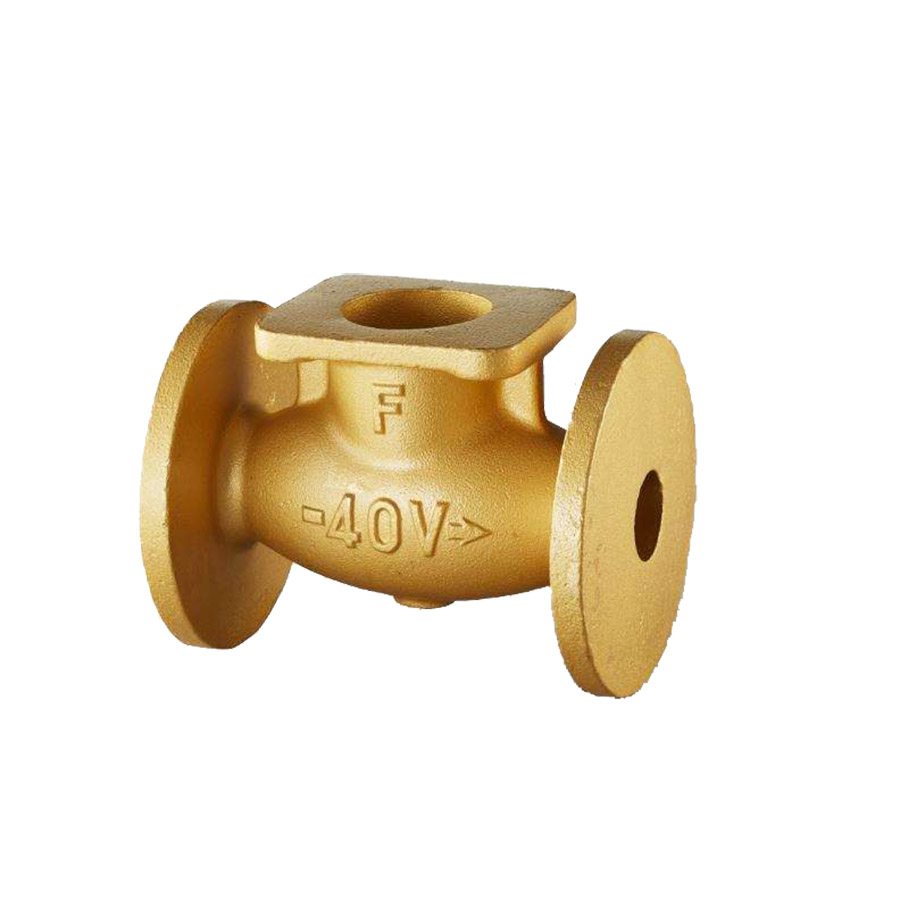
A plug type valve operates using a tapered or cylindrical plug with a through port. Rotating the plug 90 degrees opens or closes the flow. This simple design offers quick shut-off and is well-suited for on/off and diverting service. Key application scenarios include:
- Chemical Processing: Handling corrosive fluids, slurries, and gases where tight shut-off is paramount.
- Water & Wastewater Treatment: Used in isolation and distribution lines.
- Oil & Gas (Midstream/Downstream): Service in hydrocarbon lines requiring reliable sealing.
- Pharmaceutical & Food (with appropriate certifications): Sanitary lines where cleanability and material compliance are essential.
Technical Specifications & Material Selection
Selecting the correct specification is vital for performance. YD's manufacturing focus includes:
| Parameter | Common Options & Standards | Consideration for Buyers |
|---|---|---|
| Body Material | Cast Iron (GG25), Ductile Iron, Carbon Steel (WCB), Stainless Steel (CF8/CF8M), Bronze | Match to fluid corrosiveness and pressure rating. Stainless steel is common for chemical and food-grade applications. |
| Plug & Seat Material | Stainless Steel, PTFE Lined, Hardened Alloys | Determines sealing performance and wear resistance. PTFE offers excellent chemical resistance and low friction. |
| Pressure Rating (PN/Class) | PN10/16/25, Class 150/300 | Must exceed maximum system operating pressure. Confirm test pressure standards. |
| End Connection | Flanged (EN/ASME/DIN), Threaded (NPT/BSP), Socket Weld | Must match existing piping specifications to avoid adaptor costs and installation issues. |
| Actuation | Manual Lever/ Gear, Pneumatic, Electric Actuator | Based on frequency of operation and remote control needs. OEM mounting brackets are often required. |
Note: All specifications are for reference. Final technical parameters, dimensions, and performance data should be confirmed with engineering drawings and the official order confirmation.
Why Partner with a Specialized Manufacturer Like YD?
Hebei Yuanda Trade Co., Ltd. (founded in 2006) addresses the core pain points through integrated manufacturing and supply chain management.
1. Manufacturing Control & Quality Assurance
With a 5,000 m² facility and direct influence over northern China's foundry resources, YD controls the process from pattern making and casting (sand casting, lost wax casting) to machining, assembly, and testing. This vertical integration allows for rigorous quality checks at each stage, reducing the risk of receiving non-conforming goods.
2. Compliance & Certification Support
Understanding market access requirements is crucial. YD produces valves that can be manufactured to meet recognized international standards, supporting buyers in achieving compliance for their target markets. Common frameworks include:
- CE Marking (PED): For pressure equipment directive compliance in the EU.
- ISO 9001:2015: Adherence to a certified quality management system.
- Material Traceability: Mill test certificates (MTCs) for raw materials can be provided.
- Industry-Specific Standards: Valves can be produced to meet API, ASTM, DIN, or EN specifications as required.
Disclaimer: Final product certification is the responsibility of the buyer/importer based on the specific model and application. The manufacturer provides support and necessary factory documentation.
3. Flexible OEM/ODM & Sourcing Terms
For brand owners and wholesalers, YD offers tailored support:
- Custom Design & Branding: Modify existing plug valve designs, incorporate private labels, or develop custom castings from provided drawings.
- Adaptable MOQ: While standard items may have lower minimums, MOQ is often negotiable based on material and complexity, making it feasible for pilot projects or specialized orders.
- Optimized Lead Time: Leveraging China's consolidated supply chain, typical lead times range from 30-45 days for standard designs, with expedited options possible. Specific timing depends on order volume and customization level.
- Packaging & Logistics: Valves are typically packaged in wooden cases for export. Standard trading terms include FOB and CIF, with logistics partners selected for reliability.
Trust Built on Performance: Voices from the Field
Here is feedback from professionals who have integrated these valves into their operations:
"We needed a corrosion-resistant plug valve for a chemical dosing skid project. The stainless steel valves provided met the ANSI pressure rating we specified. The documentation package was complete, which sped up our site QA process. We've re-ordered for two subsequent projects."
– Michael R., Project Engineer, Process Systems Integrator, Texas, USA
"As a sourcing agent for European distributors, consistent quality is non-negotiable. We've worked with YD on custom flanged plug valves for over three years. Their communication on production milestones is proactive, which helps us manage our clients' expectations on delivery reliably."
– Elena S., Senior Sourcing Manager, Trading Firm, Germany
"Our brand requires valves that are both functional and can carry our unique branding. The ODM support for actuator mounting pads and our laser-etched logo was handled smoothly. The units performed well in our endurance testing protocol."
– David L., Product Development Manager, OEM Equipment Manufacturer, Australia
Your Next Step: From Inquiry to Reliable Supply
Optimizing your plug type valve supply chain involves partnering with a manufacturer that balances capability with flexibility. Whether you require standard industrial plug valves or a customized OEM component, a structured inquiry accelerates the process.
To request a quotation or discuss your project specifications:
- Provide basic technical requirements (material, pressure rating, size, end connection).
- Share approximate annual volume or project quantity.
- Mention any need for certifications, special testing, or design modifications.
- Indicate your target delivery window.
Contact Hebei Yuanda Trade Co., Ltd. for a Detailed Proposal:
Tel: +86-311-808-126-83
WhatsApp: +8619333738338 (Ben) / +8619333736198 (Linda)
Email: info@ydcastings.com
Address: No.563 Xinhua Road, Shijiazhuang City, Hebei Province, P.R. China
Visit the Contact Page
types of plug valves Plug Valve plug valves
Frequently Asked Questions (FAQ) on Plug Type Valves
What are the main advantages of a plug type valve over a ball valve?
Both offer quarter-turn operation. Plug valves often have a tapered plug design which can provide a tighter mechanical seal and may be more suitable for abrasive slurries or applications where a lubricated seal is acceptable. Ball valves typically have a lower torque and are often preferred for clean media.
Can you supply plug valves for potable water applications?
Yes, valves can be produced using certified materials such as bronze or stainless steel. It is the buyer's responsibility to ensure the final assembled product complies with local potable water standards (e.g., NSF/ANSI 61 in the USA). We can provide material certifications to support your compliance process.
What is your typical MOQ for custom-designed plug valves?
The Minimum Order Quantity is project-dependent. For modifications to standard designs (e.g., different flange standards), MOQ can be relatively low. For fully custom castings from new patterns, a higher MOQ is usually required to justify pattern costs. We provide quotes on a case-by-case basis.
Do you provide pressure test reports with each shipment?
Yes, standard practice includes providing a factory hydrostatic test report for each batch of valves. Additional testing (e.g., pneumatic, cryogenic) can be discussed and arranged as a value-added service.
How do you handle after-sales support if there is a quality issue?
Any quality claim must be documented with photos and details upon receipt of goods. Our quality team will investigate promptly. For manufacturing defects verified to be our responsibility, we commit to replacement or repair in accordance with our standard terms and conditions.

About the Author
Mark Harrison is a senior mechanical engineer and procurement consultant with over 15 years of experience in fluid system design and global industrial component sourcing. He has collaborated with manufacturers across North America, Europe, and Asia to develop and specify valves and fittings for demanding applications in the energy and chemical sectors. His writing focuses on translating technical specifications into actionable procurement insights.