Plug Valve vs Ball Valve: A Detailed Guide for Industrial Buyers and Sourcing Professionals
When sourcing valves for industrial applications, a common dilemma faced by import managers, brand owners, and wholesalers is choosing between a plug valve and a ball valve. Both are quarter-turn valves used for flow control, but they differ in design, performance, and ideal use cases. This guide will clarify the key differences, applications, and procurement considerations to help you make an informed decision that balances cost, durability, and efficiency for your specific needs.
Understanding Plug Valves and Ball Valves: Core Functions
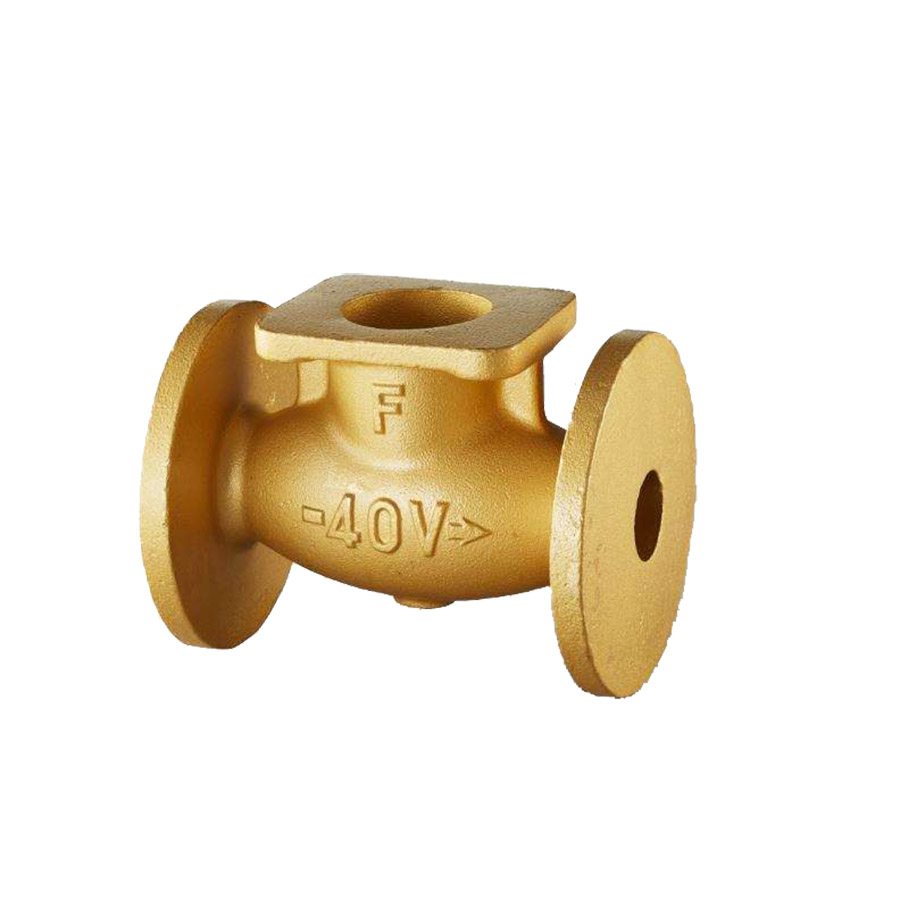
A plug valve uses a cylindrical or tapered plug with a through-port to control flow. When the port aligns with the pipeline, flow is allowed; a 90-degree turn blocks it. They are known for their tight shut-off and suitability for slurries or viscous fluids. A ball valve features a spherical disc (the ball) with a hole; rotation opens or closes the flow path. Ball valves are prized for quick operation, good sealing, and versatility in various pressures and temperatures. The choice often hinges on factors like fluid type, pressure rating, maintenance access, and total cost of ownership.
Industry Pain Points in Valve Procurement
B2B buyers often encounter challenges such as:
- Leakage and Seal Failure: Leading to downtime and safety risks.
- High Maintenance Costs: Especially in abrasive or corrosive environments.
- Long Lead Times: Delaying projects and increasing inventory costs.
- Inconsistent Quality: Due to varying supplier standards, affecting system reliability.
- Customization Limitations: Off-the-shelf valves may not meet specific design or material requirements.
These issues underscore the need for a reliable partner with robust engineering and supply chain capabilities.
Plug Valve vs Ball Valve: A Comparative Analysis
To aid your decision, here is a data-driven comparison based on common industrial parameters. Note that performance can vary with material and design; specifications should be verified per order.
| Feature | Plug Valve | Ball Valve |
|---|---|---|
| Sealing Mechanism | Tapered plug creates a wedging action; often lubricated for tight seal. | Soft seats (e.g., PTFE) or metal-to-metal; bubble-tight seal common. |
| Pressure Rating | Suitable for medium to high pressure, up to 10,000 psi in some designs. | Wide range, typically up to 1,500 psi for standard types; high-pressure variants available. |
| Flow Characteristics | Can handle slurries and viscous fluids well; port may reduce flow slightly. | Full-port designs offer minimal flow restriction; ideal for on/off service. |
| Maintenance | May require lubrication; plug can stick in dirty services. | Generally low maintenance; seats may wear over time in abrasive flows. |
| Typical Applications | Oil and gas, chemical processing, wastewater with solids. | HVAC, plumbing, general industrial, oil and gas, food and beverage. |
| Cost Consideration | Often higher initial cost but durable in harsh conditions. | Competitive pricing; cost-effective for standard duties. |
Note: All data is indicative; actual performance depends on material grade, design specifications, and operating conditions. Please refer to technical datasheets for precise details.
Application Scenarios: Where to Deploy Each Valve Type
Choosing the right valve depends on your system's demands:
- For Plug Valves: Consider them in oil and gas pipelines where tight shut-off is critical, or in chemical plants handling abrasive slurries. Their robust construction suits high-pressure steam services or frequent operation in dirty environments.
- For Ball Valves: Ideal for water supply systems, HVAC controls, or food processing lines where quick, leak-proof operation is needed. Full-port ball valves are excellent for applications requiring minimal pressure drop, such as in fire protection systems.
At Hebei Yuanda, we analyze your application to recommend the optimal valve type, leveraging our expertise in custom metal castings.
How Hebei Yuanda Addresses Your Valve Sourcing Needs
With over two decades in custom metal castings, we transform industry pain points into reliable solutions:
Core Selling Points:
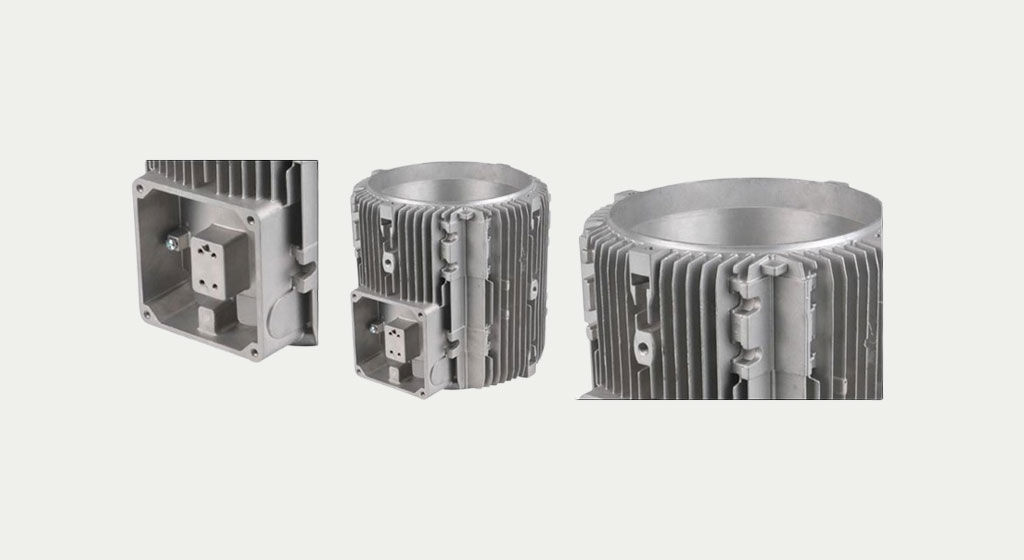
- Powerful Manufacturing Base: Our factory covers 5,000 m² in Hebei, China, equipped with advanced sand casting, die casting, and lost wax casting processes. This allows us to produce valves in materials like cast iron, ductile iron, aluminum, and stainless steel (e.g., CF8, CF8M) to meet ASTM, DIN, or JIS standards.
- Quality Assurance: We adhere to ISO 9001:2015 quality management systems. Valves can be produced with relevant certifications such as CE marking for pressure equipment directives, FDA-compliant materials for food contact, and RoHS compliance for environmental safety.
- OEM/ODM Design Support: From concept to production, our engineering team assists with custom designs, including specific port sizes, actuator mounts, or branding. We provide 3D models and prototypes for approval.
- High-Speed Delivery: Leveraging China's integrated supply chain, we offer competitive lead times. Standard valve lead times start from 30-45 days, with expedited options for urgent projects.
- Cost-Effective Sourcing: Our scale and local resource network enable competitive pricing without compromising on metallurgical integrity or finishing.
Technical Specifications and Compliance Details
To ensure compliance and performance, our valves are manufactured with precision:
- Materials: Options include ASTM A216 WCB (carbon steel), ASTM A351 CF8 (304 SS), CF8M (316 SS), ductile iron, and bronze. Material certifications (MTC) are provided.
- Pressure Ratings: Designed per ANSI B16.34 or EN standards, with classes such as 150, 300, or 600. Pressure-temperature ratings are validated through testing.
- End Connections: Flanged (ANSI B16.5), threaded (NPT, BSP), or welded ends available.
- Testing: Each valve undergoes shell test, seat test, and hydrostatic test per API 598 or equivalent. Fire-safe designs (API 607) can be accommodated.
- Packaging: Standard export packaging with wooden crates or pallets, protected against corrosion. Markings include size, material, pressure rating, and direction of flow.
Important: All technical parameters are subject to design variations. Final specifications will be confirmed upon order placement.
Procurement Terms: MOQ, Lead Time, and Customization
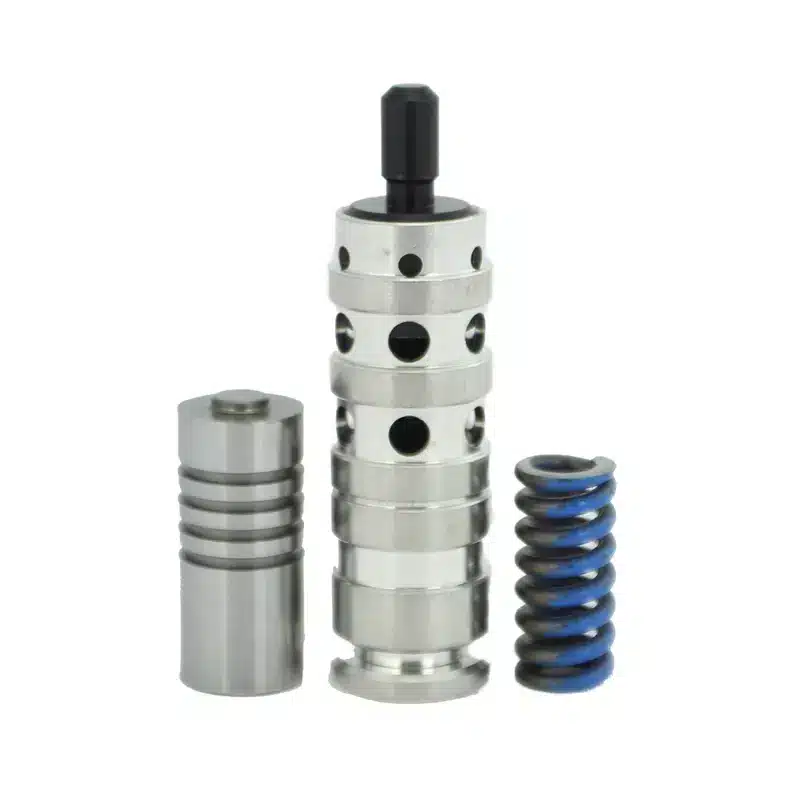
globe valve vs ball valve automatic ball valve Plug Valve
We tailor terms to fit B2B procurement workflows:
- Minimum Order Quantity (MOQ): As low as 50 pieces for standard designs; lower MOQs possible for prototype or high-value custom orders. This flexibility benefits wholesalers and startups.
- Lead Time: Typically 30-60 days from order confirmation to shipment, depending on complexity. Rush orders can be negotiated, with some items available in 3-4 weeks.
- Customization Capability: Full OEM/ODM services include custom dimensions, logos, packaging, and material grades. We support small batches for market testing.
- Logistics and Incoterms: We ship globally via sea or air. Common terms are FOB Shanghai, CIF main ports, or EXW. Insurance and documentation (commercial invoice, packing list, bill of lading) are handled professionally.
- Payment Methods: T/T (30% deposit, balance before shipment), L/C at sight, or other secure methods as agreed.
- After-Sales Service: We provide a 12-month warranty against manufacturing defects. Technical support is available for installation or troubleshooting.
What Our Clients Say: Reviews from Industry Professionals
Here is feedback from real customers in English-speaking markets:
Michael R., Import Manager at a US Plumbing Wholesaler: "We sourced 500 stainless steel ball valves from Hebei Yuanda for a municipal project. The CE and ISO certifications gave us confidence, and the valves passed all site tests. Delivery was on time, and their team was responsive to our custom packaging requests. A reliable partner for bulk orders."
Sarah L., Brand Owner in the UK Industrial Supplies Sector: "As a small brand, we needed ODM plug valves with our logo for the oil and gas sector. Yuanda's engineers provided excellent design support, and the valves met API standards. The quality is consistent, and their MOQ flexibility allowed us to start with a trial batch. Highly recommended for customization."
David K., Sourcing Agent for Australian Machinery Distributors: "I've worked with Yuanda for three years on various casting projects. Their ball valves for HVAC applications are competitively priced and durable. The documentation is thorough, making customs clearance smooth. Their after-sales support resolved a minor shipping issue quickly."
Jennifer T., Procurement Head at a Canadian Water Treatment Company: "We compared multiple suppliers for plug valves handling slurry. Yuanda's technical data was transparent, and their factory audit reports showed good practices. The valves have performed well for over a year with minimal maintenance. Their lead time beat local alternatives by weeks."
About the Author

Alex Morgan is a Senior Valve Engineer and Technical Consultant at Hebei Yuanda Trade Co., Ltd., with over 15 years of experience in fluid control systems and metal casting. He holds a degree in Mechanical Engineering and has collaborated with global clients on optimizing valve selections for industries ranging from oil and gas to water management. Alex specializes in translating technical requirements into cost-effective manufacturing solutions, ensuring compliance with international standards. His insights are based on hands-on project data and industry best practices.
Frequently Asked Questions (FAQ)
Q1: What is the main difference between a plug valve and a ball valve in terms of sealing?
A: Plug valves typically use a tapered plug that wedges into the seat for a tight seal, often requiring lubrication for optimal performance. Ball valves use a spherical ball with soft seats (e.g., PTFE) or metal seats, providing a bubble-tight seal with low torque. The choice depends on fluid compatibility and maintenance preferences.
Q2: Can you supply valves with specific certifications like CE or FDA?
A: Yes, we can manufacture valves to meet CE marking for pressure equipment (PED), FDA standards for food-grade materials, and other certifications like RoHS or ISO 9001. Certification requirements should be specified during the inquiry phase to ensure compliance.
Q3: What is the typical MOQ for custom valve orders?
A: Our minimum order quantity starts from 50 pieces for standard designs, but we can accommodate lower MOQs for custom or prototype orders. This is negotiable based on material and complexity.
Q4: How do you handle quality control during production?
A: We implement a multi-stage quality control process, including raw material inspection, in-process checks, and final testing per API 598 or equivalent standards. Reports can be provided upon request.
Q5: What are the lead times for shipping to the USA?
A: Standard production lead time is 30-45 days. Shipping via sea to major US ports takes approximately 25-35 days, depending on the route. Expedited air freight options are available for urgent needs.
For JSON-LD schema markup, consider implementing structured data for FAQPage, Product, and Organization to enhance search visibility. This should be added by your web development team.
Ready to Optimize Your Valve Sourcing?
Whether you need plug valves for harsh industrial services or ball valves for efficient flow control, Hebei Yuanda combines engineering expertise with scalable production. Contact us today for a competitive quote, technical consultation, or sample request.
Contact: Tel: +86-311-808-126-83 | WhatsApp: +8619333738338 (Ben) / +8619333736198 (Linda) | Email: info@ydcastings.com
Address: No.563 Xinhua Road, Shijiazhuang City, Hebei Province, P.R. China
Visit our contact page for more details or to submit your specifications.