Check Valve Internals: The Ultimate Guide for B2B Buyers on Sourcing & Specifications
For import managers, brand owners, and sourcing agents, understanding check valve internals is critical for specifying durable, leak-proof components that protect your fluid systems. This guide cuts through the complexity, detailing the core components—disc, spring, hinge pin, seat, body—their materials, design tolerances, and how to reliably source high-performance assemblies that meet exacting OEM/ODM requirements while leveraging robust supply chains for on-time delivery.
The Critical Role of Check Valve Internals in Industrial Operations
At the heart of any reliable fluid control system lies the check valve, a deceptively simple device tasked with preventing backflow, water hammer, and system contamination. For procurement professionals, the true challenge isn't in purchasing a valve, but in specifying the internal assembly that guarantees performance under pressure, temperature extremes, and corrosive media. Sourcing subpar internals leads to frequent failure, unplanned downtime, and costly field replacements—risks no operation can afford.
Decoding Check Valve Internals: A Component-by-Component Analysis
To make an informed sourcing decision, one must understand the symphony of internal parts. Each component's design and material dictates the valve's overall lifespan and suitability for your application.
1. The Closure Mechanism: Disc, Ball, or Wafer
This is the moving part that seals against backflow. Material selection is paramount:
- Stainless Steel (304/316): Offers excellent corrosion resistance for chemical, marine, and high-purity water applications.
- Cast Iron with Ni-Resist Coatings: A cost-effective solution for non-corrosive fluids like oil or air.
- Bronze or Brass: Common in plumbing, HVAC, and low-pressure steam applications.
- Engineered Plastics (PTFE, PEEK): For ultra-pure or highly aggressive chemical services.
2. The Spring: The Engine of Responsive Sealing
The spring ensures positive closure and dictates cracking pressure. Inconsistent spring force is a leading cause of leakage or failure to open. Look for suppliers who source springs from certified mills and perform 100% load testing.
3. The Seat: Ensuring a Tight, Leak-Free Seal
The seat is the mating surface for the disc. A poorly machined seat leads to internal leakage (passing). Precision machining and the use of resilient elastomer inserts (like NBR or FKM) can achieve bubble-tight shut-off, even with minor debris.
4. Hinge Pin & Bushings: The Pivot Point of Durability
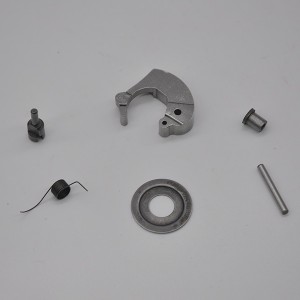
In swing or tilting disc check valves, the hinge pin assembly bears repetitive stress. Wear-resistant materials like hardened stainless steel with self-lubricating bushings dramatically extend service life, reducing maintenance cycles.
Specification & Sourcing Checklist for Check Valve Internals
Use this table to align with your engineering team and vet potential suppliers effectively.
| Parameter | Key Considerations | Questions for Your Supplier |
|---|---|---|
| Pressure Rating (PN/Class) | Match to system max working pressure plus a safety factor. | Is the rating certified per ASTM/ASME standards? Can you provide test reports? |
| Material Compatibility | Body, trim, seals, and spring must all resist the fluid media. | Do you offer material traceability (mill certificates) for critical components? |
| Temperature Range | Affects seal elasticity, spring rate, and metal strength. | What are the validated min/max operational temperatures for the seal and spring? |
| Cracking/Reseal Pressure | Critical for system sensitivity. Tolerance is typically ±5-10%. | What is your factory testing procedure and tolerance for spring pressure? |
| End Connections | Threaded (NPT, BSP), flanged (ANSI, DIN), weld ends. | Can you provide valves pre-machined to our specific connection standards? |
Note: All specifications should be confirmed on the final purchase order. Performance may vary based on specific application conditions.
Why Partner with a Specialized Industrial Supplier for Valve Internals?
For businesses looking to consolidate supply, reduce total cost of ownership, and ensure system integrity, partnering with a manufacturer-focused partner like Hebei Yuanda Trade Co., Ltd. (YD) offers distinct advantages grounded in the realities of modern manufacturing.
Vertical Manufacturing Integration & Quality Assurance
Founded in 2006 and operating from a 5000 m² facility, YD leverages its deep roots in China's northern foundry hub. This provides direct oversight on the casting and machining of core check valve internal components—bodies, discs, hinge arms—ensuring metallurgical integrity from raw material to finished part. A multi-stage inspection protocol, aligned with ISO 9001 principles, is implemented at each process stage.
True OEM/ODM Design Flexibility
Beyond catalog items, the real value lies in customization. Whether you need a modified disc profile for lower pressure drop, a specific spring rate, or a proprietary coating, a partner with engineering support can adapt. This includes:
- Reverse engineering of existing internals for direct replacement.
- Design for Manufacturability (DFM) advice to optimize cost without sacrificing performance.
- Prototyping and sample approval processes before full production runs.
Supply Chain Reliability & Transparent Terms
Procurement managers prioritize predictable logistics. Clear terms mitigate risk:
- Typical MOQ: Flexible, often starting at 50-100 pieces for standard designs, negotiable based on component complexity.
- Lead Time: 30-45 days for standard materials; 60-75 days for complex alloys or full custom designs. Expedited options may be available.
- Logistics: Standard export packaging (wooden cases, pallets), with FOB/CIF incoterms available. Full documentation support.
- Compliance: Components can be manufactured to meet material standards required for end-product certifications like CE, FDA (for relevant materials), and RoHS.
Voices from the Field: What Buyers Say
"We source check valve assemblies for our irrigation control systems. YD's team provided a spring upgrade for our high-cyclic application that our previous vendor said wasn't possible. Failure rates in the field have dropped significantly over the past two years."
- Michael R., Procurement Director, Agricultural Equipment OEM, Texas
"As a sourcing agent for European clients, documentation is key. YD consistently provides material certs and dimensional inspection reports without us having to chase. It makes the import and QC process at our warehouse much smoother."
- Elena S., Sourcing Agent, Industrial Components, Germany
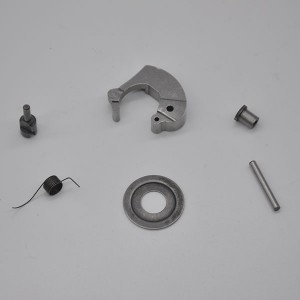
"We needed a custom stainless steel check valve internal for a chemical skid. Their engineers suggested a minor hinge pin modification that prevented galling. The collaborative approach to problem-solving is what keeps them as a approved vendor."
- David L., Project Engineer, Process Systems Integrator, Canada
Your Next Step: From Specification to Sample
Specifying the correct check valve internals is a technical procurement task with direct operational impact. The optimal path forward is to engage a supplier with the technical capability to match your specifications and the supply chain strength to deliver reliably.
To initiate a technical review of your requirements:
- Gather your existing specifications, drawings, or even a failed sample.
- Outline your application: fluid media, pressure/temperature cycles, and required certifications.
- Request a formal quotation, including details on material certifications, inspection protocols, and lead time.
Ready to Secure Your Fluid System Integrity?
Contact the YD engineering and sales team today for a confidential discussion on your check valve internal components. Provide your specifications to receive a detailed proposal.
📞 Tel: +86-311-808-126-83 | 📱 WhatsApp: +8619333738338 (Ben) / +8619333736198 (Linda)
✉️ Email: info@ydcastings.com | 🌐 Contact Page: https://www.ydcastings.com/contactus.html
Hebei Yuanda Trade Co., Ltd. | No.563 Xinhua Road, Shijiazhuang City, Hebei Province, P.R. China
Frequently Asked Questions (FAQs) on Check Valve Internals
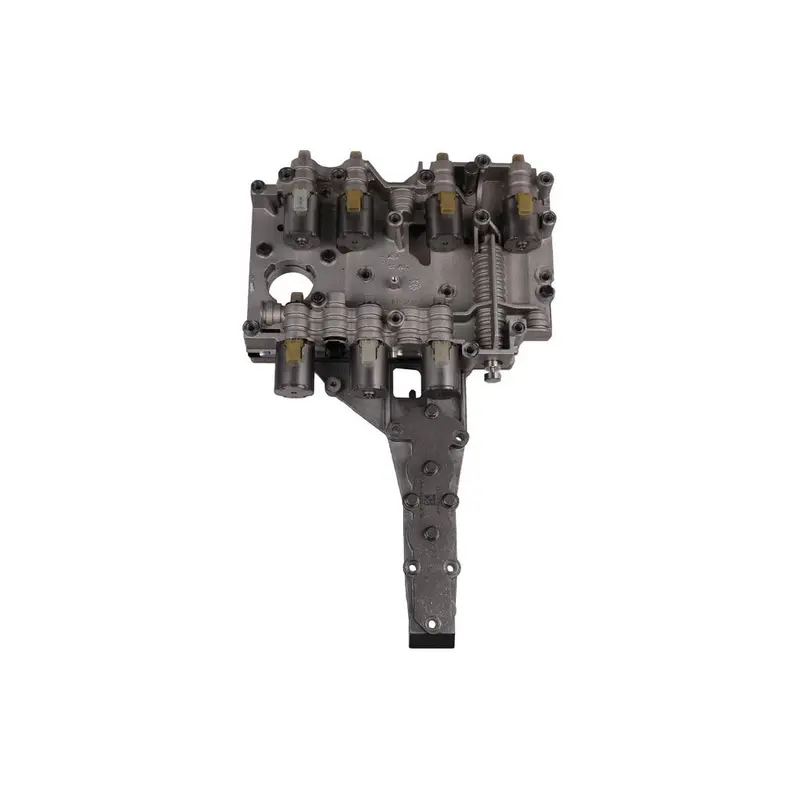
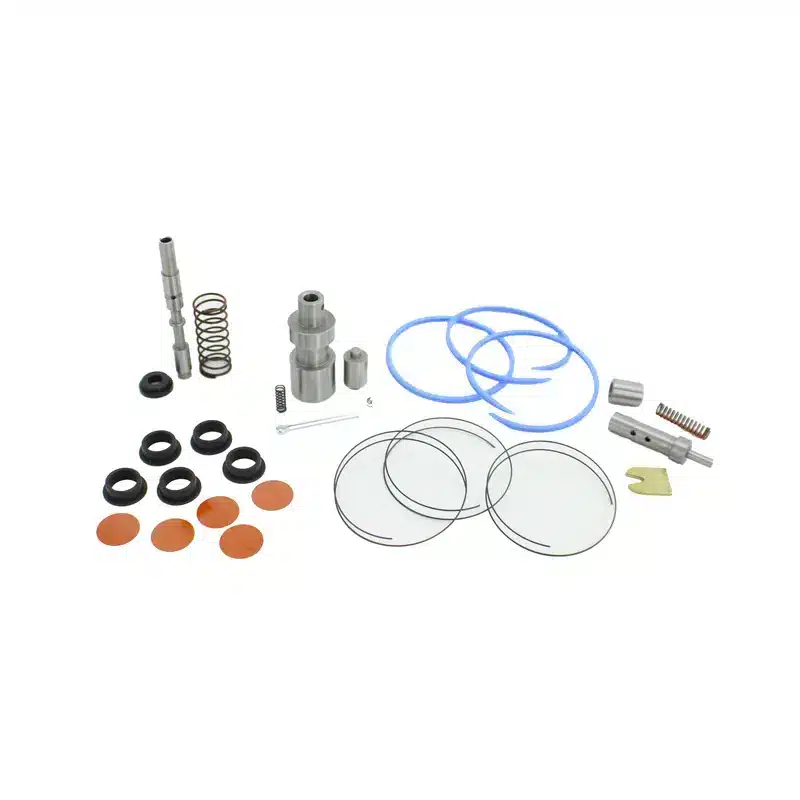
check valve rubber Check Valve Oil y check valve
Q1: What is the most critical factor in preventing check valve internal leakage?
A: The precision and compatibility of the disc/seat interface is paramount. A machined metal-to-metal seat requires ultra-tight tolerances, while an elastomer-seated design offers more forgiveness. The spring must provide sufficient force to ensure positive seating across all operating conditions.
Q2: Can you manufacture internals according to our existing drawings and material specs?
A: Yes, OEM/ODM support is a core service. We can work from your detailed drawings, samples, or performance specifications to manufacture replacement or customized check valve internal assemblies. A formal RFQ with your documentation is the best starting point.
Q3: What certifications do your processes and materials adhere to?
A: Our manufacturing quality management system is structured around ISO 9001 principles. We source materials from mills that provide standard chemical and physical property certificates (MTC). While we manufacture components, final valve assembly and certification (CE, FDA, etc.) are typically the responsibility of the integrator, though we can supply parts conforming to relevant material standards (e.g., ASTM, DIN).
Q4: What is your standard inspection procedure for valve internals?
A: Inspection typically includes: Dimensional check per drawing with CMM for critical features, visual inspection for surface defects, material verification via certs, and functional spring testing (load/rate). More extensive testing (pressure, helium leak) can be arranged as a separate service.
Q5: How do you handle logistics and what are the payment terms?
A: Goods are packed in export-worthy wooden cases or pallets. We arrange shipment based on agreed Incoterms (common for B2B: FOB, CIF). Standard payment terms are 30% T/T deposit with balance before shipment, though terms are negotiable based on order volume and relationship.
About the Author:  David Chen is a Senior Mechanical Procurement Consultant with over 15 years of experience specializing in fluid system components and global supply chain strategy for industrial OEMs. His insights are based on direct engagement with manufacturing engineers and procurement teams across North America and Europe.
Disclaimer: The information provided in this article is for general guidance and educational purposes. Specifications, MOQs, lead times, and capabilities are subject to change. Please contact Hebei Yuanda Trade Co., Ltd. directly for the most current and project-specific information and formal quotations. All product performance claims are dependent on proper application and installation.