In the intricate world of electrical infrastructure, the 3 4 emt connector serves as a critical junction point, ensuring that Electrical Metallic Tubing (EMT) systems are securely joined and structurally sound. Whether in commercial high-rises or industrial plants, these connectors prevent wire damage and ensure a continuous grounding path, which is essential for both electrical efficiency and personnel safety.
Understanding the nuances of the 3 4 emt connector is vital for engineers and contractors who prioritize long-term reliability over quick fixes. As global construction standards evolve toward stricter safety protocols, the demand for high-precision, corrosion-resistant connectors has surged, making the choice of material and manufacturing quality a primary concern for project longevity.
By mastering the selection and installation of the correct 3 4 emt connector, stakeholders can significantly reduce maintenance overhead and minimize the risk of electrical faults. This guide explores the technical specifications, global applications, and future innovations surrounding these essential components in the metal casting and processing industry.
Global Relevance of 3 4 EMT Connector Systems
The global demand for robust electrical conduits is inextricably linked to the rapid urbanization of emerging economies. According to standards mirrored by ISO and regional electrical codes, the use of a high-quality 3 4 emt connector is no longer optional but a requirement for maintaining the integrity of power grids in industrial zones. As cities expand, the complexity of wiring increases, demanding components that can withstand thermal expansion and mechanical stress.
One of the primary challenges facing the industry is the prevalence of substandard fittings that fail under extreme environmental conditions, leading to costly downtime or hazardous short circuits. By implementing precision-cast 3 4 emt connector solutions, industries can ensure that their electrical pathways remain secure, reducing the frequency of emergency repairs and enhancing the overall safety of the built environment.
Defining the 3 4 EMT Connector in Modern Industry
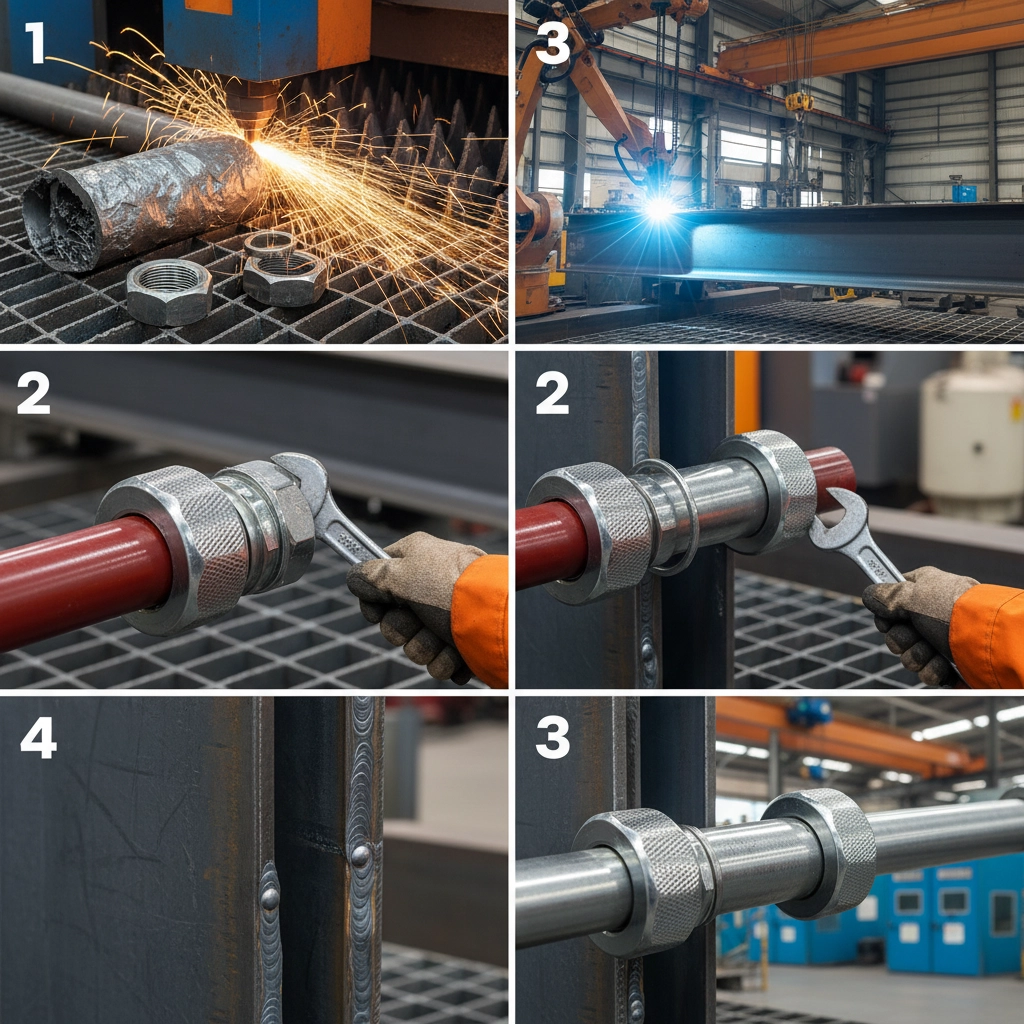
In simple terms, a 3 4 emt connector is a specialized fitting designed to join a 3/4-inch Electrical Metallic Tubing (EMT) conduit to an electrical box, enclosure, or another conduit section. Unlike threaded rigid conduits, EMT is thin-walled, meaning the connector must provide a secure grip—often through a compression mechanism or a set-screw—to ensure the tubing does not pull away during installation or operation.
Beyond its basic function, this component is a cornerstone of modern industrial safety. By enclosing electrical conductors within a metallic shell and securing them with a 3 4 emt connector, engineers create a Faraday cage effect that protects sensitive wiring from Electromagnetic Interference (EMI) and provides a physical barrier against rodents, moisture, and accidental impact.
In the context of humanitarian and rapid-deployment needs, such as temporary medical facilities or emergency shelters, the ease of assembly offered by these connectors is invaluable. The ability to quickly deploy secure electrical networks allows for the immediate restoration of power to critical life-saving equipment in disaster-prone areas.
Core Components and Technical Factors
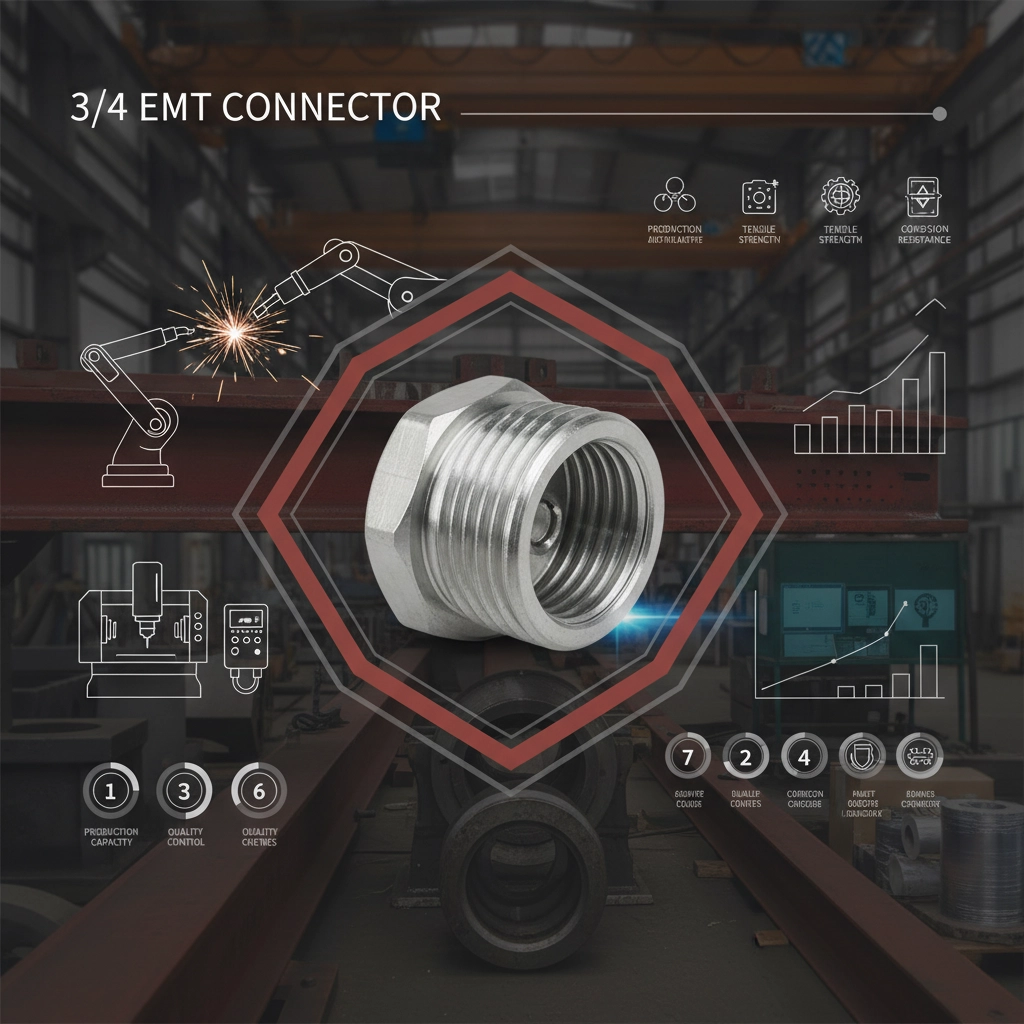
The effectiveness of a 3 4 emt connector depends largely on its material composition. Zinc-die casting is the industry standard due to its excellent balance of strength and corrosion resistance, ensuring that the fitting does not degrade when exposed to humidity or industrial pollutants.
Precision threading and grip geometry are the "invisible" factors that define quality. A 3 4 emt connector must maintain a tight tolerance to prevent "play" in the conduit line, which could otherwise lead to mechanical fatigue and eventual failure of the electrical bond.
Scalability and versatility are also key. Whether utilizing a set-screw design for rapid installation in dry locations or a compression style for more rigorous environments, the 3 4 emt connector must adapt to the specific load-bearing and environmental requirements of the project.
Global Applications and Use Cases
Across the globe, from the high-tech manufacturing hubs of East Asia to the expansive oil fields of the Middle East, the 3 4 emt connector is indispensable. In pharmaceutical cleanrooms, these connectors ensure that electrical runs are sleek and sealed, preventing the accumulation of contaminants while allowing for easy upgrades to the power system.
In remote industrial zones, such as mining operations in South America, the reliability of electrical connections is a matter of operational survival. The use of heavy-duty 3 4 emt connector fittings ensures that power remains stable despite the constant vibration of heavy machinery and the harsh, dusty atmosphere characteristic of extraction sites.
Performance Metrics of 3 4 EMT Connector Variations
Long-Term Value and Reliability Advantages
Investing in premium 3 4 emt connector components yields tangible long-term financial benefits. While cheaper alternatives may seem attractive during the initial procurement phase, the cost of a single electrical failure—including labor for troubleshooting and potential production losses—far outweighs the marginal saving on a fitting.
Beyond the financial aspect, there is the emotional value of safety and trust. For facility managers, knowing that every 3 4 emt connector in their building meets UL or CE standards provides peace of mind, ensuring that the infrastructure protects the lives of employees and the integrity of the company's assets.
Future Trends in Electrical Connectivity
The shift toward "Green Energy" is redefining the materials used in electrical fittings. We are seeing a move toward more sustainable alloys and recycled metals in the production of the 3 4 emt connector, reducing the carbon footprint of the manufacturing process without sacrificing structural integrity.
Digital transformation is also playing a role. With the rise of "Smart Buildings," there is an increasing need for connectors that can accommodate fiber optic cables alongside traditional copper wiring. The next generation of the 3 4 emt connector may include hybrid designs that support these diverse data-transmission needs.
Automation in the casting process is allowing for tighter tolerances and more complex geometries. This means future 3 4 emt connector designs will likely be even easier to install, requiring fewer tools and less manual effort, thereby accelerating the pace of large-scale infrastructure projects.
Overcoming Implementation Challenges
One of the most common challenges in the field is the improper installation of the 3 4 emt connector, often resulting in loose connections that compromise the grounding system. This is typically solved through better technician training and the adoption of torque-controlled tools to ensure each fitting is tightened to the exact specification.
Corrosion in coastal or chemical-heavy environments remains a significant hurdle. To overcome this, experts recommend upgrading to stainless steel or specially coated 3 4 emt connector variants that can resist chloride-induced stress corrosion cracking.
Another limitation is the incompatibility between different regional standards. The solution lies in the procurement of globally certified components that meet multiple international standards, allowing multinational firms to maintain a consistent quality baseline across all their global sites.
Comparative Analysis of 3 4 EMT Connector Specifications
| Connector Type |
Installation Speed |
Environmental Resistance |
Durability Score |
| Set-Screw 3 4 EMT |
Very High |
Low to Moderate |
7/10 |
| Compression 3 4 EMT |
Moderate |
High |
9/10 |
| Zinc Die-Cast 3 4 EMT |
High |
Moderate |
8/10 |
| Stainless Steel 3 4 EMT |
Moderate |
Extreme |
10/10 |
| Galvanized Steel 3 4 EMT |
High |
Moderate |
8/10 |
| Industrial Grade 3 4 EMT |
Moderate |
High |
9/10 |
FAQS
The set-screw connector is designed for speed and is ideal for dry, indoor locations where the conduit is not subject to significant movement. The compression 3 4 emt connector uses a nut and ring to create a tighter, more secure seal, making it suitable for damp locations or areas where higher mechanical strength is required.
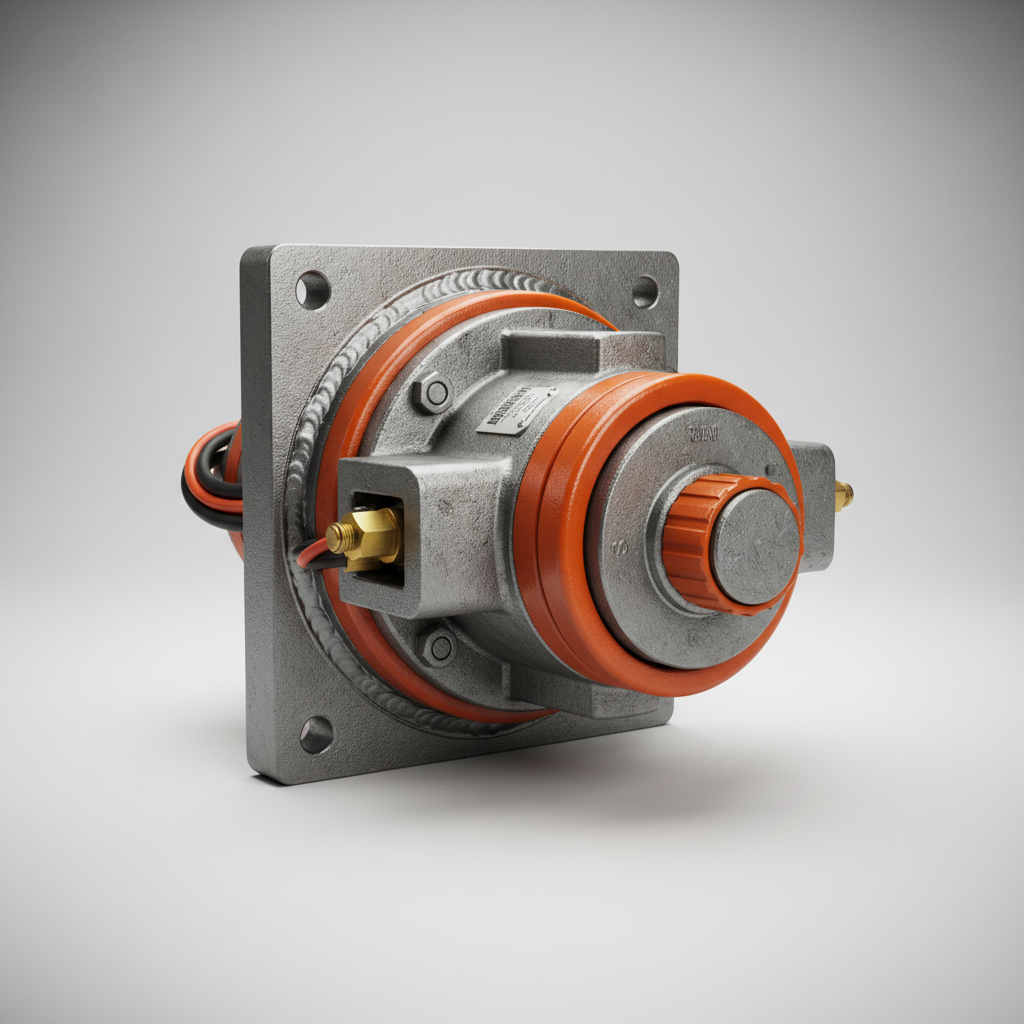
Standard zinc connectors are not recommended for direct exposure to wet outdoor conditions. For such environments, you should use "Rain-Tight" versions of the 3 4 emt connector, which typically feature a gasket or O-ring to prevent water ingress into the electrical system.
UL-listed connectors will typically have the UL mark embossed directly onto the metal body of the 3 4 emt connector. This certification ensures that the product has been tested for safety and meets rigorous industry standards for electrical conductivity and mechanical strength.
Over-tightening can strip the threads of the connector or deform the thin wall of the EMT conduit. This not only weakens the mechanical connection but can also create sharp edges that may slice through wire insulation, leading to potential short circuits.
It depends on the application. Die-cast zinc offers excellent precision and is generally more resistant to corrosion in indoor humid environments. Plated steel provides higher raw mechanical strength but may be more prone to rust if the plating is scratched or compromised.
To ensure a proper ground bond, the 3 4 emt connector must be tightened securely to create a metal-to-metal contact between the conduit and the enclosure. Using a compression fitting generally provides a more reliable grounding path than a set-screw fitting in high-vibration areas.
Conclusion
The 3 4 emt connector may seem like a small component, but it is the fundamental link that ensures the safety, stability, and longevity of electrical distribution systems globally. From its material composition and precision casting to its role in protecting critical wiring, the quality of this fitting directly impacts the reliability of the entire industrial infrastructure.
As we move toward a future defined by smart cities and sustainable energy, the evolution of the 3 4 emt connector will continue to mirror our need for higher efficiency and environmental responsibility. We encourage engineers and procurement specialists to prioritize certified, high-grade components to safeguard their investments and ensure operational excellence. Visit our website for professional solutions: www.ydcastings.com