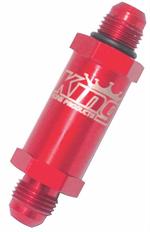
Hydraulic Tank Filter: The Ultimate Guide to Protecting Your Hydraulic Systems (2026)
For import managers, brand owners, and sourcing agents in 2026, finding a hydraulic tank filter that balances performance, reliability, and cost-effectiveness remains a critical procurement decision. This guide directly addresses your core questions: how to select a filter that prevents system contamination, extends equipment life, and meets your specific OEM/ODM requirements without compromising on lead times or quality standards. We detail the technical specifications, compliance landscape, and sourcing strategies essential for making an informed choice from a global supplier perspective.
Critical Industry Pain Points in Hydraulic System Maintenance
Hydraulic system failure is overwhelmingly linked to fluid contamination. For procurement professionals, the consequences are measured in downtime, repair costs, and brand reputation.
- Premature Component Wear: Ingesting particles as small as 5 microns can cause scoring on pumps, valves, and cylinders, leading to costly replacements.
- Unplanned Downtime: Filter failure or bypass can lead to sudden system shutdowns, disrupting production schedules and delivery commitments.
- Inconsistent Supplier Quality: Varying material grades, poor sealing integrity, and lack of certified testing data from suppliers create significant risk.
- Long Lead Times & Inflexibility: Standard off-the-shelf filters often don't fit unique reservoir designs, while custom solutions from many suppliers come with protracted development cycles.
- Compliance Complexity: Navigating certifications like CE (for machinery directive), RoHS, and specific OEM standards adds layers to the sourcing process.
A Strategic Sourcing Solution: Engineering-Led Partnership
The solution lies in partnering with a manufacturer that integrates engineering capability with supply chain agility. It's not just about purchasing a component; it's about securing a system protection guarantee. This involves:
- Technical Collaboration: Early engagement on filter specification (micron rating, flow capacity, pressure drop) based on your application (mobile machinery, industrial presses, marine hydraulics).
- Design Integration Support: Providing 2D/3D models for your team to verify fit and function within your tank assembly.
- Transparent Compliance Mapping: Clear documentation on which filters meet which international standards, simplifying your procurement audit trail.
- Supply Chain Optimization: Leveraging integrated manufacturing to control quality and timeline from raw material to finished, packaged goods.
Product Advantages: The YD Hydraulic Tank Filter Line
Hebei Yuanda Trade Co., Ltd. (YD), founded in 2006, provides engineered filtration solutions through its network of specialized foundry and machining partners in Northern China. Our focus is on translating China's supply chain scale into predictable quality and speed for global buyers.
Core Specifications & Design Features
| Parameter | Specification Range | Application Note |
|---|---|---|
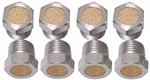
| Filtration Media | Wire Mesh (Stainless Steel 304/316), Synthetic Fiber | Choice depends on fluid compatibility and desired dirt-holding capacity. |
| Micron Rating (Nominal) | 10, 25, 40, 75, 100 microns | Standard ratings available; custom ratings possible for OEM projects. |
| Body Material | Carbon Steel, Cast Iron, Aluminum, Stainless Steel | Material selection aligns with YD's core metal casting expertise. |
| Seal Type | NBR, FKM (Viton), Silicone O-rings | Specified based on operating temperature and hydraulic fluid type. |
| Pressure & Flow | Standard designs for tank return line pressures; high-flow variants available. | Critical to match to your system's maximum return flow rate to avoid backpressure. |
Note: All specifications are for reference. Final parameters are subject to confirmation upon technical review of your application requirements.
OEM/ODM & Customization Capability
Your brand and application require a tailored approach. YD supports:
- Design Modifications: Alterations to port thread type (NPT, BSPP, SAE), filter element length, mounting flange design, and the inclusion of magnetic plugs or bypass valves.
- Branding: Laser etching or casting of your company logo, part number, and flow direction arrows directly onto the filter body.
- Material Substitutions: Upgrading to stainless steel for corrosive environments or specific aluminum alloys for weight-sensitive applications.
- Prototype Development: A structured process from concept to sample, typically within 3-5 weeks, depending on complexity.
Building Trust: Compliance, Capacity, and Commercial Terms
Trust in B2B transactions is built on verifiable data and clear terms.
Quality Assurance & Compliance
Our partner foundries operate under recognized quality management systems. Products can be supplied to meet various international standards, including: ISO 9001 RoHS CE REACH. Material certifications and first-article inspection reports are available upon request. Our in-house quality checks include dimensional verification, pressure decay tests for housing integrity, and material identification.
Commercial Terms for Global Buyers
- MOQ (Minimum Order Quantity): As low as 50-100 units for standard designs, providing accessibility for smaller brands and pilot projects. MOQ for custom/OEM projects is evaluated case-by-case.
- Lead Time: 25-35 days for standard items with confirmed specifications. Custom projects require an additional 2-3 weeks for tooling and sample approval.
- Packaging & Logistics: Standard export cartons with foam or bubble wrap interior. We handle FOB/CIF arrangements from major Chinese ports, with experience in shipping to North American, European, and Australian markets.
- After-Sales Support: Technical documentation pack provided with each order. A 12-month warranty against manufacturing defects from the date of shipment.
Customer Reviews & Project Feedback
hydraulic suction filter hydraulic suction filters Hydraulic Return Line Filters
"We source hydraulic components for agricultural equipment remanufacturing. The 75-micron tank breather filters from YD were a custom fit for our reservoir design. The technical communication was precise, and they hit the 30-day delivery window even for our first order of 200 pieces. Fluid analysis shows excellent contaminant control."
- Michael R., Import Manager, Midwest USA
"As a small brand owner, finding a supplier willing to do low MOQ with our branding was tough. YD delivered. The filters perform reliably in our mobile power units, and the per-unit cost gave us the margin we needed. Their WhatsApp support is responsive, which is crucial for us operating in different time zones."
- Sarah L., Brand Owner, Canada
"I act as a sourcing agent for several European machinery builders. Compliance paperwork is non-negotiable. YD provided clear RoHS and Material Declarations for the stainless steel filter housings, which streamlined the CE marking process for my clients. A trustworthy partner for technical components."
- David K., Sourcing Agent, Germany
Clear Next Steps: Request Your Technical Consultation
Optimizing your hydraulic system's protection starts with a specification review. To receive detailed quotations, CAD models, or samples:
- Provide your basic requirements: reservoir size, desired micron rating, flow rate (L/min or GPM), port connection type, and target quantity.
- Share any existing drawings or part numbers you are looking to match or improve upon.
- Contact our engineering support team directly via email or WhatsApp for the fastest response.
Contact Hebei Yuanda Trade Co., Ltd.:
Tel: +86-311-808-126-83
WhatsApp: +8619333738338 (Ben) / +8619333736198 (Linda)
Email: info@ydcastings.com
Visit our Contact Page for more details.
Frequently Asked Questions (FAQ) - Hydraulic Tank Filters
Q1: What is the primary function of a hydraulic tank breather filter?
A: It serves two main functions: to prevent airborne contaminants (dust, moisture) from entering the hydraulic reservoir during system operation and fluid level changes, and to allow air to freely enter and exit the tank to prevent pressure buildup or vacuum formation.
Q2: How do I choose the correct micron rating for my application?
A: The rating depends on your system's sensitivity. A common recommendation for general industrial systems is 25-40 microns for tank breathers. For high-precision systems (e.g., servo-hydraulics), a 10-micron rating might be specified. The goal is to protect the system without creating excessive flow restriction.
Q3: Can you supply filters that meet the NSF/FDA standards for food-grade applications?
A: We can source materials and seals that are compliant with FDA guidelines for incidental food contact. Please specify this requirement at the inquiry stage so we can propose suitable material options (e.g., specific stainless steel grades, FDA-approved elastomers) for your review.
Q4: What information do you need to provide a quotation for a custom filter design?
A: To provide an accurate quote and feasibility assessment, we typically require: a sketch or CAD model, desired material, micron rating, flow rate, operating pressure and temperature, port thread specifications, and your target annual volume or initial order quantity.
Q5: What is your standard payment term for new clients?
A: Standard terms are 30% T/T deposit with order confirmation, and 70% balance before shipment. For established clients and repeat orders, alternative terms can be discussed. All transactions are conducted in accordance with standard international trade practices.

About the Author
James Peterson is a Fluid Power Systems Consultant with over 15 years of experience in hydraulic component specification and global supply chain management for heavy equipment manufacturers. He contributes technical content to industry publications and works closely with engineering teams to bridge the gap between design requirements and manufacturable solutions. His expertise lies in filtration, contamination control, and system reliability.