How Does a Sediment Removal Separator Work? A Guide for Industrial Buyers
For import managers, brand owners, and sourcing agents, understanding how sediment removal separators work is the first step to solving critical filtration challenges in water treatment, irrigation, and industrial processes. This guide explains the core separation principles, key design features, and how to select a reliable supplier that balances performance, cost, and delivery for your supply chain.
The High Cost of Sediment in Your Operations
For professionals managing procurement and supply chains, sediment contamination isn't just a maintenance issue—it's a direct threat to operational efficiency and profitability. Unchecked particles in water or process fluids lead to:
- Equipment Damage: Abrasive sand and silt accelerate wear on pumps, valves, nozzles, and heat exchangers, leading to frequent breakdowns and high replacement costs.
- System Downtime: Clogged filters and fouled systems require shutdowns for cleaning, disrupting production schedules and delivery commitments.
- Product Quality Issues: In manufacturing or agriculture, contaminated water can compromise final product quality, leading to waste and customer complaints.
- Increased Chemical Usage: Higher turbidity forces the use of more flocculants and disinfectants, raising operational expenses.
Traditional inline filters or screens often require constant manual cleaning or replacement, creating labor-intensive bottlenecks. The solution requires a system that removes sediment automatically and continuously without interrupting flow.
The Working Principle: Centrifugal Force for Continuous Separation
Sediment removal separators, often called hydrocyclone separators or centrifugal sand separators, operate on a simple yet highly effective principle of centrifugal force, without any moving parts or filter elements. Here is a step-by-step breakdown of how the sediment removal process works:
1. Tangential Inlet & Vortex Creation
Pressurized fluid (water) enters the separator's cylindrical chamber through a tangential inlet. This design forces the water to spin rapidly along the inner walls, creating a powerful vortex.
2. Centrifugal Separation
The spinning motion generates strong centrifugal forces. Dense particles like sand, silt, and grit are thrown outward against the chamber wall due to their higher mass.
3. Dual Outlet Design
Clean Outlet (Top): The clarified fluid, now free of heavy solids, reverses its spiral direction and exits through the centrally located vortex finder at the top.
Sediment Collection (Bottom): The separated particles slide down the chamber walls into a conical collection hopper at the bottom, where they can be periodically purged via a manual or automatic blow-down valve.
Key Efficiency Factors: Separation efficiency depends on particle size and density, flow rate, pressure, and the specific design geometry of the separator (cone angle, inlet/outlet diameters). A well-engineered unit can typically remove 98% of particles 74 microns (200 mesh) and larger.
Beyond the Basic Design: Features for B2B Procurement
When evaluating suppliers, technical specifications and manufacturing capabilities are paramount. Here are critical features aligned with buyer needs:
Material & Construction for Durability
Body materials must match the application's corrosiveness and pressure requirements.
| Material | Typical Applications | Pressure Rating |
|---|---|---|
| Cast Iron (Ductile Iron) | Irrigation, industrial water, non-corrosive fluids | Up to 10 bar (145 PSI) |
| Stainless Steel (304/316) | Food & beverage, pharmaceuticals, chemical processing, marine | Up to 16 bar (232 PSI) |
| Reinforced Polyamide/Plastic | Low-pressure agricultural systems, light chemical duty | Up to 6 bar (87 PSI) |
Note: All pressure ratings are for reference. Please refer to the actual product specifications and order confirmation for guaranteed ratings.
Compliance & Certifications for Market Access
Reliable suppliers should provide products that meet international standards to simplify your import and compliance process. Look for:
- CE Marking: Indicates conformity with health, safety, and environmental protection standards for the European Economic Area.
- ISO 9001:2015: Certifies a quality management system, ensuring consistent manufacturing and process control.
- Material Certifications: Mill test reports for metals to verify material grade and properties.
Why Partner with a Specialized Industrial Foundry?
Choosing a supplier like Hebei Yuanda Trade Co., Ltd. (YD), founded in 2006, translates the working principle of sediment separators into reliable, cost-effective hardware. Here’s how our model aligns with B2B buyer priorities:
Vertical Integration & Quality Control
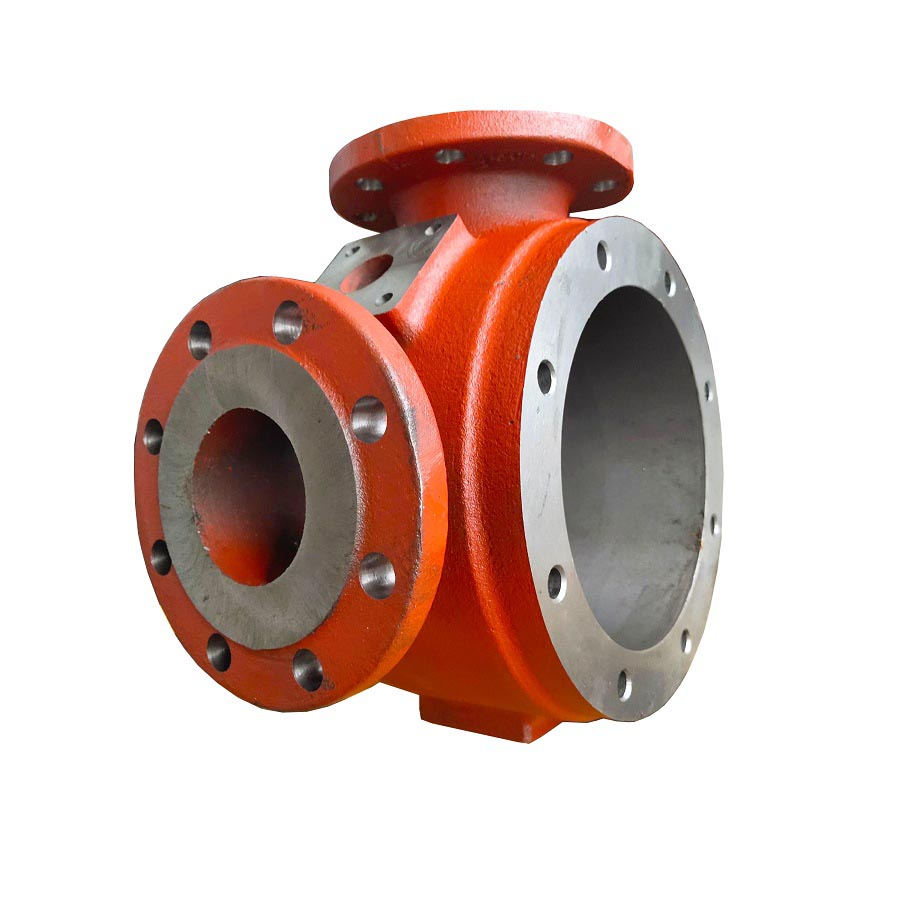
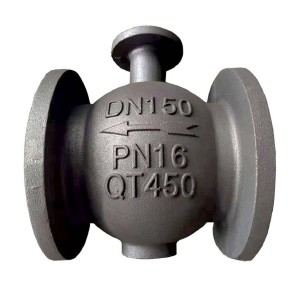
With a 5,000 m² facility and direct access to North China's foundry network, we control the casting process—from pattern making (sand casting, lost wax) to machining and assembly. This allows for stringent quality checks at each stage, ensuring dimensional accuracy and pressure integrity.
OEM/ODM Design Flexibility
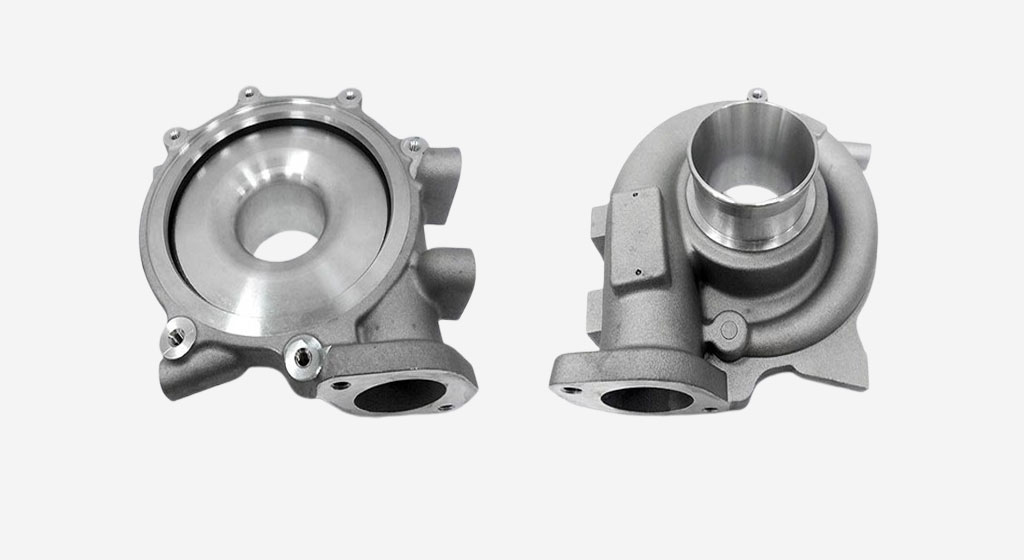
water sand separator Sand Separators mechanical sand separator
We don't just sell catalog items. Our engineering team can adapt standard designs to your specific flow rate, connection type (NPT, BSP, Flanged), material, and branding requirements. This is crucial for brand owners and wholesalers looking to differentiate their product line.
Supply Chain Efficiency
Consolidating multiple casting needs (separators plus other components) with a single supplier simplifies logistics, reduces communication overhead, and often leads to better overall pricing and high-speed delivery terms.
Procurement Specifications: What You Need to Know
Clear communication with your supplier ensures you get the right product. Prepare these details for an accurate quote:
- Flow Rate: Required capacity in GPM or m³/hr.
- Operating Pressure: Standard system pressure and any peak pressures.
- Connection Type & Size: e.g., 2" NPT, DN50 Flanged.
- Target Particle Size: The micron size you need to remove (e.g., >100 microns).
- Fluid Type: Water, mild chemical, temperature.
- Material Preference: Cast iron, stainless steel 304/316, etc.
- Certification Needs: CE, specific material reports.
- MOQ & Packaging: Standard MOQ is 50 units for customized orders, but can be discussed for standard items. Export-standard wooden crates or pallets are used.
- Lead Time: Typically 30-45 days for OEM orders, depending on complexity and quantity. Standard items may ship sooner.
- Shipping Terms: Standard terms are FOB Tianjin/Xingang or CIF to your nearest port.
Feedback from the Field: User Experiences
"Michael R., Irrigation Project Manager - Texas, USA"
"We integrated YD's cast iron separators into a large-scale farm irrigation project. The water here is heavy with sand. After 18 months, the downstream drip lines show virtually no clogging. The durability is on par with more expensive brands, and their team was responsive on custom flanges."
"Sophie L., Sourcing Agent for European Equipment Distributor"
"My client needed stainless steel separators with specific CE documentation for the EU market. Hebei Yuanda provided clear test reports and supported the certification process. The consistent quality across 500 units allowed for smooth inventory planning for my client."
"David K., Plant Manager - Manufacturing, Indonesia"
"We use these for pre-filtration in our cooling water loop. The reduction in heat exchanger cleaning downtime has been measurable. The ODM support to add a pressure gauge port was straightforward. A reliable workhorse component."
Ready to Specify Your Sediment Removal Solution?
Understanding how a sediment removal separator works is the foundation. The next step is partnering with a manufacturer that can translate that principle into a durable, efficient product tailored to your volume and market needs.
Contact our team today for a detailed technical consultation, quote, or to discuss your OEM/ODM project. Provide your basic specifications, and we will respond within 12 hours with a competitive proposal, including lead time and logistics options.
Hebei Yuanda Trade Co., Ltd. | Founded in 2006
📞 Tel: +86-311-808-126-83 | 📱 WhatsApp: +8619333738338 (Ben) / +8619333736198 (Linda)
✉️ Email: info@ydcastings.com | 🌐 Contact Page

About the Author: Marcus Thorne
Marcus is a filtration systems consultant with over 15 years of experience in water treatment and industrial fluid dynamics. He has worked with engineering teams and procurement departments globally to specify and integrate separation technologies for agriculture, manufacturing, and municipal projects. His focus is on translating technical performance into tangible ROI for buyers.
Disclaimer: The technical data, performance metrics, and specifications provided in this article are for informational purposes. They are based on standard industry designs and practices. Final product performance may vary based on specific application conditions, fluid properties, and system configuration. All order specifications, lead times, and certifications are subject to final confirmation in the commercial invoice and purchase agreement. Always consult with a qualified engineer for your specific project requirements.