Glycol Pumps: A Technical & Sourcing Guide for B2B Procurement (2026)
For import managers, brand owners, and sourcing agents evaluating glycol pump suppliers, core questions revolve around reliability, total cost of ownership, and supply chain stability. This guide details how a powerful factory with integrated OEM/ODM design capabilities, stringent quality assurance, and leveraging China's supply chain for high-speed delivery can address these critical procurement needs for industrial and commercial applications.
Understanding Industry Pain Points in Glycol Pump Procurement
Procuring a critical component like a glycol pump presents distinct challenges for international buyers. Common frustrations include:
- Inconsistent Quality & Downtime: Pumps that fail prematurely under continuous load, leading to costly system halts in HVAC, food processing, or chemical transfer lines.
- Extended Lead Times: Unpredictable delivery schedules disrupt inventory planning and project timelines, especially for custom-engineered solutions.
- Limited Customization & Support: Suppliers offering rigid, off-the-shelf models that don't fit specific voltage, porting, material, or control integration requirements.
- Hidden Costs: Unexpected expenses arising from poor after-sales support, inefficient packaging leading to freight damage, or non-compliance with regional market certifications.
- Communication Barriers: Difficulty in conveying precise technical specifications and receiving timely, clear updates from the manufacturing source.
A Solutions-Focused Approach: Engineering & Supply Chain Integration
The solution lies in partnering with a supplier that functions as an extension of your engineering and operations team. This involves a vertically integrated approach where design, manufacturing, quality control, and logistics are seamlessly coordinated. For a glycol pump, this translates to:
- Co-Engineering from Concept: Collaborative OEM/ODM design sessions to adapt pump housings, impellers, seals, and motor specifications to your exact fluid properties, pressure curves, and environmental conditions.
- Proactive Quality Gates: Implementing a multi-stage quality assurance protocol that tests raw materials (castings, seals, motors), in-process assemblies, and final performance under simulated operational stress.
- Supply Chain Transparency: Leveraging deep roots within China's supply chain for critical components (e.g., specialized stainless steel, corrosion-resistant seals, IE3/IE4 efficiency motors) to ensure material availability and cost stability, enabling reliable high-speed delivery promises.
Product & Service Advantages: Beyond the Basic Pump
Hebei Yuanda Trade Co., Ltd. (YD), founded in 2006, embodies this integrated model. With a powerful factory footprint covering 5000 m² and backed by extensive foundry resources in northern China, YD provides more than just a product—it delivers a certified, configurable fluid handling solution.
Technical Specifications & Customization Capabilities
| Parameter | Standard Range & Options | Application Note |
|---|---|---|
| Fluid Compatibility | Ethylene Glycol, Propylene Glycol solutions (various concentrations), heat transfer fluids | Material selection (e.g., cast iron, 304/316 stainless steel, aluminum) is critical for corrosion resistance. |
| Flow Rate & Head | Custom-engineered. Typical ranges: 5-200 GPM, head up to 150 PSI. | Performance curves are validated based on fluid viscosity and temperature. |
| Power & Motor | 0.5 HP to 20 HP. Options: Single/Three-Phase, 50/60 Hz, IEC/NEMA standards, variable speed drives. | Compliant with target market electrical standards (UL, CE marking). |
| Seal Types | Mechanical seals (SiC, Al2O3), packed glands. Selected based on fluid type and temperature. | A primary factor in pump longevity and maintenance intervals. |
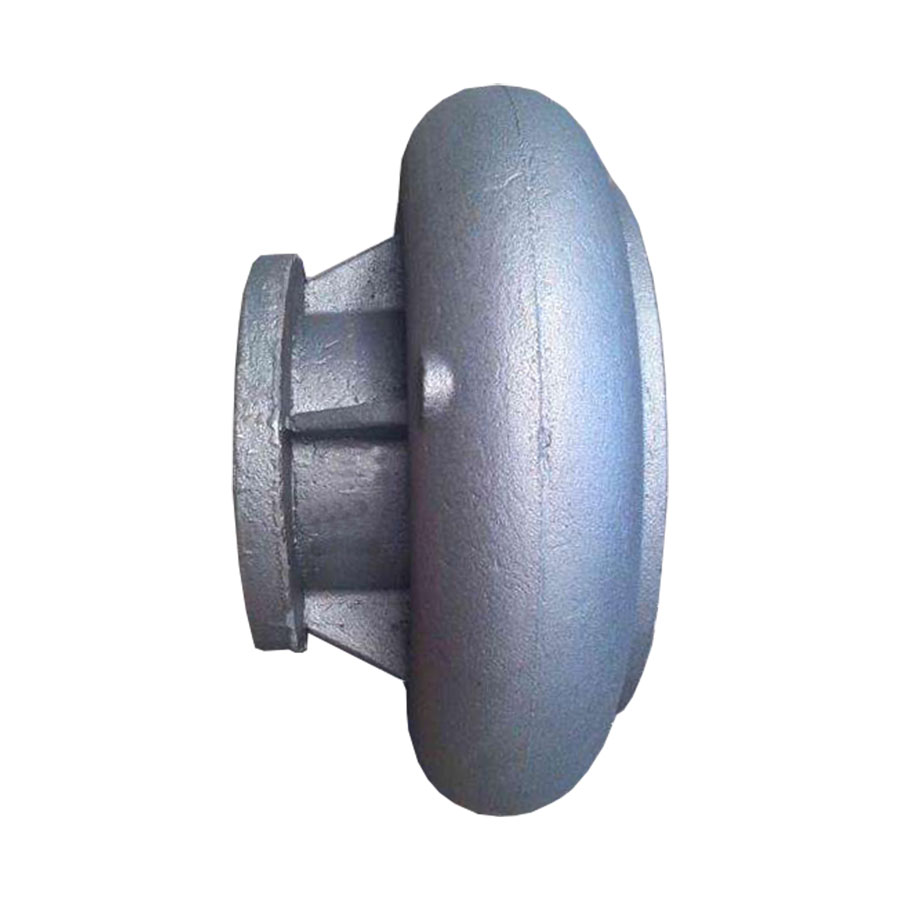
| Connections & Casing | Flanged (ANSI, DIN), threaded (NPT, BSP). Sand casting or investment casting for complex geometries. | Enables direct integration into existing piping systems. |
Note: All specifications are subject to engineering review. Final parameters will be confirmed in the order agreement.
Commercial & Logistics Terms for B2B Buyers
- MOQ (Minimum Order Quantity): Flexible, starting from 1 unit for prototype or sample orders, with volume discounts available for production runs.
- Lead Time: Standard models: 15-30 days after order confirmation. Custom OEM/ODM design projects: 30-45 days, depending on complexity.
- Certifications & Compliance: Pumps are manufactured in facilities with a quality management system framework. Components and final assemblies can be produced to meet CE, RoHS, and other relevant directives. Final certification is project-specific and must be stipulated during the design phase.
- Packaging & Logistics: Export-standard wooden crates or plywood boxes with waterproofing and immobilization to prevent freight damage. Standard trade terms: FOB Shanghai/Ningbo/Tianjin or CIF to major destination ports.
- After-Sales Support: Comprehensive documentation (manual, test report, drawings). A 12-month warranty on materials and workmanship from shipment date. Technical support for installation and troubleshooting is provided.
Trust Endorsement: Expertise Built on Foundry Foundations
Trust in B2B manufacturing is earned through transparency and a proven track record. Hebei Yuanda's core competence in metal castings since 2006 provides a significant advantage in glycol pump manufacturing. Controlling the casting process for pump housings and components ensures:
- Material Integrity: Direct sourcing and quality control of cast iron, aluminum, and stainless steel alloys.
- Design Freedom: Utilizing sand casting, die casting, and lost wax casting processes to produce optimal, cost-effective geometries for strength and fluid dynamics.
- Vertical Efficiency: This integration from molten metal to machined part reduces dependencies, manages costs, and shortens production cycles, contributing directly to high-speed delivery.
Reviews from Industry Professionals
Alex R., Import Manager for a HVAC Distributor (Midwest, USA): "We needed a custom glycol pump for a large commercial geothermal project. YD's engineers worked with us on the CAD models for a unique flange design. The communication was precise, and the pumps arrived ahead of schedule, fully tested. Their focus on the casting quality is evident—no porosity issues we've had with other suppliers."
Sophie K., Brand Owner of a Craft Beverage Equipment Company (Canada): "Sourcing propylene glycol pumps for our chilling systems required FDA-compliant materials and a specific finish. YD handled the OEM/ODM design and provided full material traceability documentation. Their quality assurance protocol gave us the confidence to brand these pumps under our name."
col pump grunfos pumps chemical pump
Marcus T., Sourcing Agent for Industrial MRO Supplies (UK): "Reliability and lead time are everything for my clients. I've channeled several orders for standard and modified glycol pumps to YD. Their consistency on delivery dates and the robust packaging they use have minimized logistics headaches. They understand the needs of the B2B reseller."
Clear Next Steps: Request a Technical Consultation
If you are evaluating glycol pump suppliers for an upcoming project, replacement program, or private-label initiative, the next step is a technical and commercial dialogue.
To receive a competitive quotation or discuss your project:
- Share your basic requirements: fluid type/concentration, flow rate (GPM or L/min), pressure/head (PSI or meters), preferred power supply, and material.
- Indicate if you need a standard model, a modification, or a fully custom OEM/ODM design.
- Provide your target quantity and required timeline.
Contact the YD engineering and sales team for a responsive consultation:
Tel: +86-311-808-126-83 | WhatsApp: +8619333738338 (Ben) / +8619333736198 (Linda)
Email: info@ydcastings.com | Contact Page: https://www.ydcastings.com/contactus.html
Frequently Asked Questions (FAQ) on Glycol Pump Sourcing
Q1: What is the typical lead time for a custom glycol pump order?
A: For a new custom or OEM/ODM design, the typical lead time is 30-45 days after final design approval and deposit. This includes pattern/mold creation, casting, machining, assembly, and testing. Standard model lead times are often shorter, around 15-30 days.
Q2: Can you supply pumps that are certified for the US or EU markets?
A: We manufacture pumps with compliance in mind. Components can be sourced to meet relevant standards (e.g., CE for machinery directive, RoHS). The pump can be constructed and tested to facilitate your certification process. Final market certification is the responsibility of the importer/brand owner, and we provide the necessary technical documentation to support it.
Q3: What is your MOQ, and do you offer sample pumps?
A: Our MOQ is flexible. We encourage sample orders for quality verification and fit-check. A single unit can be produced for testing purposes, though pricing for prototypes differs from volume production pricing.
Q4: How do you ensure quality control for glycol pumps?
A: Our quality assurance process is multi-stage: 1) Incoming inspection of raw materials and components, 2) In-process checks during casting, machining, and assembly, 3) Final performance test, often including a hydraulic run test to verify flow, pressure, and seal integrity before shipment.
Q5: What are the standard payment terms?
A: Standard terms are 30% deposit with order confirmation, 70% balance before shipment. Terms for established partners may be negotiable. Payments are typically via T/T (Bank Transfer).
Disclaimer: Information provided is for general guidance. Specifications, lead times, pricing, and certification details are subject to change and must be confirmed in a formal project quotation or sales contract.
About the Author:  David Chen is a Senior Fluid Systems Engineer with over 15 years of experience in designing and specifying pumps for industrial and commercial applications across North America and Asia. He currently acts as a technical consultant for manufacturers, focusing on optimizing component design for manufacturability, performance, and global compliance. His insights bridge the gap between engineering requirements and practical supply chain execution.
This article is intended for informational purposes to assist in B2B procurement decisions. All product claims should be verified with the manufacturer.