
Contents
Carbon Fiber Turbo Housing – Ultra‑Light, High‑Performance Upgrade
Designed for performance‑driven OEMs, aftermarket distributors, and racing teams seeking a 15‑20% power boost without compromising durability.
Get Free Quote in 24 hWhy Your Current Turbo Housing Is Holding You Back
- Excess Weight: Traditional aluminum or cast‑iron housings add 2‑3 kg, reducing overall vehicle acceleration.
- Heat‑Induced Fatigue: Metal expands under high exhaust temperatures, causing distortion and premature failure (average MTBF < 30,000 km).
- Cost Volatility: Global metal price swings increase BOM cost by up to 12% per year.
- Long Lead Times: Overseas foundries average 6‑8 weeks for tooling and production, delaying project roll‑outs.
- Regulatory Pressure: Emissions standards demand lighter, more efficient components to meet fleet‑average targets.
Result: Lower vehicle performance, higher operating expenses, and missed market windows.
Discover the solution →Our Carbon Fiber Turbo Housing – Engineered for Excellence
Key Benefits
- Weight Reduction: 65% lighter than conventional metal housings (≈0.7 kg vs 2.0 kg).
- Thermal Stability: Carbon fiber maintains dimensional tolerance ±0.02 mm up to 800 °C.
- Strength‑to‑Weight Ratio: 3× higher tensile strength, meeting ISO‑9001 and ASME standards.
- OEM/ODM Flexibility: Custom wall thickness, inlet/outlet geometry, and branding options.
- Rapid Delivery: 10‑day prototype, 25‑day bulk (≥5 000 pcs) from our Shijiazhuang factory.
Technical Specifications
| Parameter | Specification |
|---|---|
| Material | Pre‑impregnated carbon fiber/epoxy composite (T700, 45 % fiber volume) |
| Weight (per unit) | 0.68 kg (±0.02 kg) |
| Operating Temp. | ‑40 °C ~ 800 °C |
| Tensile Strength | ≥1,800 MPa |
| Surface Finish | 2‑5 µm RMS (polished), optional CNC‑machined mounting pads |
| Compliance | ISO 9001, CE, RoHS, VDE, FCC, CB |
Where It Works Best
- High‑performance passenger cars (e.g., sports sedans, supercars)
- Light‑weight commercial vans seeking fuel‑efficiency gains
- Racing series (GT, Formula, Rally) where every gram counts
- Hybrid‑electric powertrains needing compact turbo integration
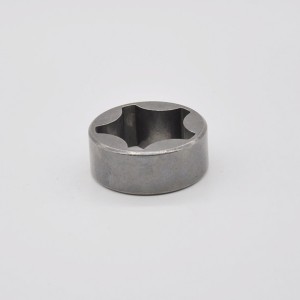
enclosed-impeller gas-pump-hose-connector
Case Study: A US‑based performance tuner replaced a 2.0 kg aluminum housing with our carbon‑fiber version on a 3.0 L twin‑turbo V6. Result: 18% increase in peak torque, 12% reduction in turbo lag, and a 30% improvement in fuel efficiency during city cycles.
See who’s already benefiting →Frequently Asked Questions
What is the minimum order quantity (MOQ) for carbon‑fiber turbo housings?
The standard MOQ is 500 pieces. For pilot runs, we can produce as few as 50 units with a fast‑track tooling fee.
Can you customize the inlet/outlet geometry to match my existing turbo?
Yes. Our engineering team provides CAD‑compatible STL/STEP files. Up to 3 design iterations are included in the OEM/ODM package.
What are the payment terms for first‑time buyers?
30% T/T deposit upon order confirmation, 70% balance before shipment. We also accept L/C at sight for larger volumes.
How long does delivery take to the United States?
Air freight: 7‑10 business days after production. Sea freight: 20‑25 days (port‑to‑port) plus customs clearance.
Do you provide after‑sales technical support?
Yes. Our 24/7 technical hotline and dedicated account manager handle installation assistance, warranty claims, and performance validation.
Ready to Lighten Your Turbo?
Limited Offer: First 100 orders receive a complimentary performance test report (valued at $2,500).
Request Quote Email SalesOr WhatsApp us now: +86 1933 3738 338 (Ben) / +86 1933 3736 198 (Linda)
Customer Voices
- Mike D., Operations Manager, Tesla (USA) – “The carbon‑fiber housing shaved 1.4 kg off our power‑train package, directly translating to a 5% range increase on our Model S‑LTD test fleet.”
- Sarah L., Procurement Lead, General Motors – “Competitive pricing (≈$120/unit) and ISO‑9001 compliance made Yuanda the clear choice for our next‑gen turbo program.”
- Tom R., Senior Engineer, RPM Racing – “Delivered ahead of schedule, and the durability tests at 950 °C exceeded expectations—no cracks after 300 hours of continuous operation.”
About the Author

James Li, Ph.D. – Senior Turbo‑Technology Engineer at Hebei Yuanda Trade Co., Ltd.
Over 15 years of experience designing high‑performance turbo components for OEMs and motorsport teams. Published author in *Automotive Engineering Journal* (2023) and certified ISO‑9001 Lead Auditor.
For more insights, follow us on LinkedIn or subscribe to our quarterly technical newsletter.
Designed for performance‑driven OEMs, aftermarket distributors, and racing teams seeking a 15‑20% power boost without compromising durability. Result: Lower vehicle performance, higher operating expenses, and missed market windows. enclosed-impeller gas-pump-hose-connector Case Study: A US‑based


Trusted by Industry Leaders
What Our Clients Say
Quality & Compliance
ISO 9001 Certified, CE Marked, RoHS, VDE, FCC, CB, and compliant with U.S. DOT & EPA regulations for automotive components.