English

Mobile:+86-311-808-126-83
Email:info@ydcastings.com
English
High-Quality 50mm End Cap for Secure and Reliable Connections
Understanding End Caps A Focus on the 50mm Variation
End caps are essential components in various industrial, commercial, and even residential applications. They serve multiple purposes, including providing structural integrity, preventing contamination, and enhancing aesthetic appeal. One specific size that often garners attention is the 50mm end cap. In this article, we will explore the importance, applications, and manufacturing processes of 50mm end caps, as well as recent advancements in materials and technology that aim to improve their functionality and longevity.
What is an End Cap?
An end cap is a component that is attached to the end of a pipe, tube, or other cylindrical objects. Its primary purpose is to seal the end, preventing any unwanted substances from entering or exiting. End caps can be made from a variety of materials, including plastic, metal, and rubber, each offering distinct advantages depending on the application. The 50mm end cap is particularly popular due to its versatility and ease of integration in numerous systems.
Applications of 50mm End Caps
1. Plumbing Systems In plumbing, 50mm end caps are used to seal the ends of pipes, effectively preventing leaks and ensuring the system operates efficiently. They can be found in both residential and commercial plumbing systems, making them an indispensable component.
2. HVAC Systems Heating, ventilation, and air conditioning systems also utilize 50mm end caps to maintain airflow and prevent contamination. These caps help seal ductwork, ensuring that air quality remains optimal while also maintaining energy efficiency.
3. Furniture Manufacturing The furniture industry often employs 50mm end caps in the design of tables, chairs, and other items. These caps not only cover unsightly metal or wooden ends but also serve as protective feet, preventing scratches on flooring.
4. Electrical Applications In electrical wiring, end caps play a vital role in ensuring safety and preventing short circuits. The 50mm end cap can be used to cover wiring junctions or endpoints, maintaining system integrity.
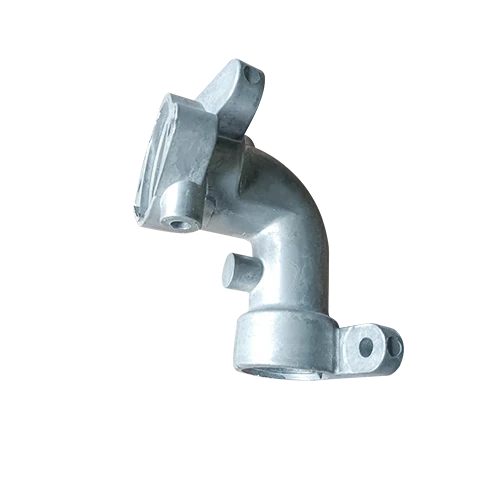
end cap 50mm
Materials Used in Manufacturing
The choice of material for 50mm end caps can significantly affect their performance and durability. Here are some common materials used
- PVC (Polyvinyl Chloride) This plastic is known for its strength and resistance to corrosion and chemicals, making it ideal for plumbing and HVAC applications.
- Aluminum Lightweight yet robust, aluminum end caps are often used in furniture and automotive applications due to their durability and aesthetic appeal.
- Silicone Flexible and resilient, silicone end caps are popular in electrical applications where resistance to heat and moisture is essential.
Technological Advancements
The manufacturing process of end caps has evolved significantly over the years. Innovations in technology have led to enhanced production techniques, such as injection molding and 3D printing. Injection molding allows for high-volume production with consistent quality, while 3D printing provides the flexibility to create custom designs on demand.
Additionally, advancements in material science have led to the development of composite materials that offer improved strength-to-weight ratios and enhanced resistance to environmental factors. These new materials can prolong the lifespan of end caps and reduce the overall maintenance costs associated with their applications.
Conclusion
The 50mm end cap plays a crucial role in an array of industries, from plumbing and HVAC systems to furniture and automotive manufacturing. Its ability to provide a secure seal, protect against contamination, and enhance aesthetic appeal makes it an invaluable component in many applications. With continued technological advancements and new material developments, we can expect the functionality and efficiency of end caps to improve even further in the coming years. Understanding the significance of such small yet impactful components allows industries to maintain high standards of safety, performance, and design. Whether you are a homeowner, contractor, or manufacturer, recognizing the value of 50mm end caps is essential for achieving long-lasting results in your projects.
-
Advanced Manufacturing Technologies in Modern Industrial ProductionNewsMay.22,2026
-
Engine Oil Management Tools: Essential Solutions for Clean and Efficient Automotive MaintenanceNewsMay.22,2026
-
Car Water Pump Systems: Efficiency, Cleaning Applications, and Market OverviewNewsMay.22,2026
-
Industrial Valve Castings and Flow Control Solutions in Modern EngineeringNewsMay.22,2026
-
Aluminum End Caps and Compression Solutions: A Complete Guide for Modern ApplicationsNewsMay.22,2026
-
Precision Valve Castings for Agricultural Irrigation and Fluid Control SystemsNewsMay.08,2026