English

Mobile:+86-311-808-126-83
Email:info@ydcastings.com
English
Large Precision Aluminum Castings for Industrial Applications and Custom Solutions
The Advancements and Applications of Large Aluminum Castings
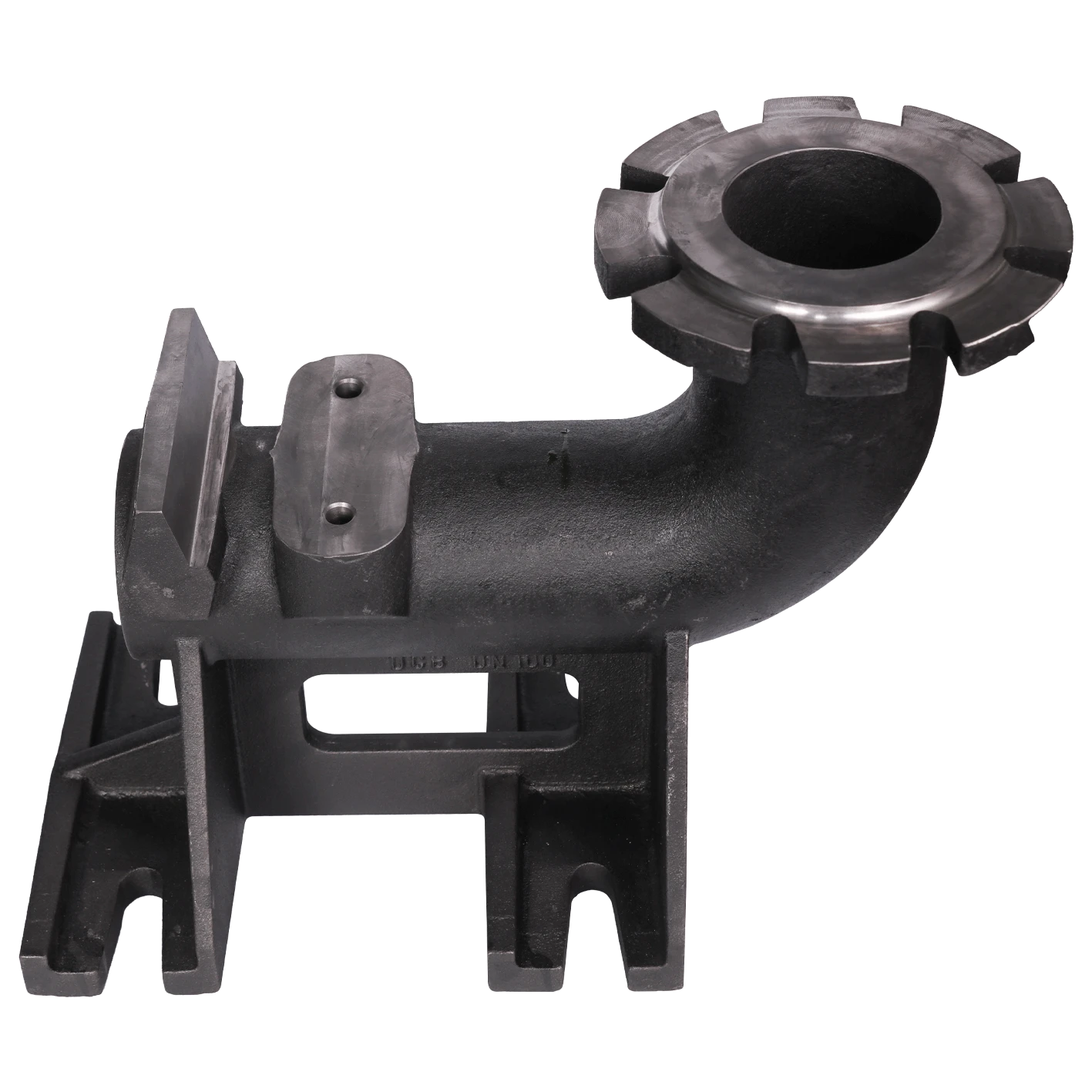
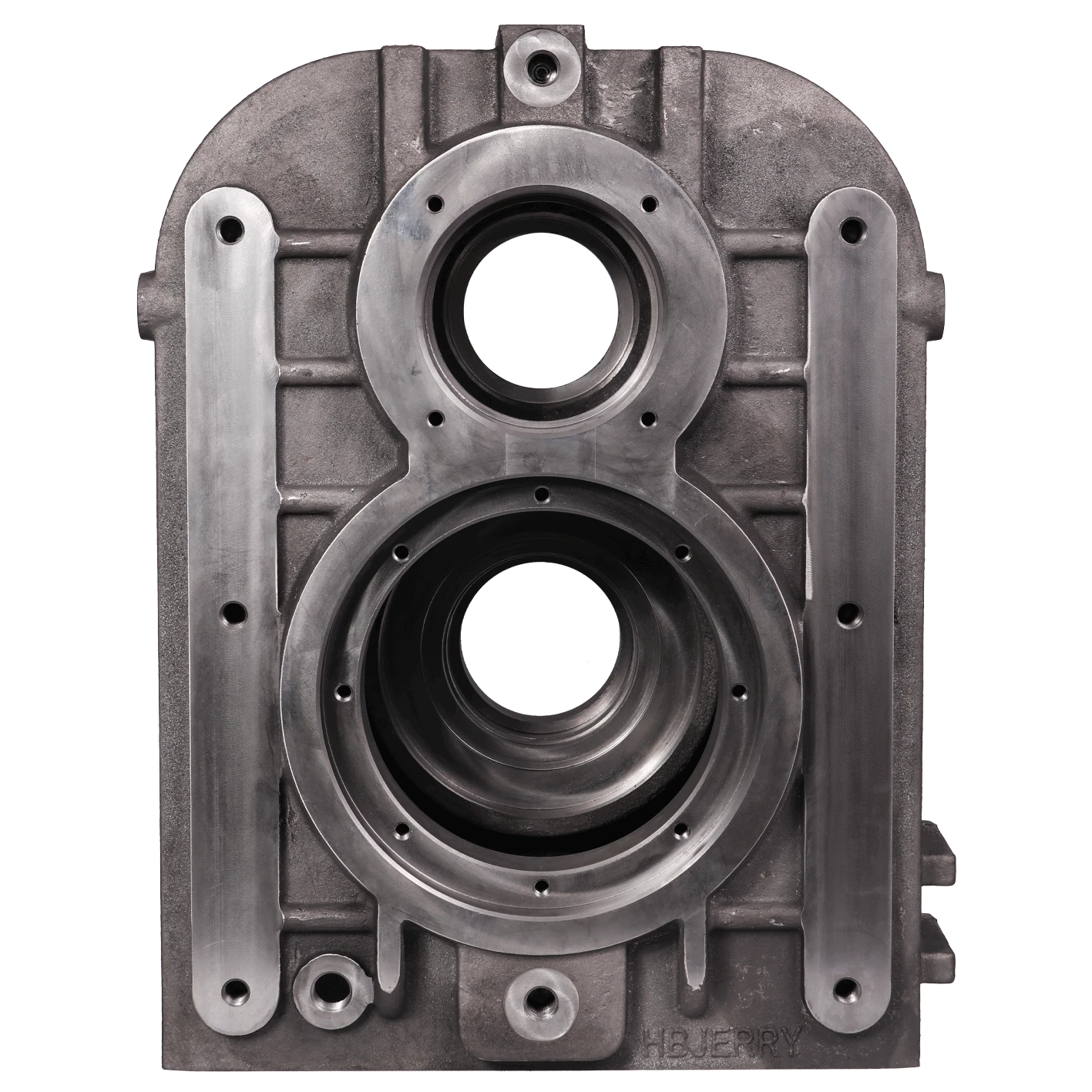
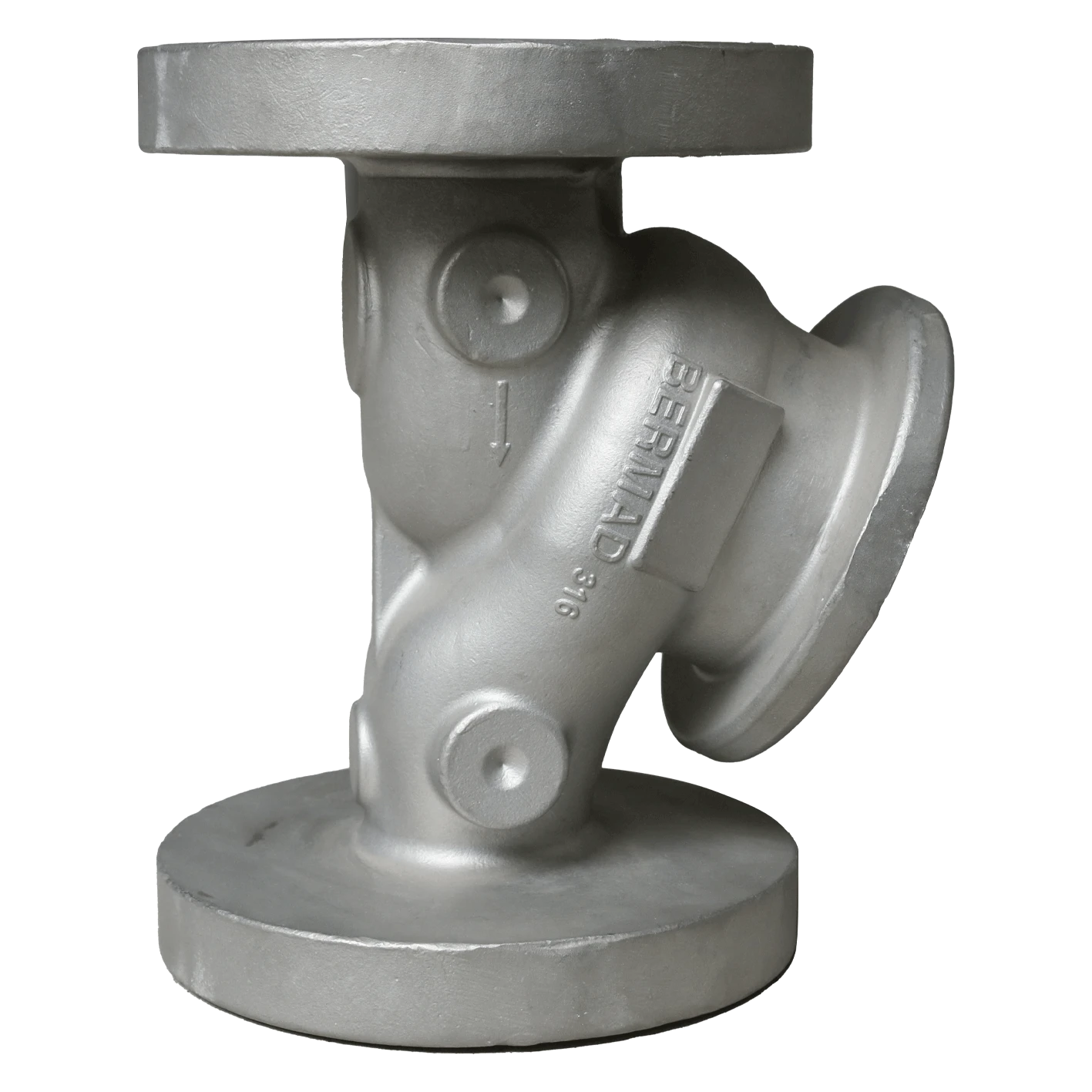
Aluminum castings have become an essential component in various industries due to their unique properties, including lightweight, corrosion resistance, and excellent machinability. In particular, large aluminum castings are increasingly being utilized in sectors such as aerospace, automotive, marine, and construction, where the balance between high strength and low weight is crucial. This article explores the advancements, manufacturing processes, and applications of large aluminum castings.
Manufacturing Processes
The production of large aluminum castings involves several key manufacturing processes, each tailored to meet specific requirements. Among these, sand casting, die casting, and investment casting are the most common techniques used.
1. Sand Casting This traditional method involves creating a mold from sand and then pouring molten aluminum into it. Sand casting is particularly beneficial for large components because it can accommodate complex shapes and sizes. The process is relatively cost-effective, making it suitable for low to medium volume production.
2. Die Casting This method involves forcing molten aluminum into a steel mold under high pressure. While typically used for smaller components, advancements in die casting technology have allowed manufacturers to produce larger parts. Die casting offers excellent surface finishes and dimensional accuracy, making it ideal for high-volume production.
3. Investment Casting Often regarded as a precision casting method, investment casting is characterized by its ability to produce intricate designs with tight tolerances. Although it can be more expensive than other methods, its capability to create large, complex shapes makes it an attractive option for specialized applications.
Advancements in Aluminum Casting Technology
Recent advancements in aluminum casting technology have significantly improved the efficiency, quality, and environmental sustainability of the manufacturing process. The introduction of computer-aided design (CAD) and computer-aided manufacturing (CAM) has revolutionized the industry, allowing for more precise designs and reduced lead times. Additionally, simulation software can predict casting defects and optimize the design, thus minimizing material waste and production costs.
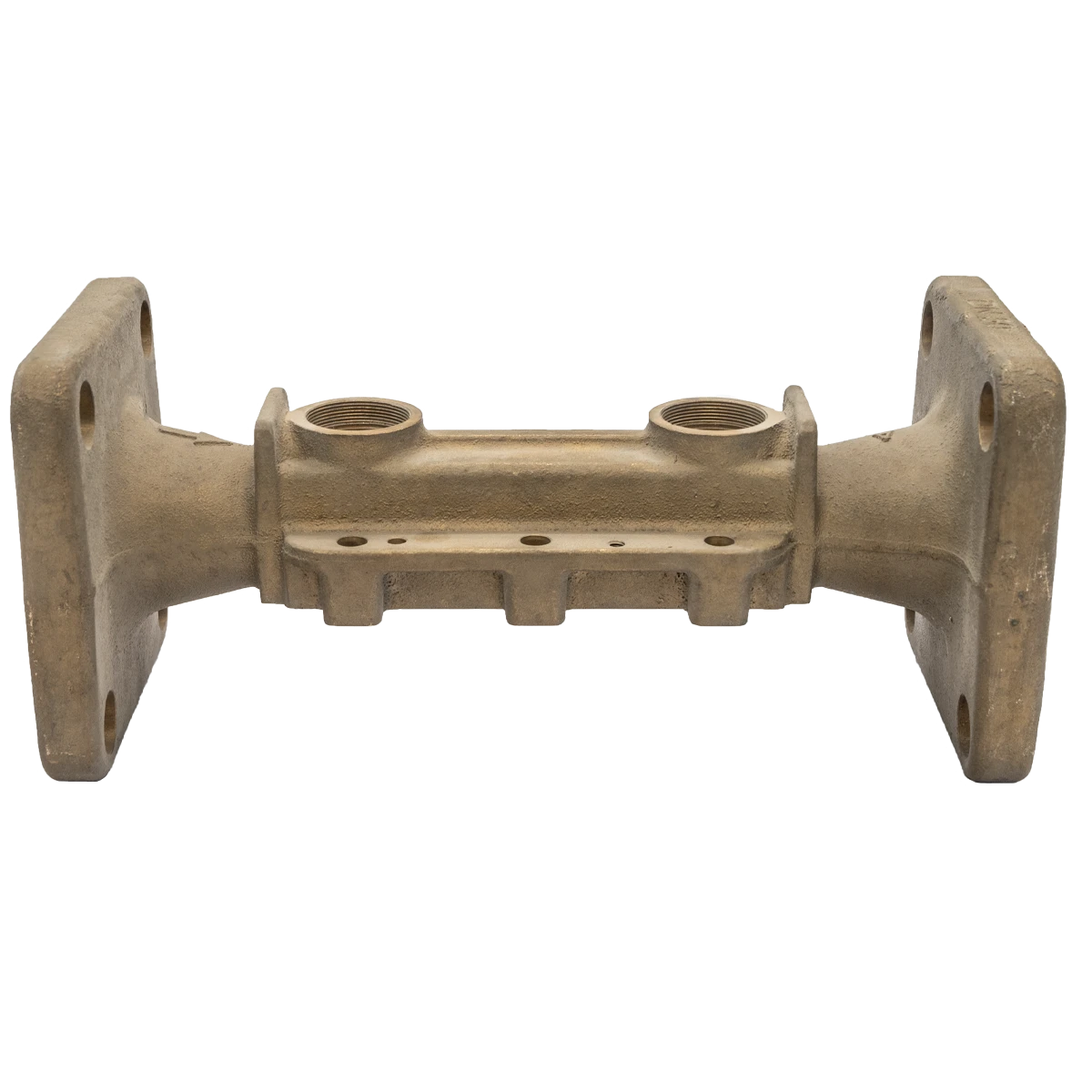
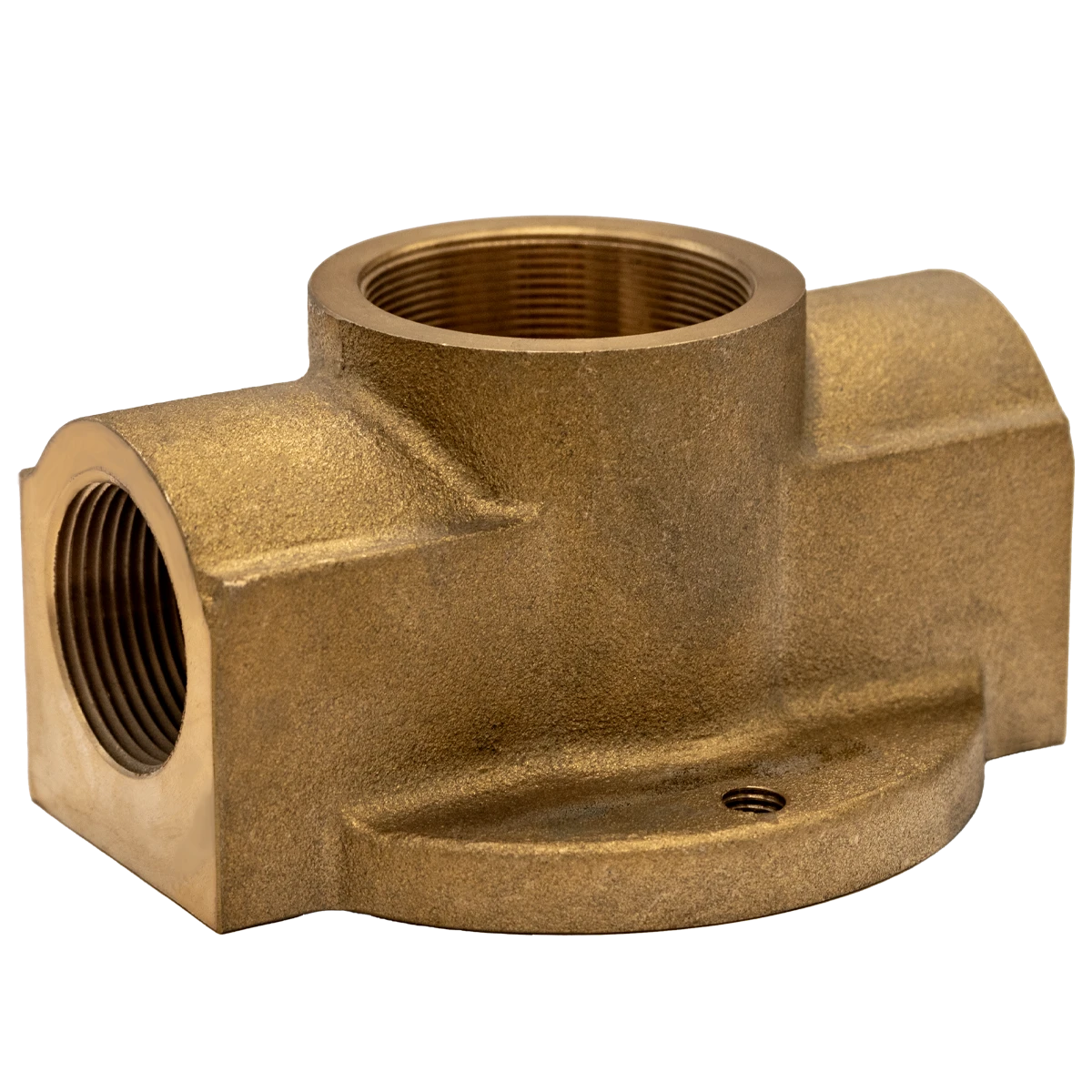
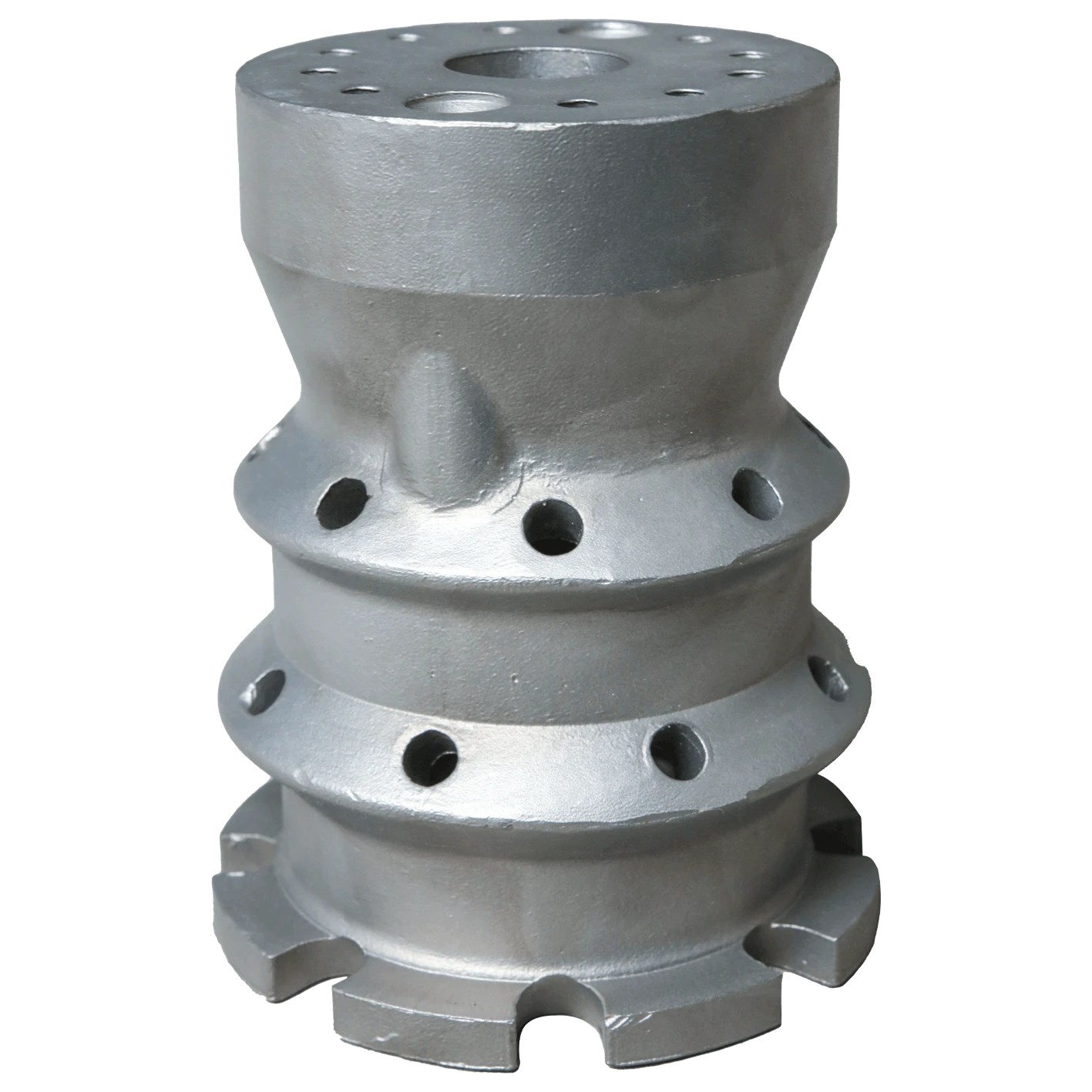
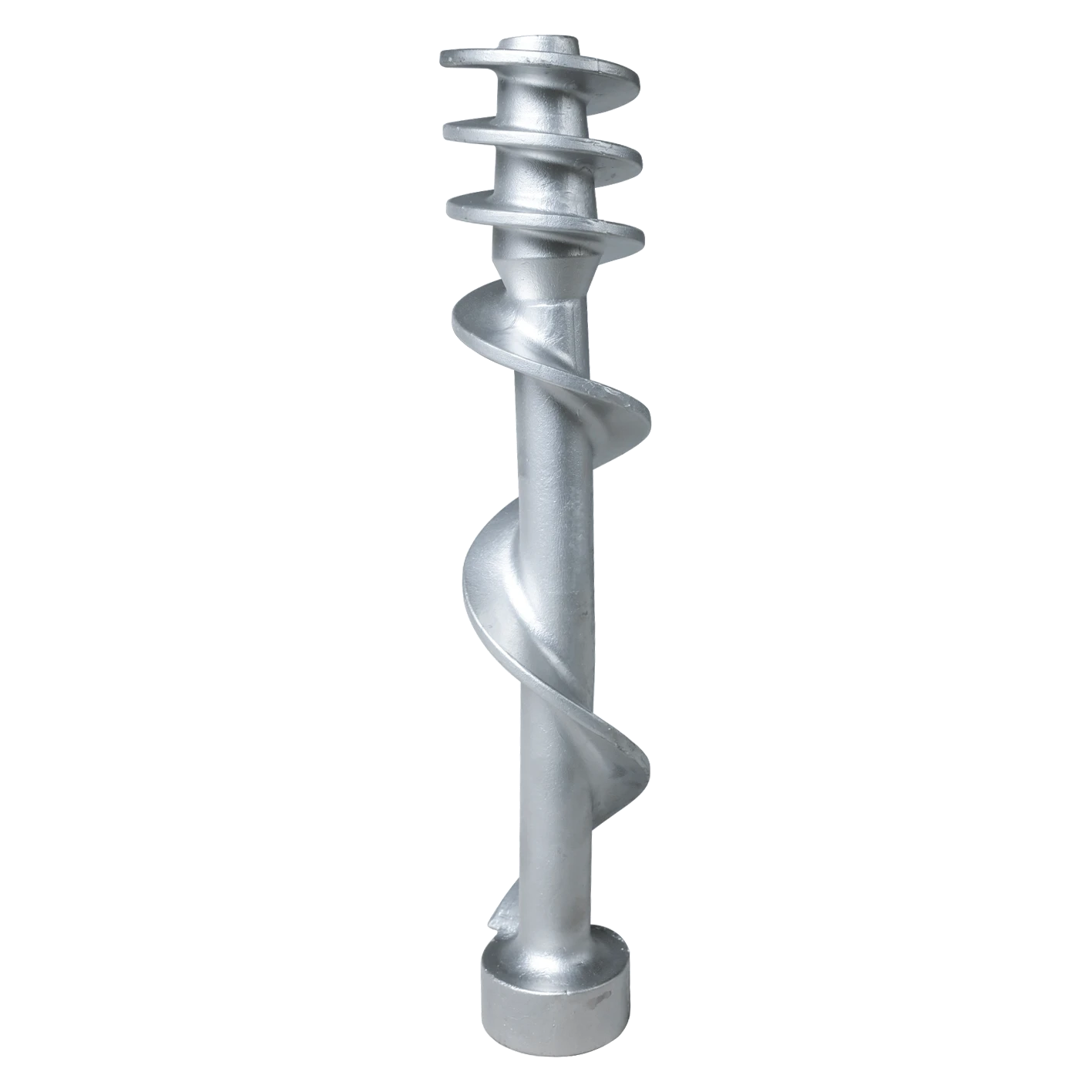
large aluminum castings
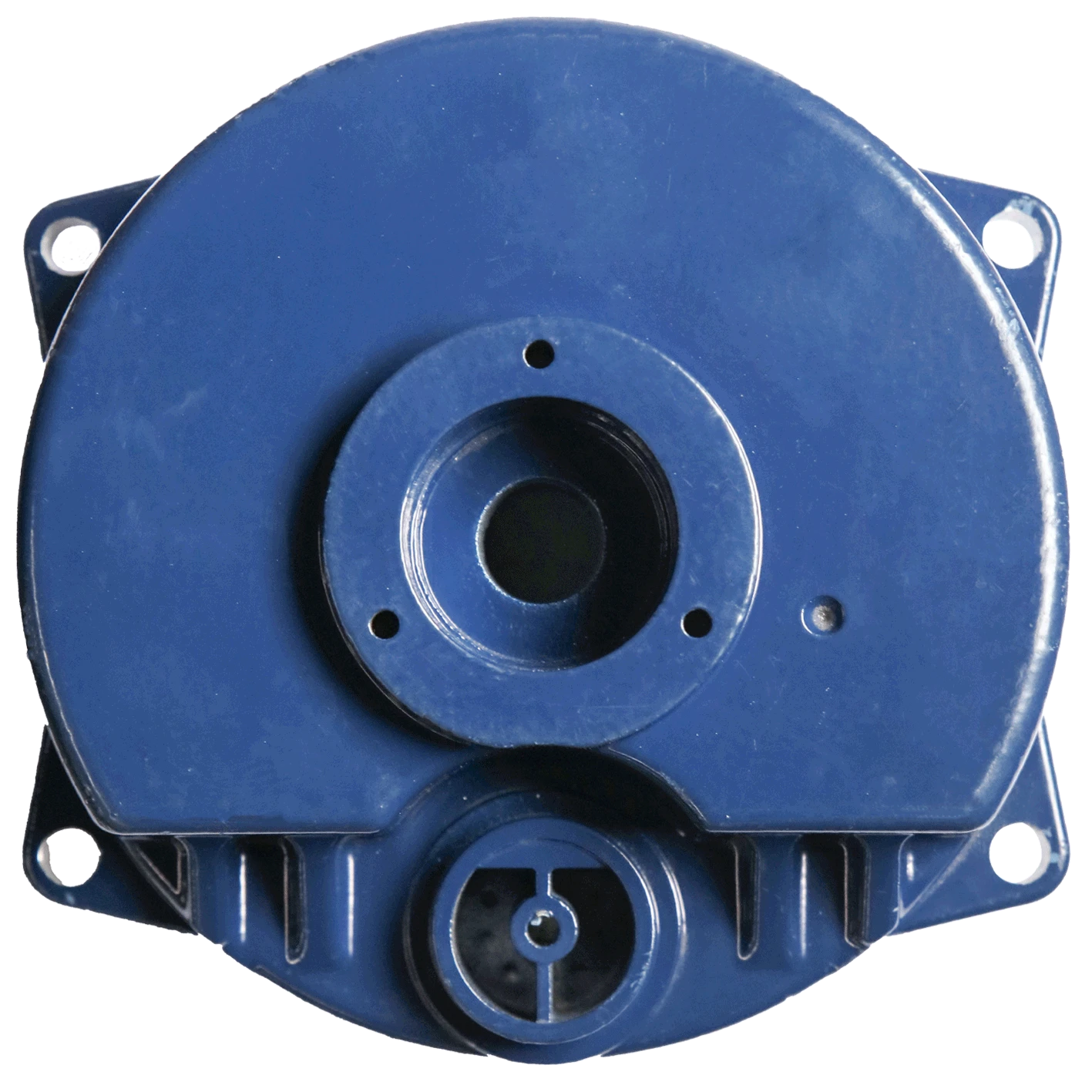
Moreover, the development of new aluminum alloys has enhanced the performance characteristics of large castings. Alloying elements such as silicon and magnesium improve the strength and hardness of aluminum, making it suitable for more demanding applications. These innovations contribute to longer service lives, reduced maintenance costs, and increased safety in operational settings.
Applications of Large Aluminum Castings
Large aluminum castings are used across a wide range of industries, each benefiting from the unique properties of aluminum. In the aerospace sector, large castings are used for structural components, landing gear, and engine parts. The lightweight nature of aluminum helps reduce overall aircraft weight, leading to fuel efficiency and lower operating costs.
In the automotive industry, large aluminum castings are employed in components such as engine blocks, transmission housings, and chassis components. As manufacturers strive to meet stricter fuel economy regulations, the use of aluminum castings is expected to grow, given their ability to reduce vehicle weight without compromising strength.
The marine industry also leverages large aluminum castings in the construction of ship hulls, propellers, and structural components. Aluminum's resistance to corrosion makes it ideal for marine environments, where traditional materials may struggle over time.
In construction, large aluminum castings are used in high-rise buildings and architectural structures, where both aesthetic appeal and structural integrity are paramount. Their lightweight nature allows for easier transportation and installation, reducing labor costs and construction time.
Conclusion
The landscape of large aluminum castings continues to evolve rapidly, driven by technological advancements and the increasing demand for lighter, stronger materials across various industries. As manufacturers refine their casting processes and develop new alloys, the potential for large aluminum castings appears limitless. With their unique combination of properties, these components are not only crucial for enhancing performance but also play a vital role in promoting sustainability in industrial applications. The future of large aluminum castings is bright, promising innovation and higher efficiency for industries worldwide.
-
Advanced Manufacturing Technologies in Modern Industrial ProductionNewsMay.22,2026
-
Engine Oil Management Tools: Essential Solutions for Clean and Efficient Automotive MaintenanceNewsMay.22,2026
-
Car Water Pump Systems: Efficiency, Cleaning Applications, and Market OverviewNewsMay.22,2026
-
Industrial Valve Castings and Flow Control Solutions in Modern EngineeringNewsMay.22,2026
-
Aluminum End Caps and Compression Solutions: A Complete Guide for Modern ApplicationsNewsMay.22,2026
-
Precision Valve Castings for Agricultural Irrigation and Fluid Control SystemsNewsMay.08,2026