English

Mobile:+86-311-8081-2683
Email:info@ydcastings.com
English
Choosing a Bend Connector: Application Fit and Specification Checks
THE BUYER'S GUIDE / SELECTION
Choosing a Bend Connector: Application Fit and Specification Checks
A buyer-focused guide to selecting a bend connector from the confirmed product listings of Welcome To Hebei Yuanda Trade Co., Ltd. It compares material, weight range, casting process and stated applications for the aluminum alloy Bend,Connector and three other connector castings, and lists what buyers must confirm before ordering. It makes no claims about price, lead time or certification.

Application fit: tubular handrail/railing, automotive or mechanical use versus pump piping or electrical/cable joints
Material: AC44200 aluminum alloy, GG25 cast iron, or CC480K copper alloy
Casting process: metal mold casting, sand casting, or resin sand casting
Part weight range: 2–15 kg, 20 kg, 1.9–3 kg, or 5–50 kg as listed
Environment and corrosion exposure, including outdoor or marine conditions
Connection geometry and customization: tube diameter, coatings or color, threads, flanges, custom shapes
A bend connector is a cast part that joins tubes, pipes or components where the line changes direction. Before you request a quote, define your own constraints: the medium or load the part will carry, the environment it will work in, the tube or port size, and the weight and machining tolerances your assembly allows. This guide uses the published product listings of Welcome To Hebei Yuanda Trade Co., Ltd. to show how the confirmed specifications line up with those constraints. It also shows where you still need to confirm details with the supplier.
Step 1: Define the buyer requirements first
Write down these points before comparing products:
- Application: handrails and railings, automotive or mechanical assemblies, pump piping, or electrical and cable joints.
- Environment: outdoor or marine exposure, corrosive media, or a dry interior installation.
- Connection geometry: tube diameter, thread or flange interface, and pin or hole layout.
- Weight and size envelope: the range of part weights your design can accept.
- Compliance needs: any industry certification your project requires. The published listings do not confirm certifications for these products, so treat certification as an open question.
Step 2: Compare the confirmed specifications
| Product (as listed) | Material | Casting process | Weight / specification | Applications described in the listing |
|---|---|---|---|---|
| Bend,Connector | AC44200 aluminum alloy | Metal mold casting | 2–15 kg | Tubular connectors for handrails and railings in transport, plus automotive and mechanical industries |
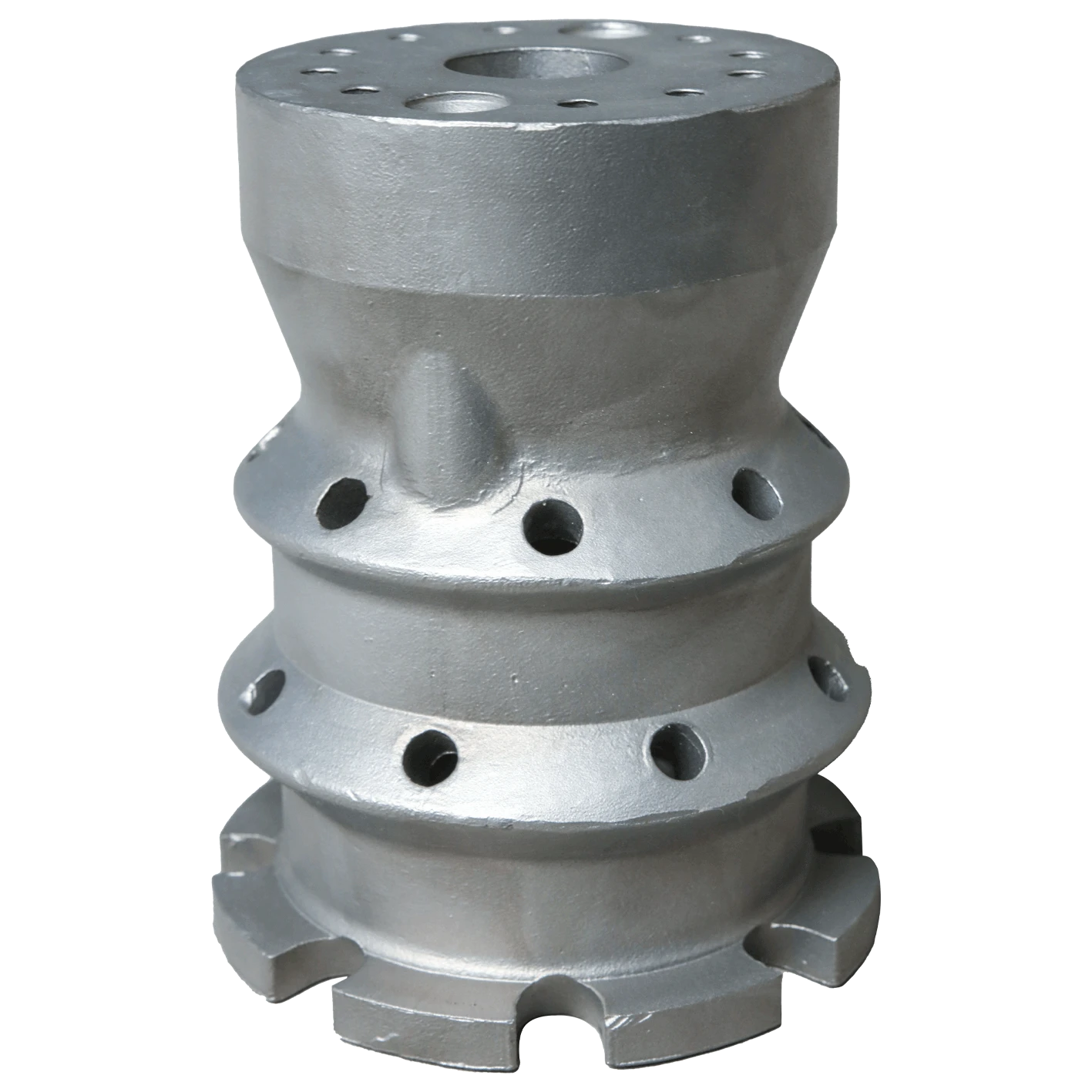
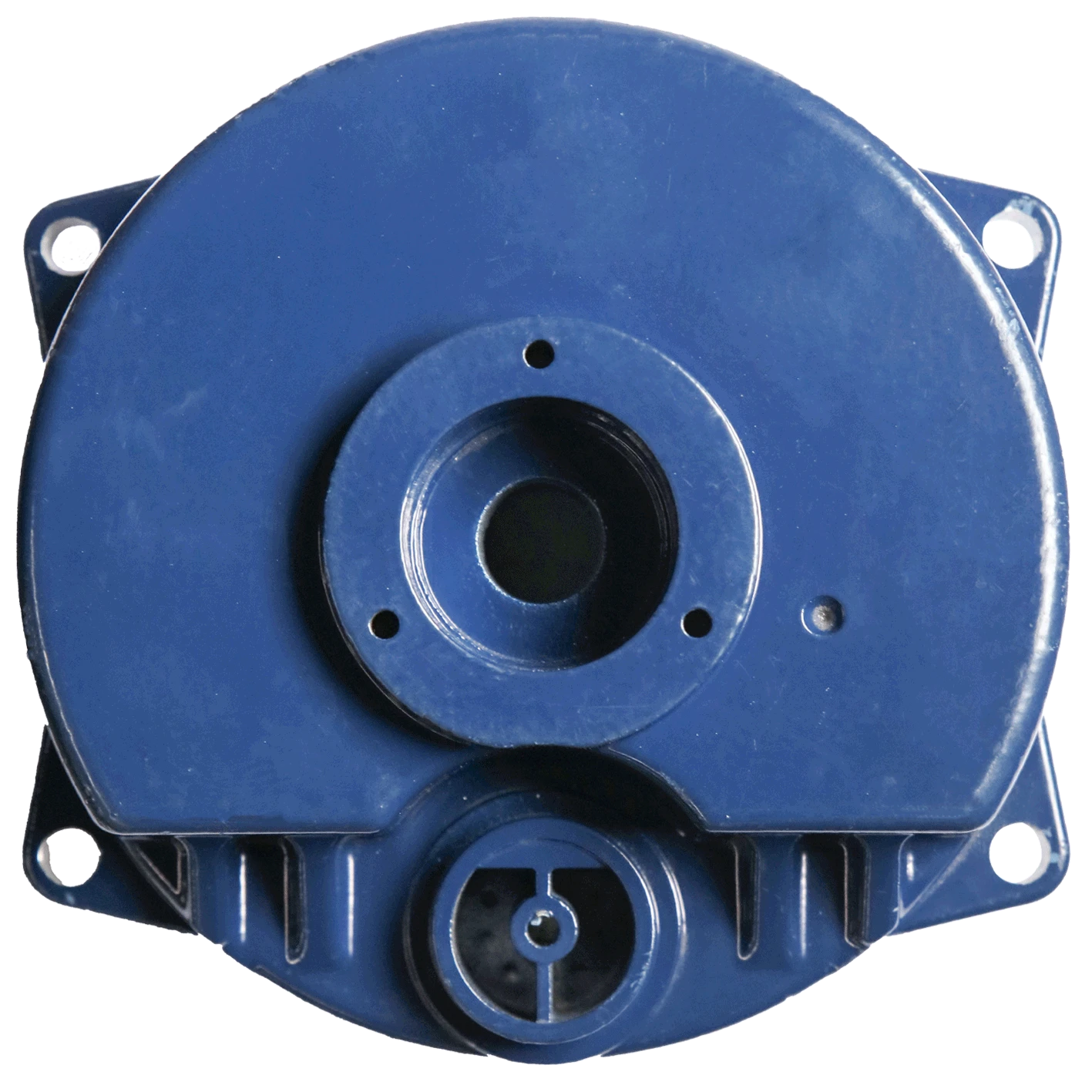
| Connector | GG25 | Sand casting | 20 kg | Electronic equipment, automotive, mechanical and aerospace uses (connecting circuits, transmitting signals, mechanical support) |
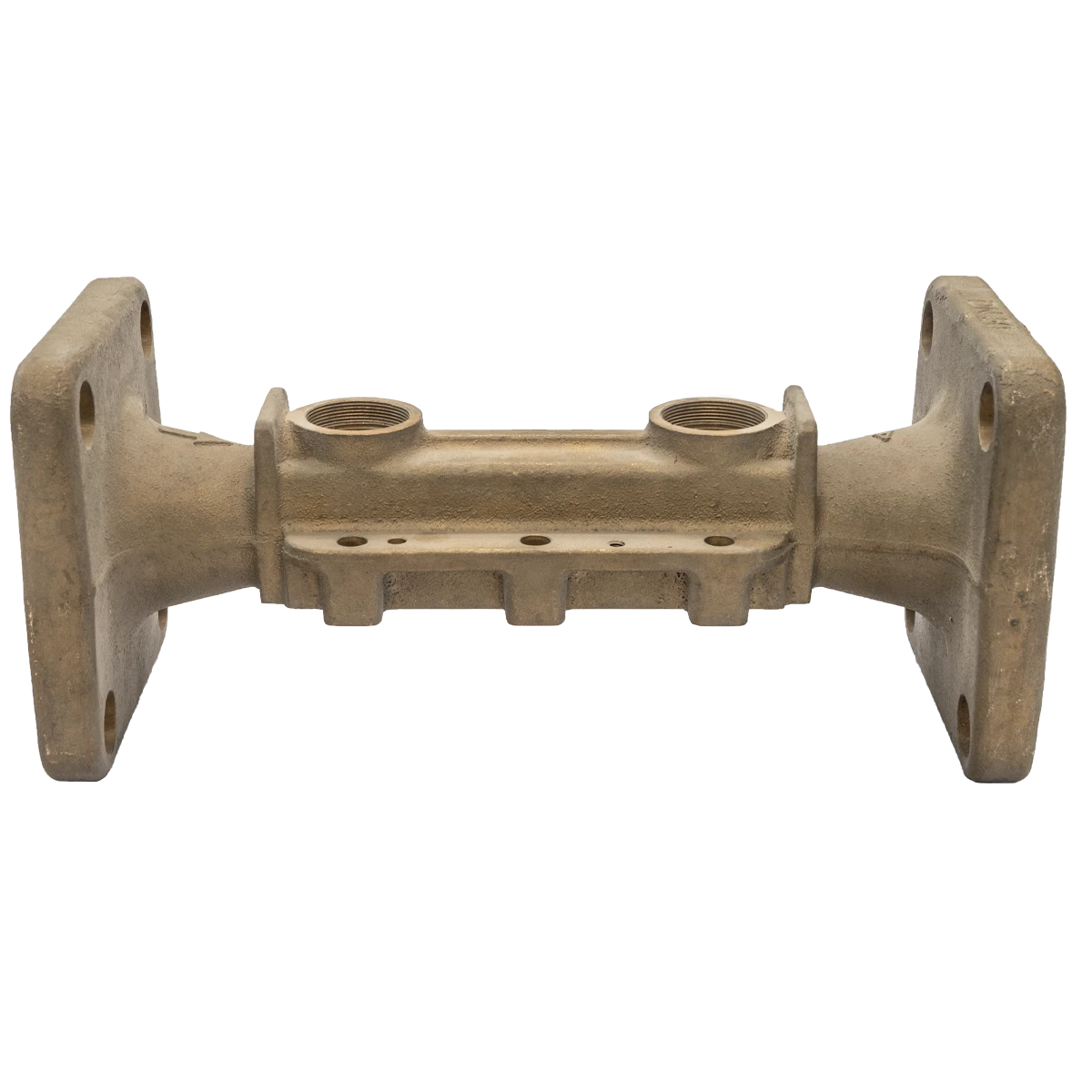
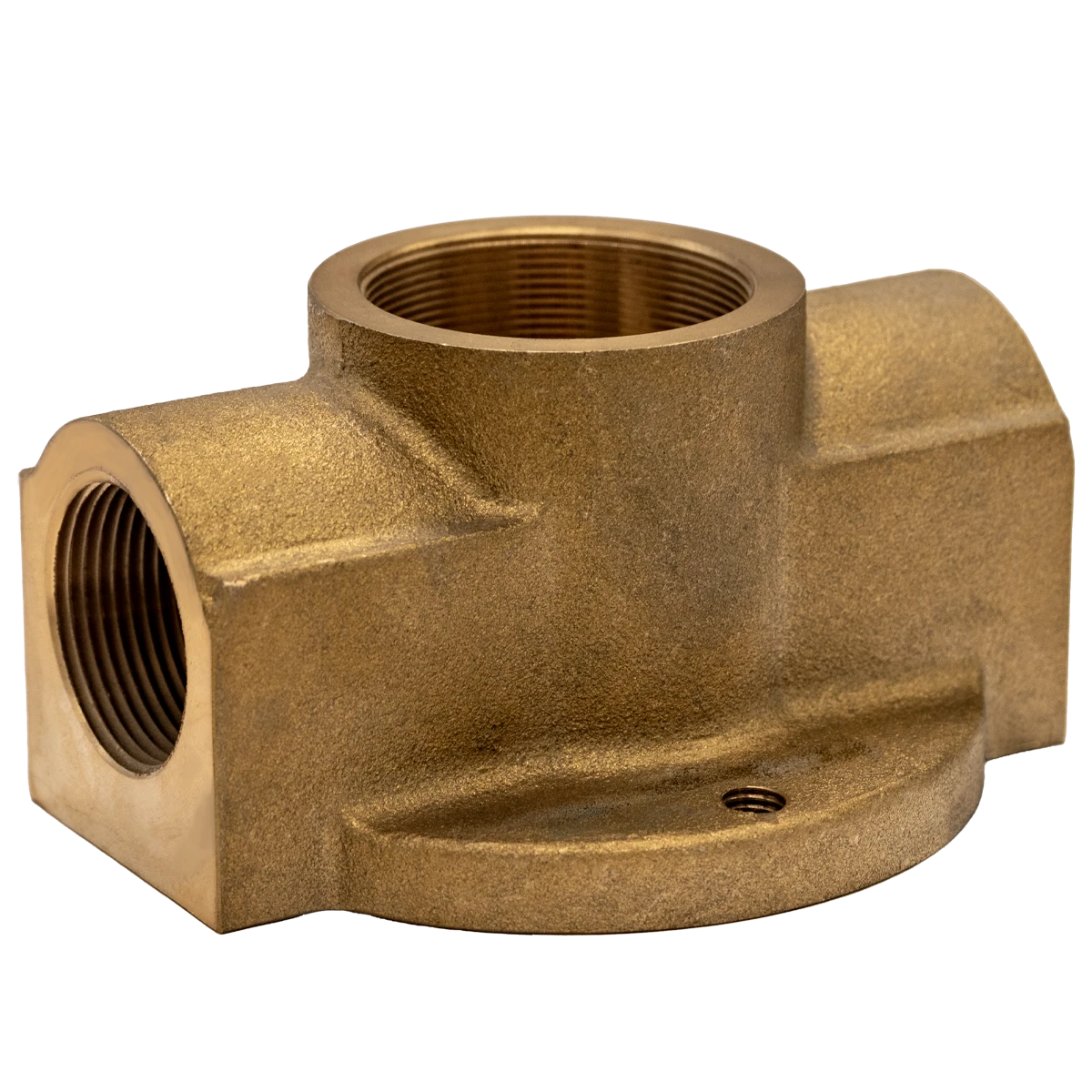
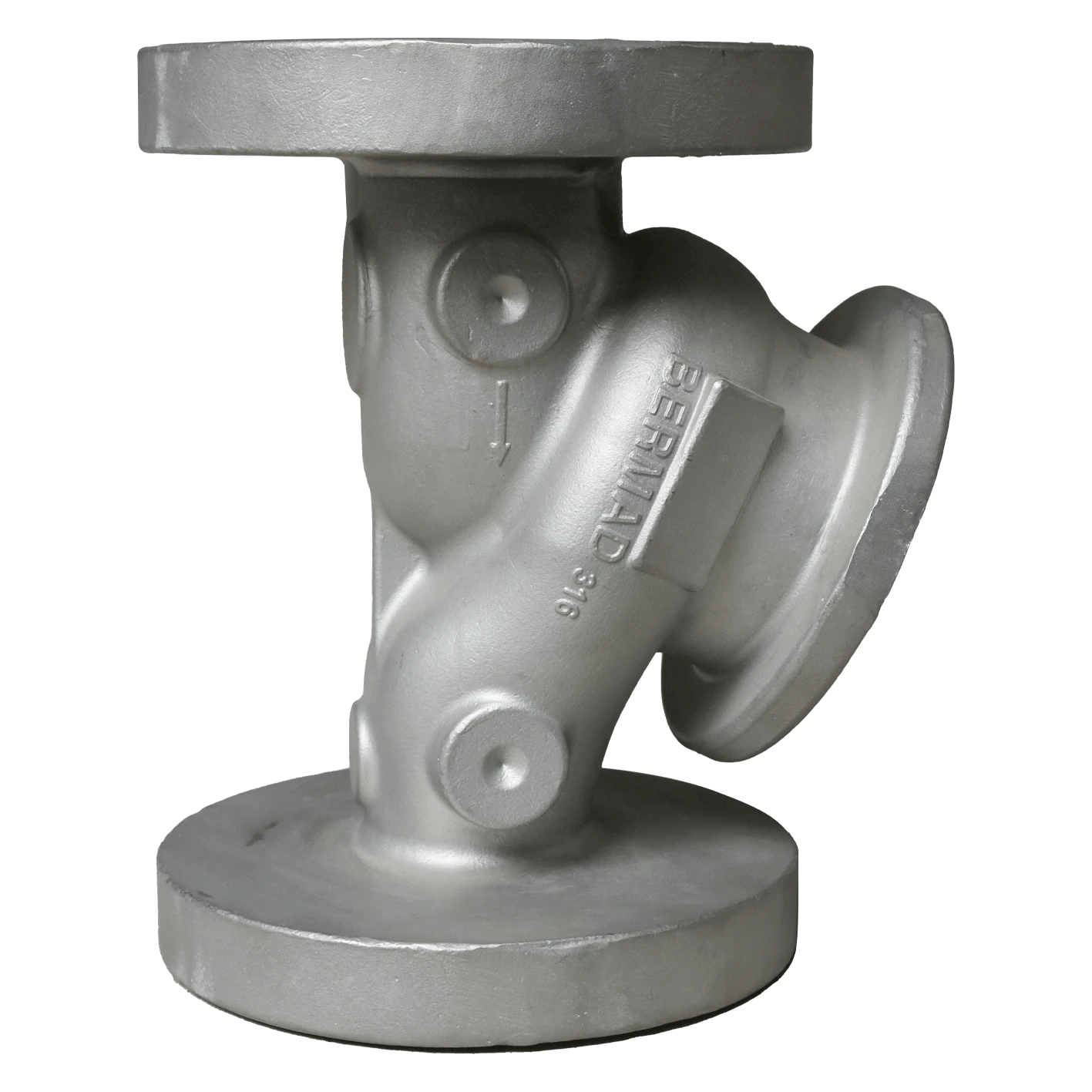
| Connector | Copper alloy CC480K | Sand casting | 1.9–3 kg | Machinery, construction, power and transportation. Threaded ends and flange or protrusion mounting points are shown |
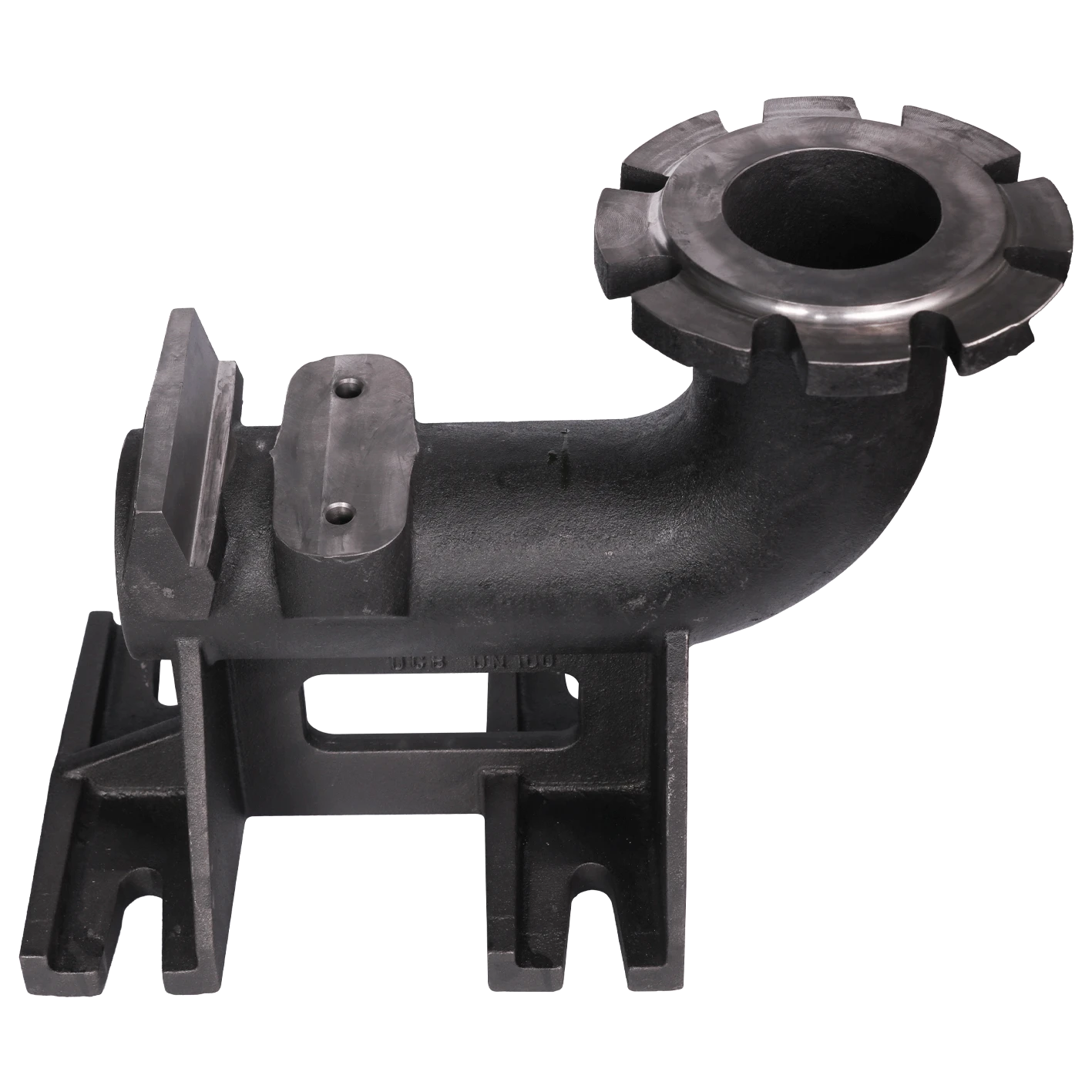
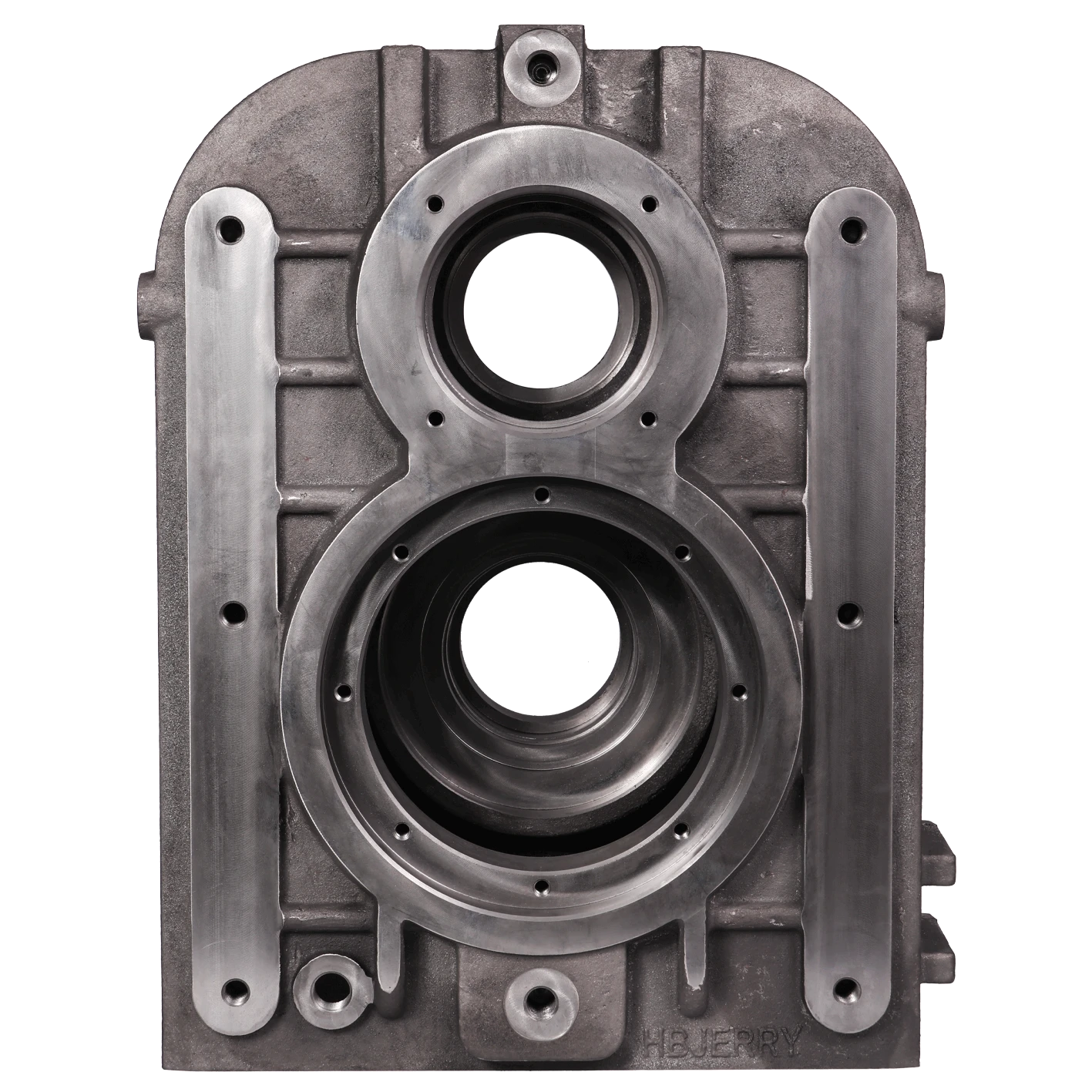
| Connectors | GG25 cast iron | Resin sand casting | 5–50 kg | Pump equipment, connecting components or pipes |
Step 3: When the aluminum Bend,Connector fits
The Bend,Connector listing describes tubular connectors made of aluminum alloy. It calls the alloy sea-weather resistant, lightweight, stable and naturally corrosion-resistant. The listing says the connectors are classified by tube diameter, are available with various surface or color coatings, and can be produced to a unique design on request. Based on that description, it is a reasonable candidate when:
- you are building tubular structures such as handrails or railings, or automotive and mechanical assemblies;
- low part weight matters and your parts fall within the listed 2–15 kg range;
- you need a specific tube diameter, coating or color, or a custom shape.
Check before ordering: The listing gives metal mold casting as the process, but its longer description also covers connector die castings for electronic equipment. Confirm which process applies to your part. Also ask for the actual tube diameters, coating options and tolerances. The listing does not include figures for electrical, current or signal performance, so do not rely on it for electrical connector duty without technical data from the supplier.
Step 4: When another connector may fit better
The Bend,Connector is not the right choice for every project:
- Pump piping and heavier parts: The GG25 cast iron Connectors listing is aimed at pump equipment and covers a 5–50 kg range. That listing says corrosion resistance, wear resistance and pressure capability should be considered when selecting connector castings, and it links connector design to leakage risk.
- Electrical, power or corrosive-media joints: The CC480K copper alloy Connector listing describes electrical and thermal conductivity and corrosion resistance in media such as seawater. It also notes that marine or firefighting uses may require industry certification. Ask whether certification is available before you choose this option for those applications.
- Larger sand-cast connectors: The 20 kg GG25 sand-cast Connector is another option. Its listing names GG25 as the material, but its general text says connector sand castings are usually non-ferrous. Confirm the material grade on your drawing before ordering.
Step 5: Build a checklist for your inquiry
- Send a drawing or sample with the tube diameter, interface and tolerances.
- State the material grade (for example, AC44200 aluminum alloy) and the casting process you expect.
- Specify the coating or surface finish.
- Describe the operating environment and any pressure, load or electrical requirements.
- Ask about certification, pricing and delivery directly.
Summary
For a lightweight tubular bend connector in railings, automotive or mechanical assemblies, the AC44200 aluminum Bend,Connector (2–15 kg, metal mold casting) is the listed product to evaluate first. For pump piping, heavy-duty parts or electrical and corrosive-media joints, compare it with the cast iron and copper alloy connector castings, and confirm process, material and compliance details with the supplier before you commit.
THE PEOPLE

About the author
THE COMPANY
Welcome To Hebei Yuanda Trade Co., Ltd.
Hebei Yuanda Trade Co., Ltd.(YD) was founded in 2006, devoted itself to provide flexible solutions for different needs of customized metal castings. YD is provides a wide range of material and process choices based on its influence and the massive foundry resource in north of China. For different customers, YD can supply castings in material of cast iron, aluminum, and stainless steel. And the process could be sand casting, die casting and lost wax casting etc.…
About Us ↗Visit company website ↗YOUR NEXT STEP
Bring your brief. Start a useful conversation.
Use case, specification, quantity and delivery window: make the next conversation specific.
-
Valve body vs. intake air chamber: Which casting fits your assembly?NewsNov.02,2026
-
Air Intake Chamber FAQ: Specifications, Ordering and Support QuestionsNewsOct.28,2026
-
Motorcycle Accessories FAQ: Specifications, Ordering and Support QuestionsNewsOct.24,2026
-
Choosing a Bend Connector: Application Fit and Specification ChecksNewsOct.24,2026
-
Choosing a Turbo Elbow: Application Fit and Specification ChecksNewsOct.24,2026
-
Choosing Servo Motor Housing: Working Requirements and Integration FitNewsOct.24,2026