English

Mobile:+86-311-8081-2683
Email:info@ydcastings.com
English
Choosing Servo Motor Housing: Working Requirements and Integration Fit
THE BUYER'S GUIDE / SELECTION
Choosing Servo Motor Housing: Working Requirements and Integration Fit
A buyer-focused guide to selecting a servo motor housing from the confirmed product listings of Welcome To Hebei Yuanda Trade Co., Ltd. It compares the published weight range, aluminum alloy and process of the servo listing with related motor housings, and explains which working and integration details buyers must confirm before ordering.

Weight range: Servo Motor Housing listed at 1-15 kg; related motor housing listings range from 0.2 kg to 25 kg
Material: Servo Motor Housing listed as 6061/6063 aluminum alloy; related listings use A356, ADC-12 or A380
Process: Servo Motor Housing listed as extrusion of sections; related listings use metal mold casting or high-pressure die casting
Integration fit: dimensions, bore, concentricity and mounting interfaces are not published for the Servo Motor Housing and must be confirmed against the buyer's drawing
Working requirements: sealing, pressure, mechanical property and inspection values must be specified by the buyer and confirmed by the supplier; values on the Motor shell housing listing apply only to that part
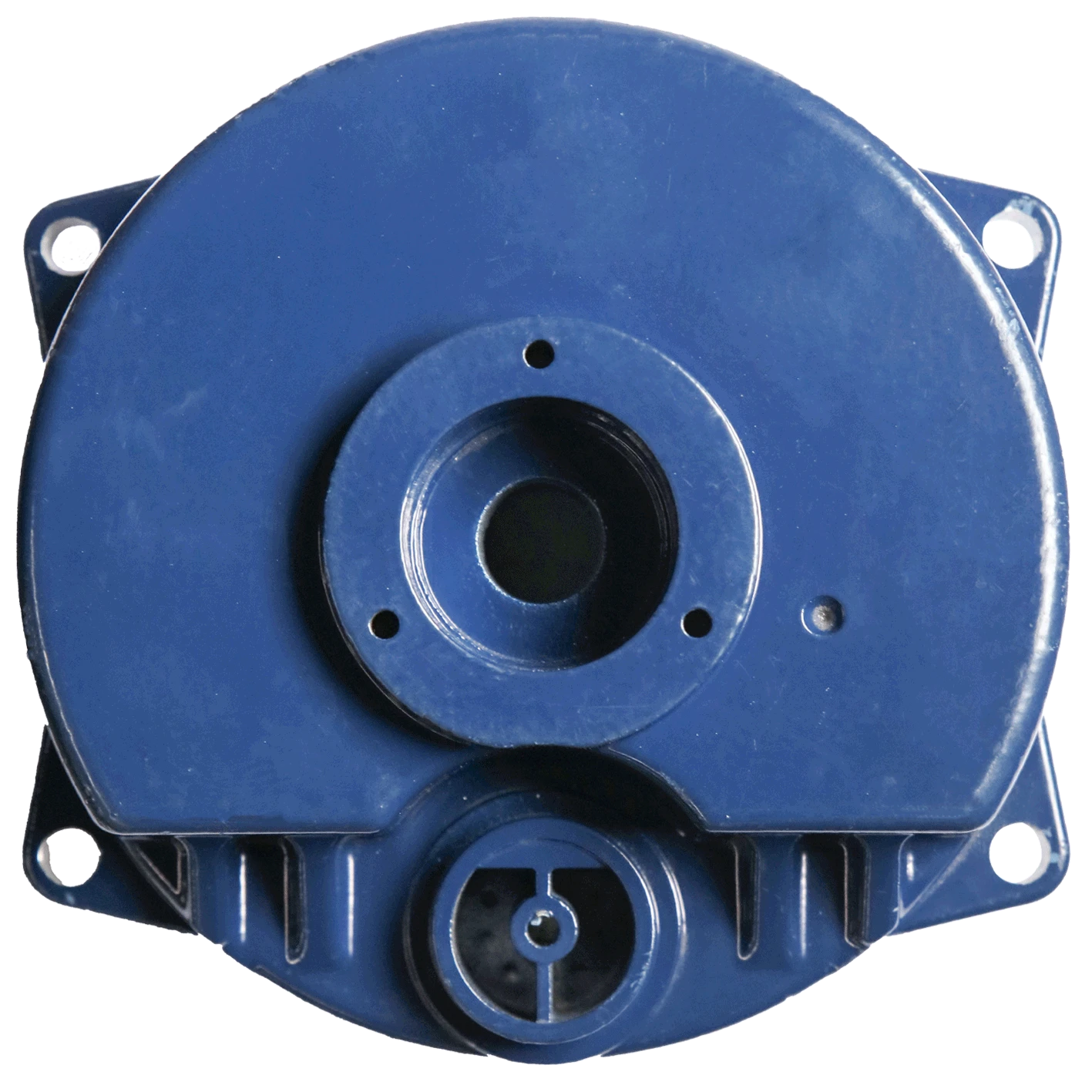
A servo motor housing is not a part you choose from a photo. Before you ask for a quotation, you need to know your own working requirements: the size and weight of the part, the alloy you need, and the way the housing has to fit the rest of the motor assembly. This guide uses only the product details published by Welcome To Hebei Yuanda Trade Co., Ltd. It can help procurement teams decide whether the listed servo product suits their project, or whether another motor housing listing is a better starting point.
What the product listing confirms
The published listing gives these details:
| Item | Published value |
|---|---|
| Product name | Servo Motor Housing |
| Weight | 1-15 kg |
| Material | 6061/6063 aluminum alloy |
| Process | Extrusion of sections (as listed) |
That is all the listing confirms for this product. It does not publish dimensions, wall thickness, bore tolerances, mounting interfaces, surface treatment, sealing or pressure-test values, certifications, prices or lead times. The longer description on the same page is about cooling air chamber castings in general, so it should not be read as a performance specification for a servo application. Treat everything outside the table above as something you must confirm with the supplier in writing.
Step 1: Define your working requirements first
Before you compare listings, write down what your motor needs from its enclosure:
- Weight and size envelope. The servo listing is 1-15 kg. If your part is much lighter or heavier, look at another listing (see the comparison below).
- Alloy. The listing names 6061/6063 aluminum alloy. If your drawing calls for a different alloy, such as a die-casting alloy, this listing is not the right match as published.
- Operating conditions. Write down your temperature, sealing, ingress and load requirements. The listing gives no figures for these, so the supplier has to confirm each one for your design.
- Inspection needs. Decide which dimensions, leak tests or material tests you need reported. None are published for this product, so add them to your RFQ.
Step 2: Check integration fit against your drawing
Integration fit means how the enclosure interfaces with the stator, bearings, end caps, encoder and mounting flange. The listing does not publish any of these interface details. To check fit, send:
- A full drawing or 3D model with critical dimensions and tolerances.
- The bore, concentricity and flatness values your assembly needs.
- Any machining, threading or surface finish needs after the extrusion stage.
- The quantity and the inspection documents you expect.
One related listing shows the kind of figure to ask for. The Motor Fan Housing description mentions 6063 aluminum alloy formed by hot extrusion, with inner-hole concentricity of ≤0.07 mm. That figure belongs to the fan housing listing only. It is not a published value for the servo product, but it is a useful example of a tolerance to specify and get confirmed.
Step 3: Compare with related motor housings
If the servo listing does not fit your requirements, the same catalog includes other motor housings made with different alloys and processes. These are separate products, not variants:
| Listing | Weight | Material | Process |
|---|---|---|---|
| Servo Motor Housing | 1-15 kg | 6061/6063 aluminum alloy | Extrusion of sections |
| Motor Housing | 5-25 kg | A356 aluminum alloy | Metal mold casting |
| Motor Housing Casting | 0.2-0.5 kg | ADC-12 aluminum alloy | High-pressure die casting |
| Motor Fan Housing | 0.5-2.5 kg | ADC-12 aluminum alloy | High-pressure die casting |
| Motor shell housing | 2 kg | A380, ADC-12 | High pressure casting |
How to use this table:
- For a larger, heavier part beyond 15 kg, the Motor Housing listing (5-25 kg, A356, metal mold casting) is the closer starting point.
- For small die-cast parts under about 2.5 kg, compare the Motor Housing Casting and Motor Fan Housing listings.
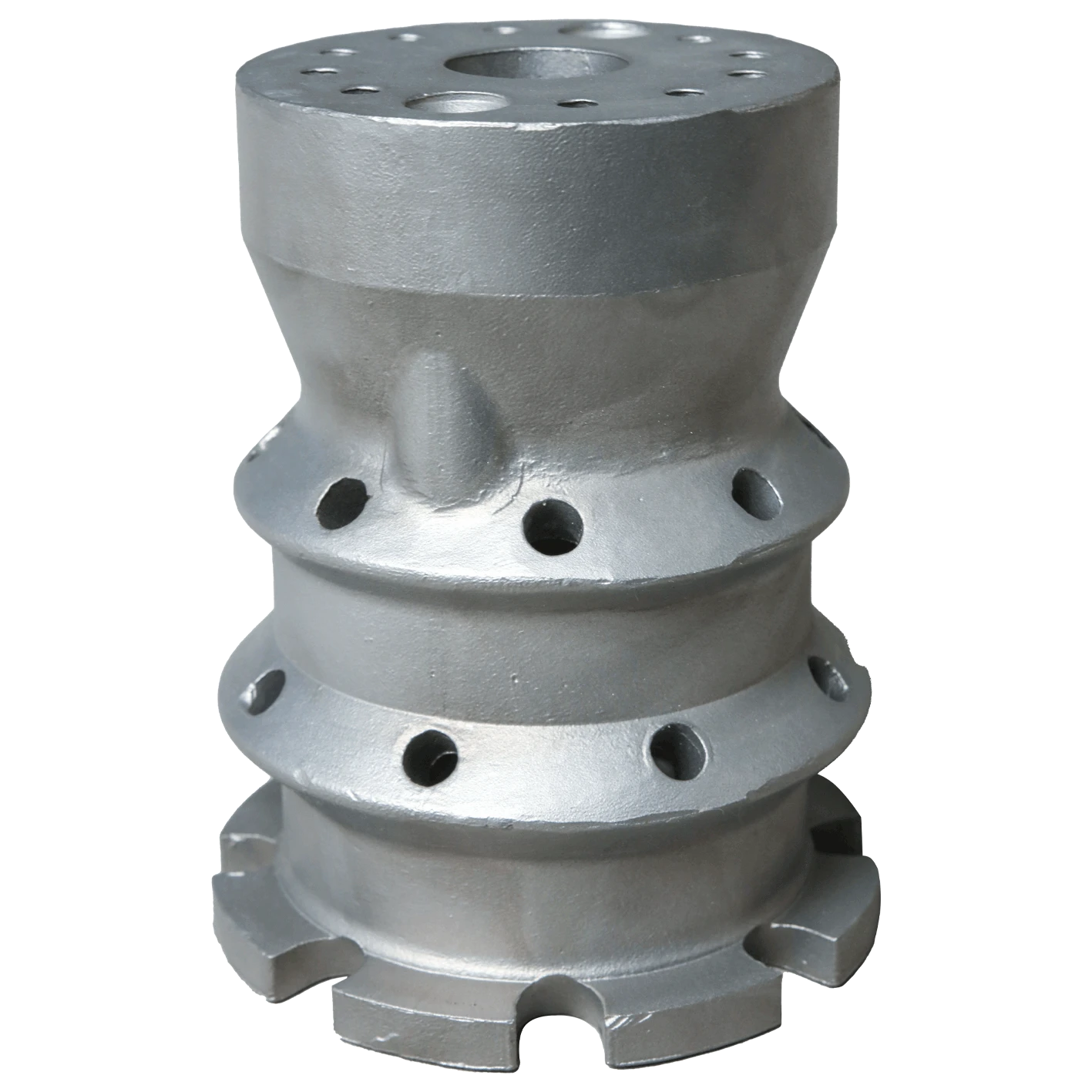
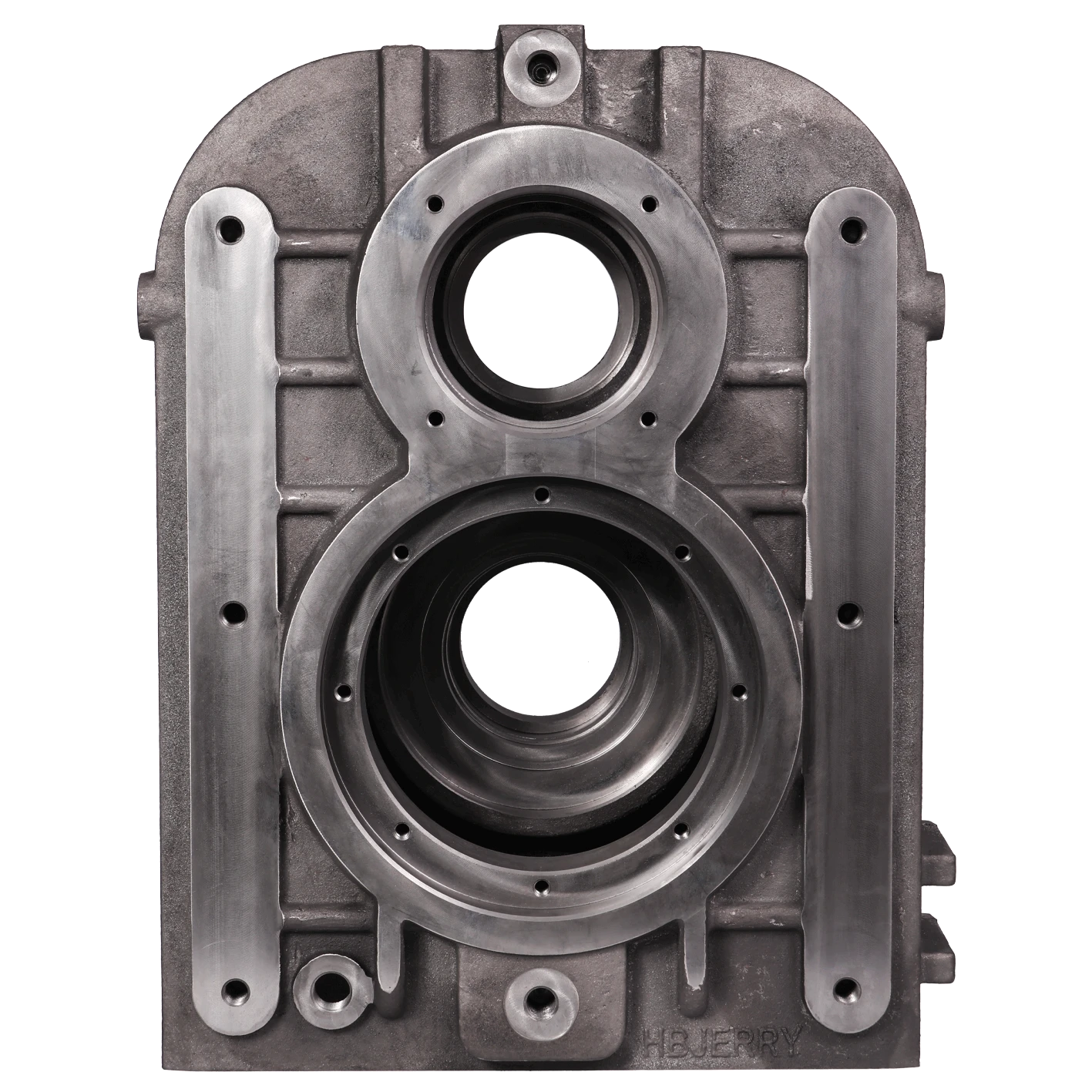
- For a complex, gas-tight shell, the Motor shell housing listing describes a case study: a near-cylindrical, multi-hole, ribbed part of about 420 mm x 390 mm x 150 mm, with a gas-tightness requirement of no leakage at 1.6-2.0 MPa for 3 minutes, and alloy targets of tensile strength ≥240 MPa, elongation ≥1.0% and hardness ≥80 HBW. These values describe that listed part only. They do not apply to the servo product unless they are confirmed for your order.
When the servo listing does not apply
The listed product may not be the right choice if:
- your part weighs outside the 1-15 kg range;
- your drawing calls for an alloy other than 6061/6063 aluminum;
- you need a cast shape that extruded sections cannot produce;
- you need guaranteed sealing, pressure, tolerance or certification values before you engage a supplier, because none are published for this product.
In these cases, either choose a related listing or send your drawing and requirements so the supplier can confirm the right material and process.
What to include in your RFQ
No pricing, lead times or certifications are published for this servo motor housing, so your request should ask for them directly. Include the drawing, alloy, annual and batch quantity, critical tolerances, machining and finishing needs, required tests and documents, and the destination market. This gives the supplier what it needs to confirm fit before production, rather than after.
THE PEOPLE

About the author
THE COMPANY
Welcome To Hebei Yuanda Trade Co., Ltd.
Hebei Yuanda Trade Co., Ltd.(YD) was founded in 2006, devoted itself to provide flexible solutions for different needs of customized metal castings. YD is provides a wide range of material and process choices based on its influence and the massive foundry resource in north of China. For different customers, YD can supply castings in material of cast iron, aluminum, and stainless steel. And the process could be sand casting, die casting and lost wax casting etc.…
About Us ↗Visit company website ↗YOUR NEXT STEP
Bring your brief. Start a useful conversation.
Use case, specification, quantity and delivery window: make the next conversation specific.
-
Valve body vs. intake air chamber: Which casting fits your assembly?NewsNov.02,2026
-
Air Intake Chamber FAQ: Specifications, Ordering and Support QuestionsNewsOct.28,2026
-
Motorcycle Accessories FAQ: Specifications, Ordering and Support QuestionsNewsOct.24,2026
-
Choosing a Bend Connector: Application Fit and Specification ChecksNewsOct.24,2026
-
Choosing a Turbo Elbow: Application Fit and Specification ChecksNewsOct.24,2026
-
Choosing Servo Motor Housing: Working Requirements and Integration FitNewsOct.24,2026