Mobile:+86-311-808-126-83
E-mail:info@ydcastings.com

Industrial Valve Castings and Flow Control Solutions in Modern Engineering
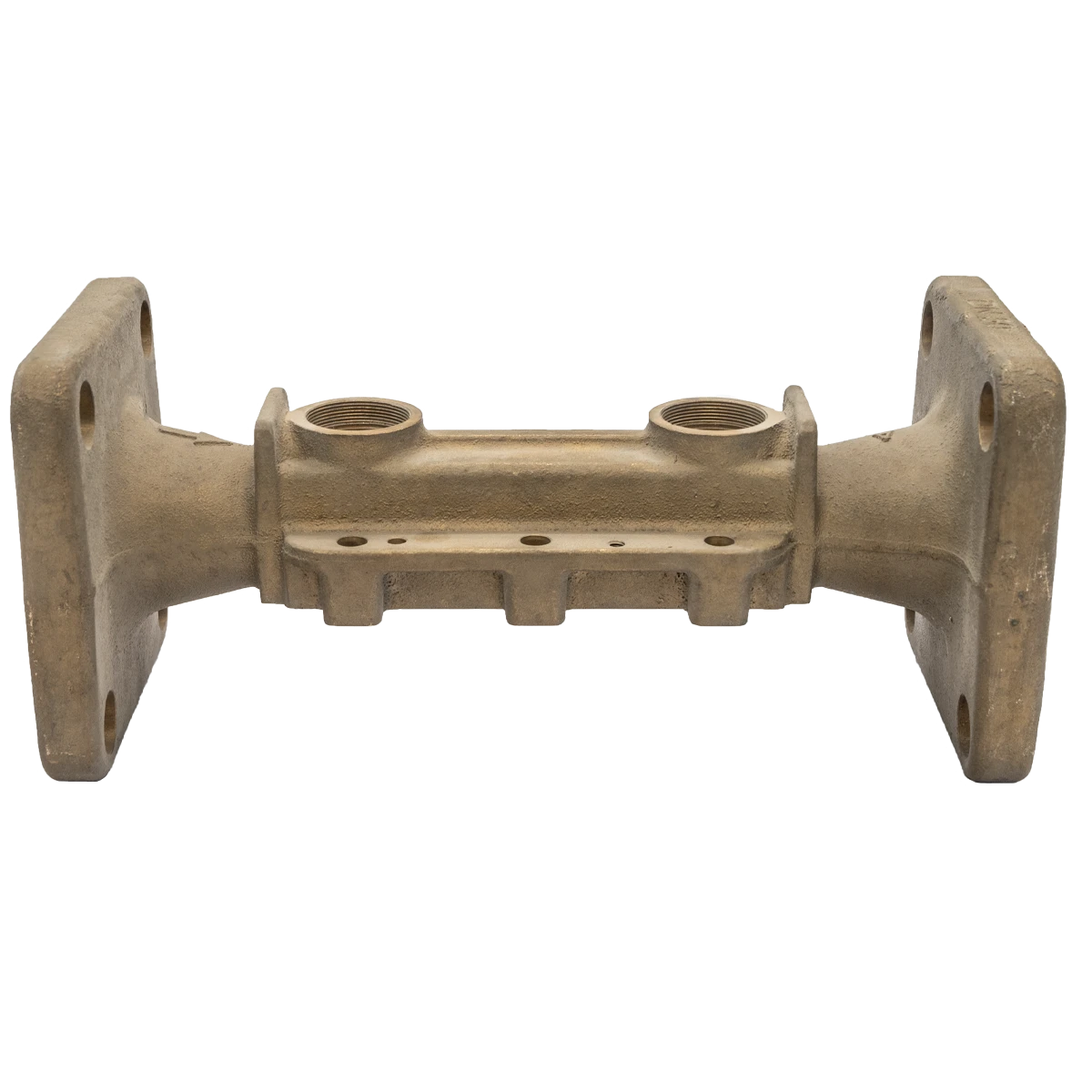
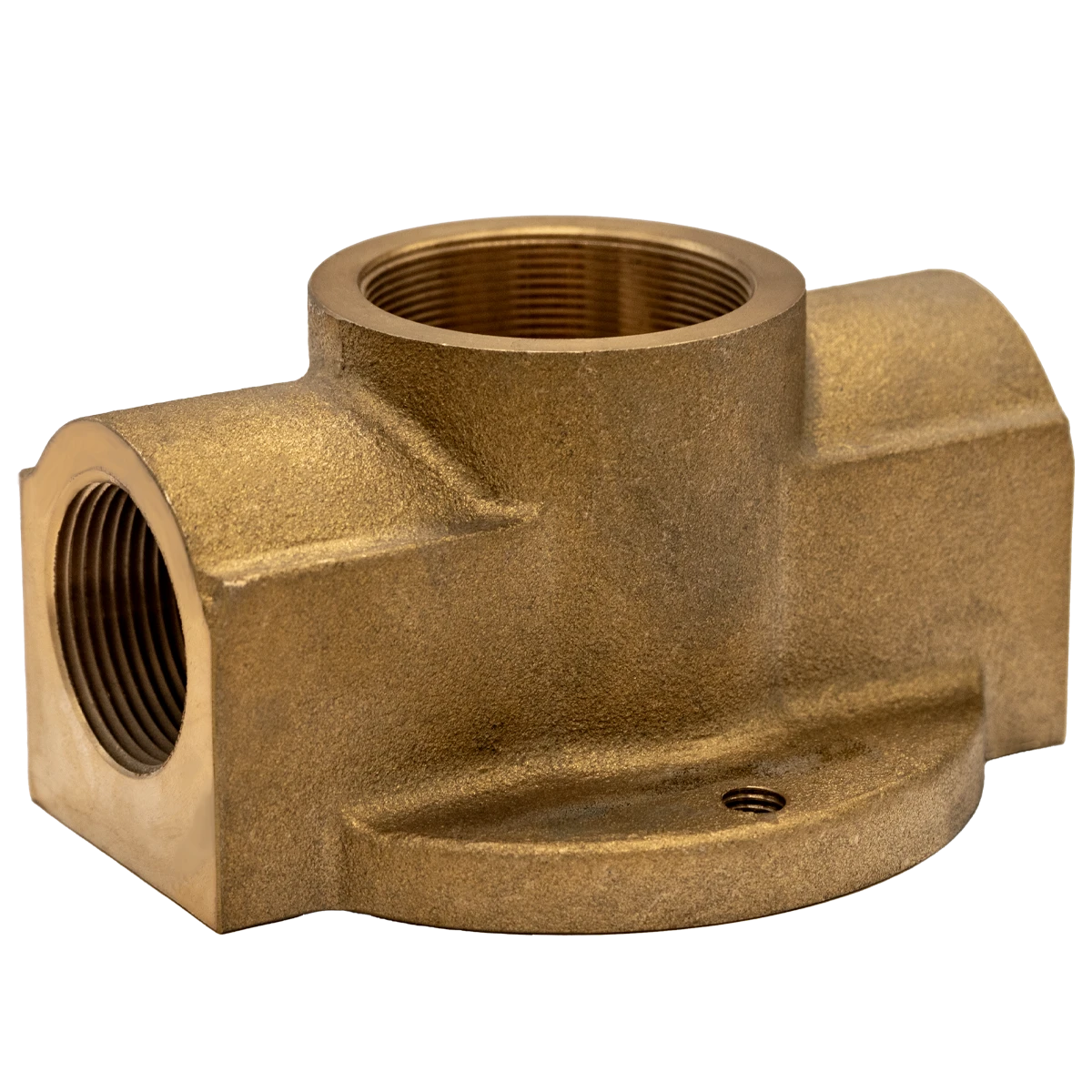
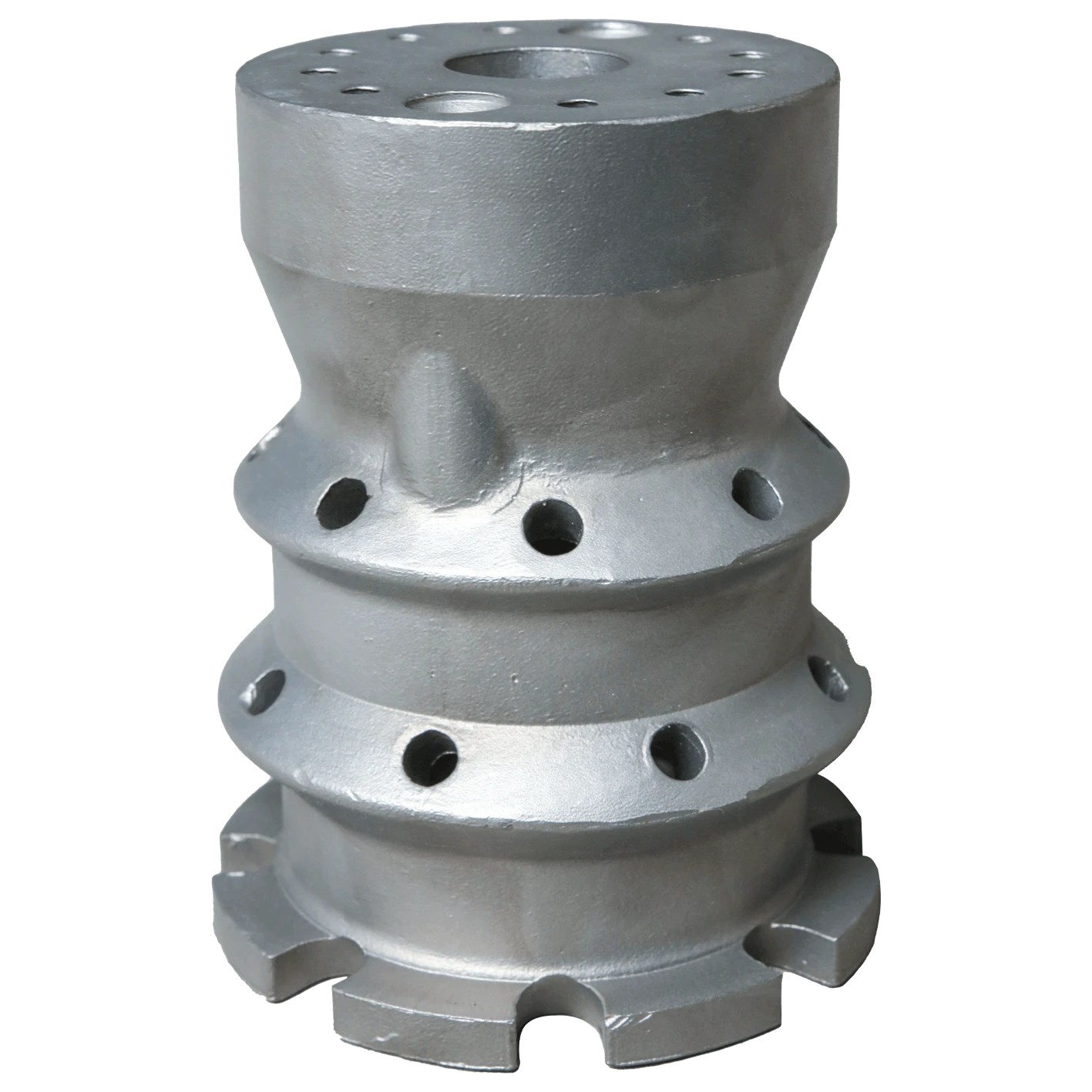
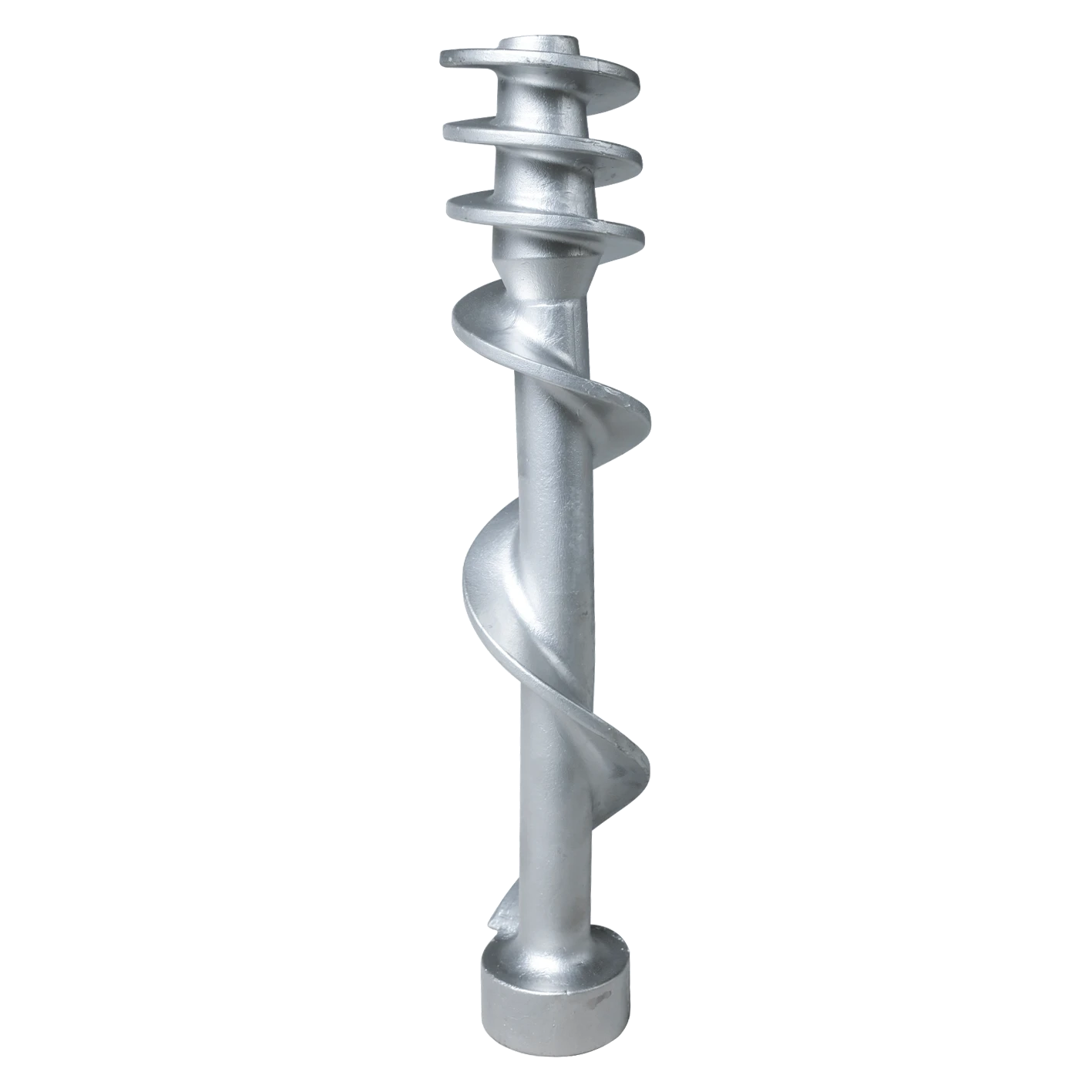
In modern industrial systems, reliable flow control is essential for ensuring safety, efficiency, and long-term performance. Components such as black iron ball valve, casting ball valve, casting gate valve, cf8m casting, gate valve casting, gate valve ductile iron, E globe valve casting play a crucial role in regulating liquids, gases, and steam across a wide range of industries. From oil and gas to water treatment and chemical processing, these valve types and materials form the backbone of fluid control infrastructure.
This article explores the structure, materials, applications, and advantages of these valve castings, providing a comprehensive understanding of how they support industrial operations worldwide.
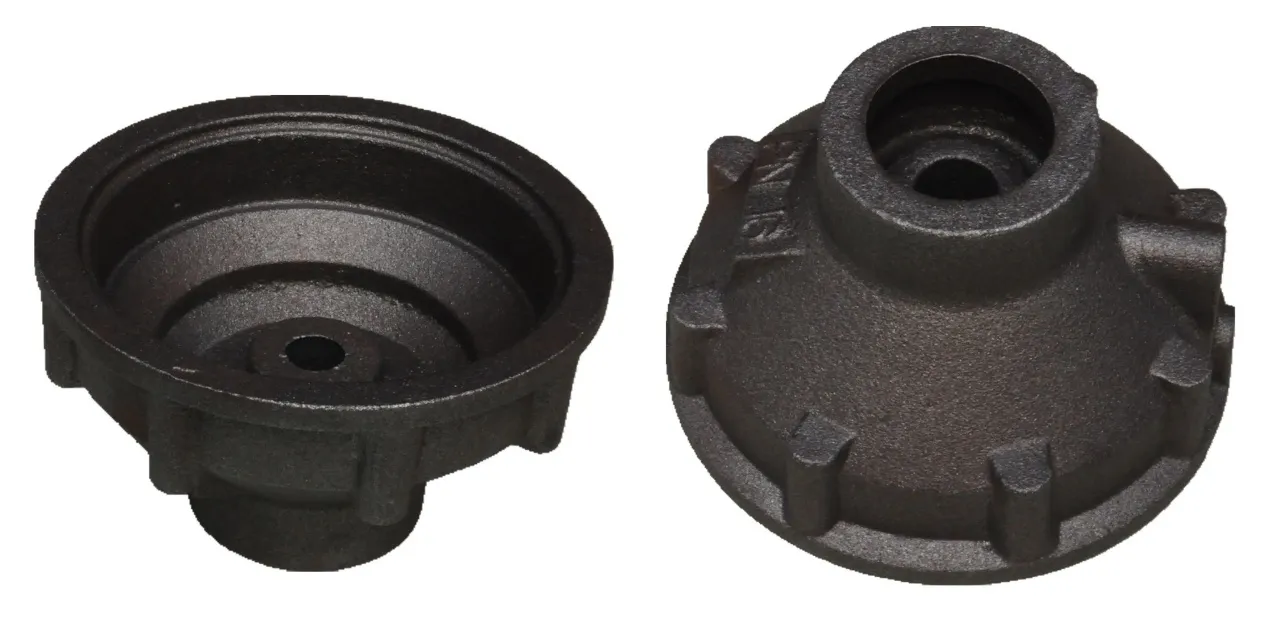
Overview of Valve Types and Their Functional Roles in Industrial Systems
Valves are mechanical devices designed to control, regulate, or isolate fluid flow within a pipeline system. Among the most widely used are ball valves, gate valves, and globe valves, each serving distinct operational purposes depending on system requirements.
A black iron ball valve is commonly used in low to medium-pressure applications involving gas, air, and water. Black iron, known for its strength and durability, provides excellent resistance to mechanical stress, making it suitable for industrial piping systems. The ball valve mechanism uses a rotating sphere with a central bore, allowing quick shut-off control with minimal pressure drop. This makes the black iron ball valve especially useful in systems requiring fast operation and tight sealing.
Similarly, a casting ball valve is produced using metal casting techniques, typically involving materials such as stainless steel, brass, or iron. The casting process ensures structural integrity and allows for complex shapes that enhance flow efficiency. Casting ball valve designs are widely used in oil pipelines, chemical plants, and HVAC systems due to their durability and reliability under high-pressure conditions.
Gate valves, on the other hand, are designed for full open or full close operation. A casting gate valve is manufactured using precision casting methods, ensuring strong structural performance and resistance to pressure fluctuations. Unlike ball valves, gate valves are not ideal for flow regulation but excel in isolation applications where a straight-line flow with minimal restriction is required.
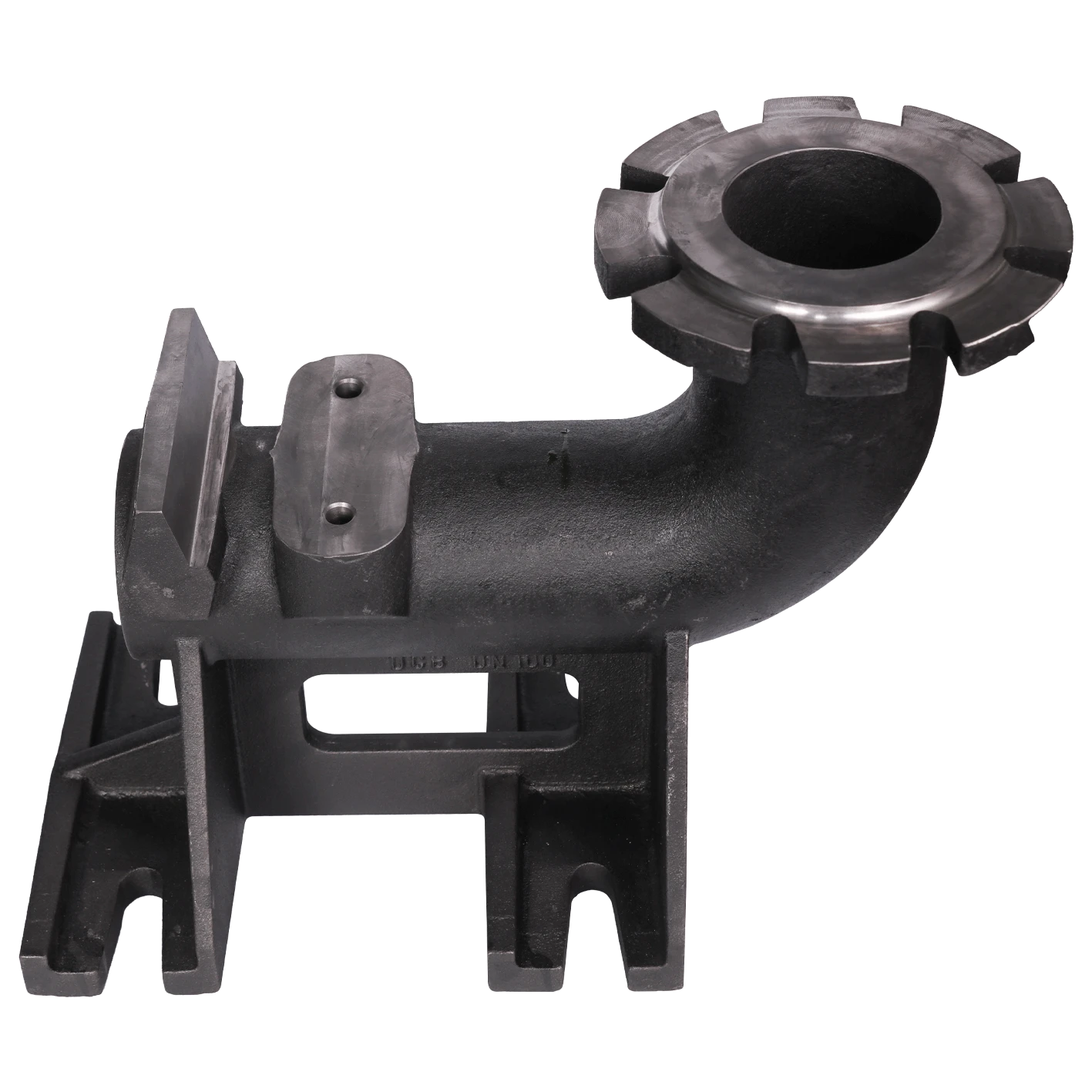
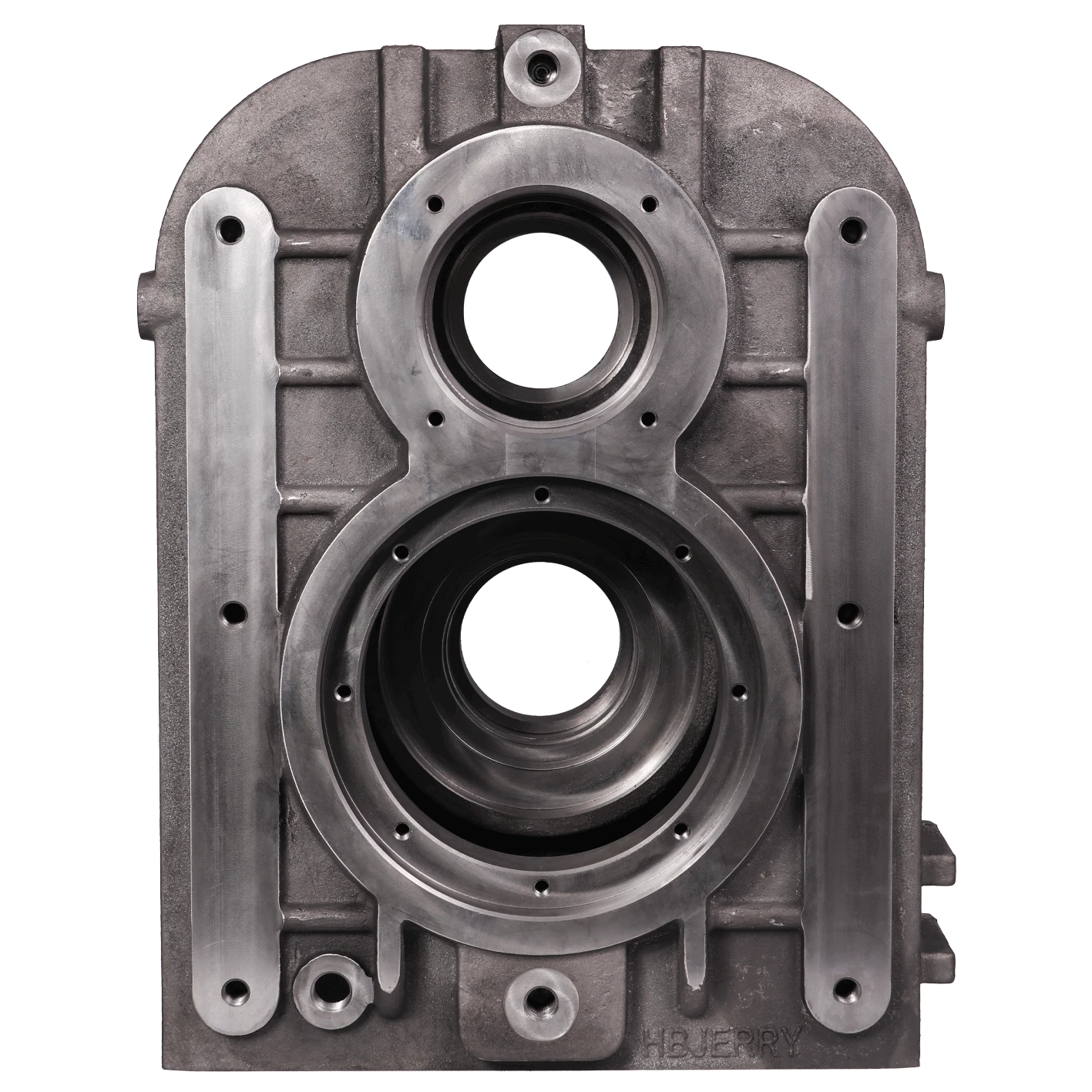
IL gate valve casting process is critical in determining the quality and performance of the final product. It involves pouring molten metal into molds to form the valve body, ensuring uniformity and strength. High-quality casting reduces porosity and enhances resistance to corrosion and wear, making it suitable for demanding industrial environments.
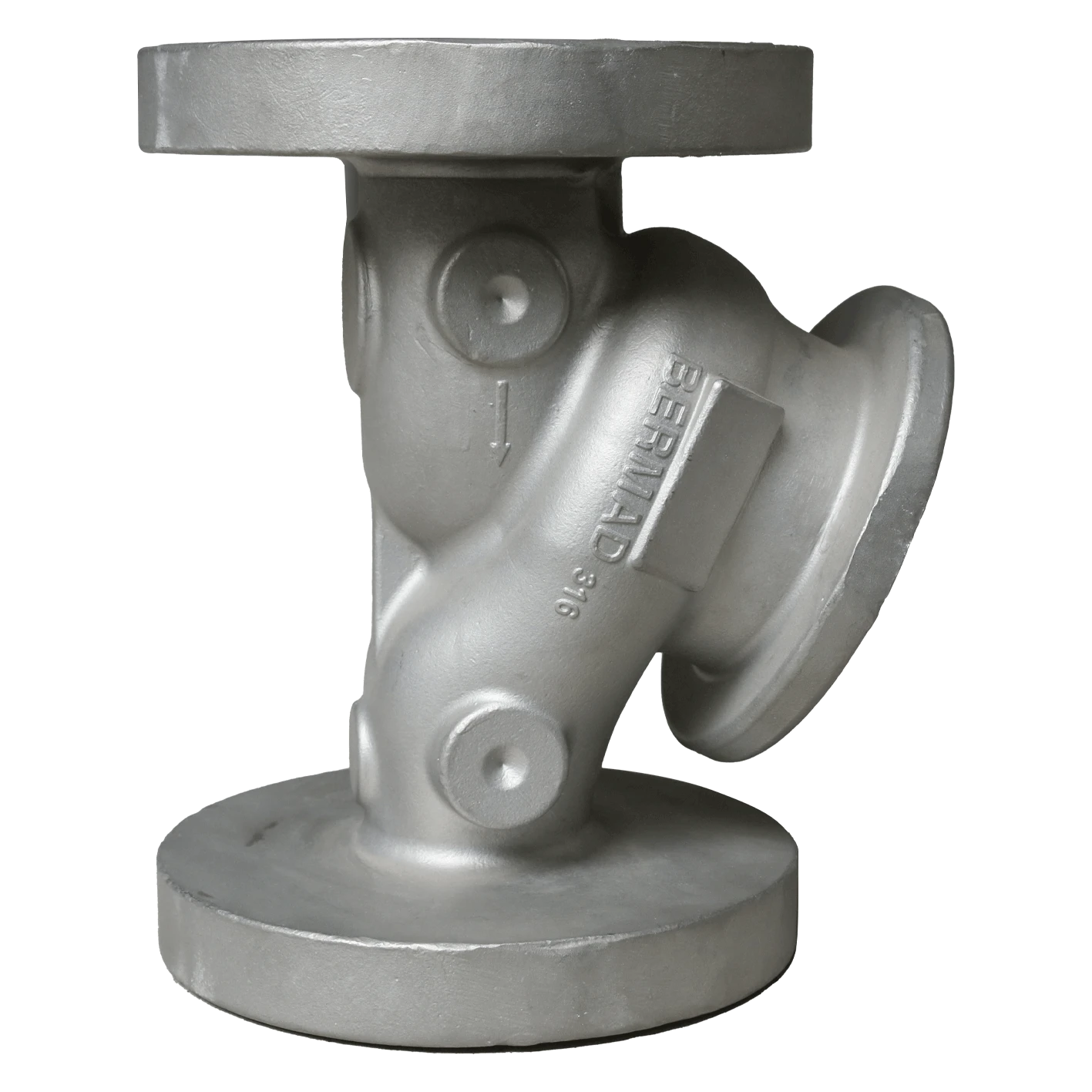
Another widely used material standard in valve manufacturing is cf8m casting, which refers to a stainless steel grade equivalent to 316 stainless steel. This material is known for its excellent corrosion resistance, particularly in marine, chemical, and high-moisture environments. Valves made from cf8m casting are commonly used in industries where exposure to aggressive fluids or harsh environmental conditions is expected.
Materials and Manufacturing Processes in Valve Casting Technology
The performance of industrial valves largely depends on the materials used and the precision of the manufacturing process. Casting technology plays a central role in producing durable and reliable valve components.
One of the most common materials in heavy-duty applications is ductile iron. A gate valve ductile iron construction offers superior strength, flexibility, and impact resistance compared to traditional gray iron. Ductile iron contains nodular graphite structures that improve mechanical performance, making it ideal for water distribution systems, wastewater treatment plants, and industrial pipelines. The gate valve ductile iron design is particularly valued for its ability to withstand pressure surges and mechanical stress without cracking.
IL globe valve casting process is another essential manufacturing technique used for producing globe valves. Globe valves are designed for precise flow regulation rather than simple on/off control. The casting process allows manufacturers to create complex internal geometries that improve throttling performance and reduce turbulence. A well-executed globe valve casting ensures smooth operation, long service life, and consistent flow control accuracy.
Casting methods used across all these valve types typically include sand casting, investment casting, and precision molding. Each method offers different levels of accuracy and surface finish. For example, investment casting is often used for high-performance applications requiring tight tolerances, while sand casting is preferred for larger components such as industrial gate valves.
Material selection also plays a key role in performance optimization. For instance, cf8m casting stainless steel is chosen for corrosive environments, while ductile iron is preferred for mechanical strength and cost efficiency. Similarly, black iron is used for general-purpose applications where cost-effective durability is required.
The integration of advanced manufacturing technologies such as CNC machining and automated inspection systems ensures that modern valve castings meet strict industry standards. This improves reliability and reduces the risk of failure in critical systems such as oil refineries, chemical plants, and municipal water networks.
Applications, Advantages, and Industry Importance of Valve Casting Systems
Valve casting technologies are essential across multiple industries, including energy, water management, petrochemicals, construction, and manufacturing. Each valve type and material offers unique advantages that contribute to system performance, safety, and efficiency.
IL black iron ball valve is widely used in residential gas lines, compressed air systems, and industrial water pipelines. Its simple quarter-turn operation allows for quick shut-off, reducing response time in emergency situations. Additionally, its rugged construction ensures long-term reliability even in demanding environments.
In industrial processing plants, the casting ball valve is favored for its ability to handle high-pressure and high-temperature fluids. Its tight sealing capability reduces leakage risks, making it ideal for hazardous chemical transport and petroleum refining systems. Maintenance is also relatively simple, contributing to reduced downtime and operational costs.
IL casting gate valve and gate valve casting systems are extensively used in large-scale pipeline networks where full flow isolation is required. Municipal water systems, fire protection systems, and industrial cooling networks rely heavily on these valves due to their durability and ability to handle large volumes of fluid with minimal resistance when fully open.
In water infrastructure projects, gate valve ductile iron valves are particularly important due to their strength and resistance to environmental stress. They are commonly installed underground in water distribution networks where long-term durability and corrosion resistance are critical. Their ability to withstand pressure surges ensures system stability and safety.
For industries requiring precise flow control, the globe valve casting design is indispensable. Power plants, chemical processing facilities, and steam distribution systems rely on globe valves to regulate flow rates accurately. Their internal structure allows for controlled throttling, making them ideal for applications where precise adjustment is necessary rather than simple on/off control.
The use of cf8m casting stainless steel further expands the application range of these valves into highly corrosive environments such as offshore platforms, desalination plants, and chemical reactors. Its resistance to rust and chemical attack ensures long service life and reduced maintenance requirements.
Overall, valve casting technologies provide significant advantages in terms of durability, versatility, and cost-effectiveness. They enable engineers to design systems that are both efficient and safe while minimizing operational risks. The combination of advanced materials, precision casting methods, and modern manufacturing techniques ensures that these valves meet the increasing demands of global industrial infrastructure.
In conclusion, components such as black iron ball valve, casting ball valve, casting gate valve, cf8m casting, gate valve casting, gate valve ductile iron, E globe valve casting are fundamental to modern fluid control systems. Their applications span across industries, supporting essential processes that power economies and sustain critical infrastructure worldwide.
-
Advanced Manufacturing Technologies in Modern Industrial ProductionNotiziaMay.22,2026
-
Engine Oil Management Tools: Essential Solutions for Clean and Efficient Automotive MaintenanceNotiziaMay.22,2026
-
Car Water Pump Systems: Efficiency, Cleaning Applications, and Market OverviewNotiziaMay.22,2026
-
Industrial Valve Castings and Flow Control Solutions in Modern EngineeringNotiziaMay.22,2026
-
Aluminum End Caps and Compression Solutions: A Complete Guide for Modern ApplicationsNotiziaMay.22,2026
-
Precision Valve Castings for Agricultural Irrigation and Fluid Control SystemsNotiziaMay.08,2026